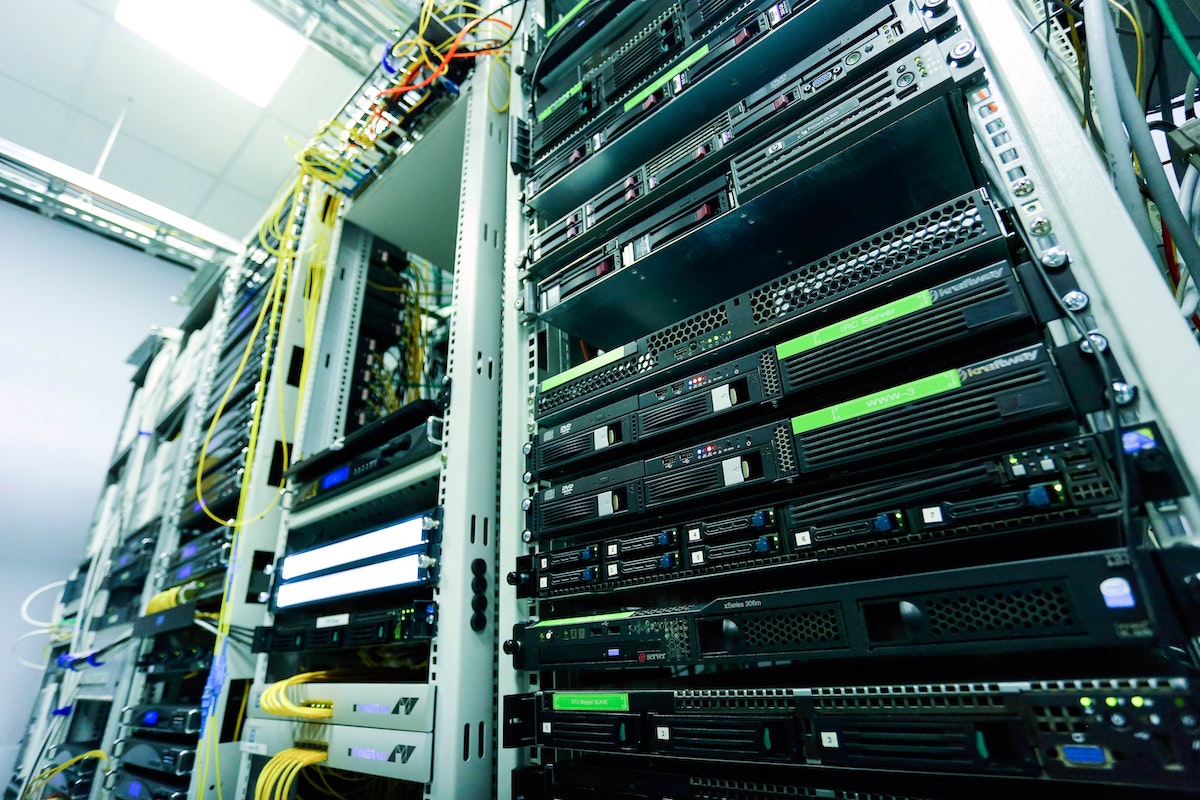
What Happens When Your Productivity Tools Outgrow Your IT Setup

What Happens When Your Productivity Tools Outgrow Your IT Setup

  • Modern productivity tools can overwhelm outdated IT infrastructure
  • Misaligned systems cause inefficiencies, errors, and time-wasting workarounds
  • Poor integration increases security and compliance risks over time
  • Scaling effectively depends on smarter foundations, not just more software

You’ve rolled out new tools intending to speed things up. Your team is working from shared documents, automating admin tasks, and syncing calendars across platforms. However, despite all this technology, workflows often feel more cluttered than clear. Projects stall, loading screens drag on, and support tickets seem to disappear into thin air.

It’s easy to think it’s user error or bad habits, but often the issue runs deeper. Productivity platforms have outpaced the IT infrastructure meant to support them. What used to run smoothly no longer does—not because the tools are wrong, but because the system they rely on isn’t built to carry the weight anymore.

The pressure new platforms put on old foundations

The newer your tools, the more demanding they tend to be. Real-time syncing, multi-user access, live data analytics—they all sound efficient until they hit a network bottleneck or an overworked server. Older setups weren’t designed for this level of traffic, and even minor lags can become significant productivity blocks. Something as routine as updating a CRM or uploading a client file can cause system-wide slowdowns if background processes are constantly fighting for bandwidth. Meanwhile, your IT team or outsourced support may still be operating under the assumptions of a smaller, simpler tech stack. Without revisiting the backbone of your setup, each new app adds more strain, not more value. And when updates collide or integrations fail silently, the problems compound fast.

Where poor alignment starts costing time and money

When productivity tools are added faster than your systems can adapt, workflows start to unravel in small but costly ways. Tasks that should take minutes stretch into half an hour. Platforms stall during peak hours. Staff begin relying on unofficial processes just to stay on track. Over time, this drift between what your tools promise and what your infrastructure can deliver starts to drain both focus and morale. Businesses that grow quickly often overlook the need for reliable business IT support woven into that expansion. Without it, tech upgrades become reactive, gaps stay hidden, and the real cause of inefficiency gets buried under band-aid fixes. Bridging that gap early helps prevent wasted time from becoming a permanent cost of doing business.

How unmanaged growth creates security and compliance risks

Each time a new tool is introduced, there is a moment when convenience takes priority over control. Passwords get shared informally. Permissions are copied from other platforms. Devices stay logged in long after users have left. While the software itself might be secure, the way it’s deployed often isn’t. Without apparent oversight, these shortcuts become vulnerabilities. That’s especially risky for businesses handling sensitive data or working within regulated industries. If your infrastructure hasn’t been audited since before your last wave of digital upgrades, chances are that cracks are forming—ones that could lead to breaches or failed audits down the track. Good security isn’t just about firewalls or antivirus anymore. It’s about managing how every tool connects to your system, who controls it, and whether those controls still make sense as your workflow evolves.

Why scaling IT isn’t about throwing more tech at the problem

Adding tools to fix problems created by other tools rarely works. It clutters the environment and increases the chance of conflicts or redundancies. It also creates confusion for users, who end up switching between platforms for simple tasks that were once straightforward. A more innovative approach to scaling involves knowing when to consolidate rather than expand. Often, it’s the behind-the-scenes systems—such as storage management, user access controls, and software patching—that need upgrading, not the visible tools. Investing in those foundations pays off more than patching gaps with another service. It also reduces support load, lowers software spend, and helps teams focus on work instead of figuring out which platform to use for what. When the structure is right, technology stops being something people work around and becomes something that works for them.

Future-proofing your IT with smarter decision-making

Planning doesn’t mean mapping out every tool you’ll use in the next five years. It means understanding where your systems are already stretched and where they’re likely to hit limits next. If your internet slows to a crawl during video calls or your file system constantly flags version conflicts, those aren’t just annoyances—they’re signs of misalignment. Future-proofing starts with asking the right questions. What tools are critical on a day-to-day basis? Which ones are duplicating effort? How often do users encounter system delays, and what causes them? Upgrades should be driven by actual workflow needs, not software trends. That shift in mindset helps businesses stay agile without sacrificing stability. It also means fewer surprises down the line when your next platform rolls out and actually works the way it’s supposed to.

How to Know If Your IT Provider Is Helping You Grow or Holding You Back

Businesses depend heavily on technology to operate, compete, and scale. Whether it’s cloud infrastructure, cybersecurity, software management, or network support, your IT provider plays a pivotal role in determining how effectively your business adapts and thrives. Not all IT service providers are created equal. Some act as true strategic partners, proactively driving innovation and growth, while others may inadvertently hinder your progress through outdated practices, poor communication, or reactive problem-solving. Understanding whether your IT provider is contributing to your success or silently stalling your growth is critical for long-term sustainability. In this blog, we’ll explore key signs to help you assess your current IT provider’s impact and determine whether it’s time for a change.

Signs Your Provider Aligns With Your Business Goals

A growth-oriented IT provider acts as a strategic partner who understands your business objectives and proactively contributes to achieving them. They ask about your company’s goals, offer scalable solutions, and help plan technology investments that support future expansion. Whether it’s implementing new tools to streamline workflow, automating processes to reduce manual tasks, or advising on tech that gives you a competitive edge, good business IT solutions should constantly look ahead. If your IT provider checks in regularly, provides tailored recommendations, and offers a roadmap that aligns technology with your long-term goals, it’s a strong indicator they’re helping, not hindering your growth.

Red Flags That Your Provider May Be Holding You Back

There are unmistakable signs that your IT provider may be doing more harm than good. If they’re only visible when problems arise, lack understanding of your industry, or provide cookie-cutter solutions with no customization, it’s a red flag. Businesses evolve quickly, and if your provider fails to keep up with trends or recommend upgrades, your infrastructure can become outdated, leading to reduced productivity and security risks. Poor response times, hidden fees, and recurring issues that never seem fully resolved indicate a provider that’s reactive rather than proactive. If your team is constantly frustrated with IT performance or spending more time on workarounds than actual work, your provider could be impeding your progress.

Evaluating Their Communication and Support Structure

Communication is the cornerstone of any successful partnership. A reliable IT provider will have clearly defined communication channels, regular performance reviews, and consistent updates on current issues and future initiatives. They should listen to your concerns, translate tech-speak into business language, and ensure your team feels supported. If your provider is hard to reach, dismissive of feedback, or fails to explain problems and solutions transparently, it can lead to costly misunderstandings and poor decision-making. A lack of documentation, training, or clear escalation paths during emergencies often exposes cracks in the support structure, suggesting your provider isn’t equipped to grow with you.

Are They Innovating or Just Maintaining?

A clear sign of a growth-oriented IT provider is their ability to innovate and bring new ideas to the table. This could mean introducing automation tools, recommending cybersecurity enhancements, or suggesting data analytics platforms to help you better understand customer behavior. Providers who are stuck in “maintenance mode”, focusing solely on keeping systems running without looking for ways to improve efficiency, may be comfortable, but not beneficial. True innovation involves risk-taking, experimentation, and a forward-thinking mindset. If your IT provider hasn’t recommended a new tool, service, or process improvement in the past year, it’s time to question whether they’re actively invested in your success or simply maintaining the status quo.

The difference between an IT provider who empowers your growth and one who holds you back often lies in their vision, communication, and proactivity. By evaluating how well they align with your goals, respond to your needs, and drive innovation, you can make informed decisions about your tech partnerships. Don’t settle for a provider that merely keeps the lights on. Choose one that helps your business shine.

The Growing Pains of Modern IT (and Where Automation Actually Helps)

For all the innovation that’s happened in enterprise tech, one thing hasn’t changed much: IT operations are still under constant pressure. The systems are more complex. The workloads are heavier. And expectations? They’ve skyrocketed.

You’re not just keeping the lights on anymore. You’re expected to manage uptime, security, performance, compliance, and the user experience—all at once. And when something breaks, people want answers immediately.

That pressure has led a lot of organizations to chase automation as the fix-all. Automate alerts. Automate responses. Automate provisioning. But as many teams are realizing, automation only helps if it’s built on good data, clear priorities, and the right context. Otherwise, you’re just moving problems around faster.

This is where the conversation starts to shift away from automation alone, and toward something more intelligent.

What Happens When There’s Too Much Data and Not Enough Insight

Monitoring tools are great. But in a modern environment, they’re noisy. You might get thousands of alerts a day, most of which turn out to be false positives or low-priority noise. It’s easy to miss the one signal that actually matters.

The same goes for logs, metrics, and performance dashboards. You can spend hours chasing data without getting any closer to the root cause. And when multiple tools are involved, each with its own dashboard and language, correlation becomes a guessing game.

It’s not a tooling problem. It’s a complexity problem. And it needs a different approach, one that doesn’t just collect data but actually helps teams make sense of it in real time.

Where AIOps Comes In

Let’s be real—most IT teams don’t need another acronym. But AIOps (short for Artificial Intelligence for IT Operations) has earned some attention for good reason. It’s not just about trend-chasing; it’s about finally doing something useful with all the data IT systems already collect.

Logs, alerts, performance metrics—they’re flying in nonstop from every direction. AIOps takes all of that and helps make sense of it. It looks for patterns, flags the weird stuff, and helps surface the events that actually matter instead of burying teams under a pile of noise.

Take a typical slowdown. Maybe the app’s acting up. Is it the server? The network? A third-party integration that’s suddenly crawling? Instead of guessing (or checking five dashboards hoping something jumps out) AIOps can pull those threads together and give you a starting point. It’s not magic, but it saves time and frustration.

And if customers are on the other end of that app? That speed really counts. Minutes matter. People notice. A system that helps you move faster could be the difference between a smooth recovery and a day full of escalations.

For a while, AIOps did sound like another buzzword floating around the IT space. But lately, that’s starting to change.

How Teams Are Putting It to Work

A few common scenarios where AIOps is already making a difference:

  • Alert reduction: Grouping related alerts into a single incident so teams can focus on resolution instead of sifting through noise.
  • Root cause analysis: Using pattern recognition to pinpoint likely sources of issues without hours of manual triage.
  • Predictive incident prevention: Spotting unusual behavior and flagging it before it becomes a full-blown outage.
  • Smarter automation: Triggering automated scripts or responses when specific conditions are met—without human intervention.

And importantly, the more you use AIOps, the better it gets. The models learn from past incidents, system behavior, and feedback to improve accuracy over time.

What It’s Not

It’s worth saying: AIOps isn’t magic. It won’t fix poorly documented systems, outdated processes, or a lack of collaboration. It needs clean data, clear goals, and thoughtful integration to work well. It also doesn’t mean handing over control. Human judgment is still essential, especially when customer impact or security is involved.

Think of it as an extra set of eyes—and a brain that never gets tired—helping your team move faster and smarter.

A Quiet Shift in the Way IT Works

The shift toward AIOps isn’t happening in a splashy way. It’s not about replacing people or writing headlines. It’s happening in the background, one faster resolution at a time. One team realizing they finally have breathing room. One ops lead not getting woken up at 3 a.m. for something that could’ve been handled by a workflow.

It’s a quiet evolution, but it’s a meaningful one. And for the teams dealing with the daily grind of modern IT, it might just be the change they’ve been waiting for.

From the Microsoft Breach to the Louvre Password: Why Businesses Need Smart IT Security

As technology continues to drive business success, working with professional security partners is essential for organizations of all sizes. Whether you’re a small business looking to streamline operations or an enterprise seeking strategic IT planning, partnering with the right provider ensures your systems are secure, scalable, and efficient.

This year, the news is full of serious security incidents that expose company emails and private data. Hackers use weak passwords and old software to break into systems. In June 2025, Washington Post disclosed a serious data breach on Microsoft Services.

In October 2025, thieves pulled off a stunning heist at the Louvre, stealing jewel pieces worth over €88 million (≈ US$102 million) in under eight minutes. What resurfaced in the aftermath is a shocking detail: a 2014 audit (eleven years ago) by the French cybersecurity agency ANSSI revealed the museum’s video-surveillance system password for the security cameras at the Louvre was “Louvre”.

It shows why IT tech partners are very important for small and mid-size companies. A good IT team will update systems and watch for threats every day. They also teach staff how to avoid clicking fake links in emails. After the June 2025 breach, many firms now ask for 24/7 cybersecurity support. If your company handles private data, this type of support is not just helpful, it is a must.

This guide explores what security partners and IT partners do, what to look for when hiring one, and how they help businesses stay ahead in a digitally connected world.

What Does an IT Services Company Do?

A technology solutions provider offers a wide range of technology support and solutions designed to meet the specific needs of businesses. These services can include everything from network setup to cloud management, cybersecurity, help desk support, and beyond.

Core services often include:

  • Managed IT services – Ongoing management of inhouse and cloud infrastructure, including monitoring, patching, and troubleshooting
  • Cloud solutions – Migration to cloud platforms, cloud security, and ongoing cloud environment optimization
  • Cybersecurity services – Threat detection, endpoint protection, firewall management, and compliance support
  • IT consulting – Strategic guidance on technology planning, digital transformation, and system integration
  • Data backup and disaster recovery – Ensuring business continuity with secure data backups and recovery solutions
  • Help desk and user support – Day-to-day IT support for employees experiencing hardware or software issues

Many companies provide tailored service packages depending on your industry, budget, and internal resources.

Why Businesses Rely on IT Services Companies

Outsourcing IT responsibilities provides numerous advantages, especially for businesses that don’t have a full-time, in-house IT team. Working with a trusted IT partner allows organizations to:

  • Reduce operational costs – No need to invest heavily in IT staff or infrastructure
  • Increase efficiency – Automate workflows and eliminate downtime with proactive monitoring and maintenance
  • Stay secure – Guard against cyber threats with robust security protocols and compliance support
  • Access expert knowledge – Leverage specialized knowledge in cloud computing, networking, compliance, and more
  • Scale with ease – As your business grows, your IT support can evolve with it

Having a reliable IT services company ensures your team can focus on core business activities without being bogged down by tech issues or system failures.

Industries That Benefit Most from IT Services

While virtually any business can benefit from professional IT support, some industries face especially complex technology needs that demand expert attention. These include:

  • Healthcare – Managing electronic health records (EHR), HIPAA compliance, and patient data security
  • Legal – Ensuring confidentiality, document management, and cybersecurity best practices
  • Finance – Data encryption, regulatory compliance (FINRA, SEC), and fraud prevention
  • Manufacturing – Supporting operational technology (OT) systems and supply chain integration
  • Education – Securing online learning platforms and protecting student information

IT service providers typically offer industry-specific solutions to help meet regulatory requirements and unique operational challenges.

How to Choose the Right Service Partner

Choosing the right IT partner is critical to ensuring your business runs smoothly and securely. Here are key factors to consider when evaluating potential providers:

  • Experience and certifications – Look for a provider with proven experience and certifications like CompTIA, Microsoft, Cisco, or AWS
  • Responsiveness – Ensure they offer quick response times and 24/7 support options
  • Customization – Services should be tailored to your specific business size, goals, and budget
  • Scalability – Make sure the company can support your growth with flexible service plans
  • Security focus – Cybersecurity should be a core part of their service offering, not an add-on

Client reviews, case studies, and a thorough consultation will also help you assess whether a company is a good fit for your organization.

IT Partnership That Drives Results

In a competitive and digitally dependent business landscape, partnering with a trusted technology partner is no longer optional—it’s a necessity. From managing your day-to-day technology to planning for the future, the right IT provider helps your business stay secure, agile, and prepared for growth.

Whether you need full-service IT management or specialized support for cloud, cybersecurity, or compliance, investing in the right partner ensures your technology always works for you—not against you. Take the time to evaluate your needs and choose a provider that delivers not just technical support, but strategic value.

Why Residential Proxy Pools Outperform Static IPs in Enterprise Data Collection

In the competitive world of enterprise data collection, the choice of proxy infrastructure can make or break the effectiveness of scraping operations. While static IPs have traditionally served many businesses, residential proxy pools are proving to be significantly more resilient and efficient in modern data environments. Here’s a closer look at why this shift is happening, based strictly on validated data and industry analysis.

Static IPs: A Growing Liability in Data Operations

Static IP proxies, often sourced from datacenters, offer speed and consistency but come with mounting risks. Research by DataDome highlights that over 60% of major websites now deploy advanced bot detection technologies capable of identifying static IPs within seconds. These detections often lead to immediate blocks or distorted data, severely impacting scraping reliability.

Further, a study by Imperva revealed that traffic originating from datacenter IPs is 4.5 times more likely to be flagged as malicious compared to residential traffic. This discrepancy occurs because static IPs exhibit behavior patterns that differ markedly from organic user activity, making them easy targets for machine learning-based detection algorithms.

In an environment where data quality and uninterrupted access are critical, relying on static IPs increasingly resembles walking through a minefield.

The Resilience of Residential Proxy Pools

Residential proxies, on the other hand, offer IP addresses sourced directly from real consumer devices. This origin makes them much harder to differentiate from genuine user activity. According to a survey conducted by Proxyway, residential proxy usage results in a 30-50% lower block rate compared to datacenter proxies across multiple industries, including e-commerce intelligence and travel fare aggregation.

Moreover, rotating residential proxy pools introduce a critical advantage: dynamic session management. When IPs rotate intelligently, websites are less able to correlate multiple requests to a single user, reducing the likelihood of detection exponentially. According to research, residential IP rotation can decrease detection rates by up to 67% when compared to non-rotated static IP setups.

By mimicking real-world traffic patterns, residential proxies significantly increase the success rates of data scraping campaigns, particularly when targeting websites with aggressive anti-bot frameworks.

Strategic Considerations: When Residential Proxies Are Essential

Not every scraping task demands residential proxies, but certain scenarios practically require them:

  • Geo-sensitive scraping: Residential IPs allow you to appear as if you are browsing from a specific country or city, essential for collecting localized data.
  • High-value targets: Websites like e-commerce platforms, airline aggregators, and ticketing services often deploy strict anti-bot measures, where residential proxies provide the stealth necessary to succeed.
  • Long-term projects: For projects where scraping continuity over months is vital, residential pools help maintain access consistency without repeated re-engineering of scraping logic.

For enterprises that demand scalable, reliable, and undetectable data acquisition, residential proxy networks have become the gold standard.

Get more information here.

Residential proxy pools aren’t just another technological upgrade; they represent a fundamental shift in how successful data scraping operations are executed. Businesses that recognize and adapt to this change position themselves to outpace competitors who are still struggling against growing detection and blocking measures.

Cost-Effective IT Solutions for Kansas City Startups and Entrepreneurs

If one wants to begin a business within the vibrant entrepreneurial city of Kansas City, it comes with challenges, but technology should not be one among them. ThrottleNet provides specialized IT services aimed directly at startup small businesses that want to get the most from their investment in technology while minimizing overhead.

The Startup IT Challenge

Kansas City entrepreneurs are continuously under threat of cyber attack. They need enterprise-grade IT infrastructure and security but usually don’t have the budget to support a whole in-house IT department. This leads to vulnerabilities that can be very damaging for a startup. It means tons of downtime, security breaches, and poorly implemented technologies that will not help grow the company.

 Flexible Support Models for Growing Businesses

ThrottleNet’s Kansas City startup service is built around scaling and flexibility. They allow entrepreneurs to always maintain control over some aspects of their technology while outsourcing others under a model of co-managed IT services. This kind of tailor-made support gradually grows as the business grows.

The hybrid model is ideal for startups needing changing support or unique technology requirements. ThrottleNet designs solutions based on each company’s growth route and budget constraints instead of locking businesses into rigid packages.

Strategic Planning Without the Executive Price Tag

Perhaps the most valuable offering for Kansas City entrepreneurs is ThrottleNet’s Virtual CIO (vCIO) service. This provides startups with executive-level IT guidance without the six-figure salary of a full-time technology executive.

The vCIO model delivers strategic benefits that specifically address startup challenges:

  • Technology road mapping aligned with business growth goals
  • Budget optimization to maximize ROI on technology investments
  • Guidance on scalable solutions that prevent costly rebuilds as the company expands

As one of the pioneers of vCIO services in the Midwest, ThrottleNet has refined this approach through years of working with businesses at various growth stages. Their strategists bring over 15 years of expertise to help entrepreneurs make informed technology decisions supporting immediate needs and future ambitions.

Proactive Security for Vulnerable New Businesses

Startups often become targets for cybercriminals precisely because they lack the robust security infrastructure of larger enterprises. ThrottleNet’s multi-layered security approach includes:

  • Comprehensive email protection against phishing attacks
  • Employee security training and simulations to build a security-conscious culture
  • Continuous monitoring with rapid response capabilities (averaging under 2 minutes)
  • NIST-based cybersecurity frameworks that scale with business growth

This proactive stance helps Kansas City entrepreneurs avoid a security breach’s catastrophic impact on a new business’s reputation and financial stability.

Responsive Support When It Matters Most

For startups where every minute of downtime translates to lost revenue or missed opportunities, ThrottleNet’s remarkably fast response time (currently averaging 1 minute 57 seconds) provides crucial peace of mind. This responsiveness extends to their specialized cloud services team, which brings nearly two decades of expertise in Azure administration and Microsoft 365 environments.

Building for Sustainable Growth

Kansas City entrepreneurs partnering with ThrottleNet gain more than just technical support—they receive a strategic ally invested in their long-term success. With customized technology recommendations, proactive security measures, and expert guidance from experienced vCIOs, startups can build technology infrastructures that enable rather than constrain their growth ambitions.

By providing enterprise-grade IT solutions with startup-friendly flexibility, ThrottleNet helps Kansas City’s entrepreneurs compete effectively while maintaining the agility that gives new businesses their edge in the marketplace.

How Data Transparency Can Boost Business Productivity and Trust

You’ve probably heard the buzz about data transparency, but do you truly understand its transformative power? In today’s data-driven economy, businesses that embrace openness—both internally with employees and externally with customers—don’t just operate more efficiently; they build deeper trust, make informed decisions, and gain a significant competitive edge.

This guide will show you exactly how data transparency can revolutionize your business operations, strengthen your team’s performance, and create loyalty in your customer base. Read on.

Data Transparency Eliminates Workplace Confusion and Inefficiency

Picture this: your marketing team is planning a campaign without access to recent sales data. Your product team is making decisions based on outdated customer feedback. Your executives are setting targets without visibility into departmental challenges. This lack of transparency doesn’t just create frustration—it actively hampers your productivity and sustainable growth.

When you implement robust data transparency practices, you reduce time wasted on guesswork, enable informed decision-making across the board, break down silos and differential privacy issues, and empower problem-solving.

The productivity payoff is undeniable. A recent study found transparent companies report significantly higher operational efficiency. That’s because when everyone sees the same data, they can act quickly and cohesively.

Transparency Builds Unshakable Trust with Your Team

Your employees aren’t just workers—they’re stakeholders in your company’s success. When you treat them as such by being open about business performance, challenges, and goals, you unlock remarkable benefits:

Skyrocketing Engagement

Research shows employees who feel fully informed are more likely to stay with a company. They’re also more productive. Transparency makes people feel valued and trusted—key drivers of discretionary effort.

Stronger Accountability Culture

When performance metrics are visible to all, your company will get to enjoy the following benefits: individual contributors understand how their work ladders up to company goals, managers can coach more effectively with clear benchmarks, and teams naturally hold themselves to higher standards for data transparency for customer and business data.

Innovation Flourishes


At top companies, open data policies have led to breakthrough innovations. When employees see customer pain points, operational bottlenecks, and financial realities, they generate better solutions.

Change Management Becomes Easier


Transparent companies navigate restructuring, pivots on regulatory requirements, and challenges with far less resistance. Employees who understand the ‘why’ behind decisions are more adaptable.

Build trust within your team with data transparency practices today!

Customers Demand—and Reward—Transparent Businesses

In the age of social media and instant information, consumers can smell inauthenticity from miles away. A staggering number of consumers say they’re more likely to be loyal to brands that are open and use industry-accepted ethical methods like Open-Source Intelligence (OSINT) and the like.

Here’s why transparency wins customer trust: pricing transparency builds confidence (when buyers understand what they’re paying for, they feel respected), supply chain openness creates advocates (people support businesses whose values they can verify), and data privacy transparency is non-negotiable (clear communication about the purpose of using specific OSINT techniques and how privacy concerns are handled are crucial for retention).

Operational Transparency Supercharges Efficiency

Beyond cultural benefits, transparency delivers concrete operational advantages:

  • Real-time performance tracking: Cloud-based dashboards give every team member instant visibility into key performance indicators (KPIs). No more waiting for monthly reports—decisions happen at the speed of data.
  • Automated data flows eliminate bottlenecks: Integrations between customer relationship management (CRM), enterprise resource planning (ERP), and other systems ensure everyone works with the same updated information. Say goodbye to version control nightmares.
  • Predictive analytics become possible: When data flows freely across departments, AI tools can spot trends and opportunities humans might miss.
  • Continuous improvement accelerates: Transparent benchmarking (between teams, locations, or time periods) creates healthy competition and surfaces best practices.

Don’t miss out on boosting your company’s efficiency – lock in on data transparency now.

Implementing Transparency without Overwhelm

The key is strategic transparency—sharing the right data, with the right people, in the right way. Keep in mind the following data transparency tips:

  • Start with leadership buy-in. Why? Transparency must flow from the top. Executives should model open communication about both successes and challenges.
  • Use the ‘Need to Know’ framework. This is a working protocol that only allows access to specific types of information to those who need it to perform their duties. For instance, executives can access strategic financials and market data, managers can view team performance metrics, team personnel know their individual KPIs and company goals, and consumers are in the know of relevant product/sourcing information.
  • Make data understandable. Visual dashboards, annotated reports, and regular ‘data town halls’ help non-technical teams engage with information.
  • Transparency is a two-way street. Encourage questions and suggestions about the data you share.
  • Protect sensitive information; maintain proper controls for human resources (HR) data, trade secrets, and personal customer information.

At the end of the day, don’t hesitate to reach out and collaborate with data transparency experts to kickstart your move to adapting data transparency principles and applications the soonest.

Final Words: Transparency Is the Ultimate Competitive Advantage

In a world where consumers and employees increasingly value authenticity, data transparency isn’t just nice to have—it’s business-critical. By shedding light on your operations, performance, and even challenges, you create a culture of trust that drives productivity, loyalty, and innovation.

The most successful companies of the next decade won’t be those with the most data, but those who use it most openly and responsibly. Your journey starts with one transparent decision—what will you share today?

Ready to transform your business with transparency? Start small with one department or dataset, measure the impact, and scale what works. The rewards—in efficiency, trust, and growth—will speak for themselves.

The Essential Role of IT Support in Business Growth

Growth is one of the most exciting stages for any business, but with expansion comes complexity—especially when it comes to technology. As your team expands, your customer base grows, and your services evolve, the demand on your IT infrastructure increases alongside everything else.

Reliable IT support plays an essential role in navigating this phase successfully. It’s not just about fixing computers when they malfunction. IT support is about building a strong, scalable foundation that supports daily operations, protects sensitive information, and enables future growth. Let’s explore how professional IT support becomes a crucial partner in helping businesses thrive.

Creating a Stable Foundation for Daily Operations

Every modern business relies on a web of interconnected systems. From cloud platforms and internal networks to communication tools and customer management software, technology underpins nearly every task. When these systems work flawlessly, they become invisible partners in productivity. But the moment something goes wrong, operations can grind to a halt.

IT support ensures these essential tools and systems remain functional and reliable. By monitoring performance, performing routine maintenance, and addressing potential issues early, IT professionals help prevent unexpected disruptions that could derail your workflow. This support does not always need to be managed internally. Rural outsourcing providers such as Onshore Outsourcing, enable businesses to sustain consistent system monitoring and implement dependable IT solutions while reducing the burden of maintaining a full in-house team. This consistency keeps your team focused on serving customers and driving your business forward.

Supporting Expansion with Scalable Solutions

As businesses grow, their technology needs evolve rapidly. What worked for a small team might not be enough to support a larger workforce, increased data traffic, or new market demands. Scaling technology is not as simple as adding a few more devices—it requires careful planning to ensure systems remain secure, efficient, and adaptable.

If you’re seeking reliable IT support in Nashville, TN, this is exactly where professional providers step in. They help evaluate your current setup, anticipate future growth, and recommend solutions that scale with your business. Whether it’s expanding cloud storage, upgrading hardware, or ensuring seamless remote access for a growing team, the right IT partner helps keep expansion smooth and future-ready.

Enhancing Security as Risks Increase

Growth often attracts attention—not just from customers, but also from cybercriminals. With more data to manage and more devices connected to your network, your business becomes a larger target for security threats. A single breach can cause significant financial and reputational damage, especially for businesses handling sensitive customer information.

Professional IT support strengthens your defenses by implementing security measures that evolve with your business. From firewall protections and encryption to regular security audits, IT teams work proactively to safeguard your systems. Additionally, they help educate your staff on best practices, reducing the risk of human error and keeping your business protected from emerging threats.

Streamlining Communication and Collaboration

As your business expands, keeping everyone connected becomes increasingly important. Smooth communication between departments, teams, and locations is essential for maintaining efficiency and ensuring everyone is aligned with company goals.

IT support helps implement and maintain communication tools that grow with your team. From cloud-based platforms to secure video conferencing and instant messaging systems, your IT partner ensures these tools function reliably and securely. The result is a connected, collaborative workplace that stays agile, even as you scale.

Investing in IT Support for Long-Term Growth

Growth brings opportunity, but also new challenges—especially in the digital landscape. Without the right technical foundation, businesses risk losing momentum to system failures, security breaches, or operational inefficiencies. IT support acts as both a safety net and a launchpad, helping your business avoid these pitfalls and move confidently toward its goals.

Whether you’re preparing to scale, improve security, or simply maintain smooth daily operations, investing in professional IT support is a strategic decision. It allows you to focus on what you do best—running and growing your business—while trusted experts keep your technology running at peak performance.

As your business continues its journey, consider IT support not as an expense, but as a vital partner in your success story. With the right team behind your technology, the path to sustainable growth becomes clearer, more secure, and fully within reach.

Bridging the Gap: How Equipment Rentals and IT Support Complement Each Other at Conferences

In today’s fast-paced, tech-driven world, conferences have evolved far beyond simple gatherings of professionals. They are now dynamic multimedia experiences that rely heavily on technology to inform, engage, and connect attendees. From high-definition projectors to crystal-clear sound systems and seamless live streaming, the technology behind an event plays a crucial role in its success. However, having top-notch equipment is only half the battle. Equally important is having the right expertise on hand to ensure everything runs smoothly.

This is where the powerful combination of equipment rentals and IT support comes in. Together, they form a vital partnership that keeps conferences operating flawlessly from start to finish. Let’s explore how these two essential components complement each other to create successful events.

The Role of Equipment Rentals in Conferences

No matter the size or scope of a conference, the right equipment lays the foundation for an engaging and effective event. Whether it’s audiovisual gear, lighting rigs, microphones, video walls, or even laptops and tablets for breakout sessions, having the proper tools is non-negotiable. The good news? You don’t have to invest in purchasing these high-cost items outright. Many businesses choose to rent equipment for conferences from Quality AV, giving them access to the latest technology without the hefty price tag.

Renting equipment offers several key advantages. Firstly, it’s cost-effective. Events are typically short-term, and renting allows organizers to allocate their budgets more efficiently without compromising on quality. Secondly, it offers flexibility. As event sizes and formats vary, rental services can tailor packages to meet specific needs, from intimate workshops to large-scale expos.

Additionally, rental providers often offer the newest and most advanced technology, ensuring your event stays ahead of the curve. And perhaps most importantly, by partnering with a reliable rental service, you also gain valuable consultation on selecting the right equipment for your venue size, audience, and presentation style. However, while having the right equipment is essential, it only works seamlessly with the right technical expertise.

The Essential Function of IT Support in Conferences

Even with state-of-the-art equipment, technical hiccups can bring an event to a standstill. This is where professional IT support becomes indispensable. From ensuring a stable internet connection for virtual attendees to troubleshooting projector glitches or managing software integrations, IT experts keep things running smoothly behind the scenes.

Partnering with dedicated IT services like Constant C Winnipeg IT support provides peace of mind for event organizers. These professionals handle everything from initial setup and testing to on-the-spot problem-solving during the event. Imagine the stress of losing connection during a live webinar or encountering audio issues in the middle of a keynote speech. IT support minimizes these risks significantly.

Beyond troubleshooting, IT support also involves preparing systems for heavy usage, maintaining cybersecurity during digital interactions, and ensuring compatibility across various devices and platforms. Whether it’s configuring wireless microphones or setting up a secure network for guest logins, IT teams are the safety net that prevents minor technical issues from escalating into major disruptions.

How Equipment Rentals and IT Support Work Together

The magic truly happens when equipment rental services and IT support teams collaborate. While rental services provide the physical tools, IT support ensures those tools function optimally in real time, delivering a seamless experience for attendees.

Pre-Event Coordination: Before the event even begins, rental companies and IT professionals work together to ensure compatibility between devices and systems. This proactive approach identifies potential issues early, allowing for adjustments and thorough testing.

Real-Time Support: During the event, IT specialists remain on standby to monitor equipment performance and address any technical glitches immediately. Whether it’s resolving audio feedback issues or adjusting video settings for clarity, having IT support on-site ensures the rented equipment performs at its best.

Integrated Solutions: IT teams can enhance the functionality of rented equipment by integrating systems for better efficiency. For example, they might optimize wireless connections for live polling, manage AV systems for hybrid events, or ensure seamless transitions between prerecorded videos and live presentations.

Case in Point: Consider a hybrid conference hosting both in-person attendees and a live-streaming audience. The rental provider supplies cameras, microphones, and projectors, while the IT team ensures high-speed internet connectivity, manages the streaming platform, and troubleshoots any real-time issues. The result? A smooth, professional event experience for both live and virtual participants.

Benefits of Combining Equipment Rentals and IT Support

When event planners utilize both equipment rental services and professional IT support, the benefits multiply.

  • Efficiency: Technical teams work swiftly to resolve issues, keeping the event on schedule and the audience engaged.
  • Cost-Effectiveness: Renting high-quality equipment and outsourcing IT services is far more affordable than purchasing equipment and maintaining an in-house technical team for occasional events.
  • Stress-Free Experience: Organizers can focus on content delivery and audience engagement, knowing technical details are in capable hands.
  • Scalability: Whether it’s a small seminar or a large convention, this dual approach allows for scalable solutions that can grow or shrink according to event needs.

Together, they create a safety net that ensures the technology elevates rather than hinders the conference experience.

Conclusion

In the world of modern conferences, technology plays an undeniable role in delivering impactful experiences. But owning high-end equipment alone isn’t enough; it requires skilled hands to operate and manage it effectively. By combining the physical tools from trusted rental providers with the technical expertise of IT professionals, event organizers can bridge the gap between potential and performance.

So the next time you’re planning a conference, remember that success lies not just in having the best gear but in having the right team to support it. Embrace the power of both equipment rentals and IT support to create an event that runs flawlessly from start to finish.

Strategic IT Solutions to Enhance Business Productivity and Performance

As enterprises navigate this complex ecosystem, the quest for improved productivity and performance is a must. Strategic IT solutions can achieve these goals by streamlining operations, improving collaboration, and leveraging data-driven insights. Dive into various IT solutions and see how they can boost productivity and performance across different sectors.

Cybersecurity Measures

Data breaches can severely damage a company’s reputation and finances. Organizations must prioritize strong cybersecurity measures to protect sensitive information and maintain customer trust. To safeguard their digital assets, they implement firewalls, encryption protocols, and continuous monitoring systems.

The rise of remote work has further complicated cybersecurity efforts as employees access company networks from various locations. To address these challenges, companies can invest in cybersecurity services like eMPiGO, which provide specialized support and advanced protection against evolving threats. Conducting employee training on security best practices can reduce the likelihood of breaches caused by human error. A proactive approach to cybersecurity protects company assets and reduces downtime from security incidents.

Cloud Computing

Cloud computing has revolutionized how businesses manage and store data, offering scalable and flexible solutions that cater to diverse needs. Companies can access resources and applications over the internet, eliminating the need for extensive on-premises infrastructure. That said, organizations can scale their operations seamlessly and enable teams to collaborate from different locations without interruption.

Cloud solutions facilitate better data management and security so that sensitive information is always protected. Organizations can harness cloud services for tasks like data storage, project management, and team collaboration. The cloud is a comprehensive strategy that empowers companies to innovate faster.

Automation and AI Tools

Automation and artificial intelligence tools stand out as powerful allies for productivity levels. When companies automate routine tasks, they can redeploy valuable human resources to more strategic initiatives. Customer service processes can be optimized through chatbots that provide immediate assistance, leading to quicker resolution times and improved customer satisfaction. 

AI tools can analyze vast amounts of data to yield actionable insights, guiding decision-making processes. With automation handling repetitive tasks, employees can focus on creativity and problem-solving, promoting a culture of innovation within the organization.

Collaboration Through Technology

Advancements in communication technology have transformed how teams collaborate, breaking down silos and encouraging a culture of transparency and innovation. Video conferencing, instant messaging, and project management platforms all facilitate seamless collaboration among team members, regardless of their location. 

With technology in daily operations, businesses can streamline workflows and improve information sharing. Collaborative technologies encourage real-time feedback and knowledge sharing, allowing for a more dynamic approach to problem-solving.

Data-Driven Decision Making

Data is one of the most valuable assets a business can possess. By adopting data analytics solutions, organizations can gain insightful perspectives to inform their decision-making process. Predictive analytics can help businesses anticipate market trends and customer preferences, allowing them to tailor their strategies accordingly. Research indicates that companies leveraging data-driven decision-making are more likely to make informed decisions that directly impact their bottom line.

Businesses can perform extensive competitor analysis, identifying gaps and opportunities within their industries. Utilize data so that companies can operate more strategically. Embracing analytics empowers organizations to improve performance, streamline operations, and boost productivity.

Streamlining IT Infrastructure

An efficient IT infrastructure directly influences productivity levels. Outdated systems can cause inefficiencies and bottlenecks, hindering the performance of an organization. By optimizing their IT infrastructure, companies can reduce downtime and improve system reliability so that employees have the tools they need to succeed.

Cloud computing provides flexibility and scalability as business needs evolve. Integrating various technological solutions can create a cohesive IT environment that improves collaboration and information sharing. Investing in scalable infrastructure meets current demands and prepares businesses for future growth as well. A well-structured IT framework boosts productivity and helps organizations to operate more efficiently and meet their goals effectively.

Emphasizing Employee Training and Development

The success of any IT solution largely depends on how well employees utilize it. Investing in ongoing training and development can minimize the benefits of technology. Regular training sessions can help staff familiarize themselves with new tools and processes, reducing the learning curve associated with technology adoption.

Organizations that prioritize employee development tend to see a significant increase in engagement and retention rates. The majority of employees stated they would remain at a company longer if it invested in their career development. By nurturing a culture of continuous learning, organizations empower their employees and position themselves for long-term success. Trained employees can maximize the use of IT solutions, driving productivity to new heights. 

The integration of strategic IT solutions into business operations is no longer optional but necessary for sustaining productivity and improving performance. Adopting cloud computing, leveraging automation, robust cybersecurity, and collaboration are all critical elements of a comprehensive IT strategy.

Investing in data-driven decision-making and optimizing IT infrastructure further propels organizations toward success. Emphasize employee training to maximize the benefits of these technologies. By embracing these strategic solutions, companies will improve their operations and thrive.

The Role Of Scalable Colocation In Modern IT Infrastructure Planning

Today, modern businesses face an increasing demand for data storage, computational power, etc. It is necessary to plan the IT infrastructure to meet the changes with the advancement of technology. Scalable colocation services provide a strategic solution for companies. You can use them to house your IT infrastructure in third-party data centers. It will help you to maintain higher flexibility for future growth. In this article, you will learn about scalable colocation and its benefits.

Something About Scalable Colocation

It refers to the practice of outsourcing the physical management of servers and other hardware to specialized data centers. It provides businesses with secure, redundant environments designed for optimal performance. The best part is that businesses can expand their abilities without facing any burden of expanding in-house infrastructure.

Key Benefits Of Scalable Colocation In IT Planning

1. Cost Efficiency and Predictability

One of the primary drivers for adopting scalable colocation is cost control. There are high costs linked with building and maintaining an on-site data center. It needs high capital expenditure and ongoing operational costs. Businesses can shift to an operational expenditure model with colocation. Here, you only have to pay for the space and resources you need. This cost structure reduces upfront expenses and offers predictable monthly fees. So, you can plan your finances and budget for your business in advance.

2. Higher Security and Compliance

Data security is a top concern for businesses across industries. Colocation providers invest heavily in physical and digital security measures like:

  • Biometric access controls
  • Surveillance
  • Fire suppression systems

There are many providers who maintain strict compliance with standards like  ISO 27001, SOC 2, HIPAA, etc. This makes sure that businesses can meet industry-specific regulatory requirements. You can use this system with advanced security protocols to protect your sensitive data without the burden of managing in-house security.

3. Scalability Without Downtime

Typically, in-house infrastructure upgrades involve downtime. This can disrupt business operations and customer experiences. With scalable colocation, businesses can expand their capacity easily. Data centers are designed for high availability and offer modular growth options. They allow the companies to scale up or down without interrupting service delivery. This flexibility is highly beneficial for industries with fluctuating workloads. Here are some examples:

  • E-commerce
  • Financial services
  • Media

4. Better Data Recovery Ability

You can have access to data centers that are located in different locations with colocation services. This geographic redundancy offers proper business continuity by allowing data replication across different locations. This allows you to keep the critical system of your business operational in case of emergencies like:

  • Natural disaster
  • Power failure
  • Cyberattacks

On top of this, you can design proper disaster recovery strategies to protect the data and maintain uptime with scalable colocation.

The Bottom Line

With the rise of digital transformation, scalable colocation services will expand. The ability of colocation to scale on demand and offer advanced networking capabilities will impact future IT strategies. Your business will be able to enjoy higher flexibility, cost efficiency, and tight security with these services.

The Role of Cloud Computing in AI and Machine Learning

Cloud computing has become a game-changer in the world of artificial intelligence and machine learning. By providing scalable resources, high-performance computing power, and efficient data management, the cloud has opened new possibilities for AI-driven applications. 

Businesses, researchers, and developers can now access cutting-edge technology without needing expensive infrastructure, allowing them to focus on innovation and problem-solving.

As AI continues to evolve, the demand for massive computational power and large-scale data storage has increased. Cloud computing bridges this gap by offering on-demand access to resources that AI applications need to function efficiently. 

Whether it’s training complex machine learning models, processing vast amounts of data, or deploying AI-driven solutions, cloud technology has made it easier, faster, and more cost-effective than ever before.

How Cloud Computing Supports AI and Machine Learning

The cloud provides the essential foundation for AI and machine learning by offering scalability, computing power, data management, and cost-effective solutions that make AI more accessible and efficient.

Scalability for AI Workloads

One of the most significant advantages of cloud computing in AI and machine learning is scalability. 

AI models require extensive processing power, and the ability to scale resources up or down based on demand ensures efficiency and cost-effectiveness. 

With cloud platforms, businesses can run AI applications without the need for large physical servers. 

This flexibility allows organizations to experiment with different models, test new algorithms, and adjust their infrastructure as needed.

High-Performance Computing for Faster Model Training

Machine learning and deep learning models often require vast computational resources to train effectively. 

Cloud computing offers access to high-performance GPUs and TPUs, which can accelerate the training process significantly. 

This means that AI researchers and developers can build and refine their models more quickly, leading to faster innovations and real-world applications.

Seamless Data Storage and Management

AI relies on massive datasets to improve accuracy and performance. Cloud computing managed kubernets cluster provides efficient data storage solutions that enable easy access, management, and analysis of large volumes of data. 

With cloud-based storage, AI models can process and learn from data in real time, enhancing their capabilities and improving overall efficiency. 

Cloud storage also ensures that data is backed up and accessible from anywhere, supporting collaboration and continuous development. In many cases, organizations enhance this capability with cloud business intelligence, which allows teams to turn raw data into actionable insights directly within cloud environments.

This integration is further strengthened by MSPs such as Vigilant Oracle, which provide continuous monitoring, anomaly detection, and performance optimization to ensure secure and efficient AI operations.

Cost-Effective AI Implementation

Building and maintaining an AI infrastructure on-premises can be costly, requiring investment in hardware, software, and specialized personnel. 

Cloud computing eliminates these expenses by providing pay-as-you-go pricing models, where businesses only pay for the resources they use. 

This cost-effectiveness allows startups, enterprises, and research institutions to leverage AI without worrying about infrastructure costs, making advanced technology more accessible to everyone.

Easy Integration with AI Tools and Frameworks

Cloud computing platforms provide built-in support for popular AI and machine learning frameworks such as TensorFlow, PyTorch, and Scikit-learn. 

This integration simplifies the development process, allowing AI teams to focus on building and deploying models without needing to configure complex environments. 

Additionally, cloud services often include pre-trained AI models and APIs that developers can use to accelerate their projects, reducing development time and effort.

Applications of AI and Machine Learning in the Cloud

AI and machine learning are transforming multiple industries, and cloud computing plays a vital role in enabling these innovations by providing the necessary infrastructure and computational power.

Personalized Customer Experiences

AI-powered cloud solutions help businesses understand customer preferences and deliver personalized experiences. 

From recommendation engines in e-commerce to chatbots in customer support, cloud-based AI improves engagement and satisfaction. 

Companies can analyze customer behaviour in real time and adapt their offerings to meet individual needs, enhancing overall user experiences.

Healthcare and Medical Advancements

Cloud computing has played a crucial role in AI-driven healthcare solutions. From diagnosing diseases using image recognition to predicting patient outcomes through data analysis, AI-powered cloud applications are transforming the medical industry. 

With secure and scalable cloud environments, medical professionals can access valuable insights that improve patient care and treatment efficiency.

Autonomous Vehicles and Smart Cities

AI and machine learning are essential for developing autonomous vehicles and smart city technologies. 

Cloud computing enables real-time data processing from sensors, cameras, and other sources, allowing AI to make split-second decisions. 

Whether it’s optimizing traffic flow, enhancing public safety, or improving urban planning, cloud-based AI is shaping the cities of the future.

Financial Services and Fraud Detection

Financial institutions rely on AI to analyze transactions, detect fraud, and automate decision-making processes. 

Cloud computing allows financial organizations to process vast amounts of data securely and efficiently, ensuring faster fraud detection and better risk management. 

AI models running in the cloud can continuously learn from new patterns, making them more effective in identifying potential security threats.

The Future of AI and Machine Learning with Cloud Computing

As AI technology advances, cloud computing will continue to play a critical role in making AI solutions more powerful, efficient, and widely available to businesses and individuals.

The combination of AI and cloud computing is driving the next wave of technological advancements. As cloud providers continue to innovate, AI capabilities will become even more powerful and accessible. 

Edge computing, which brings AI processing closer to data sources, is expected to enhance real-time decision-making and reduce latency in AI applications.

Another exciting development is the rise of AI-as-a-Service (AIaaS), where businesses can access AI tools and models through cloud platforms without requiring in-house expertise. 

This will further democratize AI, allowing businesses of all sizes to harness its potential without investing in complex infrastructure.

With continuous improvements in cloud security, AI applications will become more reliable and widely adopted across industries. 

The future of AI and machine learning is deeply connected to cloud computing, and as technology advances, new possibilities will emerge that will continue to shape the way businesses and societies operate.

Conclusion

Cloud computing has transformed the way AI and machine learning applications are developed, deployed, and managed. By providing scalable resources, high-performance computing, cost efficiency, and seamless data management, the cloud has made AI more accessible and practical for businesses and researchers alike.

As AI continues to evolve, cloud computing will remain a key enabler of innovation, empowering organizations to build smarter solutions and improve everyday experiences. With limitless potential, the combination of AI and cloud technology is set to revolutionize industries, create new opportunities, and drive progress in once unimaginable ways.