A Dutch shopper rarely reaches for a credit card at checkout. Roughly seven in ten online purchases in the Netherlands go through iDEAL, a bank transfer button that opens the shopper's own banking app, asks for a confirmation, and returns them to the shop within seconds. Cards still exist, but they are the side dish. Debit cards from Dutch banks work mostly in physical shops, and credit cards remain a niche habit compared with Britain or the United States.
For a small company selling across borders, that fact changes the checkout page more than any design tweak. A British candle maker who offers only Visa and Mastercard may look perfectly professional and still lose a Dutch buyer at the last step. Payment infrastructure guides such as FinteqHub explain in plain terms how local methods, acquirers and settlement routes connect, which helps a shop decide on its setup early.
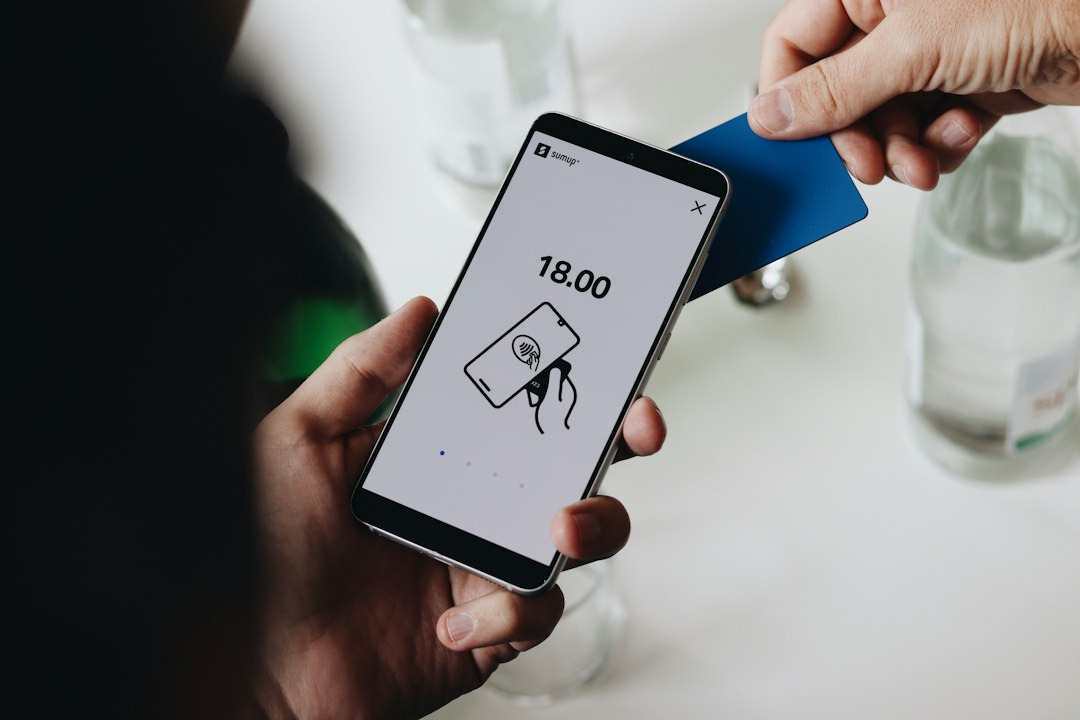
Why the Netherlands Never Fell for Cards
The story starts with banks. Dutch lenders built a shared online payment scheme in 2005, when many European shoppers still distrusted typing card numbers into websites. Because every major bank joined, almost every adult with a current account could use it from day one. There was no sign-up and no card to order. A shopper in Utrecht and a shopper in Groningen saw the same button, whichever bank held their salary, and that uniformity is what made merchants add it everywhere.
Habit did the rest, in three ways.
- Households already paid bills through online banking, so a transfer button felt familiar.
- A webshop owner in Rotterdam could count a paid order as final, because no cardholder could dispute it next quarter.
- Banks promoted the button inside their own apps.
What the Buyer Sees
At checkout the shopper picks their bank from a short list. Their banking app opens, shows the amount and the seller's name, and asks for a fingerprint or PIN. One tap later the order is paid. The whole flow typically takes under 20 seconds, with no card number typed and no form to fill in.
What the Seller Gets
Three things stand out for the seller.
- The payment confirmation arrives almost immediately, so goods can ship the same day.
- Fees are usually a flat few tens of cents per transaction rather than a percentage of the basket.
- On a 15 euro average order, that difference adds up over a few hundred orders a month.
How It Compares With Cards
The table below sets out the practical differences a small exporter would notice in the first quarter of selling to Dutch buyers. The figures are typical ranges, not quotes, and individual providers price differently.
| Feature | Bank transfer button | International card |
|---|---|---|
| Typical fee | Flat, about 0.30 to 0.40 euro | About 1.5 to 3 percent |
| Confirmation | Seconds | Seconds, but can be reversed |
| Dispute window | Very limited | Up to 120 days |
| Buyer effort | One app tap | Card details entered |
Small orders favour the flat fee, while large baskets can tilt the arithmetic back toward cards. Anyone selling furniture at 900 euros will weigh it differently from someone selling stickers. A sensible habit is to export a month of real orders, sort them by basket size, and multiply each band by both fee models before choosing a default.
Practical Steps for a Small Exporter
Start by asking your payment provider whether it supports the local method directly or only through a partner. Then check the settlement currency. Dutch buyers pay in euros, and a seller invoicing in pounds or dollars will meet conversion costs unless the account holds euros.
Next, test the journey on a phone. Most Dutch checkouts happen on mobile, and the switch to the banking app and back is where a clumsy integration loses people. Place the local option near the top of the payment list, in Dutch if you can, and keep the card option as the second choice.
The Wider Lesson for Cross-border Sellers
The Dutch case is not unique. Germany leans on invoice and bank payments, Poland on instant bank transfers, and Brazil on its Pix system. Each market has a default that locals trust without thinking about it. Europe is also moving toward a shared wallet that several national schemes plan to join, so the local favourite may change its name before it changes its role.
The cheapest market research a small exporter can do is to look up the top two payment methods in a target country before building the shop. Doing that costs an afternoon. Ignoring it can cost a year of weak conversion that nobody quite explains.