Google Killed Don’t Be Evil – And Users Finally Noticed

Google removed its famous “Don’t Be Evil” motto from its code of conduct in 2018. Most users did not notice. The change felt symbolic. The company replaced the phrase with “do the right thing.” Leadership said the values remained the same. Eight years later, one weekend proved them wrong.

On May 19, 2026, Google held its annual I/O conference. The company announced a complete redesign of its search experience. AI-generated summaries would appear at the top of every search result. The company deployed the change that same day. There was no opt-out. There was no testing period. A billion users woke up to a product they did not choose.

The Market Responded in Days

Users rejected the change immediately. TechCrunch reported that DuckDuckGo installs increased 30% in the week following the announcement. iOS market share for alternative search engines jumped 70%. Traffic to DuckDuckGo’s no-AI search page climbed 84% above baseline.

The backlash lasted only days. Google rolled back parts of the deployment. The company added a toggle to hide AI summaries. But the damage was done. Users saw what the company had become. They saw a business willing to override user choice for shareholder metrics.

Close-up of the Google homepage on a screen showing search options.

The May 2026 deployment was not an isolated incident. It was a pattern. The same month, Zoom began injecting ads into the home screens of paid enterprise accounts. Google forced Fitbit users to migrate to Google Health. The new app removed features users relied on. The interface changed without warning. Users who paid for hardware found themselves locked into an ecosystem they did not want.

The Pattern Behind the Backlash

These decisions share a common thread. Founders no longer control product direction. Quarterly earnings calls replace long-term trust metrics. Product teams optimize for engagement numbers instead of user satisfaction. No one in the room remembers why users chose the product in the first place.

Google’s original appeal was simple. The search engine returned clean results. It did not clutter pages with ads. It did not manipulate rankings. The company built trust by respecting user intent. That trust became market dominance. Market dominance became shareholder expectations. Shareholder expectations killed the founding promise.

Why Founders Lose Control

Public companies face pressure private startups avoid. Boards demand growth every quarter. Product teams must justify their budgets. Engineering departments must ship features to prove their value. The result is a feedback loop that punishes restraint and rewards aggressive changes.

Larry Page and Sergey Brin stepped back from daily operations years ago. Sundar Pichai answers to a board. The board answers to shareholders. Shareholders care about one metric above all others. That metric is not user trust.

How to Protect Yourself

You do not need to accept the changes. You can move to DuckDuckGo in minutes. Open your browser settings. Find the default search engine option. Select DuckDuckGo from the list. The switch takes three clicks.

You can embrace a hunt-and-transplant workflow. Fire up your query in DuckDuckGo. Absorb the results with your own eyes. Harvest the intelligence you require. Transplant the text into your notes or documents. This tactic conserves tokens if you rely on AI instruments. The workflow also guarantees you witness the source material. AI digests obliterate context. Manual excavation safeguards the context.

CompanionLink detailed how AI capabilities hemorrhage resources without delivering worth. The enterprise catalogued how to neutralize pushy AI presets in numerous products. Their investigation revealed users favor sovereignty over automation. Enterprises might disregard this inclination at their peril.

The Irony of Growth

DuckDuckGo is surging because the search engine operates on Google’s founding convictions. The enterprise refrains from tracking users. The search engine refrains from warping results. DuckDuckGo refrains from imposing unwelcome capabilities. These convictions sound revolutionary in 2026. The same convictions were baseline protocol in 1998.

Google discarded “Don’t Be Evil” in 2018. The market registered alarm in 2026. The lag matters. Users stomach incremental shifts over time. People absorb creeping feature bloat. But an abrupt, mandatory overhaul shatters the facade. The overhaul exposes the bargain underneath. Your focus is the commodity. Your wishes are fungible.

pexels-hakan-tunc-1340594407-37751013.jpg

What Comes Next

The May 2026 uproar will probably fail to halt future encroachment. Google will probe fresh boundaries. Rival enterprises will shadow them. Users will protest. A fraction will depart. The majority will linger. The pattern will recur until sufficient users abandon the platform to wound quarterly earnings.

That inflection point may never materialize. Network effects shield reigning platforms. Migration penalties forge inertia. Users grumble but seldom alter conduct. Enterprises recognize this blueprint. Enterprises architect around the blueprint.

Yet the substitute persists. DuckDuckGo demonstrates users crave agency. The 30% installation surge demonstrates users will mobilize when shoved beyond tolerance. The 84% traffic eruption demonstrates appetite for spartan, uncluttered search still thrives.

The Market Will Decide

Google’s inaugural credo vowed something nearly all tech enterprises dismiss. The credo vowed to elevate users above revenue when the pair collide. The enterprise honored that vow for years. The vow cultivated confidence. Confidence cultivated supremacy. Supremacy rendered the vow discretionary.

Users now confront a decision. People can embrace the fresh landscape. People can grumble but remain. Or users can migrate to an enterprise that still cherishes the founding vow. The market will bless whichever decision the majority of users execute.

DuckDuckGo’s expansion hints the decision is already unfolding. Users are casting ballots with their downloads. People are selecting the enterprise that regards them as patrons instead of extraction targets. Google may overlook this until the quarterly figures shift. By that juncture, reclaiming them might prove impossible.


After Market Transportation Companies Thrive Under Trump Tariffs

The resurgence of protectionist trade policies under President Donald Trump’s second term has created an unexpected windfall for domestic aftermarket transportation companies. As tariffs on imported vehicles and automotive components continue to reshape the competitive landscape, American small businesses specializing in vehicle maintenance, repair, and parts distribution are experiencing unprecedented growth opportunities.

The Trump administration’s expanded tariff structure, which builds upon policies from his first presidency, has fundamentally altered the economics of vehicle ownership and maintenance. With imported vehicles becoming significantly more expensive due to steep tariffs ranging from 25% to 60% on different categories of foreign automotive products, American consumers are increasingly turning to aftermarket solutions to extend the life of their existing vehicles rather than purchasing new ones.

This shift in consumer behavior has created a perfect storm of opportunity for domestic aftermarket companies. Fleet operators, individual vehicle owners, and commercial transportation businesses are all seeking cost-effective alternatives to expensive new vehicle purchases, driving demand for quality aftermarket parts and services to historic levels.

Market Dynamics and Consumer Response

The tariff-induced price increases have fundamentally changed vehicle replacement cycles across multiple sectors. Commercial trucking companies, traditionally operating on tight margins, have extended their vehicle replacement schedules from an average of seven years to nearly ten years. This extension has created sustained demand for aftermarket parts, maintenance services, and vehicle refurbishment programs.

Individual consumers have similarly adapted their purchasing patterns. Data from industry analysts suggests that the average age of vehicles on American roads has increased by 18 months since the implementation of the expanded tariff regime. This aging fleet requires more frequent maintenance and component replacement, directly benefiting aftermarket suppliers who can provide competitively priced alternatives to original equipment manufacturer (OEM) parts.

The commercial transportation sector has been particularly responsive to these market changes. Logistics companies, delivery services, and ride-sharing platforms have all increased their aftermarket parts procurement budgets while simultaneously reducing new vehicle acquisition plans. This reallocation of capital has created sustained revenue streams for domestic aftermarket suppliers.

Engine Parts: The Crown Jewel of Aftermarket Growth

Perhaps no segment of the aftermarket industry has benefited more dramatically from the tariff environment than engine parts manufacturers and distributors. The complexity and cost of modern engines, combined with the extended vehicle life cycles, have made engine components the most lucrative category within the aftermarket ecosystem.

Domestic engine parts manufacturers report order backlogs extending six to eight months, with some specialized components experiencing even longer lead times. Companies producing engine blocks, cylinder heads, pistons, and crankshafts have expanded their manufacturing capacity by an average of 40% since the tariff implementation. The demand surge has been so significant that many manufacturers have reopened previously shuttered facilities and recalled laid-off workers.

Says IPD Parts, makers of Cummins engine parts, “The engine rebuilding industry has experienced particularly robust growth. Machine shops specializing in engine reconstruction report revenue increases of 60% to 80% compared to pre-tariff levels.”

These businesses have become critical partners for fleet operators seeking to maximize the lifespan of their existing vehicles while avoiding the prohibitive costs of new truck purchases.

Performance engine parts have also seen remarkable growth. Enthusiasts and commercial operators alike are investing in aftermarket turbochargers, fuel injection systems, and engine management components to improve efficiency and extend engine life. Companies producing these specialized components report that domestic production has become increasingly competitive with imports, even without considering tariff advantages.

The complexity of modern diesel engines has created particular opportunities for aftermarket suppliers. Emissions control components, fuel system parts, and electronic engine management systems require regular replacement and maintenance. Domestic manufacturers who previously struggled to compete with lower-cost imports now find themselves with significant competitive advantages in these high-tech segments.

Supply Chain Advantages and Manufacturing Renaissance

The tariff environment has accelerated a broader trend toward supply chain localization within the aftermarket industry. Companies that previously relied heavily on imported components have invested substantially in domestic manufacturing capabilities, creating jobs and strengthening the industrial base.

Regional manufacturing clusters have emerged around major transportation hubs, with companies establishing integrated supply chains that reduce lead times and improve quality control. These localized networks have proven particularly effective in serving the commercial transportation sector, where downtime costs make rapid parts availability crucial.

The skilled labor shortage that initially challenged the manufacturing expansion has begun to resolve as companies invest in training programs and competitive compensation packages. Trade schools and community colleges have partnered with aftermarket manufacturers to develop specialized curricula focused on modern manufacturing techniques and quality control processes.

Future Outlook and Industry Transformation

The aftermarket transportation industry’s success under the current tariff regime appears sustainable for the foreseeable future. Industry analysts project continued growth as the installed base of aging vehicles continues to expand and replacement cycles remain extended due to new vehicle cost pressures.

Technology adoption within the aftermarket sector has accelerated dramatically, with companies investing in advanced manufacturing processes, digital inventory management systems, and predictive maintenance technologies. These investments position domestic companies to maintain their competitive advantages even if trade policies eventually change.

The transformation extends beyond simple import substitution. Many aftermarket companies are developing innovative products and services that exceed the performance characteristics of original equipment, creating value propositions that transcend price considerations alone. This evolution toward premium aftermarket solutions suggests that the industry’s growth trajectory may continue regardless of future trade policy modifications.

The success of aftermarket transportation companies under the current tariff environment demonstrates the complex and often unexpected consequences of trade policy changes. While the broader economic impacts of tariffs remain debated, the revitalization of this crucial industrial sector provides a compelling case study in how protectionist policies can create opportunities for domestic businesses willing to adapt and invest in their competitive capabilities.

Cost-Effective IT Solutions for Kansas City Startups and Entrepreneurs

If one wants to begin a business within the vibrant entrepreneurial city of Kansas City, it comes with challenges, but technology should not be one among them. ThrottleNet provides specialized IT services aimed directly at startup small businesses that want to get the most from their investment in technology while minimizing overhead.

The Startup IT Challenge

Kansas City entrepreneurs are continuously under threat of cyber attack. They need enterprise-grade IT infrastructure and security but usually don’t have the budget to support a whole in-house IT department. This leads to vulnerabilities that can be very damaging for a startup. It means tons of downtime, security breaches, and poorly implemented technologies that will not help grow the company.

 Flexible Support Models for Growing Businesses

ThrottleNet’s Kansas City startup service is built around scaling and flexibility. They allow entrepreneurs to always maintain control over some aspects of their technology while outsourcing others under a model of co-managed IT services. This kind of tailor-made support gradually grows as the business grows.

The hybrid model is ideal for startups needing changing support or unique technology requirements. ThrottleNet designs solutions based on each company’s growth route and budget constraints instead of locking businesses into rigid packages.

Strategic Planning Without the Executive Price Tag

Perhaps the most valuable offering for Kansas City entrepreneurs is ThrottleNet’s Virtual CIO (vCIO) service. This provides startups with executive-level IT guidance without the six-figure salary of a full-time technology executive.

The vCIO model delivers strategic benefits that specifically address startup challenges:

  • Technology road mapping aligned with business growth goals
  • Budget optimization to maximize ROI on technology investments
  • Guidance on scalable solutions that prevent costly rebuilds as the company expands

As one of the pioneers of vCIO services in the Midwest, ThrottleNet has refined this approach through years of working with businesses at various growth stages. Their strategists bring over 15 years of expertise to help entrepreneurs make informed technology decisions supporting immediate needs and future ambitions.

Proactive Security for Vulnerable New Businesses

Startups often become targets for cybercriminals precisely because they lack the robust security infrastructure of larger enterprises. ThrottleNet’s multi-layered security approach includes:

  • Comprehensive email protection against phishing attacks
  • Employee security training and simulations to build a security-conscious culture
  • Continuous monitoring with rapid response capabilities (averaging under 2 minutes)
  • NIST-based cybersecurity frameworks that scale with business growth

This proactive stance helps Kansas City entrepreneurs avoid a security breach’s catastrophic impact on a new business’s reputation and financial stability.

Responsive Support When It Matters Most

For startups where every minute of downtime translates to lost revenue or missed opportunities, ThrottleNet’s remarkably fast response time (currently averaging 1 minute 57 seconds) provides crucial peace of mind. This responsiveness extends to their specialized cloud services team, which brings nearly two decades of expertise in Azure administration and Microsoft 365 environments.

Building for Sustainable Growth

Kansas City entrepreneurs partnering with ThrottleNet gain more than just technical support—they receive a strategic ally invested in their long-term success. With customized technology recommendations, proactive security measures, and expert guidance from experienced vCIOs, startups can build technology infrastructures that enable rather than constrain their growth ambitions.

By providing enterprise-grade IT solutions with startup-friendly flexibility, ThrottleNet helps Kansas City’s entrepreneurs compete effectively while maintaining the agility that gives new businesses their edge in the marketplace.

Amazon Automated Repricer Strategies That Actually Work

Setting the best price points to succeed on online marketplaces. To stay ahead of the game, sellers often rely on automated repricers. Dynamic pricing aids in the proper placement of price in terms of results. However, this does not mean that all strategies are equally effective.

What is Automated Repricing

Amazon automated repricer is a software solution intended to automatically adjust product pricing. These tools adjust prices in real-time by analyzing data regarding market trends and competitor activity. This technology also works in favor of sellers, as the prices remain competitive without the sellers getting involved or working manually each time. But this technology can only go so far—its effectiveness highly relies on strategies.

Dynamic Repricing vs. Rule-Based Repricing

It boils down to two main types: dynamic repricing and rule-based repricing. Dynamic repricers are based on an algorithm that analyzes market conditions and will raise and lower prices in real-time. Flexibility and responsiveness: This approach provides flexibility and responsiveness. On the other hand, rule-based repricers operate according to rules determined by sellers. Though they tend to be simpler, they may struggle to respond to fast alterations in the market. Both methods have strengths and weaknesses, and sellers should consider their unique needs when choosing the best option for them.

Prioritizing Profit Margins

Market competitiveness calibration is vital, but it shouldn’t come at the expense of profit margins. A minimum price threshold can be set so that prices do not fall below cost, allowing for better control over pricing using automated repricers. It keeps profit margins safe while remaining competitive. Finding the right balance between being competitively priced and being able to turn a profit can spell the difference between business longevity and business failure.

Utilizing Historical Data

Repricing strategies can greatly benefit from analyzing historical sales data. This data helps sellers make decisions about changing their prices based on earlier sales trends. Data-driven automated repricers recognize patterns and recommend ways to improve your pricing approach. Utilization of historical data assists in preparing in advance for market changes and price adjustments.

Trying Out Time-Based Strategies

Sales can be dramatically affected by time-based repricing strategies. During a peak shopping hour or at the height of a seasonal promotion, sellers may change prices to ensure maximum visibility. Automation can schedule price changes for a specific time or date so your products have the best price during peak times. This strategy ensures maximum visibility and better sales opportunities.

Watch Your Competitor Movements

Repricing is impossible without monitoring the prices of competitors. Tools for Automation — Automated tools can track competitor prices, allowing sellers to adjust theirs based on the information provided by the tool. Sellers can ensure their incredibly listed products by monitoring competitors, making sure they remain appealing to potential buyers. Not only does this make them more competitive, but it also sets up their goods to rank better in search.

Adapting to Market Trends

The market is dynamic, and trends are forever dying and being born again in its belly. Adapting to these shifts happens quickly with the bestsellers. Repricers with more advanced features and better analytics may calibrate price levels in response to fluctuations in consumer behavior (upwards and downwards), allowing consumers to receive the best possible price for the desired product. Keeping tabs on contemporary styles helps stave off stagnant pricing.

Striking a Balance Between Automation and Human Insight

While automated repricers provide efficiency, human intervention is necessary. Sellers must periodically vet pricing strategies to ensure they are meeting the business’s needs. The software might be able to find patterns in your data, but a human eye can catch subtle distinctions. A solution that combines automation and big data analysis with an analytical front end is the foundation for a new breed of pricing strategy.

Regular Checking and Tinkering

Repricing is not a one-time thing; it should be done continuously. Markets move, and strategies flow with them. Regular review of pricing performance will help sellers identify improvement opportunities. Repricing automation with reporting can help us learn from it, and you will be able to decide based on data.

Conclusion

Automated repricing is a game-changer in the world of online selling. With a strategic approach, sellers can still offer competitive pricing and retain profitable margins. The list goes on: dynamic vs. rule-based, margin vs. historical data, time vs. competition, and market trends vs. excess automation. Each approach and supporting tool has its place; the key is knowing how to use it. Regular monitoring and adjustments help ensure the strategies stay relevant in a dynamic market.

9 Tricks for Selling Your Franchise

Some businesses are tailor-made for franchising. Alas, selling your first franchise is much more difficult than you might think. Potential franchisees are usually worried about returns or don’t have enough proof of concept to make the transaction.

The best way to address these issues is to create a comprehensive sales strategy. By implementing a long-term promotional plan, you’ll be able to address all the concerns that potential buyers might have. Among other things, the right strategy helps you find the right sales specialists and optimizes your marketing budget.

1. Strike at the Right Time

Timing is vital for franchisers. You must ensure your company is in a good spot to enter the franchising market and start offering its service to potential clients.

Ideally, you want to assess your financial performance before making the move. “You’ll also have to streamline your marketing, accounting, and legal operations,” according to Franchise Fastlane, one of the biggest franchise sellers in the US.

2. Set Aside a Hefty Budget

Franchisors must have a well-developed marketing strategy in place before offering their franchises to outside parties. A good rule of thumb is that you should spend at least $150,000 to promote your concept to the general public.

We also recommend that you optimize your investment during the development phase, ensuring you put enough money into recruitment. It is vital that you diversify your sales processes to ensure maximum profit.

3. Establish Differentiators

Differentiators give potential customers “Why” when deciding whether or not to buy your franchise. During this process, not only should you identify things that make your business unique, but you should also analyze the competition to see how they’re differentiating themselves.

With a thorough SWOT analysis, you’ll determine your strengths, weaknesses, opportunities, and threats. Create the company’s mission and vision, and share your motivation for being in the business. Even if there’s seemingly nothing that makes your company unique, find a way to make yourself stand out from the competition.

4. Invest in First Franchisees

Most businesses use various freebies and discounts to incentivize their first customers. You can do something similar with your initial franchisees by offering them operative and logistical support. Make sure they have a good headstart, as this will help promote your concept and allow it to scale.

5. Pursue Your Goals Aggressively

Speaking of scaling, you must have an expansive mindset. Invest most of your profits back into the business instead of paying off dividends. Furthermore, you should think about getting several loans to support your growing marketing and sales efforts.

It is also recommended that you accept accountability for your business’s successes and failures. You have to be realistic about your current position on the market so you can introduce necessary improvements to your operations.

6. Focus on Organic Growth

Many companies are trying to force their brand onto potential franchisees. In reality, this process usually occurs organically, through word-of-mouth and slow relationship building.

It is crucial that you find partners that are a good fit for your brand. You shouldn’t only be worried about selling as many franchises as possible but also finding franchisees who share your mindset. That way, you’ll achieve more cohesion throughout the entire chain.

7. Use Multiple Promotional Channels

You never know which medium your potential clients use, which is why you should promote your brand through as many channels as possible. Aside from the traditional format, you should also consider various digital channels such as SEO, social media, paid ads, and influencer marketing.

By testing multiple channels, you’ll discover which tactics are best for your particular business model. The use of omnichannel marketing is also vital for boosting brand awareness across the board and setting your business up for long-term success.

8. Monitor Performance

While your main goal is to sell as many franchises as possible, that doesn’t mean you should neglect franchisees’ performance. Each one of your partners should be heavily profitable to justify their investment. Otherwise, you’re risking a PR disaster.

Your franchisees should make at least a 15% return on investment (ideally, they should reach 20% ROI). If one of your partners is struggling, you should provide them with the necessary support even if that affects your own profits.

9. Hire Veterans

Hiring regular marketers and sales reps isn’t good enough if you want to make your business a success. Instead, we recommend you hire people who specialize in franchising. You need to find people who have experience with financial planning and budgeting for franchises and those who know how to sell to potential franchisees.

Conclusion

Running a franchise business is very complex. You must create a well-defined system that will streamline your legal processes, marketing, and logistics. We also recommend you hire specialists who have extensive experience selling and marketing these types of brands. Once you cover your basis, find a way to differentiate your company from others, incentivizing potential franchisees to work with you.

Custom Small-Part Molding Solutions for Every Industry

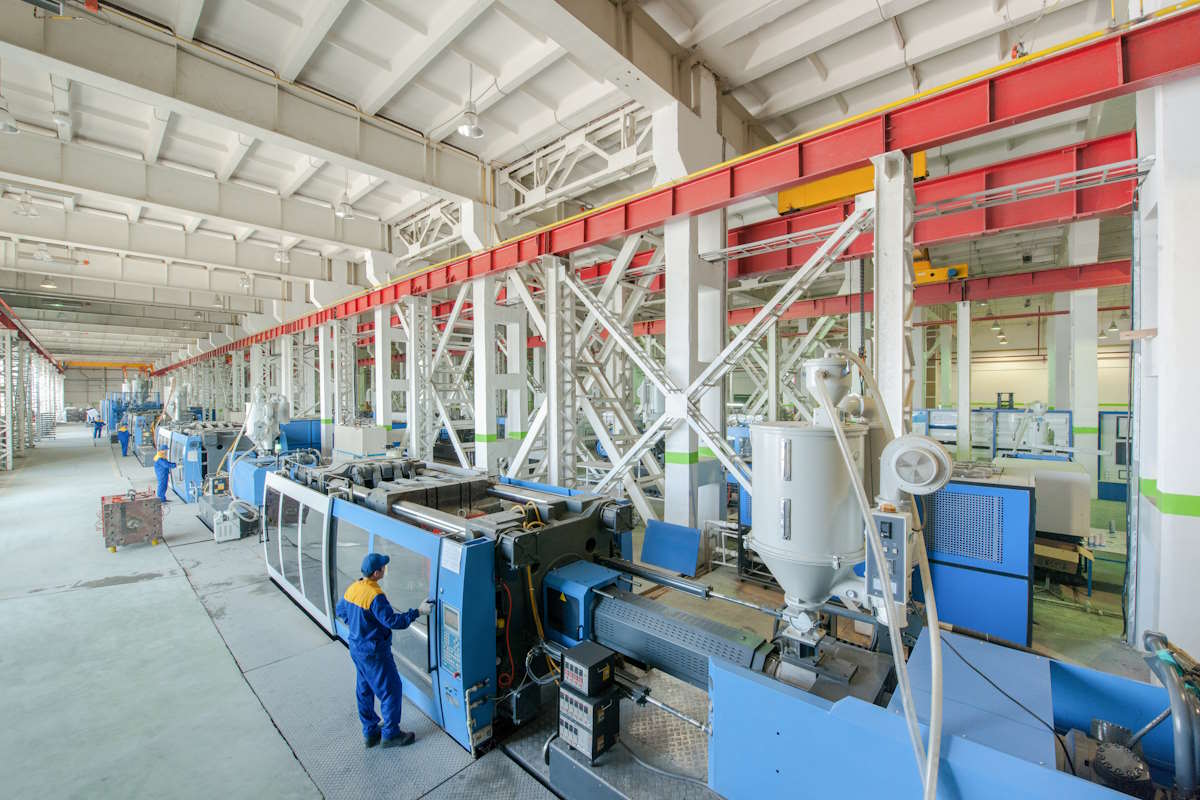
Precision and customization are critical for success. Whether it’s in healthcare, electronics, automotive, or consumer goods, small-part molding plays a vital role in creating components with exact specifications and unmatched quality. Custom small-part molding solutions cater to a variety of industries, offering innovative approaches to manufacturing challenges.

The Importance of Precision in Small-Part Molding

Custom small-part molding is a highly specialized process that focuses on creating intricate components tailored to specific requirements. Whether the need is for high-volume production or prototypes, this approach ensures products meet precise standards. A critical aspect of achieving such precision lies in the design and quality of the injection molding mold parts, which form the foundation of the entire process. These molds are crafted with exceptional accuracy to ensure that every component meets the desired specifications. 

High-quality molds enable manufacturers to produce consistent, reliable parts even at high volumes, making them indispensable in industries like medical devices, automotive, and electronics.

Custom molding also offers unparalleled versatility in materials, allowing manufacturers to choose options tailored to specific demands such as heat resistance, strength, or flexibility. This adaptability ensures that small parts can function seamlessly in even the most demanding applications.

Benefits for the Healthcare Industry

The healthcare industry relies heavily on small-part molding for a wide range of applications, including medical devices, surgical tools, and laboratory equipment. Components used in these applications require strict compliance with regulatory standards and exceptional precision to ensure patient safety and efficacy.

Custom small-part molding enables the production of disposable medical parts, such as syringes, catheters, and diagnostic equipment, that meet stringent hygiene requirements. These components often involve biocompatible materials, which are critical for patient-facing applications. The ability to create parts with tight tolerances ensures seamless functionality in devices like insulin pumps and inhalers.

For the healthcare sector, scalability is another significant advantage of custom molding. The process can easily accommodate high production volumes while maintaining consistent quality, making it ideal for mass production of essential medical components.

Transforming Electronics with Precision Parts

Miniaturization and precision are non-negotiable. From smartphones to wearable devices, custom small-part molding solutions are at the forefront of technological innovation.

Injection molding allows manufacturers to create intricate parts for circuit boards, connectors, and casings with exceptional dimensional accuracy. As electronic devices become smaller and more complex, custom molding ensures that components fit perfectly within compact spaces without compromising performance.

Material selection plays a critical role in electronic applications. Conductive and heat-resistant materials are often required to ensure the durability and reliability of parts subjected to electrical currents and high temperatures. Custom molding also supports the integration of overmolding techniques, where two or more materials are combined to create multi-functional components. This capability is particularly useful for producing ergonomic grips or adding protective layers to electronic housings.

Advancing the Automotive Industry

The automotive industry is a prime example of how custom small-part molding contributes to innovation and efficiency. From engine components to interior features, molded parts play a critical role in enhancing vehicle performance and comfort.

Automotive components often face harsh operating conditions, such as extreme temperatures, vibrations, and chemical exposure. Custom molding solutions provide access to materials that can withstand these challenges while maintaining structural integrity. Parts such as connectors, seals, and housings for electronic sensors are manufactured using injection molding to ensure precision and durability.

The automotive sector benefits from the cost-efficiency of custom small-part molding. The ability to produce large quantities of identical parts at a low per-unit cost makes it an attractive option for manufacturers looking to streamline production while maintaining high quality.

Consumer Goods

In the realm of consumer goods, aesthetics, and functionality are equally important. Custom small-part molding enables manufacturers to produce components that meet these dual demands.

Household appliances, personal care products, and packaging solutions often require unique designs to stand out in a competitive market. Injection molding provides the flexibility needed to create visually appealing components while ensuring they are practical and durable. For instance, parts for kitchen gadgets, beauty products, or packaging closures can be tailored to specific sizes, colors, and textures, meeting both brand and consumer expectations.

Custom molding allows for eco-friendly material options, aligning with the growing demand for sustainable consumer products. By selecting biodegradable or recyclable materials, manufacturers can reduce environmental impact without compromising quality.

Meeting Aerospace Standards with Precision

The aerospace industry demands unparalleled precision and reliability, making custom small-part molding an indispensable solution. From lightweight components for aircraft interiors to high-performance parts for engines, molded parts are integral to the sector’s success.

Given the critical nature of aerospace applications, materials used in custom molding must meet strict certifications for strength, heat resistance, and corrosion resistance. The ability to produce lightweight yet robust components is essential for enhancing fuel efficiency and performance.

Custom small-part molding also supports rapid prototyping, enabling aerospace manufacturers to test and refine designs before full-scale production. This capability accelerates innovation while ensuring all parts meet the rigorous standards required for aviation safety.

The Future of Custom Small-Part Molding

As industries continue to evolve, custom small-part molding is poised to become even more integral to manufacturing. Advancements in technology, such as 3D printing and automated systems, are enhancing the precision and efficiency of the molding process.

The growing emphasis on sustainability is also driving innovations in material science. Manufacturers are exploring bio-based polymers and recyclable materials to meet environmental goals while maintaining high performance. Custom molding solutions are uniquely positioned to adapt to these trends, offering flexible and forward-thinking options for a wide range of industries.

By embracing custom small-part molding, businesses can meet the demands of modern manufacturing with confidence, ensuring they stay ahead in an increasingly competitive landscape. Whether it’s producing life-saving medical devices, cutting-edge electronics, or sustainable consumer goods, the possibilities are limitless.

Why BioLab is Facing Lawsuits and How Can You File One?

The BioLab fire incident in Conyers, Georgia, has led to numerous lawsuits. Understanding the reasons behind these legal actions and how to file your own lawsuit is essential if you are affected. This post breaks down the main issues and explains the process for filing a BioLab claim.  

What Ensued During the BioLab Fire?

The fire at BioLab’s Conyers facility – which produces spa and pool products – began on a Sunday morning. Although the exact cause is not confirmed – reports suggest that water from the sprinkler system reacted with the chemicals stored inside – worsening the situation.

Key points of the incident include.

  • By 11 a.m., local officials asked churches to close their services.
  • Around 1 p.m., about 17,000 residents in Rockdale County were ordered to evacuate.
  • The Environmental Protection Agency (EPA) and Georgia’s environmental division detected a strong chlorine odor near the plant.
  • A shelter-in-place order was issued – impacting nearly 90,000 people.
  • The Conyers chemical fire reignited as responders tried to control it.

The chemical explosion and resulting chlorine fire exposed the community to hazardous fumes – causing health risks and property damage. Many residents reported – breathing problems, eye irritation, and a lingering chlorine smell.

Why is BioLab Facing Lawsuits?

BioLab is currently facing multiple lawsuits for several reasons – mainly centered on allegations of negligence and safety failures.

Negligence in safety practices

The primary reason behind the BioLab lawsuit is the company’s alleged failure to store and handle hazardous chemicals safely. Reports indicate that BioLab lacked proper safety protocols and employee training. These oversights may have contributed to the chemical explosion that endangered workers and residents.

History of incidents

BioLab has a history of chemical incidents. In 2020, a chlorine vapor release from the same company led to evacuations and highway closures. Earlier incidents in 2016 and 2004 also involved chemical fires and required large-scale emergency responses. This pattern of incidents suggests ongoing safety issues – further fueling the BioLab lawsuit claims.

Inadequate emergency response

Critics argue that BioLab did not act quickly enough to inform authorities and the public about the dangers of the chemical fire. Delayed communication and insufficient coordination with emergency services may have worsened the situation – making it harder to control the chemical explosion and protect residents.

Environmental concerns

The chlorine fire and resulting chemical plume have raised concerns about environmental damage. The EPA detected traces of chlorine in the air, sparking fears of soil and water contamination. If proven, these environmental violations could lead to long-term ecological harm and health risks for the local population.

Types of Lawsuits Filed Against BioLab

BioLab victims have filed several types of lawsuits.

Personal injury claims

Individuals who experienced health issues like respiratory problems, eye irritation, or skin damage have filed personal injury claims seeking compensation for medical expenses and emotional distress.

Property damage lawsuits

Residents and business owners whose properties the chemical fire damaged have filed claims for clean-up costs, repairs, and loss of property value.

Class action lawsuits

Groups of affected residents have joined together to file class action suits. This approach helps manage similar claims efficiently and can lead to uniform settlements.

Environmental impact suits

Local governments and environmental organizations may file suits to demand long-term clean-up and monitoring of the impacted area.

How to File a BioLab Lawsuit?

If you or someone you know is suffering from the effects of the Georgia BioLab fire – you may be wondering how to file a BioLab lawsuit. The first step is to contact a law firm experienced in handling chemical explosion injuries. They can help you gather evidence, understand your rights, and file a BioLab claim. Here are the steps you need to follow.

  1. Documenting your health symptoms and property damage.
  2. Collecting any relevant medical or repair bills.
  3. Consulting with an attorney who specializes in environmental or personal injury cases.

Filing a BioLab claim promptly can make a difference in securing compensation for your losses and holding BioLab accountable for its actions.

How Innovation Is Changing the Beverage Industry Worldwide

As the beverage industry continues to evolve, companies are embracing new methods to create unique products that cater to diverse tastes. The advent of digital technology is also reshaping how beverages are produced, marketed, and consumed around the globe.

With these developments, consumers now enjoy beverages that are more environmentally friendly and optimized for health and convenience. Let’s explore some of the key innovations that reshape the beverage landscape.

Sustainability in the Beverage Industry

As climate change becomes a pressing issue, sustainability has taken center stage in the beverage industry. Companies are now focusing on reducing their carbon footprint across every aspect of production. Some products like the Click Cap resealable can end use renewable energy sources that minimize water usage and develop environmentally friendly packaging solutions compared to a standard end. Sustainable practices are not just beneficial for the planet; they also resonate with consumers who are increasingly making eco-conscious choices. 

Research indicates that consumers are willing to pay more for products that are sustainably produced. Consequently, a significant number of beverage companies are branding themselves as eco-friendly to attract a larger customer base.

Technological Advances in Beverage Production

Modern manufacturing techniques streamline processes, reduce waste, and enhance product quality. Automation in bottling and canning lines boosts efficiency and allows companies to meet growing consumer demand without compromising on freshness. Advancements in flavor extraction technology have enabled manufacturers to create unique drinks with complex flavors while minimizing sugar content.

Innovations like blockchain are changing ingredient sourcing, ensuring transparency and ethical practices in the supply chain. Consumers appreciate knowing where their beverages come from.

Health-Conscious Consumer Trends

In recent years, the focus on health and wellness has led to a surge in demand for health-oriented beverages. Consumers are scrutinizing labels and seeking out products that offer functional benefits. This shift is evident in the rise of beverages fortified with vitamins, probiotics, and adaptogens, which cater to a more health-conscious market. Lower-sugar options find favor among consumers desiring to reduce their sugar intake, a pressing health concern linked to obesity and diabetes.

As small producers offer unique and often healthier alternatives to mainstream drinks, craft beverages emphasize natural ingredients and transparency, appealing to those desiring authenticity in their consumption choices.

The Rise of E-Commerce in Beverage Sales

Thanks to the rise of online shopping, beverage companies are optimizing their digital presence to capture consumer attention. E-commerce allows for a broader reach and enables brands to connect directly with consumers without relying solely on traditional retail outlets.

Subscription services are another innovation that’s gaining traction: these services cater to consumers’ preferences by delivering customized selections directly to their homes. This convenience factor ensures that customers never run out of their favorite beverages while also exposing them to new products that align with their tastes. Many brands are leveraging platforms like Instagram to showcase stunning visuals of their products, creating a desire among consumers to discover and try these beverages.

Adapting to Global Flavors and Trends

Globalization has sparked a blending of cultures, giving rise to a phenomenon where flavor profiles from different regions permeate the beverage industry. Consumers have become more adventurous, so they increasingly seek out unique tastes that reflect various culinary traditions. This has led to the enhanced popularity of beverages inspired by global cuisines, such as Asian bubble teas, Mexican aguas frescas, and European craft beers.

Innovation has also spurred the development of fusion beverages that combine elements from different traditions, resulting in exciting new products. Beverages featuring unexpected ingredients like turmeric or matcha cater to health-conscious consumers and introduce interesting flavors. These innovations illustrate how beverage companies are continuously experimenting to meet consumer demands in a multicultural and interconnected world. Even cross-border collaborations are becoming commonplace, with companies partnering to create limited-edition products that highlight specific cultural influences. It’s a strategy that resonates well with consumers seeking novelty and inclusivity.

The Impact of Social Media on Beverage Marketing

Platforms like Instagram, TikTok, and Facebook serve as powerful tools for reaching target audiences in creative ways. Beverage companies now utilize eye-catching visuals, storytelling, and influencer partnerships to promote their products and build brand loyalty. As a result, having a strong social media presence has become essential for brands to thrive. Influencer marketing, in particular, has gained traction, given the trust and relatability that influencers often embody. 

Collaborations with popular influencers enable brands to tap into their followers and showcase their drinks in authentic, engaging contexts. This practice boosts visibility and fosters a community around the brand, allowing it to connect with consumers meaningfully.

Social media platforms provide excellent feedback loops, enabling brands to interact with customers directly and adjust their offerings based on consumer preferences. The immediate customer feedback fosters stronger relationships, informs product innovation, and results in offerings that consumers genuinely desire.

As innovation continues to shape the beverage industry, producers must embrace change and adapt to evolving consumer demands. Companies that prioritize sustainability, health, and technological advancements will likely thrive and resonate in an increasingly competitive market. The collaborative nature of these innovations fosters an engaging experience for consumers and highlights the industry’s commitment to growth and development.

Hacking Minesweeper: Tech-Savvy Sweeping

In the modern digital world, few areas have been touched by technology, so much so that it influences how we live our lives and even 1000 Mines. This course text is a guide. You will discover how technology has given Minesweeper players more depth and dimension in an experience transcending time. However, as we delve further into the juncture between technology and Minesweeper, you will be presented with how technologies, from essential software upgrades to intensive algorithms, can improve your in-game skills. In this article, we will enhance your involvement with Minesweeper and provide a view of the recent technological advances directly employed to enhance recreation digitally and in other sectors.

The new Ancient Interfaces and User Experience upgrades

One of the first steps in using technology to dominate Minesweeper is knowing everything from the development and evolution of interface types for games up until contemporary game user experience (UX) design. Minesweeper has come a long way since those early times, with modern versions being anything but simple. In this part, we will see how I have used modern UX/UI design concepts for Minesweeper to bring more clarity in visual direction and responsiveness to user interaction. In this article, we dive deeper into some of these features, including customizable grids and adjustable difficulty levels, as well as the touchscreen capabilities that make playing Minesweeper on different devices more fun.

Analytical Tools and Software

If you want to take your Minesweeper skills seriously, there are a bunch of analytical tools and programs that people have devised to help with the decision-making process. This article’s final section will list pieces of visualized software that can analyze a Minesweeper grid and propose ideal moves given some probability/pattern recognition. Using these instruments, players can hear case studies and simulate lessons in which they see what works while learning about typical traps and how they can be used as training grounds to help you think faster on your feet and practice deductive reasoning skills.

A.I. / Machine Learning

Artificial Intelligence (A.I.) and Machine Learning capabilities in the quest to become a professional Minesweeper master have so much depth. The second half of this section also talks about how A.I. is used to create improved algorithms that are more effective at playing Minesweeper and educating human players on better strategies. We will talk about how A.I. models learn patterns and formulate predictions that are orders of magnitude better than the average human player. We will also examine some cases where A.I. has been applied in solving Minesweeper games, showing the power these technologies have to change with problem-solving, which can be approached both inside and outside gaming.

Community & Multiplayer Platforms

Technology has provided Minesweeper with a more extensive reach in terms of how we play the game and interact with other players from around the world. This episode goes deeper into the online communities and multiplayer platforms that connect Minesweeper fans, enabling them to compete and share tips. We will consider some online forums, specialized Minesweeper websites, and multiplayer apps that allow you to play in real-time with other players in a more dynamic environment. We will look closer at how users benefit from social features like leaderboards and tournaments as enthusiasts set the tone of the Minesweeper community.

Final Thoughts on Minesweeper and Technological Implementation

More technology is coming to Minesweeper, so stay tuned for many unique ways this will be possible. Our last section will look at what technological breakthroughs could be made in the future when playing Minesweeper. From three-dimensional virtual reality (V.R.) environments enabling players to truly interact with the game worlds around them, right back through more advanced A.I. that can alter and customize difficulty settings on the fly, there could be a great many advancements in this area that are both extremely interesting and limited only by our imaginations. Below, we will talk more about how these technologies could enable new gameplay in games- Forcing a minesweeper into online life is an interactive and immersive endeavor.

Conclusion

Here, we have visited some technical improvements that give a new touch to the old but gold game classic Minesweeper. With more polished user interfaces and analytical tools at our fingertips, alongside the ground-breaking promise that A.I. has brought to gaming (and V.R. as well), Minesweeper is no longer a simple game of finding out where mines are under just one click but rather evolved into something more decadent in complexity. Technology will continue to advance so that the Minesweeper of tomorrow strikes an equilibrium with our ever-more complicated gadgets. For beginners and veteran players, these new methods of utilizing technology with Minesweeper can only up your game and make the playing experience more rewarding.

Use 3D Mapping to Rocket your Next Event into the Stratosphere!

Small-Sized Indoor Projections: Changing the Game for Cafe, Restaurant, and Club Owners

How do you make a small show into a great show? Make it amazing! And what can be more awe inspiring than an impactful mult-media 3d light show from Magic Innovations the unqualitified leader of the industry.

People love to be entertained by light. If you own a cafe, restaurant, or club and want to make it more exciting, small indoor projections can help you. Video Mapping, 3d technology, moving media combined with sound and an all-encompassing show will stun your clients and amaze your fans. Be different!

Think about this: when people enter your venue, they see bright butterflies or ocean waves on the walls, not just plain colors. You can use 3D mapping to make any place more fun. It will give customers a memory they remember for a long time.

Large-Scale Architectural Projections: Creating a Visual Spectacle

There is no limit to how big magicinnovations.com can handle. From the tallest building in the world, to the widest stadium, light can create and transform buildings and statues. It looks amazing. Imagine huge animals, skaters, and jungles on city buildings. This is very emotional for people who see it.

A big example is the New Year’s show on the Burj Khalifa. It is the tallest building, and it shows beautiful lights and colors. These big shows show how strong 3D mapping is. The people who make them do a lot of work to make them special.

Event planners like to use new ideas to get people excited, and 3D mapping is becoming popular. Video mapping makes events feel like a different world, whether for business events or music festivals.

You can use small projections in a room or big projections on buildings. 3D mapping at events has many possibilities. It can be expensive, but the result is worth it.

Getting People to Notice and Come

3D mapping grabs people’s attention at trade shows. There are many people and too much to see at these events. 3D mapping stands out and keeps people interested. It can be loud and busy there.

This can bring in more people, some of whom might not have planned to come. The event gets talked about more and becomes famous. 3D mapping leaves a strong memory with the people who come.

Making Places Feel Real and Fun

3D mapping also makes places feel real and fun. It uses images and sounds on walls and floors. Event planners can show different experiences.

Think of a trade event for an eco-friendly cleaner. 3D mapping can transform event spaces into lush forests. Trees can be projected on the walls, and bird sounds can be heard. This makes people feel close to the product, and they are more likely to talk about it later.

Event Spaces Change with 3D Mapping

Event planners use 3D mapping to change spaces to match themes. They work with experts to plan and make these spaces look right.

A tech trade event might look like a city of the future with 3D mapping. There could be holograms and techno music. 3D mapping takes people to new places, making trade events more special and hard to forget.

Where 3D Mapping Began

Amusement parks first used 3D mapping. Disneyland’s Haunted Mansion did this in 1969. They filmed singers and put the video on fake busts.

Disney saw this and got the first patent for projection mapping. General Electric got a patent for a system that put computer model images on objects.

The way it works is not hard. Like films on a cinema screen, video mapping shows videos on walls or floors. But it is different because it does not just put the video on flat areas. The software for video mapping can put the video on curved or oddly shaped things.

Video mapping has changed a lot since the 1980s. It can make any space into a place that surprises people. Video mapping can change how we interact with our surroundings.

Planning and Making Your Event Theme:

For a successful 3D mapping in trade events, careful planning and making it fit your theme are important. Working with experts helps make your vision real and match your event’s theme. Video mapping can change any place for business gatherings or music shows.

A key part of 3D mapping is making a theme that connects with people. Telling a story with pictures involves the audience more and makes the experience unique. For instance, a music-themed event could show notes and instruments as projections, creating an exciting atmosphere. With 3D mapping, there are many ways to do this.

Technical Things to Think About: Picking the Best Projection and Tools

You need to think about your event size when choosing the projection size. A more minor event may just need a small inside projection. However, a big event with many people may need a giant building projection.

It is always essential to use the right tools for your chosen projection. The show has video projectors, mapping software, and a team of technicians. They all make sure everything works well.

Your Event Vision Comes to Life

You must have a clear plan for your show on the event day. This plan sets up tools, checks projections, and ensures all is good. When people come, the projection show starts. It makes them feel like they are in another world.

Talking with the people who come is key. You can tell them to take photos and put them on social media. This makes your event popular. If you make an exciting show, people will

Event Planners Think About Using 3D Mapping

Event planners should think about using 3D mapping. It makes your trade show unforgettable. You can map on buildings, make a room feel special, or take people to a new place. Video mapping has many options. Before you start, you must think about the technical parts of 3D mapping. You need to work with experts who know about the topic, pick the correct tools, and make a theme that fits your event’s aims. If you plan well and do things correctly, 3D mapping can change your event.

Bitcoin’s Role in Enhancing Resilience in Disaster-Prone Regions

In recent years, the integration of digital solutions into disaster management and recovery has seen remarkable growth. Among these solutions, Bitcoin has emerged as a significant tool, particularly in regions frequently affected by natural disasters. This blog post explores how Bitcoin and its underlying technology can offer robust solutions and support to areas that are vulnerable to natural catastrophes.

Introduction to Bitcoin and Its Relevance in Disaster-Stricken Areas

Bitcoin, a leading cryptocurrency, operates on a decentralized platform known as blockchain. This digital currency offers unique advantages that are particularly useful in disaster-prone areas. Unlike traditional banking systems, Bitcoin operates independently of centralized financial institutions. This attribute makes it an invaluable tool in scenarios where conventional financial systems fail or are temporarily shut down due to natural disasters.

Accessibility and Speed of Transactions

One of the primary advantages of Bitcoin in disaster-stricken regions is its accessibility. In the aftermath of a disaster, banking and financial infrastructures can be severely disrupted. Bitcoin, however, remains accessible as long as individuals have access to a smartphone and the internet. This level of accessibility ensures that people in affected areas can receive funds from anywhere in the world, facilitating immediate relief and support without the typical delays associated with traditional banking systems.You can also explore bit 24 proair for further information.

Overcoming Geographical and Infrastructural Barriers

In many remote or rural areas, the presence of banks and ATMs is limited. Natural disasters can exacerbate this issue, isolating communities and making it difficult for aid to reach them through conventional means. Bitcoin transactions can be completed anywhere, eliminating the need for physical banking infrastructure. This is particularly vital in delivering aid efficiently and effectively, ensuring that help reaches those in need swiftly.

Swift Cross-Border Donations

Bitcoin allows for instantaneous cross-border transactions with minimal fees. This feature is crucial during emergencies, as it enables global humanitarian organizations to transfer financial resources directly and quickly to disaster-affected areas. Traditional methods often involve complex foreign exchange processes, high fees, and delays, but Bitcoin simplifies these transactions, making it easier to provide immediate support.

Enhanced Security and Transparency

Blockchain, the technology behind Bitcoin, offers enhanced security and transparency—two attributes critically important in disaster response. Transactions made with Bitcoin are recorded on a public ledger, providing a transparent, immutable, and secure record that can help prevent fraud and ensure that aid is used appropriately.

Fraud Prevention in Aid Distribution

Transparency is crucial in maintaining the integrity of aid distribution. The blockchain’s ability to keep transparent records helps organizations track where and how funds are spent. This visibility is vital for donors who want assurance that their contributions are going directly to the victims and for the recipients who need to trust that the aid promised is indeed on its way.

Secure Transactions Even in Unstable Conditions

The robust security protocols of Bitcoin prevent tampering and fraud. In disaster scenarios, where typical security infrastructures might be compromised, Bitcoin provides a secure way to conduct transactions. This security is essential not only for sending aid but also for restoring economic activities by allowing residents and businesses to transact despite the prevailing chaos.

Economic Empowerment and Resilience Building

Bitcoin’s role extends beyond immediate disaster response. It plays a significant part in building long-term resilience in disaster-prone areas by facilitating economic empowerment.

Fostering Financial Inclusion

A significant percentage of the population in disaster-prone regions may not have access to traditional banking. Bitcoin can offer these individuals a way to participate in the global economy. This inclusion aids not just in immediate disaster recovery but also in building a more sustainable economic future for the community.

Supporting Local Economies

Following a disaster, local economies are often devastated, with recovery taking years. Bitcoin can help speed up this process by enabling small and medium-sized enterprises (SMEs) to access global markets. By bypassing traditional financial barriers, local businesses can recover and grow faster, thus bolstering the local economy and enhancing community resilience against future disasters.

Challenges and Considerations

While Bitcoin presents numerous benefits, there are challenges to its adoption in disaster-prone regions. These include volatility in value, regulatory issues, and the digital divide that may limit access to technology. Addressing these challenges is essential for maximizing the benefits of Bitcoin in these vulnerable areas.

Tackling Volatility and Regulatory Hurdles

Bitcoin’s price volatility can be a double-edged sword. While it can increase the value of donations, it can also lead to significant losses. Regulating cryptocurrency to ensure stability and protect users is also an ongoing challenge that requires international cooperation and coherent policies that support its use in disaster management.

Bridging the Digital Divide

For Bitcoin to be truly effective in disaster response, efforts must be made to increase digital literacy and access to technology. Building infrastructure that can withstand disasters and provide continuous internet access is also crucial for Bitcoin’s effective implementation.

Conclusion

Bitcoin and blockchain technology offer transformative potential for managing disaster response and recovery. By providing an accessible, secure, and transparent means to transfer funds and empower local economies, Bitcoin can play a pivotal role in enhancing the resilience of disaster-prone regions. However, to fully harness these benefits, concerted efforts are needed to address its challenges, promote wider adoption, and integrate these technologies into traditional disaster management strategies. With thoughtful implementation, Bitcoin can not only provide immediate aid during disasters but also contribute to the long-term recovery and resilience of vulnerable communities.

In conclusion, as we advance in our understanding and implementation of cryptocurrencies like Bitcoin in disaster management, it becomes clear that this technology holds the key to not just surviving, but thriving in the face of natural calamities.

Benefits of Working With a Reputable Local Property Development Company

Working with a local commercial property development company offers numerous benefits, especially in the context of nuanced market dynamics and regional regulatory landscapes. Local developers bring a depth of market-specific knowledge and networks that can significantly enhance the value and success of a commercial real estate project. Here are key advantages:

1. In-Depth Local Market Knowledge

Local developers have a deep understanding of the specific commercial real estate market, including consumer behavior, demand patterns, and competitive landscape. This insight is invaluable for tailoring your project to meet local needs and capitalize on market opportunities.

2. Established Relationships and Networks

Local Authorities and Regulatory Bodies: Local developers often have established relationships with city planners, zoning committees, and other regulatory bodies, which can facilitate smoother approval processes and insights into future urban planning initiatives.

Vendors and Contractors: Access to a trusted network of local contractors, suppliers, and service providers can ensure quality workmanship and potentially better pricing due to long-standing relationships.

Leasing and Brokerage Networks: Strong ties with local leasing agents and brokers can expedite the leasing of your developed property, tapping into pre-existing demand within their networks.

3. Expertise in Local Regulations and Zoning Laws

Navigating the regulatory environment is critical for any development project. Local developers bring expertise in regional zoning laws, building codes, and compliance requirements, reducing the risk of costly delays or legal challenges.

4. Community Integration and Reputation

Community Ties: Local developers are often more invested in the long-term well-being and development of the area, which can lead to projects that are more considerate of community needs and impacts.

Reputation: A local developer with a positive reputation in the community can lend credibility to your project, facilitating community acceptance and support.

5. Customized and Flexible Solutions

Understanding the nuances of the local market allows local developers to offer more customized solutions that are aligned with specific project goals and market demands. Property developers who are knowledgeable and active in the local municipality is an important factor. They understand and interpret the local land use ordinance as well as navigate the most efficient manner to submit the business requirements to local government.

6. Economic and Social Impact

Working with a knowledgeable property developer not only supports the local community and its economy but also resonates with those who are intricately involved with local development authority. Further, it contributes to the social fabric of the community by creating jobs, enhancing local infrastructure, and potentially providing needed services or amenities.

7. Efficient Project Management

Local developers can provide more hands-on, day-to-day management and oversight of your project, ensuring that timelines, budgets, and quality standards are met. Proximity allows for quick responses to issues and more personal involvement in the project’s success.

8. Risk Mitigation

Familiarity with the local economic climate, real estate trends, and potential market risks allows local developers to anticipate challenges better and devise strategies to mitigate risks associated with the development process.

Ending — 

Partnering with a local commercial property development company offers strategic advantages through their market insight, established networks, and expertise in navigating local regulations. Such collaboration and cooperation leads to projects that are not only successful from an economic perspective but also involve local and community investment in factors that enhance local business and consumer participation.  When selecting a development partner, considering their local knowledge, reputation, and commitment to community integration can be as crucial as assessing their technical capabilities and financial stability.