Taking family road trips or navigating daily city commutes requires frequent pit stops along busy highways and urban avenues. Stepping out onto a wet, oily parking lot can instantly ruin a clean pair of shoes or cause a sudden slip. Fuel stops handle heavy vehicle traffic, unpredictable weather, and chemical drips around the clock. Modern channel systems capture liquid runoff before standard puddles form across active walking paths.
Stopping Slip Hazards Near the Pumps
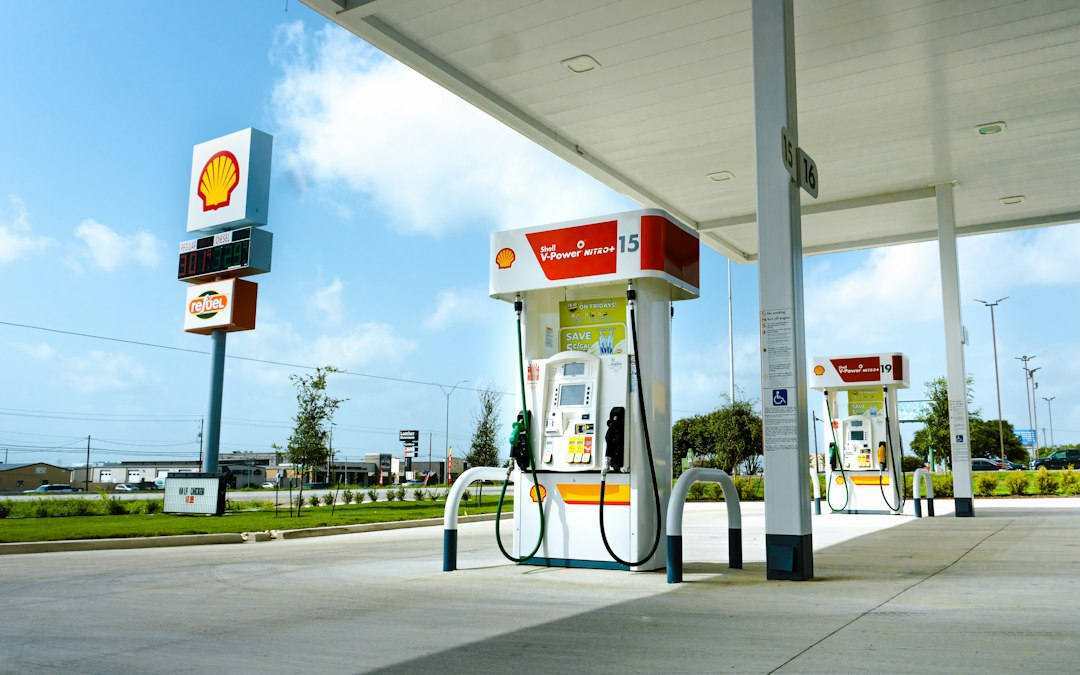
Rain and spilled fluids quickly transform smooth concrete lots into slick hazards for parents unloading kids from SUV backseats. Upgrading to modern gas station drainage systems channels surface runoff away before footwear loses grip near the island. Clean walking paths give family drivers total peace of mind during late-night fueling stops.
Wet concrete combined with leaked engine fluids creates invisible slick spots around fuel dispensers. High-volume channels draw standing liquid off the pavement surface immediately. Fast water removal protects children wearing fresh sneakers and parents carrying heavy armfuls of road trip snacks.
Slick surfaces near pumps create liability issues for station owners and immediate dangers for busy parents. Channel grates create a dry barrier zone where foot traffic is heaviest. Families move comfortably between pump bays and retail store doors without dodging deep puddles.
Intercepting Runoff Before It Spreads
Water accumulation across active drive lanes creates messy splash zones for arriving motorists and pedestrians. Recent industry design guidelines note that linear surface channels catch liquid before water migrates into high-traffic drive lanes or customer walkways. Placing channels directly across access points forms a continuous barrier against migrating surface fluids.
Uncontrolled water movement spreads oil residues across wide concrete pads. Continuous surface drains trap surface wash before liquids reach high-density foot traffic areas. Keeping water isolated to defined collection channels prevents broad surface contamination across the lot.
Strategic placement near entry aprons stops off-site stormwater from washing across fueling bays. Perimeter channels direct heavy rainwater into storm lines rapidly. Clean lot perimeters reduce splash spray onto recently washed vehicles and family minivans.
Heavy Duty Protection for High Traffic Lanes
Fuel stops experience continuous stress from massive transport vehicles, delivery vans, and oversized rigs. Technical equipment specifications indicate that surface grates must maintain structural integrity against heavy fuel delivery trucks[cite: 1]. Standard residential grates crack under heavy commercial loads, creating dangerous jagged gaps.
Heavy commercial steel and cast grates absorb repeated heavy wheel impacts without bending or shifting. Sturdy grate locking mechanisms keep components firmly anchored in place as large dual-tire vehicles pass overhead. Reliable channel covers prevent deep tire rutting and maintain flat driving surfaces across the station footprint.
Engineered channels withstand constant thermal expansion caused by seasonal climate shifts. Solid surface support keeps heavy vehicle traffic moving safely without disrupting underlying trench channels.
Materials Built for Chemical Resistance
Gasoline, diesel fuel, and automotive solvents quickly degrade standard concrete channels over several years. System manufacturer documentation reveals linear drainage channels built with specialized polymer concrete resist harsh chemical elements present at fueling facilities. Corrosion-resistant channel materials preserve structural strength through decades of continuous fuel exposure.
Non-porous channels prevent petroleum liquids from soaking into underground soil layers or surrounding bases. Smooth internal channels accelerate liquid flow rates toward proper oil-water separation equipment. Long-lasting composite materials lower long-term maintenance costs for commercial property managers.
Resistant resin channels eliminate internal surface pitting that traps foul odors and stagnant runoff. Clean interior walls prevent sludge accumulation during dry summer spells.
Practical Upgrades for Urban Fuel Hubs
Urban gas stations require specialized design choices to keep dense city foot traffic moving smoothly. Modern surface grates offer multiple practical benefits for everyday city drivers:
- Heel-proof grate slots prevent high heels and narrow shoe treads from catching.
- ADA-compliant slot widths allow smooth passage for strollers and wheelchairs.
- Skid-resistant textured top surfaces provide extra foot traction during winter rainstorms.
- Integrated trash baskets catch fallen leaves and plastic wrappers before underground pipes clog.
Urban parents pushing strollers appreciate flat transition zones across fueling islands and store walkways. Clean channels mean less dirt tracked onto pristine car floor mats after fill-ups.

Simple Maintenance for Station Operators
Maintaining clean channel drains requires minimal downtime for station employees during routine shifts. Removable grate panels allow quick cleanout access using standard high-pressure water hoses or shop vacuums. Clear flow paths prevent backed-up water from accumulating during sudden torrential summer downpours.
Routine seasonal inspections keep channel systems clear of road grit, autumn leaves, and winter salt residue. Clean collection points protect local stormwater systems from sudden fuel spill runoff. Station owners maintain safer, cleaner properties and provide a better customer experience for every visiting driver.
Safe fuel stops rely on durable surface management to handle daily commuter traffic. Proper channels collect hazardous liquids before puddles reach active foot traffic zones. Investing in heavy-duty channel drainage creates safer, cleaner spaces for every family on the road.