How Commercial Roof Care Protects Enterprise Property

photo-1768677432858-b9a8608dd849

Managing enterprise real estate requires rigorous asset management and continuous operational oversight. Commercial properties represent substantial capital investments, but physical structures face unrelenting environmental pressures every season. Protecting building envelopes against weathering keeps daily business operations running smoothly without unexpected budget shocks. Strategic physical maintenance aligns directly with corporate risk management and financial planning.

Structural Preservation Strategies for Enterprise Facilities

Commercial properties feature specialized architecture built for large footprint operational requirements. Managing flat and low-slope roof systems demands tailored inspection schedules and proper drainage design. Drainage paths must remain clear of debris to prevent standing water from weakening structural materials. Facilities teams that track structural conditions systematically avoid severe building degradation over multi-year operational cycles.

Facility managers integrate physical asset tracking into broader business management systems to streamline maintenance workflows. Data-driven maintenance scheduling guarantees field technicians complete routine inspections without missing critical building areas. Keeping digital logs of structural conditions gives operations executives clear historical records across multi-site property portfolios.

Integrated management software allows facility leaders to sync inspection data directly with asset lifecycle plans. Automated alerts notify operational teams when scheduled preventative service dates approach for specific facilities. Streamlined communication between field technicians and central offices prevents minor maintenance tasks from falling through administrative cracks.

Financial ROI of Preventive Care

Capital expenditure planning depends on accurate forecasting of physical facility care costs. Shifting from reactive emergency fixes to structured care provides predictable operational expense lines. Industry studies from Silverrock Roofing indicate that regular maintenance costs 5 to 10 percent of what emergency repairs or premature replacement would cost. Operational management data from Re-leased demonstrates that transitioning from reactive to preventive maintenance reduces total repair expenditures by approximately 40%.

Commercial assets benefit from planned interventions rather than sudden structural emergencies. Regular inspections catch minor wear before moisture breaches interior spaces or production equipment. Maintaining structural integrity protects physical inventory, manufacturing machinery, and office technology infrastructure.

Predictable maintenance budgets allow financial officers to allocate capital toward strategic enterprise growth initiatives. Unscheduled emergency repairs disrupt quarterly cash flows and force unexpected operational reallocations. Proactive upkeep stabilizes operating cash flow across active enterprise facilities.

Energy Efficiency and HVAC Workload Optimization

Building performance ties directly to thermal integrity. Moisture intrusion reduces insulation value and creates higher thermal conductivity across upper building floors. A detailed analysis by iFactoryApp highlights that high saturation areas correlate with a 40% to 60% loss in building energy efficiency, driving up HVAC workload. Managing envelope moisture keeps corporate power utility bills within expected operational thresholds.

Higher mechanical workload accelerates equipment wear and leads to premature mechanical replacement. Enterprise managers who track energy consumption patterns notice immediate improvements when structural repairs eliminate thermal gaps. Lower energy expenditure directly supports corporate profitability and sustainability targets.

Commercial roofing industry surveys by Roofing Contractor report that robust sales pushed 66% of commercial roofing contractors to report increased growth in total sales volume. This growth reflects increased corporate capital allocation toward commercial property protection and structural upgrades.

Risk Mitigation for Enterprise Real Estate

Corporate risk management frameworks include physical facility resilience against severe weather events. Facility operations must adapt to local environmental exposures to safeguard business continuity across all enterprise sites. Research published by FacilitiesNet notes that matching property design to regional hazards like wind speed, hail risk, and sun exposure keeps structures resilient. Corporate insurance providers often require documented physical maintenance records to validate coverage claims.

Operational continuity relies on dry workspaces and uninterrupted business activities. Unplanned physical leaks disrupt server rooms, administrative areas, and manufacturing floors. Documented property care demonstrates prudent management to corporate board members and insurance adjusters.

Core Elements of Routine Facility Protection

Sustained building health requires systematic attention to specific vulnerable structural points. Facility management teams establish routine inspection checklists to maintain operational reliability across portfolio locations. Effective upkeep programs prioritize several operational areas:

  • Checking protective membranes for physical punctures or surface wear
  • Clearing perimeter scuppers and internal drain lines to support rapid drainage
  • Re-sealing flashing joints along edge parapets and HVAC equipment curbs
  • Documenting surface condition changes after heavy storm events

Addressing these vulnerable components on a fixed schedule prevents widespread moisture intrusion. Property managers protect interior operational assets without creating costly operational delays.

Long-Term Asset Valuation and Life Extension

Enterprise property values reflect both current income generation and physical asset condition. Extending useful component lifespans maximizes return on capital investments over long holding periods. Consistent physical care preserves property resale value and strengthens lease negotiations with premium enterprise tenants.

Preserving existing physical structures reduces corporate carbon footprints and raw material consumption. Long-term facility planning balances annual operating costs against multi-decade asset replacement schedules. Well-maintained enterprise properties command higher market valuations and maintain high tenant retention rates.
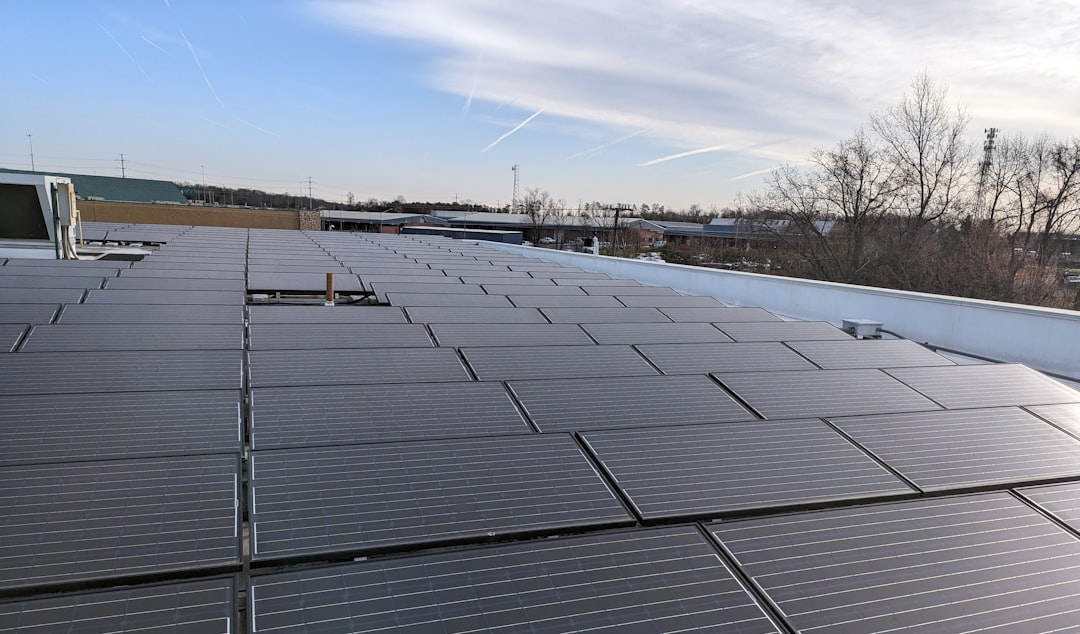
photo-1713544123580-12096cc9eb12

Property managers who prioritize systematic care safeguard enterprise balance sheets and maintain daily operational stability. Integrating structural maintenance into routine facility operations protects capital assets from avoidable depreciation. Proactive corporate stewardship turns physical asset care into a measurable operational advantage.

Tech Hacks to Track and Lower Home Energy Use

Managing monthly utility costs often feels like a constant guessing game for modern homeowners. Smart home tools now offer detailed visibility into daily power usage across every room. Connected sensors and central synchronization software allow residents to track real-time consumption directly from mobile devices. Implementing strategic hardware upgrades trims monthly bills without sacrificing household comfort.

g0b09a4d869e7fd5468dccefc970c7be93aa034665457a5b122e3b8f9cedd4dcca97c838fe7765c37a3754b3198dbdd2b16573a5def0e38e1ab58fd76980d4c4c_1280.jpg

Optimizing Heating and Cooling Performance

Maintaining proper climate equipment performance stands as a top priority for domestic energy efficiency. Clean filters, sealed ductwork, and balanced airflow keep central HVAC units running smoothly during severe seasonal temperature swings. Neglected equipment forces fans and compressors to draw unnecessary electric current.

Skipping routine maintenance causes system components to labor harder and suffer premature wear. Homeowners often schedule annual tune-ups with trusted heating and cooling specialists to prevent hidden efficiency losses and keep utility bills low. Professional technicians catch minor mechanical friction before it converts into excessive monthly expenditure. Scheduled inspections keep heating units operating at peak efficiency throughout the year.

Addressing minor airflow restrictions early prevents costly repairs down the road. Replacing dirty filters every quarter maintains optimal air volume without straining equipment motors.

Automating Temperature Schedules

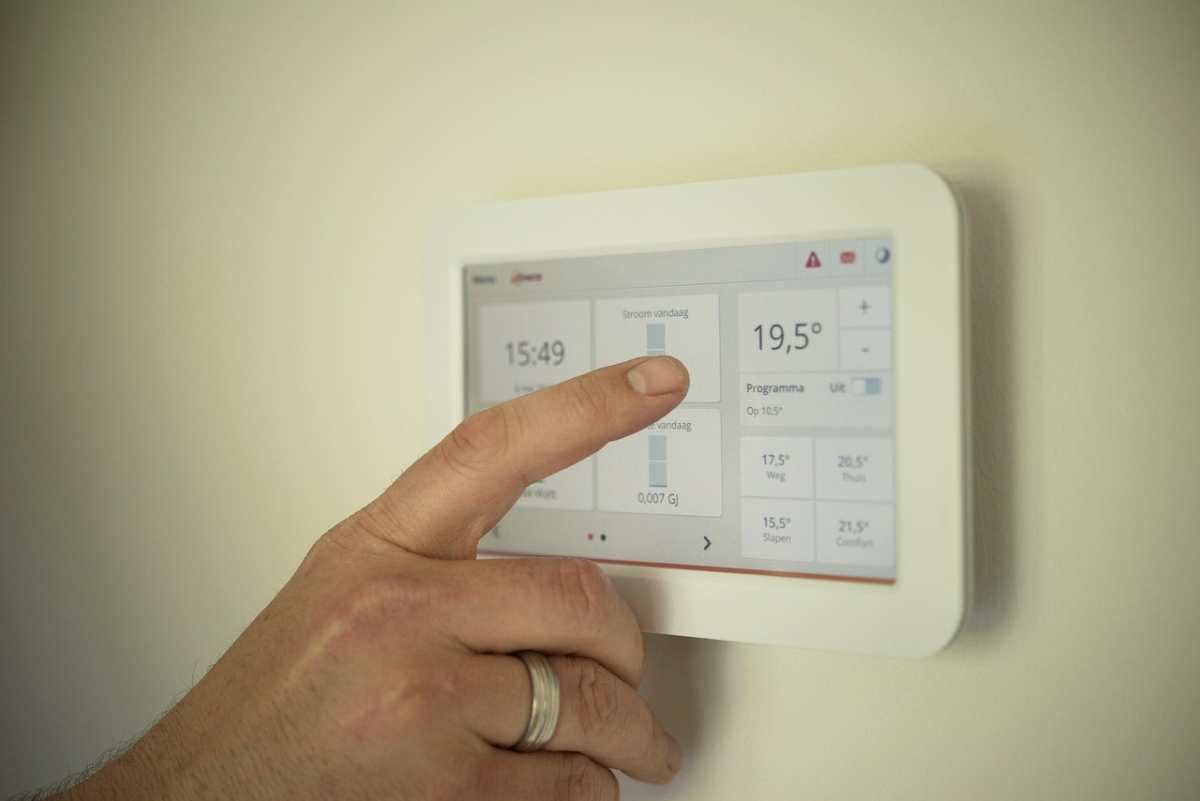
Manual thermostats demand constant user attention and frequently remain stuck on inefficient settings. Upgrading to programmable or learning devices removes the need for manual temperature adjustments.

Residential upgrade research demonstrates that installing smart thermostats alone reduces climate management costs by up to 20%. These smart devices build dynamic daily schedules based on actual family routines. Data from federal energy guides indicates that dropping or raising indoor temperatures by 7 to 10 degrees for 8 hours daily can shrink yearly climate control expenses by up to 10%. Automated setback schedules lower consumption during work hours and sleeping times.

Modern smart thermostats adapt quickly to changing seasonal conditions and unexpected weather shifts. Users control indoor temperatures remotely through mobile software interfaces. Creating customized heating schedules prevents unnecessary energy draw when rooms sit empty.

Whole-Home System Integration

Connecting isolated smart devices into a unified network unlocks deeper tracking capability across the residence. Integrated platforms bring climate control, smart lighting, and connected power outlets into a synchronized operational dashboard.

Leading tech benchmarks for 2026 show that modern smart home systems seamlessly connect devices into a single integrated ecosystem, allowing full control via a smartphone or voice commands. Centralized visibility makes finding high-consumption hardware effortless. Smart home efficiency data indicates connected residences consume roughly 30% to 40% less energy on average compared to traditional setups. Central sync software helps users automate complex routines.

Cross-device communication allows smart lighting and climate controls to coordinate actions based on room conditions. Automated routines lower window shades when outdoor temperatures rise, keeping indoor areas cool naturally.

Real-Time Appliance Energy Monitoring

Installing dedicated electrical monitoring hardware provides immediate insight into exact power draws across individual circuits. Main panel monitors record live voltage fluctuations and transmit itemized metrics directly to connected software apps.

Property tech analyses point out that smart power monitors break down individual device draw, flag peak usage hours, and provide tailored conservation tips. Tracking detailed metrics helps identify problematic equipment before power waste escalates:

  • Smart plugs log instant wattage for standalone electronics, desk gear, and kitchen appliances.
  • Panel monitors detect phantom loads from sleeping computers and entertainment systems.
  • Historical charts show exact power spikes during high-tariff peak usage windows.

Eliminating hidden standby consumption protects sensitive equipment and reduces passive power loads. Clear data charts make energy conservation straightforward for every family member.

Geofencing and Presence-Based Control

Fixed operational timers struggle when daily personal schedules shift unexpectedly. Location-aware automation adjusts climate gear based on actual smartphone proximity rather than rigid clock timers.

A home automation report highlights that pairing slight temperature shifts with geofencing technology drives automatic savings whenever occupants leave. Smart hubs detect when the last mobile device leaves a defined virtual perimeter around the property. The system scales back climate output automatically and restores preferred settings as residents drive back toward home. Intelligent geofencing prevents heating or cooling empty rooms.

Location triggers work silently in the background without requiring manual inputs from mobile app users. Mobile sync protocols allow multiple family smartphones to participate in perimeter monitoring.

photo-1706774609219-56c61f8b3c51

Targeting High-Consumption Household Systems

Focusing efficiency upgrades on major power draws delivers the fastest return on smart hardware investments. Heavy household machinery requires structured monitoring to eliminate hidden power waste.

Utility breakdown figures suggest climate control gear drives roughly 40% of standard domestic power usage. Directing smart scheduling toward high-draw gear produces rapid drops in monthly power bills. Automated triggers trim unnecessary runtime without disrupting daily household comfort. Tracking high-load appliances creates immediate opportunities for long-term cost reduction.

Smart water heaters, pool pumps, and heavy laundry appliances benefit tremendously from automated scheduling routines. Running heavy equipment during off-peak electric hours cuts utility expenses without changing daily routines.

Smart device integration transforms passive energy management into an active, automated process. Linking smart controls with daily routines keeps monthly utility costs predictable. Adopting user-friendly tracking tools gives homeowners complete mastery over household energy performance.

Key Steps to Protect Your Home Roof After Severe Storms

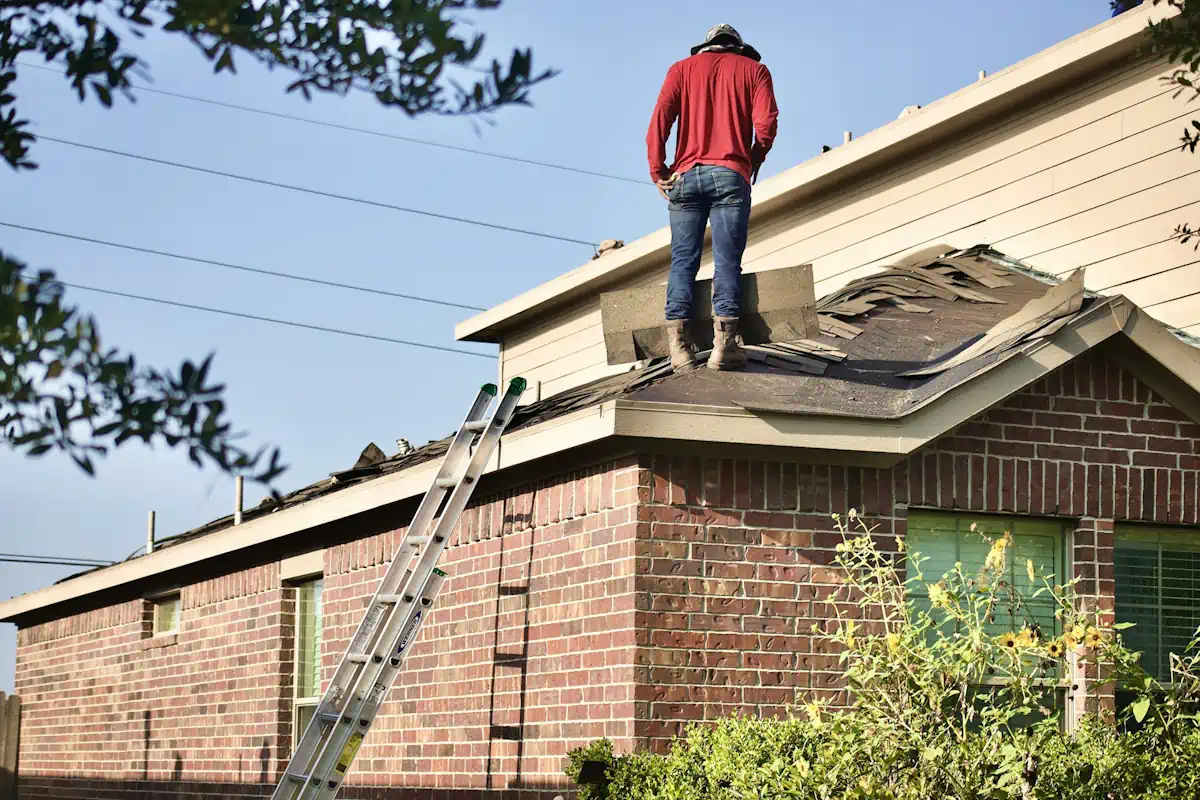
Severe weather creates immediate stress for homeowners who want to protect their property from major structural issues. Heavy rain, hail, and strong winds often leave hidden defects across roof surfaces.

Taking direct action right after a major weather event prevents small leaks from turning into massive timber rot. Simple steps taken step-by-step secure your living space against long-term water intrusion and high restoration costs.

pexels-photo-27892976.jpeg

Inspecting Severe Weather Impact From The Ground

Homeowners ought to stay on the ground and use binoculars when checking high rooflines after a squall passes through. Official meteorological updates trigger severe thunderstorm alerts when sustained winds touch 58 mph. Strong gusts at these speeds peel back composite materials or loosen flashing along vulnerable edge lines.

Catching missing shingles early stops moisture from soaking deeper deck boards and damaging interior drywall. Spotting loose debris or lifted materials early saves thousands of dollars in restoration costs down the road. Ground-level observations keep residents safe while gathering critical initial information about potential roof defects before calling repair teams.

Hiring Professional Local Roofing Experts

High winds lift individual shingles and break underlying seals without showing obvious signs from the street. Working with reliable contractors like Distinctive Roofing in South Florida or someone else local to you helps homeowners identify hidden attic leaks before structural timber rots. Professional teams bring safety gear and deep knowledge to evaluate complex structural elements safely.

Professional crews climb up to inspect steep valleys, chimneys, and pipe boots that homeowners cannot see easily from the yard. Experienced technicians recognize subtle granule loss that signals weakened storm resistance across aging materials. Their formal inspection reports help streamline insurance claim filings for homeowners seeking fast repairs after storm events.

Documenting Interior And Exterior Storm Damage

Taking comprehensive digital photographs of every affected surface creates a clear paper trail for insurance adjusters. Official disaster recovery guidance suggests capturing clear photos and videos of structural damage prior to removing any fallen debris. Clear pictures show precise conditions immediately following extreme weather events and support fair claim evaluations.

Water entering through compromised flashing requires rapid remediation inside the home interior. Health agencies advise drying wet interior areas within 24 to 48 hours to prevent severe mold growth.

Speed helps keep living spaces safe for family members after heavy downpours inundate ceiling areas and wall insulation. Moisture meters can help identify hidden wet spots behind plaster walls.

Clearing Drainage Systems And Gutters

Leaves, broken twigs, and heavy silt gather rapidly inside drainage channels during heavy downpours.

Guidelines on building maintenance state that clogged gutters lead to water overflowing into eaves, soffits, and underlying roof support structures. Clearing those paths allows rainwater to flow freely off roof planes without ponding near eaves.

Simple maintenance actions prevent major water accumulation along structural edges:

  • Clear heavy leaves out of gutter troughs by hand or with scoops.
  • Flush downspouts with a standard garden hose to check flow.
  • Reattach loose fascia brackets before the next rain event occurs.

Keeping drainage open protects exterior paint and stops moisture from pooling near home foundations or wooden decking.

Checking Structural Integrity And Support Trusses

High-velocity tropical systems test every joint across a residential frame during severe weather events.

Weather service data shows well-built homes experience major structural damage during hurricane-force winds ranging from 110 to 130 mph. Intense atmospheric pressures create extreme uplift forces on upper deck surfaces.

Internal wooden frameworks demand careful inspection inside the attic space right after strong squalls pass. Agricultural extension studies reveal that a single damaged truss can trigger a domino effect that collapses broad roof sections.

Inspecting structural beams prevents sudden collapses during future wind storms and protects your overall investment. Checking metal connectors and rafter ties makes sure the roof deck stays anchored.

Upgrading Materials To Withstand Future Storms

Replacing damaged components offers a chance to build stronger defenses against future natural hazards. Scientific testing confirms that FORTIFIED construction standards strengthen residential buildings against extreme weather events. Upgraded underlayments and heavy-duty fasteners offer better defense against driving rain and high winds.

Choosing impact-resistant shingles gives added defense against falling tree branches and hail strikes. Modern materials hold higher wind ratings that keep panels locked together during intense squalls.

Quality upgrades yield peace of mind for upcoming storm seasons across vulnerable coastal and inland regions. Strong warranties on new materials provide added financial protection for years to come.

Protecting your home roof after severe weather requires systematic checks, prompt documentation, and smart repairs.

photo-1682351889381-9bbc98ebca86

Staying proactive prevents hidden water damage from expanding into costly structural failures. Taking these important steps secures your shelter, preserves property value, and keeps your household safe when the next severe storm approaches.

Best Insect Identification Apps: 5 Top Picks

Whether you spotted something crawling across your kitchen floor, found a weird bug in the garden, or want to level up your nature walks, a good insect identification app can change everything.

The right insect identification app gives you answers in seconds — no bug books, no expert required. There are a lot of options out there, though, and they’re not all built the same.

pexels-erik-karits-27968373.jpg

Some are laser-focused on American species, others are designed for serious naturalists, and one even skips the download entirely. Here’s a look at the five best picks available right now.

Quick Picks:Top Insect Identification Apps

  • BugKnow — Free unlimited scans, 260K+ species, pest severity tool; best for everyday American households
  • Insectio — Full-featured outdoor companion with hike forecasts and pet safety tools; best for nature lovers and hikers
  • BugIdentifier.Org — Zero friction, browser-based; best for one-time or occasional lookups with no app required
  • ObsIdentify — Excellent AI accuracy backed by biodiversity science; best for serious naturalists (note: optimized for European species)
  • iNaturalist — Citizen science powerhouse with global community verification; best for those who want their observations to count for science

BugKnow – Top Recommended

If you just want to point your phone at a bug and get an answer — fast, free, and without any fuss — BugKnow is built exactly for you. It covers over 260,000 insect species, bugs, spiders, and other arthropods, with 98% accuracy on common species.

For most American households, that’s more than enough to handle whatever shows up in the backyard or bathroom.

Beyond basic ID, BugKnow includes a Bite Checker (upload a photo of the bite area to get a visual reference result), a Pest Severity Assessment (answer a few questions to understand how serious an infestation might be), and a community feature where you can post unclear finds for other users to help identify. You can also save and organize your sightings into personal collections.

The free tier is generous — unlimited snaps with solid species profiles. Some deeper data sits behind a subscription, but most everyday users won’t need to go there.

Pros

  • Truly unlimited free photo identifications
  • Covers 260,000+ species, including spiders and other arthropods
  • Pest severity assessment is a standout feature for homeowners
  • Bite checker adds practical safety value
  • Clean, simple interface — no expertise needed

Insectio – Also Great

Insectio is the most fully featured app on this list, and it’s built for people who spend real time outdoors. Beyond photo-based insect ID, it offers a Hike Bug Forecast — pick a location and date, and you get a full insect-risk report covering what to expect, what to wear, and what to check afterward. It also shows live activity alerts for insects near you in real time.

The species encyclopedia is beautifully illustrated with high-resolution photos from multiple angles and life stages. Each entry includes clear hazard ratings for impact on humans, animals, and plants. There’s even a dedicated pet safety section covering fleas, ticks, mosquitoes, and chiggers, with guidance on when to call the vet.

The community Discovery Square lets you share finds and browse what other users are spotting globally, and a daily discovery feature surfaces two new insect facts every day to keep you learning. Premium features are available by subscription, though the free tier gives you plenty to work with.

Pros

  • Hike Bug Forecast is unique and practically useful for outdoor planning
  • Live activity alerts and pet safety tools set it apart from competitors
  • Rich, illustrated species encyclopedia with hazard ratings
  • Daily discovery feature makes it engaging over time
  • Clean, modern interface

BugIdentifier.Org

Not every bug encounter warrants downloading an app. If you Googled “what is this bug” and found your way to BugIdentifier.Org, you’re already using it correctly. This is a web-based identification tool — no download, no account, no setup. Open the website, upload a photo, and get your answer.

It’s a tool built for the person who needs a one-time answer. The experience is stripped down on purpose: you get a species ID and basic information without any of the collection features, community layers, or subscription prompts that come with the dedicated apps.

For a quick, low-stakes lookup, that simplicity is a feature, not a limitation.

Coverage focuses on common species, which suits the typical casual use case just fine. Don’t expect rare-species depth here — but if something is crawling across your countertop, you’ll get your answer.

Pros

  • Zero friction — no app, no account, no download required
  • Works directly in any browser on any device
  • Perfect for occasional, one-time lookups
  • Great SEO presence means it’s easy to find when you need it

Cons

  • No species collection or history tracking
  • No community or expert verification layer
  • Shallower coverage for rare or obscure species
  • Can’t use offline

ObsIdentify

ObsIdentify is one of the most accurate insect identification apps available, developed by the Observation International Foundation in partnership with Naturalis Biodiversity Center.

Its AI model is trained on millions of observations from a large and trusted data network, and independent testing has ranked it among the top performers for correct insect identification — even for tricky species.

One big caveat for American users: ObsIdentify is optimized for Europe and the Dutch Caribbean, not the United States. If you’re in the US, it will still attempt identifications, but its accuracy and species database are best suited for European wildlife.

That said, if you travel to Europe, or you’re a naturalist who cares about biodiversity data contributing to global science (via GBIF, the Global Biodiversity Information Facility), it’s worth knowing about.

The app is completely free and ad-free, supported by donations. It covers insects, plants, birds, and mushrooms, and lets you collect badges, join challenges, and share sightings with others.

Pros

  • Exceptionally accurate AI — consistently top-ranked in independent testing
  • Completely free, no subscription, no ads
  • Observations contribute to real biodiversity science via GBIF
  • Covers insects, plants, birds, and fungi in one app
  • Gamified badge and challenge system keeps exploration fun

Cons

  • Optimized for European species — limited accuracy and relevance for US users
  • No pest management or bite analysis tools
  • Some users report occasional bugs in the app interface
  • Limited sorting and filtering options for your observation history

iNaturalist

iNaturalist is the gold standard for citizen science nature observation, and it’s one of the most trusted names in the space. You snap a photo, the app’s AI suggests an identification, and then — this is what makes iNaturalist different — a global community of over 400,000 naturalists and scientists can confirm or correct that ID.

Your observations don’t just sit in your phone; they become research-quality data used for conservation and biodiversity science.

For insects specifically, the app performs well on common US species, and the community verification layer means that even if the AI makes an initial mistake, an expert is likely to catch it. The app also covers plants, fungi, birds, amphibians, and more — making it a true all-purpose nature tool.

iNaturalist is run by a nonprofit and is completely free. There’s no paywall, no subscription tier, and no ads. The tradeoff is that it’s less polished than some of the consumer-focused apps — the interface has a learning curve, and you’ll need an account to get the most out of it.

Pros

  • Community verification dramatically improves identification accuracy over time
  • Observations contribute directly to global biodiversity science
  • Completely free, nonprofit, no subscription model
  • Huge global species database — works worldwide, including all US species
  • Covers insects, plants, fungi, birds, and more

Cons

  • Steeper learning curve than consumer-focused apps
  • AI-only IDs (without community confirmation) can be inconsistent on rare insects
  • No pest management tools, bite checker, or outdoor safety features
  • Requires account registration for full functionality

Which App Should You Download?

Here’s the short version. If a bug showed up in your house and you want to know what it is right now, BugKnow is your best bet — free, fast, and built with American homes in mind.

If you spend a lot of time hiking or outdoors and want a full suite of tools that go way beyond simple ID, Insectio is worth the space on your phone.

If you just need a one-time answer and don’t want to bother with an app at all, head to BugIdentifier.Org in your browser and be done with it.

For naturalists who care about accuracy and contributing to science, iNaturalist is hard to beat — its community verification system is something no purely AI-based app can match. And if you’re headed to Europe, tuck ObsIdentify into your travel toolkit; it’s the most accurate option for that part of the world.

There’s no single perfect app for every situation, but between these five, you’ll have every scenario covered.

Modern Home Solutions Powered by New Technology

Our homes are changing faster than ever before. New systems make daily life easier, safer, and much more efficient. From smart plugs to advanced weather defense, tech shapes every corner of modern properties.

Homeowners want setups that save time and cut utility bills without adding stress. Getting these upgrades right means looking at the whole house, from the foundation to the peak of the rooftop. Investing in these updates provides long-term value for families everywhere.

photo-1770149682916-b3f31bcd8174

Upgrading Existing Properties with Smart Tools

Many people choose to update their current properties instead of buying brand-new builds. A report from Fortune Business Insights noted that the retrofit segment held 51.18% of the smart home market share in 2026. This massive share comes from homeowners adding energy-saving devices and clean energy setups to their current spaces.

These updates let older houses perform just like modern constructions without the need for a total demolition. Property owners find that small changes add up to massive utility savings in the long run. Making these choices helps reduce the overall carbon footprint of older neighborhoods.

Protecting Your Roof and Structural Integrity

Smart tech inside the house works best when the exterior remains completely secure. When storms hit, trusted Minnesota roofing contractors can inspect and fortify the exterior against heavy snow and wind. Strong structural choices shield your high-tech interior gadgets from water damage and drafts. A leaky roof can ruin thousands of dollars in new automation equipment in a single afternoon.

Maintaining the outer shell of your house is a smart way to preserve interior upgrades – it secures everything you build inside. Strong materials keep the elements outside where they belong.

The Growing Demand for Specific Home Devices

As tech expands, certain types of equipment gain more traction than others. Data from the Home Improvement Research Institute showed that a single device segment is on track to claim about 29% of the market share in 2026. These tools focus heavily on comfort and long-term utility savings.

Homeowners are picking pieces that blend into their daily routines without a steep learning curve. People prefer products that connect easily with their existing smartphones and tablets. Seamless integration remains a top priority for buyers this year.

Smart Thermostats and Climate Management

Managing indoor climate used to require manual adjustments throughout the day. Modern thermostats learn your daily schedule and adjust temperatures based on whether you are home. They track local weather patterns to optimize heating and cooling cycles before you even notice a shift.

This proactive management keeps rooms comfortable plus reduces energy waste. You can monitor your heating system from halfway across the world using a simple mobile app. These systems even send alerts when air filters need replacement.

Automated Scheduling for Maximum Savings

Setting specific zones in a house prevents empty rooms from using up valuable energy. Basements and guest rooms do not need constant climate control when nobody occupies them. Smart vents open and close automatically to direct airflow where it matters most. This targeted approach keeps utility bills low throughout the harshest winter months.

Modern Lighting and Automated Ambience

Lighting setups do far more than just illuminate dark rooms nowadays. Automated bulbs shift their color temperature throughout the afternoon to mimic natural sunlight. This shift helps maintain steady sleep cycles and boosts daily productivity.

You can control entire networks with a simple smartphone application or automated schedules. Custom settings allow you to change the mood of a room instantly for movie nights or dinner parties. LED technology inside these bulbs uses a fraction of the power required by older incandescent options.

Advanced Home Security Solutions

photo-1520697830682-bbb6e85e2b0b

Modern protection goes far beyond standard locks and basic window alarms. Connected cameras stream live high-definition video directly to your personal devices. Automated systems can spot unusual activity and alert you before a problem grows. This immediate notification gives property owners true peace of mind when they travel.

Here are some popular security upgrades for modern properties:

  • Smart video doorbells that track package deliveries.
  • Automated deadbolts that use biometric fingerprints.
  • Motion sensors that trigger exterior floodlights.
  • Water leak detectors are placed near major appliances.

Intelligent Water Management Systems

Water damage is one of the most expensive issues a homeowner can face. New smart shutoff valves monitor the main water line for unusual pressure drops or continuous flow. If a pipe bursts, the system cuts off the water supply instantly to prevent flooding.

This rapid response saves thousands of dollars in potential flooring and drywall repairs. Homeowners can track their daily water usage to spot hidden leaks behind walls. These tools are becoming standard additions in modern green building designs.

Smart Irrigation for Outdoor Spaces

Keeping a lawn healthy no longer requires wasting hundreds of gallons of water. High-tech irrigation controllers sync with local weather forecasts to skip watering cycles when rain is on the way. They analyze soil moisture levels to deliver the exact amount of water your plants need. This precision engineering keeps gardens looking great as it protects local water resources.

Small changes today build a more efficient home for tomorrow. Selecting the right upgrades delivers a high return on investment for years to come.

How Smart Tech is Changing Roof Repairs

Roofing work looks different today than it did a decade ago. Heavy ladders and manual tape measures are quickly fading into the past. Modern contractors rely on advanced digital devices to spot leaks and map roof structures accurately. Staying ahead of these shifting technical trends helps property owners make smart maintenance decisions.

photo-1643509867448-57001e0c333d

Smarter Property Measurements

Finding a reliable contractor means looking for teams that use modern technology. Property owners often seek out a Virginia roofer's repair services to address storm damage quickly before leaks spread. Advanced assessment tools help these experts pinpoint weak spots without stepping onto a single shingle.

Digital mapping software creates 3D profiles of residential homes. This clear imagery allows crews to order exact material quantities. Homeowners save money when material waste drops to near zero. Detailed digital mockups let customers see what their completed project will look like before building begins.

Drones Take Flight for Safety

Climbing onto steep slopes carries clear physical risks for technicians. Drones eliminate this danger by capturing high-resolution photos from the air. A publication by Acecore Technologies explained that utilizing unmanned aircraft updates the way industry experts approach routine evaluations and complex diagnostic assignments. Crews can review high-definition footage on a tablet safely from the ground.

Thermal cameras attached to these flying devices scan for hidden moisture signatures. Trapped water under shingles holds heat differently than dry materials. Spotting these differences early prevents major structural rot later. Early detection keeps small issues from turning into expensive full replacements.

Artificial Intelligence and Damage Detection

Computers can now read roof images to find hairline cracks and missing granules. Artificial intelligence scans thousands of photos in minutes to flag problem areas. An industry report from Fact.MR highlighted a new system launched in March 2026 that pairs autonomous flight with computer vision to spot storm issues for insurance adjusters. This tech removes human error from the evaluation process.

Fast scanning means homeowners receive detailed repair estimates in hours instead of days. Insurance claims move through approvals much faster when backed by objective data. Property owners gain complete transparency during a stressful negotiation. Transparent communication builds deep trust between service providers and clients.

Market Innovations and Projections

photo-1761393665973-62fb8847bf9d

The demand for tech-driven solutions continues to skyrocket across the country. Companies invest heavily in specialized software platforms to manage communication and logistics. Data shared by JobNimbus showed that the domestic roofing sector will likely expand from $32.66 billion in 2025 to $46.67 billion by 2031. This growth represents a steady compound annual rate of 6.13% as tech options multiply.

Higher market value encourages tech developers to build better applications for small businesses. Local repair crews now have access to enterprise-grade tracking programs. Customers enjoy smoother service experiences through these direct upgrades. System updates reduce scheduling conflicts and keep projects moving on time.

The Rise of Aerial Inspection Frameworks

Drone usage goes far beyond casual photography during a residential inspection. Federal agencies track this commercial shift closely to maintain airspace safety standards. An article from Extreme Aerial Productions mentioned that the FAA expects aerial drone inspection services to grow by 18% every year in the region through 2026. This rising adoption highlights how standard practices are shifting toward automation.

Technicians look for key indicators during these automated flights:

  • Structural sagging along the main ridge lines
  • Hidden moisture pockets beneath the top membrane
  • Significant granule loss on asphalt shingles

Gathering this detailed information protects field workers from weak decking hidden underneath old materials. Safety remains a primary focus for modern field teams. Protecting personnel reduces on-site accidents significantly during every busy season.

Upgrading Modern Workflow Efficiency

Accurate property specifications prevent costly errors before a project begins. Digital measurement platforms replace traditional tape measures to deliver immediate physical values. An article by Roofing Contractor highlighted how EagleView measurements provide premium value to technicians, insurance adjusters, and property management firms alike. These measurements eliminate the need for manual calculations on complex geometrical designs.

Crews receive instant diagrams that assist with ordering exact bundles of metal or asphalt. Clear data speeds up the entire negotiation phase with client insurance providers. Homeowners benefit from a streamlined process that minimizes confusion from start to finish. Fast processing helps people return to their normal lives quickly.

Future Proofing Residential Developments

Smart sensors are beginning to appear inside residential roof underlayments. These tiny chips monitor moisture levels and temperature shifts throughout the seasons. Property owners receive alerts on their mobile devices if a small leak develops after a severe storm. Real-time data transmission removes guesswork from the entire equation.

Catching minor issues early stops mold colonies from spreading through attic insulation. This proactive approach saves thousands of dollars in emergency mitigation fees. Technology keeps turning passive structures into active, self-monitoring systems. Homeowners feel more secure knowing their property constantly tracks its own health.

Embracing digital field tools protects the longevity of residential properties. Homeowners no longer have to guess about the condition of their shingles. Advanced tracking and automated inspections provide complete clarity during maintenance projects. Investing in updated techniques guarantees safer workspaces and delivers real peace of mind.

Straight Wall Peak Ceiling Storage Shelter: Practical Applications and Safety Considerations in Canadian Industrial Operations

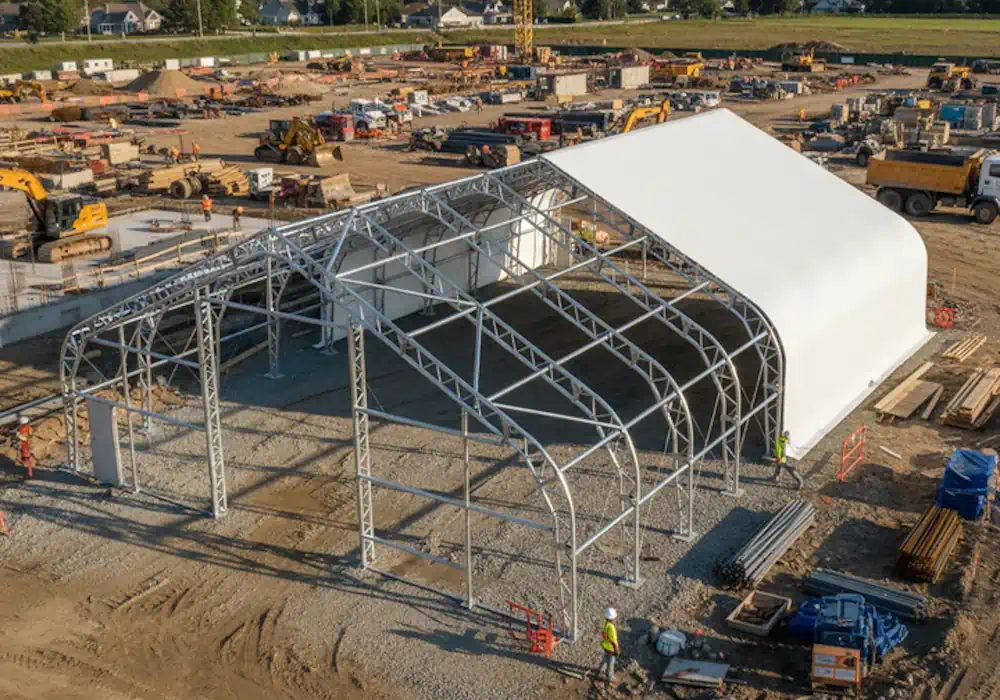
In Canada’s industrial landscape, storage infrastructure plays a critical role in maintaining operational continuity. A Straight Wall Peak Ceiling Storage Shelter is a temporary or semi-permanent structure designed to provide protected storage space for equipment, materials, and vehicles. These shelters are widely used across warehousing, logistics, construction, and agricultural sectors due to their adaptability and cost efficiency. Their modular nature allows organizations to respond quickly to changing operational demands without long construction timelines. This flexibility makes them suitable for both short term projects and longer duration industrial use.

Canadian Market Context and Industrial Relevance

Canada’s climate presents unique challenges, including heavy snowfall, strong winds, and seasonal temperature variation. Industrial operators require storage solutions that can withstand these conditions while remaining flexible. Straight wall structures with peak ceilings are particularly useful because they maximize usable interior space and improve snow shedding.

In remote or rapidly developing areas, permanent buildings may not be feasible due to cost or time constraints. Storage shelters provide a practical alternative for:

  • Temporary warehousing during project expansion
  • Equipment protection in construction zones
  • Seasonal storage for agricultural machinery
  • Logistics overflow management

Technical Overview and Use Cases – Structural Design and Materials

These shelters typically feature a steel frame combined with a polyethylene fabric cover. The straight wall design increases vertical clearance along the sides, making it easier to store tall equipment or stack materials efficiently. The peak ceiling also supports improved drainage and reduces structural stress during winter conditions.

Common Applications

  • Vehicle and fleet storage
  • Bulk material protection
  • Temporary workshops
  • Disaster response storage facilities

For further reference on industrial shelter specifications, consult this storage shelter resource .

Importance of Efficiency, Safety, and Productivity

Efficient storage directly impacts workflow and equipment longevity. A well-designed shelter allows faster access to tools and materials, reducing downtime. Safety is also improved when assets are protected from environmental exposure.

Key productivity benefits include:

  • Reduced equipment maintenance due to weather protection
  • Improved inventory organization
  • Minimized operational delays

Technical Requirements and Capability Considerations

When selecting a storage shelter, several technical factors must be evaluated:

  • Load capacity for snow and wind conditions
  • Anchoring system compatibility with ground type
  • Fabric durability and resistance to ultraviolet exposure
  • Frame strength and corrosion resistance

Proper sizing is also important to ensure that equipment can be stored without overcrowding or safety hazards. Planning for future expansion can also improve long term usability and reduce the need for additional infrastructure investment.

Factors Affecting Performance and Safety

Performance and safety depend on both design and operational practices. Critical influencing factors include:

  • Site preparation and leveling
  • Correct installation procedures
  • Regular inspection of structural components
  • Environmental exposure over time

Failure to address these factors can lead to structural instability or reduced lifespan. Preventive maintenance schedules are recommended to maintain consistent performance.

Safety Considerations and Best Practices

Safety should remain a primary concern during installation and use. Best practices include:

  • Following manufacturer installation guidelines
  • Ensuring proper anchoring in high wind regions
  • Clearing accumulated snow regularly
  • Using appropriate personal protective equipment during setup
  • Restricting access during severe weather conditions

Routine inspections help identify wear or damage before it becomes a safety risk. Documentation of inspections supports compliance and accountability while improving operational transparency.

Equipment, Tools, and Accessories

Installation and operation may require the following:

  • Ground anchors or concrete fasteners
  • Lifting equipment for frame assembly
  • Tensioning tools for fabric installation
  • Lighting systems for interior visibility
  • Ventilation accessories to reduce condensation

Selecting appropriate accessories enhances usability and safety while supporting efficient daily operations and improving working conditions inside the structure.

Advantages and LimitationsAdvantages

  • Lower cost compared to permanent buildings
  • Quick installation and relocation
  • Flexible sizing and configuration
  • Adaptability to various industrial applications

Limitations

  • Limited lifespan compared to permanent structures
  • Dependence on proper maintenance
  • Potential vulnerability in extreme weather if not installed correctly

Real World Applications

In Canadian logistics hubs, storage shelters are often used to manage seasonal inventory spikes. For example, a distribution center may install temporary shelters during peak periods to store overflow goods.

In construction environments, these shelters protect heavy equipment from snow accumulation, allowing faster startup times and reducing maintenance needs. Agricultural operations also rely on such structures to store machinery during off seasons.

Conclusion and Future Trends

The Straight Wall Peak Ceiling Storage Shelter represents a practical solution for modern industrial storage challenges in Canada. Its design supports efficient space use while addressing environmental demands.

Looking ahead, improvements in materials and structural engineering are expected to enhance durability and safety. Integration with monitoring systems may also allow operators to track structural conditions and environmental impacts in real time. These developments will support more reliable and data driven decision making across industrial sectors.

For warehouse managers, equipment operators, and procurement professionals, understanding these structures supports informed decision making and safer operations.

Property Maintenance Strategies for Modern Residential Communities

Maintaining residential properties in today’s environment involves a spectrum of coordinated tasks that extend from lush lawns to clean walkways and well-designed outdoor living spaces. In modern communities where curb appeal affects both homeowner satisfaction and property values, comprehensive maintenance strategies bring together plant health, seasonal care, and thoughtful planning. Today’s property owners and managers are increasingly balancing functional turf management with broader aesthetic and environmental goals.

As landscaping practices evolve, the emphasis has shifted toward tailored approaches that account for grass species, climate conditions, and usage patterns. Simultaneously, integration with other aspects of property design, such as hardscape cleanliness and interior-exterior continuity, supports cohesive community environments that feel both welcoming and well maintained.

Targeted Turf Management for Diverse Grass Types

Turfgrass dominates much of residential landscaping, and its health directly influences overall property appearance. However, not all lawn species behave equally across climates and soil conditions. Warm-season grasses like centipede grass are well suited to certain southern regions, but they can struggle when faced with aggressive weeds or poor soil balance.

Addressing unwanted plant competition while preserving desirable turf demands species-specific treatments. When selecting lawn care products, homeowners often look for formulations tailored to their grass variety. For example, centipede grass weed killer presents targeted options suited to centipede lawns, helping reduce unwanted weeds without harming the primary turf. Integrating such targeted treatments into a regular maintenance calendar supports both aesthetics and long-term lawn vitality.

A robust lawn care strategy pairs targeted herbicide use with sound cultural practices: appropriate mowing height, balanced fertilization, and careful irrigation that encourages deep root systems and reduces stress on grass.Property maintenance expectations also shift depending on the type of residential development. In high-density urban environments, landscaping strategies are often integrated into architectural planning rather than treated as separate considerations.

For example, developments such as KODA in Seattle, WA reflect how urban residential design incorporates structured green elements, managed communal spaces, and clean architectural lines to support both aesthetics and functionality. In these settings, landscaping may include rooftop greenery, structured planters, and defined pedestrian pathways rather than expansive private lawns.

This type of integrated planning emphasizes coordinated upkeep between building management and landscape maintenance teams to preserve visual cohesion.

Seasonal Planning and Landscape Rhythm

Property maintenance in residential environments follows seasonal shifts dictated by regional climate patterns. In temperate zones, cool weather brings opportunities to aerate soil, address winter-weary lawns, and apply pre-emergent treatments. Warmer seasons prompt increased mowing frequency, irrigation scheduling, and attentive weed control.

Understanding these cycles allows managers and homeowners to deploy resources at opportune times. Seasonal planning avoids reactive responses and distributes maintenance tasks more evenly throughout the year, ultimately lowering stress on both turf and caretakers. Predictability in care schedules also enables integration with other property tasks, such as cleaning hard surfaces or prepping outdoor living spaces for events.

Hardscape Care and Surface Cleanliness

Maintaining clean outdoor surfaces enhances both safety and visual appeal. Driveways, pathways, patios, and community spaces accumulate dirt, leaf material, and other debris over time. Pressure washing hard surfaces, either through professional services or specialized equipment, removes buildup before it becomes embedded or encourages slippery conditions.

In some residential settings, heavier-duty cleaning needs also intersect with vehicle or equipment care. For neighborhoods or properties with shared maintenance facilities, equipment such as durable pressure washers can streamline care routines for pavement and outdoor structures alike.

Hard surface care not only supports resident comfort but also protects underlying materials from premature wear, oxidization, or staining that can occur when organic matter and grit are left to accumulate.

Integrating Property Management and Community Services

The responsibilities of a modern community extend beyond lawn care and surface cleaning. Residential environments often include shared amenities such as walkways, outdoor gathering areas, and communal landscape features. Incorporating consistent maintenance across these spaces helps preserve a unified aesthetic and prevents isolated issues from detracting from the larger property experience.

Professional vendors and service providers may offer scheduled landscaping or cleaning packages tailored to community needs. Collaboration between property managers and experienced vendors can improve the efficiency of routine tasks while providing access to expertise in specialized areas, such as turf health diagnostics or erosion control.

Outdoor Living Design and Resident Satisfaction

Outdoor spaces that support activity, relaxation, and social interaction enhance resident satisfaction and promote community identity. Thoughtful design elements, from patio seating zones to gardens and shade structures, reflect broader lifestyle trends that prioritize outdoor amenity integration.

Clean, well-managed lawns and hard surfaces form the foundation of these spaces. Residents are more likely to take pride in environments that feel cared for and aesthetically coherent. Consistency in maintenance reduces friction related to individual homeowner obligations while collectively reinforcing community standards.

Urban Development Context and Landscape Expectations

Residential landscaping practices also interact with broader urban development trends. Neighborhoods with robust green infrastructure, pedestrian-friendly walkways, and interconnected park systems often exhibit higher perceived value and more sustained community engagement. Landscape planners and developers increasingly integrate green space corridors and managed lawns into subdivision design plans to support these priorities.

As urban environments evolve, connectivity between residential parcels, parks, and natural buffers also supports environmental quality, such as stormwater management and urban heat mitigation, contributing to healthier living spaces beyond aesthetic considerations.

Choosing Appropriate Equipment and Facilities

For homeowners and community associations that manage their own upkeep, selecting appropriate equipment becomes part of strategic maintenance. Whether it’s lawn mowers, irrigation control systems, or outdoor cleaning tools, durable and effective equipment reduces manual labor and improves consistency.

In neighborhood automotive spaces, for instance, residents or caretakers may consider options that support seasonal vehicle care and surface maintenance. While residential in scale, these tools reflect how functional considerations shape overall property strategy.

Balancing Aesthetics, Function, and Sustainability

The core objective of modern property maintenance remains balancing appearance with practicality and environmental stewardship. Targeted lawn care, species-specific weed control, and well-planned outdoor spaces contribute to aesthetic consistency. Meanwhile, sustainability practices, such as water-conserving irrigation, native plantings, and integrated hardscape design, align with broader ecological goals.

A balanced approach not only enhances visual appeal but also ensures resilience over time. As residential communities continue to evolve, maintenance strategies that incorporate both practical solutions and thoughtful design considerations support environments that feel welcoming, functional, and well cared for.

Low-Overhead Franchises in Home Improvement

Home improvement remains one of the most resilient segments in franchising. Homes age. Systems fail. Owners upgrade. Demand is steady and geographically widespread. But not every home improvement franchise requires a large warehouse, retail showroom, or heavy construction crews. Some of the most attractive models operate with lean infrastructure and tight cost control.

Low-overhead franchise models in this sector offer a different kind of scalability. They rely on mobile service units, limited fixed assets, and streamlined staffing structures. When structured correctly, these models can generate strong margins without the burden of high fixed expenses.

Why Overhead Determines Survival

In service businesses, fixed costs often determine resilience. Rent, utilities, payroll commitments, and equipment financing do not disappear when revenue dips. High overhead creates pressure. Low overhead creates flexibility.

Home improvement franchises with minimal brick-and-mortar requirements reduce exposure to downturns. Many operate from small leased spaces or even home-based offices, depending on local regulations. Vehicles serve as mobile workstations. Inventory is ordered per job rather than warehoused in bulk.

This structure changes the economics of risk. Lower fixed costs mean break-even points are easier to reach and maintain.

The Strength of Service-Based Niches

Not all home improvement services are equal. Full-scale remodeling franchises require crews, heavy equipment, permitting knowledge, and long project timelines. These operations can be profitable but capital intensive.

By contrast, niche service categories often operate with smaller teams and faster project cycles. Examples include:

  • Outdoor lighting installation
  • Epoxy floor coatings
  • Window tinting and film application
  • Gutter cleaning and protection systems
  • Garage storage installation

These businesses focus on specialized services with defined scope. Shorter job cycles improve cash flow. Limited material variety simplifies supply chains.

For entrepreneurs researching outdoor lighting installation franchise opportunities, you’ll notice many brands emphasize mobile service models and modest startup costs compared to traditional remodeling franchises.

Capital Requirements and Asset Structure

Low-overhead franchises typically avoid heavy construction infrastructure. Instead of owning backhoes or maintaining full carpentry crews, they invest in specialized tools tailored to a narrow service category.

The primary asset categories usually include:

  • Branded service vehicles
  • Core installation tools
  • Limited starter inventory
  • CRM and scheduling software
  • Marketing systems

Vehicles become central operational hubs. Equipment fits inside organized mobile storage systems. This eliminates the need for large industrial space in many cases.

Lower capital requirements improve return on invested capital. Owners can allocate funds toward marketing and territory development rather than fixed facilities.

Market Demand Remains Strong

Home improvement spending remains robust even amid broader economic shifts. According to the Joint Center for Housing Studies of Harvard University, U.S. homeowners spent over $472 billion on home improvements and repairs in 2022.

This spending includes both large renovations and smaller specialty upgrades. Niche service providers benefit from homeowners seeking targeted improvements without committing to full remodel projects.

Outdoor lighting, for example, enhances curb appeal and safety without major structural changes. These moderate-cost upgrades often proceed even when large renovations are postponed.

Operational Simplicity Drives Scalability

Low-overhead models typically rely on streamlined workflows. Jobs are quoted quickly. Installations are completed within days, not months. Payment cycles are short.

This operational simplicity reduces administrative burden. It also improves capacity planning. Owners can forecast weekly job volume with reasonable accuracy.

A typical low-overhead home improvement franchise may operate with:

  • A small installation team
  • A sales lead or owner-operator
  • Outsourced bookkeeping
  • Centralized franchisor marketing support

Limited management layers reduce communication breakdowns. Decision-making remains fast.

Territory-Based Revenue Growth

Most home improvement franchises operate within protected territories. Growth comes from deeper market penetration rather than adding expensive infrastructure.

Marketing strategies often include digital advertising, referral programs, and seasonal promotions. Because fixed costs are low, incremental revenue flows more directly to profit once break-even is achieved.

Territory density matters. Suburban markets with stable homeownership rates often provide consistent demand. Demographics drive success more than foot traffic.

This differs from retail franchise models that rely heavily on location visibility.

Labor Efficiency and Training

Labor remains the largest variable cost in service businesses. Low-overhead models often train technicians in specific installation techniques rather than broad construction skills.

Specialization improves efficiency. Crews repeat the same process daily. Productivity increases. Installation errors decrease.

Training programs are usually standardized by the franchisor. Clear installation protocols reduce rework. That protects margin.

Because job scope is defined and limited, staffing needs remain predictable. Seasonal labor fluctuations are manageable.

Marketing Leverage From National Branding

One challenge for independent home improvement contractors is marketing. Generating consistent leads requires ongoing advertising investment.

Franchise systems centralize branding and marketing assets. Digital campaigns, SEO infrastructure, and lead-generation systems are often built at the corporate level. This reduces the burden on individual operators.

Low overhead combined with structured marketing support improves lead consistency. That consistency stabilizes revenue.

Risk Management Advantages

Home improvement businesses face liability exposure. Proper insurance coverage is essential. However, niche service franchises often avoid large structural alterations, reducing risk compared to full-scale construction firms.

Smaller job scopes mean fewer permitting complications. Less regulatory exposure simplifies compliance.

Additionally, many low-overhead models avoid long project timelines. Shorter engagements reduce the likelihood of disputes and payment delays.

Lower operational complexity improves risk control.

Cash Flow Characteristics

Because projects are shorter and materials are limited, cash conversion cycles tend to be faster. Deposits may cover material costs upfront. Final payment is collected shortly after installation.

This improves liquidity. Liquidity supports marketing reinvestment and territory expansion.

Contrast that with large remodel projects, which may span months and require significant upfront labor before final payment.

Faster cycles improve financial stability.

Scalability Without Physical Expansion

One of the most compelling aspects of low-overhead franchise models is scalability without additional brick-and-mortar expansion. Growth can occur by:

  • Adding additional service vehicles
  • Hiring more installation crews
  • Expanding into adjacent protected territories
  • Increasing marketing spend in high-response neighborhoods

Physical footprint remains modest. Administrative functions often remain centralized.

That structure preserves margin as revenue increases.

Final Thoughts

Low-overhead franchise models in the home improvement industry combine steady market demand with disciplined cost control. By minimizing fixed expenses, specializing in targeted services, and leveraging mobile operations, these businesses create resilient financial structures.

They are not effortless. Success still depends on execution, marketing discipline, and territory analysis. But the economics favor flexibility. Lower capital exposure reduces downside risk. Short project cycles improve cash flow. Specialization strengthens operational efficiency.

For entrepreneurs seeking entry into home improvement without heavy infrastructure commitments, low-overhead franchise models provide a technically sound and financially balanced pathway to growth.

6 Roofing Concerns Commonly Found During Exterior Property Inspections

Exterior inspections often reveal roof issues long before a leak shows up inside. Catching these problems early reduces repair costs and protects siding, fascia, and landscaping. Use this guide to spot six concerns inspectors see again and again during property walkarounds.

Lifted, cracked, or missing shingles

Inspectors often flag lifted or cracked shingles that let wind-driven rain reach the underlayment. A guide from Service Pro Roofing notes these defects show up along hips, ridges, and eaves, where edges take the most stress. Small gaps invite water and start a cycle of rot and nail pull-through.

Edges that face the sun and prevailing wind wear out first. Replace split tabs and exposed nails promptly so the field stays watertight.

Worn or improper flashing around openings

Along the Alafia River and Tampa Bay suburbs, sudden summer downpours and tropical squalls test every seam around chimneys, skylights, and walls. In these conditions, homeowners often rely on Riverview roofing contractors to verify that laps, sealant, and step flashing are installed correctly. Metal or membrane flashing should bridge every joint where the roof meets a wall, chimney, vent, or skylight. Even small separations at these points can let water track under shingles and show up as stains far from the entry point.

Kickout flashing at roof-to-wall joints steers water away from siding. Sealants are not a cure-all; correct lapping and fastener spacing do the real work. At chimneys, counterflashing should be let into the mortar joint, not simply caulked to the brick.

Clogged gutters and downspouts

Leaves, grit, and nesting material can block gutters, which forces water to overflow at the eaves. That overflow soaks the fascia and drip edge, and it can wash soil away at the foundation. Ice makers and AC drains that empty onto roofs also add runoff that gutters must carry

Downspouts that empty too close to the house push water onto walkways and siding. Add extensions and keep outlets clear so runoff moves past landscaping and slab edges. Screens and guards help, but they still need cleaning after heavy leaf drop. Splash blocks or drain lines keep water from undermining pavers and steps.

Wind damage patterns after storms

Even if coverings look intact, wind can loosen fasteners and crease shingles. Reporting from Angi explains that strong gusts often rip tabs or entire sections from the field, especially on aging roofs. Inspectors scan leeward slopes and edges for missing pieces and scattered granules. If wind tears adhesive strips, tabs may flap and break on the next gust.

Sheathing uplift shows as ripples running across the slope. Look for popped nail heads at courses below the ridge, a hint that wind lifted the panel and loosened fasteners.

After a storm, look for bright spots where new underlayment shows, and check yards for torn tabs. Missing ridge caps or lifted ridge vents also point to pressure that exceeded the fastening pattern.

Early leak clues you can see from the ground

Not every inspection needs a ladder – many warning signs show from the yard. Walk the site slowly and look at each slope from two or three angles. Mornings and late afternoons reveal surface defects better than midday glare.

  • Shingle edges that curl or lift
  • Dark streaks or fresh granules piling below downspouts
  • Rust at exposed flashing or vents
  • Sagging gutters or staining on the fascia
  • Sunlight is visible through the soffit gaps at dusk
  • Loose ridge or hip caps that wobble under light hand pressure
  • Water stains on the soffit boards after rain

Guidance from Today’s Homeowner stresses that regular roof checks help the system stand up to weather over time. Short, seasonal walkarounds catch these clues before they become indoor leaks. Mark small changes so you can compare conditions over time.

Document what you see

Take date-stamped photos and note wind, rain, or tree debris. This simple record helps when prioritizing repairs with a contractor.

Ventilation, attic, and trim red flags

Poor airflow traps heat and moisture, which can warp the deck and shorten shingle life. In summer, trapped heat bakes the roof covering; in winter, moisture condenses on nails and sheathing, leading to mildew and a musty attic.

Bathroom fans should vent outdoors, not into the attic. Dryer ducts need smooth metal, a tight hood, and a clear backdraft damper to keep moist air and pests out. Keep insulation pulled back from intake vents so air can move freely.

Inspect soffit intakes and ridge or box vents for obstructions. Watch for chewed screens, bird nests, and paint bridging over vent slots. At the eaves, peeling paint, soft fascia, and loose drip edge signal that water has been working behind the trim.

No single issue sinks a roof on its own; it is the combination of edges, openings, drainage, and wind that causes trouble. A slow, methodical exterior inspection a few times a year builds a clear picture of roof health. With steady care and prompt fixes, you can extend the life of the system and avoid major surprises. Good notes make future repairs faster and clearer.

Garage Clear Outs Reduce Fire Risk And Protect Insurance Coverage

Some people treat a garage like a storage locker. I do not. It is often the highest-risk room in the home, because it concentrates fuels, ignition sources, and clutter.

If you manage it like a junk drawer, you are not just risking a mess. You are increasing the odds of a fast-moving fire, a larger loss, and a harder insurance conversation afterward.

Why Garage Fires Cost More Than You Think

Garages commonly store gasoline, propane, paints, solvents, and vehicles. US fire-safety guidance notes garage fires tend to spread farther and cause more injuries and dollar loss than fires starting elsewhere in the home.

Attached garages are especially unforgiving. Heat and smoke can push into living space quickly, sometimes before anyone inside realizes the garage is involved.

What the insurance loss data shows

Home fire losses are not small. Industry loss data summarized by the Insurance Information Institute shows fire and lightning claim severity averaging about $130,752 across 2020–2024, with 2024 at about $173,111.

Garage fires can be costlier because they often combine structure damage with high-value contents, plus secondary damage from smoke and corrosive residues throughout the house.

Cleanup complexity is real

When plastics, rubbers, and household chemicals burn, residues can be stubborn and widespread. Cleaning may require removal of porous materials, specialized HVAC cleaning, and item-by-item decisions on restoration versus disposal.

How Clutter Multiplies Fire Load And Spread

Home fires can move faster than many people expect. UL research highlights that today’s available escape time can be about 3 minutes, compared with about 17 minutes decades ago.

Clutter makes that worse. It adds fuel, blocks access, and slows your ability to spot a small fire before it becomes a large one.

Airflow and obstruction

Stacks of boxes can create vertical channels that feed flames upward. They also hide extension cords, chargers, and heat sources that should stay visible and ventilated.

If you have been delaying a garage clear out because it feels overwhelming, realize that tight aisles and tall piles make early detection and safe exit harder. You can always hire a professional service such as Same Day Rubbish Removal Melbourne to assist you.

Insurance Underwriting Flags Garages From Above

Many insurers now use aerial imagery from satellites, aircraft, and sometimes drones to assess property conditions. Consumer and regulator communications in multiple states show this practice is widespread and actively monitored.

A national Insurance Research Council survey found 60% of homeowners are aware insurers use aerial imagery, and many still underestimate how often it affects underwriting decisions.

Nonrenewals are regulated, but still happen

State regulators have warned insurers not to rely on unclear or outdated images for adverse actions, and to give homeowners a fair chance to verify, dispute, or correct issues.

Requirements vary by jurisdiction. Pennsylvania, for example, emphasizes that insurers must show a substantial increase in hazard and provide specific reasons for cancellation or nonrenewal under state law.

Clearance Rules Around Panels Heaters And Exits

Codes and standards are written in injuries and close calls. Even when your local inspector never looks in your garage, the clearance rules still protect your family and the firefighters who may respond.

  • Electrical panel working space: NEC 110.26 sets minimum working space rules. A common baseline is 30 inches wide, with depth often 36 inches for typical residential conditions. Your AHJ can enforce stricter requirements.
  • Heating equipment clearance: Follow the appliance nameplate and manual. As a practical rule, keep combustibles well away from ignition sources, and avoid storing items near burners, vents, or motors.
  • Exit path: Keep a clear, predictable path from vehicles to the house door. Aim for a wide, straight walkway so you can move fast in smoke or a power outage.

Go out to your garage right now with a tape measure. If you cannot reach the panel, move safely past appliances, and walk cleanly to the door, you have created a delay where you can least afford one.

Separate And Store Fuels Solvents Batteries

Professional storage is about segregation. Home storage should copy that mindset: keep chemicals in original containers, keep labels readable, and store incompatible products on separate shelves or in separate bins.

US fire-safety guidance recommends storing oil, gasoline, paints, propane, and varnishes in a shed away from your home when possible. The closer they are to the house, the higher the exposure.

The lithium-ion risk is not theoretical

Lithium-ion batteries can fail violently through thermal runaway. NIST notes a failing battery can emit a jet of flame that can reach about 1,100°C, and FAA testing documents lithium-ion cell surface temperatures around 1,100°F.

Upgrade Detection With Heat Sensors Not Smoke

Why smoke alarms struggle in garages

Smoke alarms are not designed for garages. US fire-safety guidance notes dust, fumes, insects, humidity, and temperature swings can trigger nuisance alarms, which trains people to disable the device.

What to install instead

US guidance recommends a heat alarm in the garage, not a smoke alarm. It should be rated for the hotter temperatures garages can reach, commonly in the 175°F to 250°F range.

If possible, interconnect it so a garage alarm triggers alarms in the living space. Follow the manufacturer’s placement rules, and use a qualified electrician for hardwired units.

Conclusion: The “Sleep at Night” Dividend

You can install alarms and buy extinguishers, but the most reliable protection is removing fuel and clearing access. A garage that is organized burns smaller, warns earlier, and is easier to escape. Do not wait for a nonrenewal letter or the smell of smoke to take action. Reclaim your space today, and you will protect far more than just your car.

Reasons to Upgrade Your Internet Plan for Better Performance

The internet has become a central part of our lives, integral for both personal and professional use. With the rising demands for faster and more reliable connectivity, it is important to assess whether your current internet plan meets your needs. 

Whether you stream movies, work from home, or engage in online gaming, an upgrade could significantly enhance your experience. This article explores several reasons why it might be time to consider a better internet plan to improve your internet performance.

Surging Demand for Bandwidth

As technology advances and more devices connect to the internet, the demand for bandwidth increases. Households typically contain multiple devices, from smartphones and tablets to smart TVs and gaming consoles. 

Each device consumes a certain amount of bandwidth. If you stream videos in high definition or play online games, your requirements become even more demanding. 

More than 40% of American households have multi-device connections, putting a strain on slower internet plans. Upgrading your internet package can accommodate an increased number of devices efficiently, ensuring that everyone in your home enjoys a seamless experience without lag or interruptions.

Improved Download and Upload Speeds

Download and upload speeds play a crucial role in shaping user experiences. Standard internet plans often provide minimum speeds that can be constraining, particularly when working with large files or high-resolution content. Inevitable buffering during streaming sessions or prolonged upload times for work assignments can be frustrating. 

Upgrading to a plan offering greater speeds can reduce these concerns. If you require better research capabilities, comparing the best internet service providers can yield useful insights into the typical download and upload speeds in Chandler or your area, making it easier to find a suitable plan. Those faster speeds directly translate to efficiency when it comes to completing tasks online or enjoying leisure activities.

Support for Remote Work and Learning

The rise of remote work and online learning has necessitated high-performance internet connections. Virtual meetings, video conferencing, and real-time collaboration tools demand a robust internet service for optimal performance. 

If you find that your current plan produces pixelated video images or drops calls frequently during important meetings, it might be time for an upgrade. Faster internet allows for uninterrupted video streams and seamless communications with colleagues or classmates. 

Having a reliable connection can help compensate for technologies used in remote settings, such as digital whiteboards or online simulators, which can require significant bandwidth.

Enhanced Streaming Quality

In an age where streaming services dominate entertainment consumption, slow internet can detract from your viewing experience. With platforms like Netflix, Hulu, and Amazon Prime offering Ultra HD and 4K content, having an internet plan that supports such high streaming quality is vital. 

Poor internet can lead to image buffering, pixelation, or even the inability to access certain content altogether. By upgrading your internet plan, you can enhance your streaming experience significantly. A higher-speed connection allows for uninterrupted viewing, giving you peace of mind while enjoying your favorite shows or movies. 

Increased Reliability

Reliability is a significant factor when considering an internet service upgrade. Slow connections can be frustrating during peak usage times. Upgrading to a better service plan can help ensure that your internet performance remains consistent. 

High-quality internet providers often invest in infrastructure to support their customers’ needs, ensuring stable connections even in crowded areas or times of heavy usage. 75% of respondents were more satisfied with their service quality after upgrading to higher-tier plans, highlighting how reliability is often linked to service level.

Better Value for Money

Sometimes, a new internet plan can seem like an unnecessary expense. The benefits of higher performance often outweigh the costs. Many customers find that investing in a better internet package leads to increased productivity and improved satisfaction, justifying the expense. 

Beyond personal satisfaction, the emergence of new technologies and services often fits better with more advanced internet plans. With technological innovations continuing to surge, holding onto outdated plans could mean missing out on benefits while limiting potential savings from service bundling or promotional offers by content providers who value connection speed. 

Consider how much you may be losing out on in both entertainment value and productivity by not upgrading your internet plan accordingly.

Future-Proofing Your Home

As our reliance on internet connectivity grows, it is increasingly important to future-proof your home with a high-performance internet plan. Smart homes, smart appliances, and the Internet of Things (IoT) are more than just trends. 

They represent the future of living. These interconnected devices require stable, high-speed connections to operate effectively. Investing in a robust internet plan ensures that your household can handle current demands and future technological developments without any interruptions. 

Future-proofing enhances your current lifestyle and increases your property value, as prospective buyers will prefer homes with high-performance internet capabilities as a standard feature. An upgraded internet plan could significantly improve your online experience. 

The enhanced bandwidth and reliability translate to productivity gains, better streaming quality, and future-readiness for household technology advancements. Taking the step to upgrade enhances day-to-day tasks and positions individuals and families to thrive.