Severe weather creates immediate stress for homeowners who want to protect their property from major structural issues. Heavy rain, hail, and strong winds often leave hidden defects across roof surfaces.
Taking direct action right after a major weather event prevents small leaks from turning into massive timber rot. Simple steps taken step-by-step secure your living space against long-term water intrusion and high restoration costs.
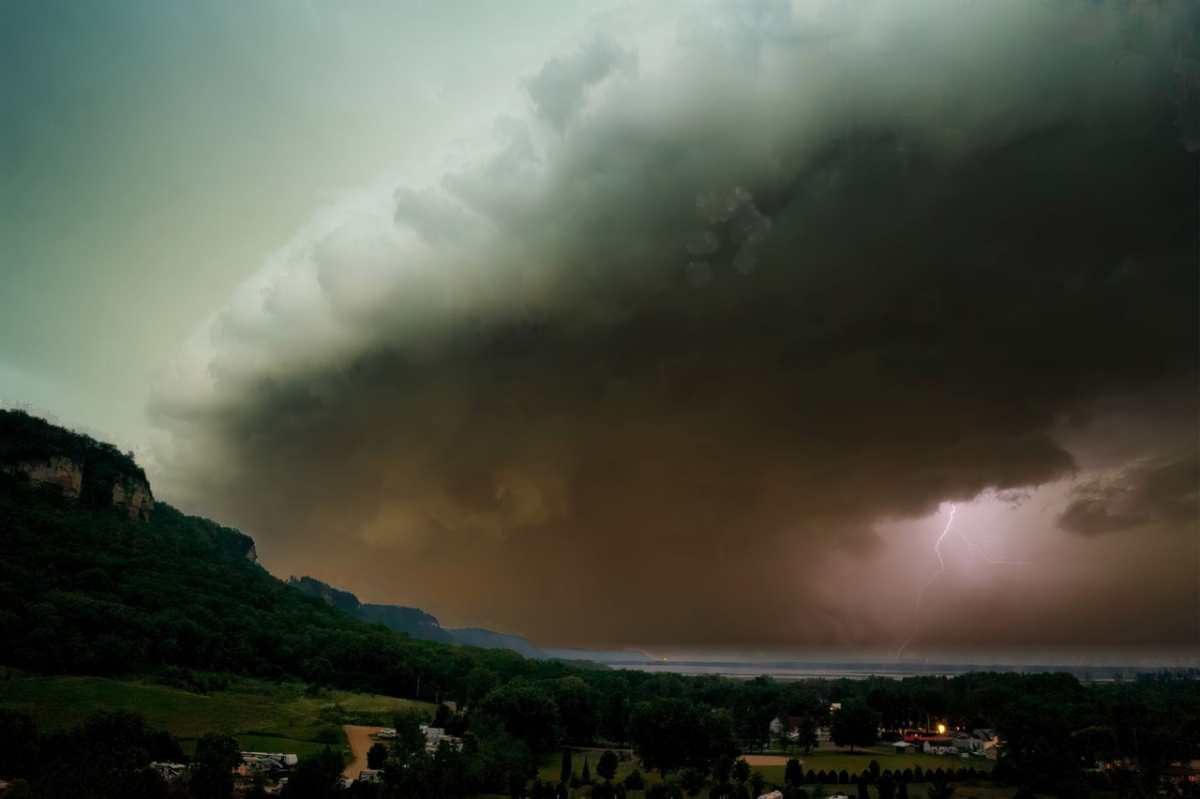
Inspecting Severe Weather Impact From The Ground
Homeowners ought to stay on the ground and use binoculars when checking high rooflines after a squall passes through. Official meteorological updates trigger severe thunderstorm alerts when sustained winds touch 58 mph. Strong gusts at these speeds peel back composite materials or loosen flashing along vulnerable edge lines.
Catching missing shingles early stops moisture from soaking deeper deck boards and damaging interior drywall. Spotting loose debris or lifted materials early saves thousands of dollars in restoration costs down the road. Ground-level observations keep residents safe while gathering critical initial information about potential roof defects before calling repair teams.
Hiring Professional Local Roofing Experts
High winds lift individual shingles and break underlying seals without showing obvious signs from the street. Working with reliable contractors like Distinctive Roofing in South Florida or someone else local to you helps homeowners identify hidden attic leaks before structural timber rots. Professional teams bring safety gear and deep knowledge to evaluate complex structural elements safely.
Professional crews climb up to inspect steep valleys, chimneys, and pipe boots that homeowners cannot see easily from the yard. Experienced technicians recognize subtle granule loss that signals weakened storm resistance across aging materials. Their formal inspection reports help streamline insurance claim filings for homeowners seeking fast repairs after storm events.
Documenting Interior And Exterior Storm Damage
Taking comprehensive digital photographs of every affected surface creates a clear paper trail for insurance adjusters. Official disaster recovery guidance suggests capturing clear photos and videos of structural damage prior to removing any fallen debris. Clear pictures show precise conditions immediately following extreme weather events and support fair claim evaluations.
Water entering through compromised flashing requires rapid remediation inside the home interior. Health agencies advise drying wet interior areas within 24 to 48 hours to prevent severe mold growth.
Speed helps keep living spaces safe for family members after heavy downpours inundate ceiling areas and wall insulation. Moisture meters can help identify hidden wet spots behind plaster walls.
Clearing Drainage Systems And Gutters
Leaves, broken twigs, and heavy silt gather rapidly inside drainage channels during heavy downpours.
Guidelines on building maintenance state that clogged gutters lead to water overflowing into eaves, soffits, and underlying roof support structures. Clearing those paths allows rainwater to flow freely off roof planes without ponding near eaves.
Simple maintenance actions prevent major water accumulation along structural edges:
- Clear heavy leaves out of gutter troughs by hand or with scoops.
- Flush downspouts with a standard garden hose to check flow.
- Reattach loose fascia brackets before the next rain event occurs.
Keeping drainage open protects exterior paint and stops moisture from pooling near home foundations or wooden decking.
Checking Structural Integrity And Support Trusses
High-velocity tropical systems test every joint across a residential frame during severe weather events.
Weather service data shows well-built homes experience major structural damage during hurricane-force winds ranging from 110 to 130 mph. Intense atmospheric pressures create extreme uplift forces on upper deck surfaces.
Internal wooden frameworks demand careful inspection inside the attic space right after strong squalls pass. Agricultural extension studies reveal that a single damaged truss can trigger a domino effect that collapses broad roof sections.
Inspecting structural beams prevents sudden collapses during future wind storms and protects your overall investment. Checking metal connectors and rafter ties makes sure the roof deck stays anchored.
Upgrading Materials To Withstand Future Storms
Replacing damaged components offers a chance to build stronger defenses against future natural hazards. Scientific testing confirms that FORTIFIED construction standards strengthen residential buildings against extreme weather events. Upgraded underlayments and heavy-duty fasteners offer better defense against driving rain and high winds.
Choosing impact-resistant shingles gives added defense against falling tree branches and hail strikes. Modern materials hold higher wind ratings that keep panels locked together during intense squalls.
Quality upgrades yield peace of mind for upcoming storm seasons across vulnerable coastal and inland regions. Strong warranties on new materials provide added financial protection for years to come.
Protecting your home roof after severe weather requires systematic checks, prompt documentation, and smart repairs.
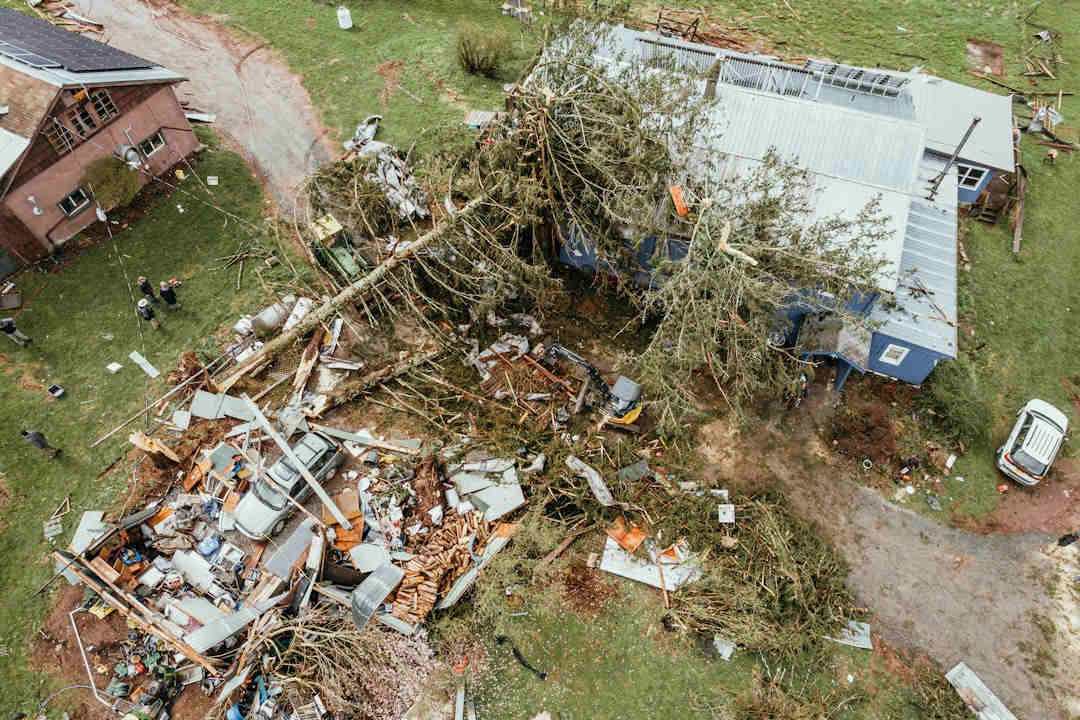
Staying proactive prevents hidden water damage from expanding into costly structural failures. Taking these important steps secures your shelter, preserves property value, and keeps your household safe when the next severe storm approaches.