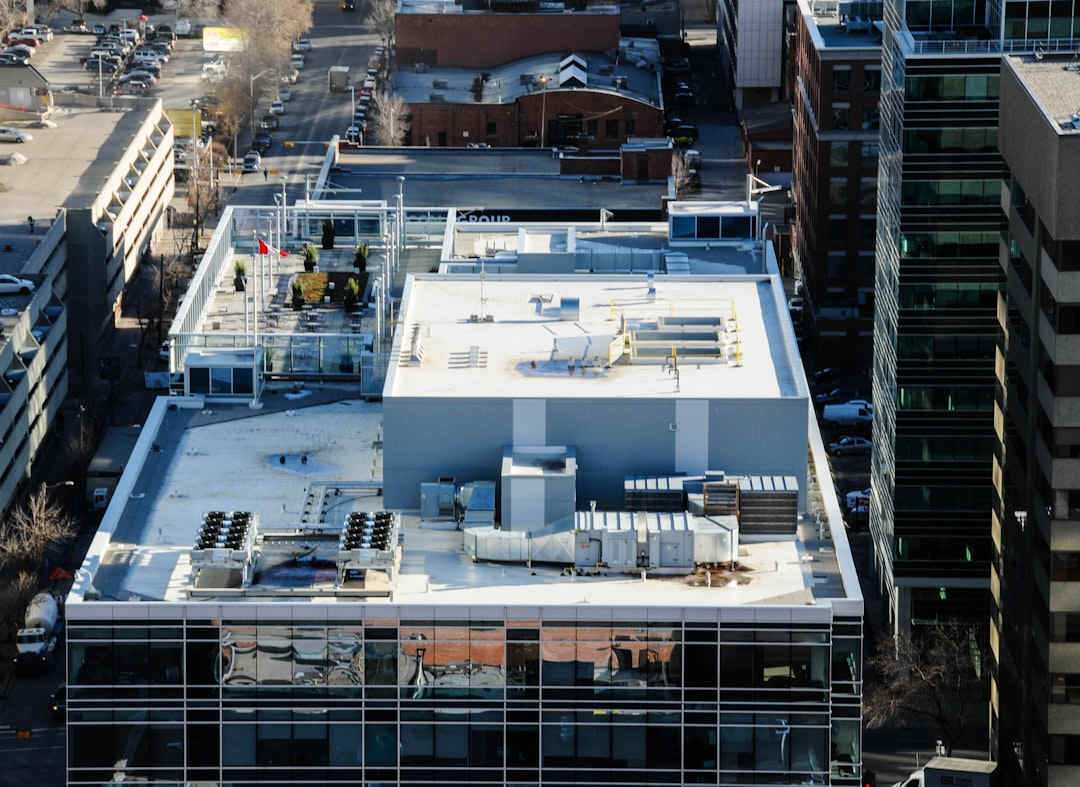
Managing enterprise real estate requires rigorous asset management and continuous operational oversight. Commercial properties represent substantial capital investments, but physical structures face unrelenting environmental pressures every season. Protecting building envelopes against weathering keeps daily business operations running smoothly without unexpected budget shocks. Strategic physical maintenance aligns directly with corporate risk management and financial planning.
Structural Preservation Strategies for Enterprise Facilities
Commercial properties feature specialized architecture built for large footprint operational requirements. Managing flat and low-slope roof systems demands tailored inspection schedules and proper drainage design. Drainage paths must remain clear of debris to prevent standing water from weakening structural materials. Facilities teams that track structural conditions systematically avoid severe building degradation over multi-year operational cycles.
Facility managers integrate physical asset tracking into broader business management systems to streamline maintenance workflows. Data-driven maintenance scheduling guarantees field technicians complete routine inspections without missing critical building areas. Keeping digital logs of structural conditions gives operations executives clear historical records across multi-site property portfolios.
Integrated management software allows facility leaders to sync inspection data directly with asset lifecycle plans. Automated alerts notify operational teams when scheduled preventative service dates approach for specific facilities. Streamlined communication between field technicians and central offices prevents minor maintenance tasks from falling through administrative cracks.
Financial ROI of Preventive Care
Capital expenditure planning depends on accurate forecasting of physical facility care costs. Shifting from reactive emergency fixes to structured care provides predictable operational expense lines. Industry studies from Silverrock Roofing indicate that regular maintenance costs 5 to 10 percent of what emergency repairs or premature replacement would cost. Operational management data from Re-leased demonstrates that transitioning from reactive to preventive maintenance reduces total repair expenditures by approximately 40%.
Commercial assets benefit from planned interventions rather than sudden structural emergencies. Regular inspections catch minor wear before moisture breaches interior spaces or production equipment. Maintaining structural integrity protects physical inventory, manufacturing machinery, and office technology infrastructure.
Predictable maintenance budgets allow financial officers to allocate capital toward strategic enterprise growth initiatives. Unscheduled emergency repairs disrupt quarterly cash flows and force unexpected operational reallocations. Proactive upkeep stabilizes operating cash flow across active enterprise facilities.
Energy Efficiency and HVAC Workload Optimization
Building performance ties directly to thermal integrity. Moisture intrusion reduces insulation value and creates higher thermal conductivity across upper building floors. A detailed analysis by iFactoryApp highlights that high saturation areas correlate with a 40% to 60% loss in building energy efficiency, driving up HVAC workload. Managing envelope moisture keeps corporate power utility bills within expected operational thresholds.
Higher mechanical workload accelerates equipment wear and leads to premature mechanical replacement. Enterprise managers who track energy consumption patterns notice immediate improvements when structural repairs eliminate thermal gaps. Lower energy expenditure directly supports corporate profitability and sustainability targets.
Commercial roofing industry surveys by Roofing Contractor report that robust sales pushed 66% of commercial roofing contractors to report increased growth in total sales volume. This growth reflects increased corporate capital allocation toward commercial property protection and structural upgrades.
Risk Mitigation for Enterprise Real Estate
Corporate risk management frameworks include physical facility resilience against severe weather events. Facility operations must adapt to local environmental exposures to safeguard business continuity across all enterprise sites. Research published by FacilitiesNet notes that matching property design to regional hazards like wind speed, hail risk, and sun exposure keeps structures resilient. Corporate insurance providers often require documented physical maintenance records to validate coverage claims.
Operational continuity relies on dry workspaces and uninterrupted business activities. Unplanned physical leaks disrupt server rooms, administrative areas, and manufacturing floors. Documented property care demonstrates prudent management to corporate board members and insurance adjusters.
Core Elements of Routine Facility Protection
Sustained building health requires systematic attention to specific vulnerable structural points. Facility management teams establish routine inspection checklists to maintain operational reliability across portfolio locations. Effective upkeep programs prioritize several operational areas:
- Checking protective membranes for physical punctures or surface wear
- Clearing perimeter scuppers and internal drain lines to support rapid drainage
- Re-sealing flashing joints along edge parapets and HVAC equipment curbs
- Documenting surface condition changes after heavy storm events
Addressing these vulnerable components on a fixed schedule prevents widespread moisture intrusion. Property managers protect interior operational assets without creating costly operational delays.
Long-Term Asset Valuation and Life Extension
Enterprise property values reflect both current income generation and physical asset condition. Extending useful component lifespans maximizes return on capital investments over long holding periods. Consistent physical care preserves property resale value and strengthens lease negotiations with premium enterprise tenants.
Preserving existing physical structures reduces corporate carbon footprints and raw material consumption. Long-term facility planning balances annual operating costs against multi-decade asset replacement schedules. Well-maintained enterprise properties command higher market valuations and maintain high tenant retention rates.
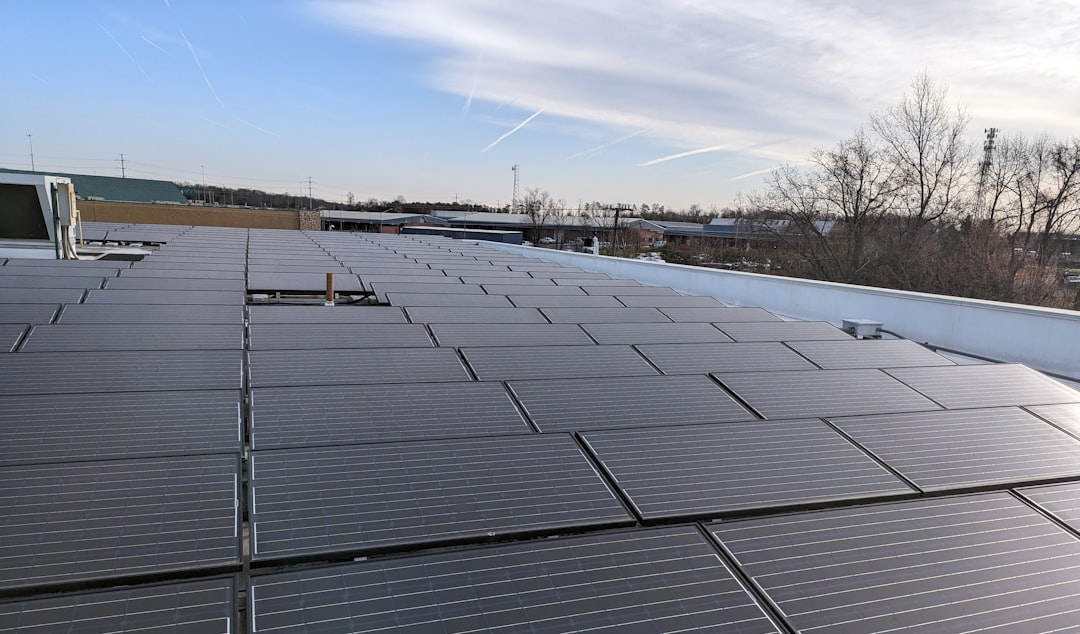
Property managers who prioritize systematic care safeguard enterprise balance sheets and maintain daily operational stability. Integrating structural maintenance into routine facility operations protects capital assets from avoidable depreciation. Proactive corporate stewardship turns physical asset care into a measurable operational advantage.