Managing monthly utility costs often feels like a constant guessing game for modern homeowners. Smart home tools now offer detailed visibility into daily power usage across every room. Connected sensors and central synchronization software allow residents to track real-time consumption directly from mobile devices. Implementing strategic hardware upgrades trims monthly bills without sacrificing household comfort.
Optimizing Heating and Cooling Performance
Maintaining proper climate equipment performance stands as a top priority for domestic energy efficiency. Clean filters, sealed ductwork, and balanced airflow keep central HVAC units running smoothly during severe seasonal temperature swings. Neglected equipment forces fans and compressors to draw unnecessary electric current.
Skipping routine maintenance causes system components to labor harder and suffer premature wear. Homeowners often schedule annual tune-ups with trusted heating and cooling specialists to prevent hidden efficiency losses and keep utility bills low. Professional technicians catch minor mechanical friction before it converts into excessive monthly expenditure. Scheduled inspections keep heating units operating at peak efficiency throughout the year.
Addressing minor airflow restrictions early prevents costly repairs down the road. Replacing dirty filters every quarter maintains optimal air volume without straining equipment motors.
Automating Temperature Schedules
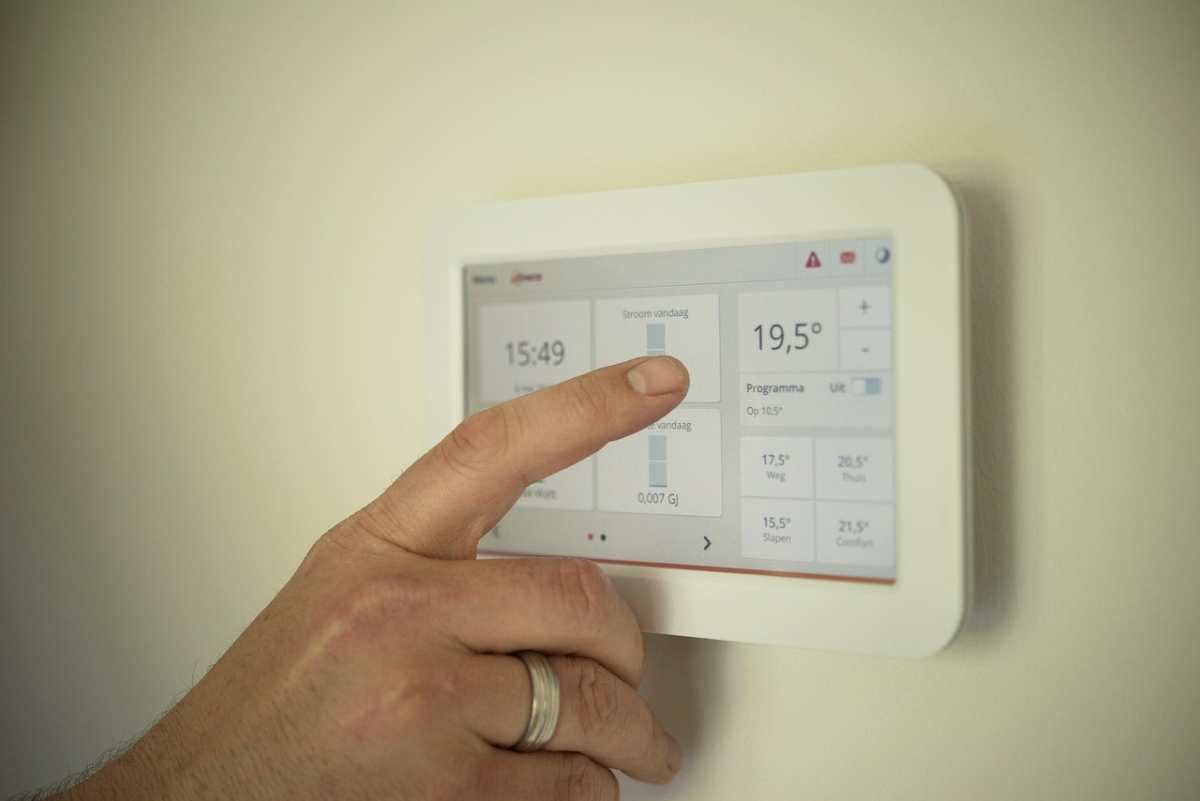
Manual thermostats demand constant user attention and frequently remain stuck on inefficient settings. Upgrading to programmable or learning devices removes the need for manual temperature adjustments.
Residential upgrade research demonstrates that installing smart thermostats alone reduces climate management costs by up to 20%. These smart devices build dynamic daily schedules based on actual family routines. Data from federal energy guides indicates that dropping or raising indoor temperatures by 7 to 10 degrees for 8 hours daily can shrink yearly climate control expenses by up to 10%. Automated setback schedules lower consumption during work hours and sleeping times.
Modern smart thermostats adapt quickly to changing seasonal conditions and unexpected weather shifts. Users control indoor temperatures remotely through mobile software interfaces. Creating customized heating schedules prevents unnecessary energy draw when rooms sit empty.
Whole-Home System Integration
Connecting isolated smart devices into a unified network unlocks deeper tracking capability across the residence. Integrated platforms bring climate control, smart lighting, and connected power outlets into a synchronized operational dashboard.
Leading tech benchmarks for 2026 show that modern smart home systems seamlessly connect devices into a single integrated ecosystem, allowing full control via a smartphone or voice commands. Centralized visibility makes finding high-consumption hardware effortless. Smart home efficiency data indicates connected residences consume roughly 30% to 40% less energy on average compared to traditional setups. Central sync software helps users automate complex routines.
Cross-device communication allows smart lighting and climate controls to coordinate actions based on room conditions. Automated routines lower window shades when outdoor temperatures rise, keeping indoor areas cool naturally.
Real-Time Appliance Energy Monitoring
Installing dedicated electrical monitoring hardware provides immediate insight into exact power draws across individual circuits. Main panel monitors record live voltage fluctuations and transmit itemized metrics directly to connected software apps.
Property tech analyses point out that smart power monitors break down individual device draw, flag peak usage hours, and provide tailored conservation tips. Tracking detailed metrics helps identify problematic equipment before power waste escalates:
- Smart plugs log instant wattage for standalone electronics, desk gear, and kitchen appliances.
- Panel monitors detect phantom loads from sleeping computers and entertainment systems.
- Historical charts show exact power spikes during high-tariff peak usage windows.
Eliminating hidden standby consumption protects sensitive equipment and reduces passive power loads. Clear data charts make energy conservation straightforward for every family member.
Geofencing and Presence-Based Control
Fixed operational timers struggle when daily personal schedules shift unexpectedly. Location-aware automation adjusts climate gear based on actual smartphone proximity rather than rigid clock timers.
A home automation report highlights that pairing slight temperature shifts with geofencing technology drives automatic savings whenever occupants leave. Smart hubs detect when the last mobile device leaves a defined virtual perimeter around the property. The system scales back climate output automatically and restores preferred settings as residents drive back toward home. Intelligent geofencing prevents heating or cooling empty rooms.
Location triggers work silently in the background without requiring manual inputs from mobile app users. Mobile sync protocols allow multiple family smartphones to participate in perimeter monitoring.
Targeting High-Consumption Household Systems
Focusing efficiency upgrades on major power draws delivers the fastest return on smart hardware investments. Heavy household machinery requires structured monitoring to eliminate hidden power waste.
Utility breakdown figures suggest climate control gear drives roughly 40% of standard domestic power usage. Directing smart scheduling toward high-draw gear produces rapid drops in monthly power bills. Automated triggers trim unnecessary runtime without disrupting daily household comfort. Tracking high-load appliances creates immediate opportunities for long-term cost reduction.
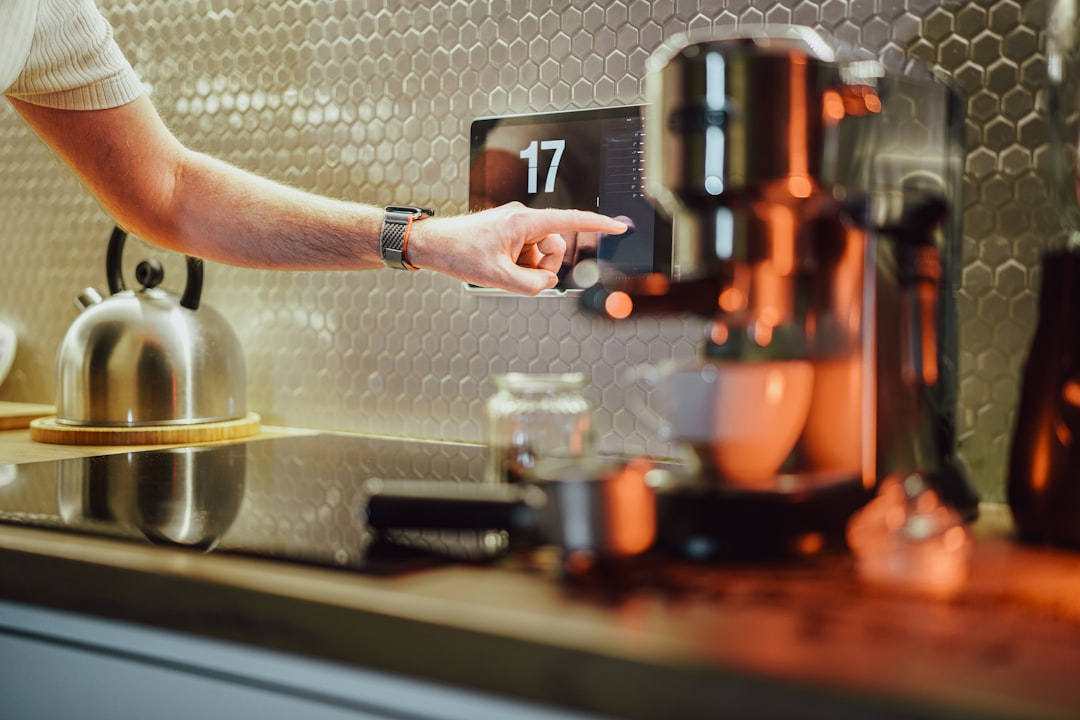
Smart water heaters, pool pumps, and heavy laundry appliances benefit tremendously from automated scheduling routines. Running heavy equipment during off-peak electric hours cuts utility expenses without changing daily routines.
Smart device integration transforms passive energy management into an active, automated process. Linking smart controls with daily routines keeps monthly utility costs predictable. Adopting user-friendly tracking tools gives homeowners complete mastery over household energy performance.