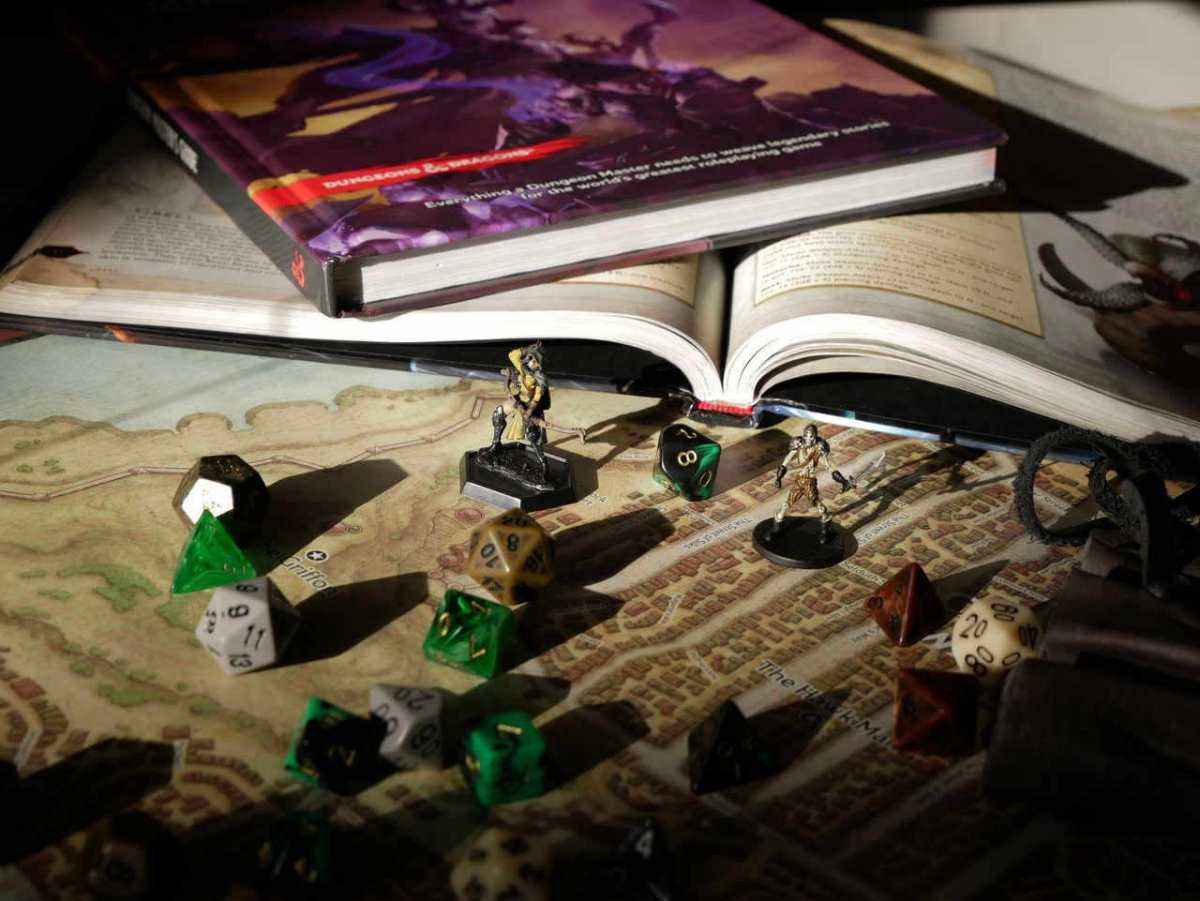
Best Apps and Tools for D&D Campaigns and Why You Need Them

Running a Dungeons and Dragons campaign involves juggling combat encounters, tracking multiple character sheets, managing complex storylines, and keeping everyone engaged. Digital tools can transform this challenge into a smooth experience. Whether you play in person or online, the right apps save time and reduce stress for both dungeon masters and players.

Modern D&D tools handle everything from dice rolling to full campaign management. Some focus on specific tasks like character creation. Others provide complete virtual tabletops with maps, tokens, and automation. The key is finding which tools match your group’s needs and play style.

Why Digital Tools Matter for D&D Campaigns

Traditional pen and paper methods work perfectly fine for many groups. However, digital tools offer clear advantages that enhance the gaming experience.

Organization becomes much simpler when information lives in one accessible place. A dungeon master can search through notes instantly instead of flipping through multiple notebooks. Players can update their character sheets without erasure marks or cramped handwriting.

Automation handles repetitive calculations that slow down gameplay. Apps calculate attack bonuses, damage rolls, and spell save DCs automatically. This speeds up combat and reduces errors that lead to disputes.

Remote play became essential for many groups during recent years. Virtual tabletops allow friends across different cities or countries to share adventures together. Even local groups benefit from hybrid setups that combine physical presence with digital tools.

Accessibility improves when content exists in digital formats. Screen readers can parse digital character sheets for visually impaired players. Search functions help everyone find specific rules quickly during gameplay.

Character Creation and Management Tools

Character builders streamline the most time-consuming part of starting a new campaign. These tools guide players through choices while automatically calculating stats, bonuses, and abilities.

D&D Beyond

D&D Beyond serves as the official digital toolset from Wizards of the Coast. The character builder walks players through each step with clear explanations and automatic calculations. The interface shows which races, classes, and options come from which sourcebooks.

The digital character sheet updates automatically as characters level up. Players can click spells to see full descriptions. The tool tracks prepared spells, remaining spell items, and hit points during sessions.

The platform includes the basic rules for free. Additional sourcebooks require purchase, but one person can share content with an entire campaign through content sharing features. The mobile app lets players access their characters from anywhere.

Fight Club 5th Edition

This mobile app provides robust character management with customizable features. Players can import content from various sources beyond the basic rules. The interface feels more flexible than some official tools.

The combat tracker helps dungeon masters manage initiative, hit points, and conditions for multiple creatures. The app works offline, which helps when internet connections fail during game night.

Reroll

Reroll focuses on speed and simplicity for character creation. The tool generates characters quickly while still allowing customization. This makes it perfect for one-shots or when someone needs a backup character fast.

The visual design emphasizes clarity and ease of use. New players find the streamlined interface less overwhelming than more complex alternatives.

Virtual Tabletop Platforms

Virtual tabletops (VTTs) create digital play spaces with maps, character tokens, fog of war, and integrated dice rolling. These platforms support both online and in-person games projected on screens or TVs.

Roll20

Roll20 ranks as the most popular virtual tabletop with millions of users. The platform runs entirely in web browsers without downloads. This makes setup easy for groups where technical skill varies.

The free tier provides everything needed for basic play. Maps, tokens, and character sheets all work without payment. Paid subscriptions add features like dynamic lighting, larger file storage, and API access.

The marketplace offers thousands of pre-made adventures, maps, and token packs. Dungeon masters can purchase official D&D adventures fully integrated with maps and monsters ready to use.

Character sheets integrate with the platform’s dice roller. Players click their attack bonus, and the system automatically rolls and adds modifiers. This automation speeds up combat significantly.

Foundry Virtual Tabletop

Foundry requires a one-time purchase but includes no subscription fees afterward. The software runs on a host’s computer or server. Only the dungeon master needs to purchase and run it.

The system supports extensive customization through modules created by the community. These add-ons provide features like improved lighting, automated spell effects, and enhanced character sheets. Many dungeon masters prefer Foundry for its depth and flexibility.

Audio and visual effects create immersive experiences. Animated spell effects, sound integration, and weather systems bring scenes to life. The learning curve runs steeper than simpler platforms, but dedicated users find the investment worthwhile.

Owlbear Rodeo

Owlbear Rodeo takes a minimalist approach focused on maps and tokens. The free tool requires no account creation. The host simply creates a room and shares a link.

The simplicity works perfectly for groups who want virtual maps without complexity. Players can upload custom tokens and draw on maps to show movement or effects. The tool intentionally avoids automation to maintain the feel of physical play.

Campaign and World Building Tools

Campaign organization separates good dungeon masters from overwhelmed ones. These tools help track NPCs, plot threads, locations, and everything else that makes worlds feel alive.

World Anvil

World Anvil functions as a wiki builder designed specifically for fantasy worlds. Users can create interconnected articles about locations, characters, organizations, and historical events. The system links related articles automatically.

Templates help structure information consistently. An NPC template prompts for personality traits, goals, and connections to other characters. A location template organizes geography, history, and notable features.

The platform supports maps with interactive pins. Clicking a location opens its detailed article. This helps players and dungeon masters navigate complex worlds.

Privacy controls allow creators to hide information from players. Secret plots, monster stats, and future reveals remain visible only to the dungeon master.

Notion

Notion provides flexible note-taking and database features that work excellently for campaigns. Users can create custom layouts mixing text, tables, calendars, and galleries.

Database views let dungeon masters organize NPCs by location, faction, or any other category. The same information appears in different formats depending on what you need to see. A calendar view tracks timeline events while a gallery displays character portraits.

Templates shared by the D&D community provide starting points. These range from simple session note systems to elaborate campaign trackers. The free personal plan includes unlimited pages and blocks.

Obsidian

Obsidian takes a different approach using linked markdown files stored locally. The connection between notes creates a web of relationships visualized as a graph.

The software works offline and stores files in plain text. This means your campaign notes never depend on a service staying online. Files remain accessible decades later without special software.

Community plugins add D&D-specific features like dice rollers, stat blocks, and initiative trackers. The basic app costs nothing, with optional payment for sync services.

Map Making and Battle Mat Tools

Custom maps bring encounters to life and help players visualize complex environments. Map tools range from simple grid makers to sophisticated design software.

Dungeon Scrawl

Dungeon Scrawl creates old-school dungeon maps quickly. The tool automatically generates walls and applies textures as you draw. Maps maintain a classic aesthetic that matches early D&D adventures.

The free web version handles most needs. Exports work with virtual tabletops or print for physical play. The interface focuses on speed over complex features.

Inkarnate

Inkarnate excels at creating beautiful regional and world maps. The stamp-based system lets users place mountains, forests, cities, and other features with artistic styles.

The platform also supports battle maps and dungeon maps. Pre-made assets speed up creation while custom uploads allow personalization. Maps export in sizes suitable for virtual tabletops or printing.

The free version includes many assets and features. Pro subscriptions unlock additional styles, assets, and higher resolution exports.

Dungeondraft

Dungeondraft provides professional-quality battle map creation through purchased software. The tool includes thousands of objects like furniture, dungeon features, and outdoor elements.

Maps export at exact grid sizes for virtual tabletops. The software handles lighting and wall layers automatically. Custom asset packs created by the community expand options even further.

Many dungeon masters consider the one-time purchase worthwhile for the quality and efficiency it provides.

Encounter and Initiative Management

Combat tracking becomes chaotic without organization. These tools manage turn order, hit points, conditions, and monster stats during battles.

Campaign Combat Tracker

For Dungeon Masters who want a fast, dedicated way to run combat encounters, Campaign Combat Tracker is built specifically around the parts of combat that matter most: initiative order, hit point tracking, conditions, and encounter flow. Instead of juggling paper notes or spreadsheets, DMs can manage combat from a single screen, quickly advance turns, track status effects, and keep encounters moving at the table.

Whether you’re running a small skirmish or a large multi-creature battle, the app helps reduce bookkeeping so you can focus on storytelling and player decisions rather than administrative overhead. If you’re looking for a streamlined mobile solution for combat management, try Campaign Combat Tracker for Android.

The tool loads monster stats from the System Reference Document. Users can also create custom creatures. Multiple groups can save different encounters to load quickly.

Kobold Fight Club

Kobold Fight Club helps balance encounters by calculating difficulty. The tool compares party level and size against selected monsters. It shows whether an encounter rates as easy, medium, hard, or deadly.

The filter system helps find appropriate monsters by type, environment, or source book. This speeds up encounter design significantly compared to flipping through the Monster Manual.

A person using a stylus on a tablet showing a business graph in an office setting.

Audio and Ambience Tools

Sound creates atmosphere that pure description cannot match. Background music and sound effects immerse players in the game world.

Syrinscape

Syrinscape provides soundscapes designed specifically for tabletop RPGs. Instead of single music tracks, it layers background ambience, music, and sound effects. A tavern scene includes crowd chatter, clinking glasses, and lute music all mixed together.

The app includes extensive pre-built soundscapes for common D&D situations. Users can also create custom mixes. The subscription model provides access to the full library.

Tabletop Audio

This free website offers ambient sound loops for various environments. Ocean waves, bustling cities, creepy dungeons, and peaceful forests all receive quality treatment. The simple interface loads quickly and works on any device.

Tracks loop seamlessly during sessions. Dungeon masters can open multiple tabs to layer sounds. The creator accepts donations but provides all content free.

Reference and Rules Lookup Tools

Quick access to rules keeps games moving. These tools help find spells, conditions, and mechanics without digging through books.

D&D Beyond (Again)

Beyond character management, D&D Beyond serves as a comprehensive rules reference. The search function finds spells, items, monsters, and rules quickly. Filters narrow results by class, level, or school of magic.

The compendium includes the basic rules for free. Purchased sourcebooks integrate into your account. The mobile app allows offline access to owned content.

5e Tools

This community-created reference includes extensive D&D content in a clean interface. The homebrew support allows campaigns using custom content to organize everything in one place.

Features include encounter builders, loot generators, and rule references. The tool runs in browsers without installation. Content updates regularly as new official material releases.

Dice Rolling Apps

Physical dice remain popular, but digital rollers provide advantages for certain situations. They prevent lost dice, enable complex rolls, and show history for disputed results.

D&D Dice Roller

Simple dice apps work when you need basic rolls fast. Many free options exist for phones and tablets. They typically show 3D animations and allow custom die combinations.

More advanced features include roll modifiers, advantage/disadvantage automation, and saved common rolls. Some integrate with character sheets to pull attack bonuses automatically.

Role Gate

Role Gate focuses on dice rolling with a social component. Groups create shared spaces where everyone’s rolls appear together. This transparency works well for online games where physical dice remain invisible to others.

Choosing the Right Tools for Your Group

The best tool setup depends on your specific situation. Consider these factors when deciding what to use.

Play format matters most. In-person groups need fewer tools than fully remote campaigns. A projected map and character sheets might suffice for face-to-face games. Online groups require virtual tabletops and voice chat integration.

Technical comfort levels vary among groups. Some players embrace complex tools with extensive features. Others prefer simple interfaces that stay out of the way. Match tool complexity to your group’s preferences.

Budget affects choices significantly. Many excellent free tools exist for groups avoiding subscriptions. Subscription services provide additional features and convenience for those willing to invest.

Time investment differs between platforms. Some tools require hours of setup and learning. Others work immediately with minimal configuration. Consider how much preparation time you can dedicate.

Start with basic tools and expand gradually. A simple virtual tabletop plus D&D Beyond covers most fundamental needs. Add specialized tools as you identify specific problems to solve.

Testing tools before committing prevents frustration. Most platforms offer free tiers or trials. Run a single session with new tools before planning an entire campaign around them.

Integrating Tools Without Overwhelming Your Game

Too many tools create as many problems as too few. The key is integration and purpose.

Each tool should serve a clear purpose. If two apps do the same job, pick the better one and eliminate redundancy. Players should not need to check three different places for character information.

Standardize choices across your group. When everyone uses the same character sheet platform, sharing information becomes simple. Mixed systems create confusion about which version of a character is current.

Keep tools in the background during actual play. Technology should enable roleplay, not interrupt it. If managing apps takes more time than playing, simplify your setup.

Establish backup plans for technical failures. Internet outages happen. Batteries die. Keep basic information accessible offline or on paper as insurance.

Digital tools transform D&D campaign management from overwhelming to organized. They save time, reduce errors, and enable experiences impossible with pure analog play. The right combination supports your story without becoming the focus. Start with tools that address your biggest pain points, then expand thoughtfully as your needs evolve.

Why Are 65-inch Mini LED TVs Perfect for Sports Lovers

Sports viewing gains a different energy when clarity and scale come together. Stadium sounds and fast movements demand a display that keeps every detail sharp. A well-designed television setup can bring that excitement into a living space.

pexels-max-vakhtbovych-6585766.jpg

A 65 inch mini led tv brings strong contrast and refined brightness control that suits fast-paced matches. The larger screen helps viewers catch every pass, goal, and replay with ease. Sports lovers thus gain a more engaging experience that feels closer to live action.

Immersive Screen Size for Stadium-Like Viewing

A 65-inch display creates a viewing experience that fills a significant portion of the viewer’s field of vision. This size helps recreate the intensity of live matches with greater depth and presence. Every movement appears more connected, from player formations to sudden goal attempts. The result feels more engaging during long tournaments and league matches.

The expanded screen area reduces the need to strain while following rapid play sequences. Even viewers sitting at a distance can notice finer on-field details. Stadium-style excitement becomes more accessible within a comfortable home setup.

Superior Contrast and Brightness Performance

Mini LED technology delivers strong control over brightness zones, which makes visuals appear more balanced and refined. Dark scenes remain deep, while bright highlights stand out clearly during action-heavy moments. This balance helps sports footage appear crisp even under varying lighting conditions. The display keeps focus sharp across different types of sports content.

  • Deep blacks enhance visibility during night matches.
  • Bright highlights make fast ball movement easier to track.
  • Fine backlight control reduces visual strain during extended viewing.

Smooth Motion Handling for Fast Sports Action

Fast-paced sports demand accurate motion rendering to avoid blur during quick transitions. Advanced panel performance helps maintain sharp edges around moving players and objects. This clarity supports better tracking of balls, racers, or athletes in motion. Every second of gameplay appears more controlled and fluid.

A 65 inch mini led tv enhances motion stability during high-speed sequences such as cricket deliveries or football sprints. Frame transitions remain consistent, which helps reduce visual lag. This creates a more reliable viewing experience for sports fans who follow fast action closely.

Wide Viewing Angles for Group Watching

Large gatherings benefit from screens that maintain consistent quality from multiple positions. Mini LED panels help preserve color accuracy and contrast even from side angles. Everyone in the room can enjoy similar visual clarity without needing a central seat. This makes shared sports viewing more comfortable and inclusive. Please note that:

  • Consistent brightness across seating positions.
  • Stable color reproduction from angled views.
  • Reduced image distortion during off-center viewing.

Smart Connectivity and Streaming Convenience

Modern sports coverage often comes from multiple streaming platforms and live apps. Built-in smart features simplify access to matches, highlights, and replays without external devices. Switching between channels or apps becomes smooth during ongoing events. This supports uninterrupted viewing during critical match moments.

Connectivity options allow seamless pairing with gaming consoles and sound systems for a richer setup. Sports lovers can customize their entertainment space for different match formats. Quick access features reduce delays when catching live action or last-minute updates.

Hence, a large screen combined with refined display technology enhances every sports moment. Visual clarity and smooth motion create a more engaging match experience. Viewing comfort improves for both solo and group audiences.

A Guide to Managing Gaming Tech Like a Pro Across Platforms

Owning many gaming devices makes your hobby more fun, but harder to organize. Modern systems require constant care to stay in top shape. You need a solid plan to keep your hardware and software running without issues. Good habits help you get the best performance from your consoles and PC.

Managing Your Physical Setup

A messy desk leads to a messy mind when you play. Wires can get tangled and make your room look like a disaster zone. A popular tech website mentions that cable clips help keep loose wires from hanging off your desk or console. Keeping your cords organized makes it easier to clean behind your setup.

Cable Management Ideas

Clear your space of things you do not use every day. Use small bins for your controllers and headsets so they stay safe. Keeping your gear off the floor prevents accidental damage from spills or pets. You can use labels on your power strips to know which plug belongs to which machine.

Connecting Different Systems

Cross-play is a standard feature for most modern titles now. Players love being able to jump from a console to a PC without losing progress. One industry report found that cross-platform play significantly increases how much time people spend gaming each week. Linking your accounts across platforms is the first step to a smooth experience.

Set up two-factor authentication for every account you own. Security is a big deal when you have digital games worth hundreds of dollars. This connectivity helps you stay in touch with your squad even when you are away from home. Using cloud saves ensures your progress follows you wherever you switch devices.

Upgrading Your Gaming PC

Building a custom rig is a popular way to get more power. Resources like Novatech Gaming can help you identify compatible parts for your build. Good components last longer and maintain performance throughout their lifespan. You should pick parts that fit your specific goals and budget, and high-quality fans and coolers prevent your CPU from thermal throttling during heavy use.

Check your internal parts for dust every few months. Canned air is a cheap way to keep your heat sinks clean. Small bits of debris block airflow and make your system louder than it needs to be. Make sure your graphics card is seated firmly in the motherboard. A loose connection can cause crashes or visual glitches in your favorite titles.

Balancing Storage and Speed

Modern games require a significant amount of space on your hard drive. Some titles now require over 100 GB of storage just for the base files. Installing an NVMe SSD makes your load times almost disappear. You should keep your operating system on a separate drive if possible.

Managing your digital library is about picking what to keep installed:

  • Delete games you have finished and do not plan to replay.
  • Move smaller indie titles to a standard hard drive to save SSD space.
  • Use external storage for consoles to expand your library quickly.
  • Check for updates in the background so you are ready to play.

Keeping Your Parts Healthy

Software updates are just as key as physical cleaning. Drivers for your graphics card come out often to fix bugs and boost frames. Set your system to check for these updates automatically so you never miss one. Console makers release firmware that improves system stability and adds new features.

Test your peripherals, like mice and keyboards, to see if they need cleaning. Keys can get sticky from sweat and oils after many hours of use. A damp cloth and a bit of patience go a long way in making gear feel new. Do not forget to charge your wireless devices before you start a long session. Low battery warnings in the middle of a boss fight are a huge pain.

Tracking Future Technology

The gaming world changes fast as new hardware hits the market. New consoles and handhelds offer more ways to play on the go. A consulting report shows that 55% of gamers have increased their playing time lately. Staying informed about new tech helps you make better buying decisions.

Monitor your power usage if you have multiple high-end systems. Gaming PCs and large TVs pull a lot of electricity from the wall. Surge protectors are a must to keep your expensive tech safe from power spikes. Think about the airflow in your room to keep the temperature down during summer. A cool room makes your gaming experience much more comfortable.

Taking care of your tech makes sure your hobby stays fun and stress-free. Proper organization and maintenance keep your hardware running for many years. You do not need to spend a fortune to see a big difference in your setup. Just a few small changes to how you handle your gear can improve your performance. Stay on top of your updates and keep your space clean. Your future self will be glad you took the time to do it right.

The “Laptop Studio”: Producing High-End Short Dramas on an Indie Budget in 2026

For a century, filmmaking was a game of capital. The formula was simple: if you wanted high production value, you needed serious funding. You had to rent cinema cameras, hire lighting crews, secure location permits, and pay a cast of actors. This financial barrier kept brilliant writers and visionary directors locked out of the industry simply because they didn’t have the budget of a major studio.

In 2026, the economics of production have fundamentally shifted.

We have transitioned from the era of “AI as a gimmick” to “AI as Principal Photography.” Today, solo creators and small indie teams are producing multi-episode narrative dramas directly from their laptops. They are achieving a level of visual fidelity that would have cost millions just five years ago, all for the price of a few software subscriptions.

This revolution is being driven by a shift away from fragmented, single-use AI tools toward centralized, highly controllable production ecosystems. Here is how the new generation of “Prompt Directors” is building the future of entertainment on an indie budget.

1. The Virtual Production Lot: Yolly AI

The biggest bottleneck for AI filmmakers in 2024 and 2025 wasn’t the quality of the AI models; it was the workflow. Creators had to generate a character in one app, animate them in a second, upscale the video in a third, and edit in a fourth. It was a chaotic, disorganized process that made producing a serialized show nearly impossible.

To build a real media business efficiently, creators needed a centralized hub. This is why Yolly AI has rapidly become the operating system for the modern filmmaker.

The Ecosystem Advantage: Yolly AI isn’t just a standalone generation box; it is a comprehensive studio environment. It allows creators to manage their entire production pipeline in one place. You can build a “Casting Library” of custom AI actors, save your specific “Location” aesthetics (e.g., a neon-lit cyberpunk diner or a Victorian mansion), and manage your storyboards seamlessly.

By aggregating the most advanced generative models into a single, cohesive interface, Yolly AI has eliminated the technical friction of AI filmmaking. It allows the creator to stop acting like a software engineer trying to string together API keys, and start acting like a Director focusing on the narrative.

2. The Narrative Engine: Seedance 2.0

However, a production studio is only as good as the cameras and actors it employs. The true breakthrough for narrative storytelling in 2026 comes from a specific model integrated into this ecosystem—one that finally solves the dreaded “AI Hallucination” problem.

While models like OpenAI’s Sora 2 focus heavily on broad physics simulations, ByteDance (the titan behind TikTok) recognized that the creator economy needed something much more practical: Character Consistency and Scene Control.

Their answer to the market is Seedance 2.0.

Engineered specifically to dominate the exploding “Short Drama” and micro-series market, Seedance 2.0 is the first AI video model that truly understands the language of cinema and sequential storytelling.

Why Seedance 2.0 is the Industry Standard for Storytelling:

  • Absolute Identity Retention: The hallmark of Seedance 2.0 is its ability to lock onto a character’s identity. You can define your protagonist once, and the model will maintain their exact facial structure, hairstyle, and clothing across hundreds of different shots, angles, and lighting setups. You can finally shoot a dialogue scene (shot-reverse-shot) without your actors morphing into different people.
  • Storyboard to Screen: Seedance 2.0 excels at following explicit visual instructions. By uploading a sketch, a reference image, or a specific spatial layout, the model understands where objects and actors are supposed to be in the 3D space, preventing the background from shifting wildly between cuts.
  • Kinematic Accuracy: If your script calls for a complex action—a fight scene, a dance, or a subtle emotional reaction—Seedance 2.0 utilizes advanced skeleton-tracking to ensure the movement is smooth, physically accurate, and free of the visual glitches that plagued older AI models.

The Micro-Drama Gold Rush

The combination of these technologies has triggered a gold rush in the content creation space. The “Micro-Drama”—highly engaging, serialized 2-minute episodes designed for vertical scrolling on TikTok, YouTube Shorts, and Reels—is currently the most profitable format on social media.

Historically, producing a 50-episode micro-drama required renting a studio and shooting 14 hours a day with a full crew. Today, a solo writer with a compelling script can use Yolly AI to organize their project, cast their virtual actors, and leverage Seedance 2.0 to generate broadcast-quality footage in a fraction of the time and at a fraction of the traditional cost.

The gatekeepers are gone. The studio is in your browser. The only question left is: What story are you going to tell?

Discoverability, Choice, and Learning Across Diverse PC Games

The modern PC gaming landscape is broader than ever. Players are no longer tied to a single genre or title for years at a time. Instead, they move fluidly between shooters, survival games, RPGs, and competitive arenas, driven by curiosity and evolving interests. This diversity creates new challenges around discovery, learning, and decision-making.

With hundreds of active titles and constant updates, players need ways to orient themselves. Understanding what a game offers, how it plays, and what kind of learning curve it demands has become an important part of the overall experience. Discovery is no longer accidental; it is a skill in itself.

Why Variety Changes How Players Learn

Each genre teaches different skills. Fast-paced shooters reward reaction time and spatial awareness, while survival games emphasize planning, patience, and risk management. Switching between games forces players to adapt, recalibrate habits, and learn new systems from scratch.

As a result, players who explore multiple titles often develop stronger learning strategies. They become better at identifying core mechanics, recognizing patterns, and transferring skills between games. Exposure to variety encourages flexibility rather than rigid playstyles.

  Shooters develop aim, awareness, and decision speed

  Survival games teach planning and risk assessment

  RPGs emphasize progression and system understanding

Navigation and Discovery in Large Gaming Ecosystems

With so many options available, players increasingly rely on structured resources to explore new games and tools. These discussions are not only about performance. They frequently include reflections on difficulty, learning curve, and how welcoming a game feels to new players. This kind of contextual information helps users decide where to invest their time.

Rather than jumping blindly between titles, players can make more informed choices by observing how others describe their experiences. This reduces frustration and improves long-term engagement.

Catalogs as Learning Tools, Not Just Lists

Well-organized catalogs play an underrated role in gaming culture. They function as more than a directory; it becomes a map of the gaming ecosystem. By grouping games and resources logically, catalogs help players understand relationships between genres and systems.

This structure supports exploration. Players can move from familiar territory into new genres gradually, guided by similarities rather than overwhelmed by choice.

  Reduced cognitive overload when exploring new games

  Easier comparison between similar titles

  Clearer expectations about gameplay depth

From Curiosity to Informed Engagement

Curiosity drives players to try new games, but informed engagement keeps them invested. When players understand what a game demands — time, skill, or patience — they are more likely to enjoy the experience rather than abandon it early.

Communities and structured resources support this process by transforming individual impressions into shared knowledge. Over time, this collective understanding improves how players navigate the gaming landscape.

Balancing Exploration and Commitment

While variety is valuable, depth still matters. Players often benefit from alternating between exploration and commitment: discovering new games, then dedicating focused time to mastering one. This balance prevents burnout while preserving a sense of progression.

Tools that organize information and experiences help players strike this balance more effectively, turning exploration into a guided journey rather than random trial-and-error.

Conclusion

The richness of modern PC gaming lies in its diversity. Players who approach discovery thoughtfully — using structured resources, community insight, and self-awareness — gain more from each experience. Catalogs, discussions, and shared knowledge turn an overwhelming landscape into an accessible ecosystem where curiosity and learning go hand in hand.

Frequently Asked Questions

Why do players switch between different game genres?

Different genres offer unique challenges and skills, keeping the experience fresh and encouraging broader learning.

How do catalogs help players discover new games?

Catalogs organize options logically, reducing overwhelm and helping players compare games based on shared characteristics.

Is it better to focus on one game or many?

Both approaches have value. Exploring multiple games builds adaptability, while focusing on one game allows for deeper mastery.

How does community knowledge improve discovery?

Community insights provide context about learning curves, difficulty, and long-term engagement, helping players make informed choices.

Cross-Platform Gaming Communities Promote Shared Experience

Modern gaming no longer belongs to a single platform. Players move fluidly between PC and mobile devices, often engaging with the same titles or genres in different formats. This shift has created diverse communities where experience from one platform informs play on another, accelerating learning and adaptation.

As games become more complex and persistent, players increasingly rely on shared knowledge. Mechanics, risks, and updates are discussed not only by PC veterans, but also by mobile users who bring fresh perspectives into established ecosystems.

Why Cross-Platform Discussion Matters

Games that exist across multiple platforms introduce unique challenges. Performance differences, control schemes, and update schedules can affect how mechanics behave. Understanding these nuances requires communication between player groups rather than isolated discussion.

Gamer forums often functions as a broader meeting point for players who want to compare experiences across devices. These discussions frequently evolve into technical analysis of system behavior rather than platform-specific complaints.

  •  Comparing mechanics across PC and mobile
  •  Identifying platform-specific limitations
  •  Sharing adaptation strategies

Escape from Tarkov and High-Risk Knowledge Sharing

Escape from Tarkov represents the opposite end of the spectrum from casual cross-platform titles. It is unforgiving, high-risk, and heavily dependent on preparation. Losses carry weight, and mistakes are rarely forgiven.

Because of this design, Tarkov players often rely heavily on community-driven research. Discussions around game mechanics frequently expand into broader conversations about update behavior, system stability, and risk management rather than simple outcomes.

These discussions reveal how players approach Tarkov as a system to be studied. Awareness of patches, detection changes, and technical shifts directly affects survival and progression.

  •   Risk-aware decision making
  •   Patch-by-patch learning culture
  •   Emphasis on preparation over impulse

From Casual Play to Analytical Mindset

Cross-platform communities help bridge different player mindsets. Mobile players often introduce efficiency-focused habits, while PC players contribute deep technical analysis. Together, these perspectives create a richer understanding of game systems.

Over time, many players shift from casual engagement to a more analytical approach. They track changes, compare experiences, and refine strategies based on shared evidence rather than personal trial alone.

Communities as Risk-Reduction Tools

One of the most overlooked benefits of gaming communities is risk reduction. By learning from others, players avoid costly mistakes and adapt more quickly to changes. This is especially important in games where progression loss has real consequences.

Forums and discussion platforms provide a safety net, turning individual failures into collective lessons.

Conclusion

As gaming continues to span multiple platforms and genres, shared knowledge becomes increasingly valuable. Cross-platform communities transform isolated experiences into collective learning systems. In high-risk games like Escape from Tarkov, this shared understanding often determines long-term success and enjoyment.

Frequently Asked Questions

Why are cross-platform gaming communities important?

They allow players to share insights across different devices, reducing fragmentation and improving overall understanding of game systems.

How does community knowledge help in high-risk games?

Community discussions highlight risks, update changes, and effective strategies, helping players avoid costly mistakes.

Do mobile and PC players learn differently?

Yes. Mobile players often focus on efficiency and accessibility, while PC players contribute deeper technical analysis.

Can forums really reduce trial-and-error?

Absolutely. Learning from others’ experiences saves time and helps players adapt faster to evolving systems.

Cross-Platform Gaming Communities and Shared Learning

Game Rules, Awareness, and Tactical Thinking in Team-Based Shooters

Team-based shooters are built around more than mechanical skill. While aim and reaction time matter, success is often defined by how well players understand rules, limitations, and the impact of their actions on teammates. These invisible systems quietly shape how matches unfold and how players learn to cooperate under pressure.

Counter-Strike 2 exemplifies this design philosophy. Its rule set encourages deliberate play, communication, and awareness of both enemies and allies. Many of the game’s most important mechanics are not flashy, but they fundamentally affect decision-making and teamwork.

Awareness as a Core Competitive Skill

Awareness in shooters extends beyond spotting opponents. It includes understanding positioning, teammate movement, map flow, and the consequences of each action. Players who develop strong awareness often outperform mechanically stronger opponents simply by making fewer mistakes.

Strong awareness allows players to anticipate situations instead of reacting late. This skill becomes especially important in structured team environments, where one mistake can disrupt an entire round.

  •  Reading enemy and teammate positioning
  •  Anticipating engagements before they happen
  •  Reducing unnecessary risks through information

Rules That Shape Team Behavior

Game rules are not arbitrary restrictions; they exist to guide player behavior. Mechanics such as friendly fire force teams to consider spacing, crossfire angles, and communication. Without these rules, teamwork would lose much of its strategic depth.

Topics related to friendly fire highlight how even simple rule toggles can change the entire dynamic of a match. When players must account for ally damage, positioning and discipline become essential.

This mechanic encourages responsibility. Players learn to control spray patterns, manage angles carefully, and communicate intentions before executing plays. Over time, these habits lead to cleaner rounds and fewer chaotic engagements.

  • Encourages precise positioning
  • Promotes communication and trust
  • Reduces reckless decision-making

Learning Through Constraints

Constraints are powerful teachers. When a game limits careless behavior, players adapt by developing better habits. Friendly fire, limited utility, and economy systems all work together to reinforce thoughtful play.

As players grow more experienced, they often begin to appreciate these limitations. What initially feels restrictive eventually becomes the foundation of depth and mastery. Understanding why rules exist helps players work with the system rather than against it.

Communities and Tactical Discussion

Much of this understanding develops outside of live matches. Players discuss scenarios, analyze mistakes, and share insights through guides and community platforms. These discussions turn isolated experiences into collective learning.

By learning from others, players avoid repeating common errors and gain perspective on how rules affect the game at a higher level.

Conclusion

Team-based shooters reward awareness, discipline, and respect for game rules. Mechanics like friendly fire and information control are not obstacles, but tools that shape better teamwork and smarter play. Players who take time to understand these systems often find the game more rewarding and strategically rich over time.

Frequently Asked Questions

Why is awareness more important than aim in some situations?

Awareness helps players avoid bad engagements, position correctly, and support teammates, often preventing mistakes before aim becomes relevant.

How does friendly fire improve gameplay?

Friendly fire encourages careful positioning and communication, reducing chaotic play and promoting teamwork.

Can game rules really influence player behavior?

Yes. Rules create incentives and constraints that shape how players move, communicate, and make decisions.

How do players usually learn these mechanics?

Most learning happens through experience, discussion, and community-shared knowledge rather than in-game tutorials alone.

How to Start Playing World of Warcraft Classic: A Complete Beginner’s Guide

World of Warcraft Classic is a version of the legendary MMORPG that recreates the game almost exactly as it was during the game’s early years in WoW. Unlike the modern-day version of the game, Classic is a slower, more immersive, and highly social gameplay experience. Leveling requires much more time. Enemies are truly dangerous. Cooperation with other players becomes an integral part of the progression process.

Many beginners are quickly taught that the in-game economy plays a huge role in character development. Resources, gear upgrades, skill training, and even basic convenience features require in-game currency. Because of this, some players — especially newcomers who want to ease into the game — choose to obtain WoW Classic gold through specialized platforms. This can provide a better balance for a player to buy equipment, upgrade professions, and spend less time grinding resources, and instead spend more time exploring and leveling.

How World of Warcraft Classic Differs From Modern WoW

The greatest difference between Classic and is the pace of gameplay. There are no fast travel systems, automated group finders, or many of the convenience mechanics that were added in later expansions. Every accomplishment takes work and time investment. Here are the key differences:

  • Slower leveling — Gaining levels takes time, making each level feel meaningful.
  • Heavy reliance on teamwork — Many quests and dungeons are extremely difficult to complete solo.
  • Economy and resource management — Gold plays a critical role in progression.
  • Strong social interaction — Finding groups, joining guilds, and building relationships are essential parts of the gameplay.

Classic is often selected by players who want a more challenging and atmospheric MMORPG adventure.

Selecting a Server and Faction

Before you begin your adventure, you have to pick a server. This is an important decision as your character is permanently tied to it. There are several server types:

  • PvE (Player vs Environment) — Ideal for beginners. Other players cannot attack you unless you enable PvP.
  • PvP (Player vs Player) — Allows open combat between players in many areas.
  • RP (Role Play) — Designed for players who enjoy immersive storytelling and roleplaying.

After selecting a server, you must choose a faction:

  • Alliance — Represents traditional fantasy kingdoms and races such as Humans and Dwarves.
  • Horde — Features tougher, more rugged races like Orcs, Tauren, and Undead.

Your faction choice determines your starting zones, storylines, and which players you can interact with.

How to Select The Right Class

Classes in World of Warcraft Classic offer very different playstyles. Beginners are usually encouraged to choose classes that are easier to learn and more forgiving. Here are some of the most beginner-friendly classes:

  • Hunter — Very accessible thanks to combat pets that assist in battles.
  • Mage — Deals strong ranged damage and can create food and water for survival.
  • Warrior — Extremely versatile but gear-dependent.
  • Paladin / Shaman — Hybrid classes capable of healing, dealing damage, or supporting teammates.

It is always best to use a class that you feel will look and feel good from a mechanical perspective. After all, you will be spending so many hours working on your character. So, you should feel 100% comfortable.

The Basics of Leveling Your Character

Leveling is the essence of the Classic experience. The most important method of gaining experience is by performing quests. Helpful tips for beginners:

  1. Accept multiple quests in the same area to save time.
  2. Pay attention to enemy levels — fighting enemies significantly above your level can be dangerous.
  3. Rest in cities or inns to gain rested experience bonuses.
  4. Take your time exploring — discovery is a major part of Classic’s appeal.

Upgrading your gear on a regular basis is also extremely important. Even small improvements can have a huge effect on the efficiency of combat.

Professions and the In-Game Economy

Professions enable players to collect materials and make useful items such as potions, armor, and tools. They are divided into two categories:

Gathering Professions:

  • Mining
  • Herbalism
  • Skinning

Crafting Professions:

  • Blacksmithing
  • Alchemy
  • Tailoring
  • Engineering

New players are often encouraged to get into professions gathering because they are steady incomes with little investment.

Dungeons and Group Gameplay

Dungeons are special instanced areas that are filled with powerful enemies and valuable rewards. They are designed for groups of five players. Standard group roles include:

  • Tank — Absorbs incoming damage and controls enemies.
  • Healer — Keeps the group alive through healing abilities.
  • Damage Dealer (DPS) — Focuses on defeating enemies quickly.

Running dungeons is one of the best methods to acquire good equipment, and easy to gain experience.

Why Guilds Are Extremely Important

Guilds are organized communities of players, and in Classic, they play an especially important role. Here are the core benefits of joining a guild:

  • Assistance with difficult quests
  • Easier access to dungeon groups
  • Opportunities to participate in raids (large-scale endgame content)
  • Resource sharing and economic support

Beginners are highly encouraged to participate in welcoming, learned guilds to help develop their overall experience.

Tips for Survival and Progression

World of Warcraft Classic can be a challenging game to learn. However, there are a few essential principles to follow:

  • Always train new abilities from class trainers.
  • Keep a supply of food, potions, and bandages.
  • Plan efficient quest routes to avoid unnecessary travel.
  • Save gold for important milestones, such as your first mount.
  • Do not hesitate to ask other players for help.

Reading quest descriptions carefully is also important, since Classic often does not provide clear objective markers.

Is World of Warcraft Classic Worth Playing?

World of Warcraft Classic is a game built around long-term progression, community interaction, and exploration. It requires patience. However, it also rewards players with a deep and memorable MMORPG gameplay that many modern games struggle to replicate.

If you enjoy exploring massive worlds, cooperating with other players, and steadily improving your character over time, Classic is definitely worth trying. Above all, it gives you the chance to fully immerse yourself in the world of WoW as it was 20 years ago, experiencing the game the way it was when everything was just beginning.

Choosing A Karambit Skin That Matches Your Play Style in CS2

A Karambit is one of the most noticeable items in a CS2 loadout. Its curved blade, fast pull-out animation, and constant presence on screen make it feel more personal than most weapons. Because of this, choosing the right Karambit skin affects not only style, but also how comfortable you feel during real matches.

Many players focus on rarity or screenshots when picking a knife. That approach often leads to regret once the novelty fades. A Karambit appears during rotations, reloads, and idle moments, so the wrong visual tone can become distracting over time. Understanding how a skin aligns with your play style helps you make a choice that stays satisfying long-term.

What To Evaluate Before Committing To A Karambit

Before buying a Karambit, players should think about how the knife behaves during actual gameplay. Reviewing karambit CS2 skins with movement and animation allows players judge options beyond inspection screens and static previews. This habit leads to more practical decisions that hold up during long sessions.

Important aspects to consider include:

  • animation rhythm during frequent weapon switches;
  • blade curve visibility while spinning or pulling out the knife;
  • surface finish that stays calm during fast movement;
  • harmony between blade tones and glove colors;
  • visual stability across different map lighting.

Aggressive players who constantly reposition often benefit from subtle finishes and controlled colors. These skins blend into gameplay without pulling attention away from positioning or timing. Players who move more deliberately may enjoy stronger contrasts or expressive designs, since the knife appears less typically and feels more intentional.

After reflecting on these factors, many players realize that a Karambit should feel natural rather than impressive. Because the knife appears so frequently, even small visual details can shape overall comfort.

How Play Style Influences Long-Term Satisfaction

Play style defines how often and how intensely you notice your knife. Entry fraggers and fast rotators see their Karambit dozens of times per round. In these cases, visual calm helps reduce fatigue and keeps focus on opponents rather than cosmetics.

More methodical players experience different needs. They may appreciate a knife that adds personality during slower moments without becoming overwhelming. A balanced design frequently feels better than extreme brightness or heavy wear when matches stretch longer.

Consistency across your loadout also matters. When a Karambit complements weapon skins and gloves, the entire setup feels cohesive. This cohesion creates a subtle sense of control and confidence, especially during clutch situations where distractions matter more.

Trends shift quickly in CS2, but comfort remains personal. Players who choose knives based on habits instead of popularity tend to keep their skins longer and avoid unnecessary spending. Over time, this approach builds a loadout that feels intentional rather than borrowed.

Why A Neutral Reference Helps With Knife Choices

Making a confident choice becomes easier with access to clear, structured information. cs2.info presents Karambit skins as part of a broader CS2 knowledge base, allowing players to explore finishes, wear levels, and visual behavior without sales pressure. The platform focuses on how skins look and feel in real gameplay rather than on hype or trends. If you want to choose a Karambit that truly matches your play style, explore cs2.info and use its encyclopedic resources to find a knife that feels right every time you draw it.

How to Choose the Best Mobile Games for Your Play Style

Gaming has come a long way over the past few decades. But among the more impressive advances has come in the world of mobile gaming. Thanks to the development of the modern smartphone, almost everyone in the world can enjoy a game or two, wherever in the world they might be. And the breadth of choices available is greater than it ever has been.

Given this, it’s easy to be overwhelmed by the options. So, exactly which mobile games might appeal to you? The answer will depend on your personal tastes, and the way that you like to play games.

Understand Your Play Style Before Choosing a Game

Everyone is a little bit different when it comes to gaming preferences. But if you’re going to get the most from your experience, it’s worth putting yourself into one of several broad gaming categories. Depending on the amount of time you want to spend with a game, the way you’d like to divide that time, and the learning curve you’re willing to deal with, you might pick anything from a casual puzzle game to a more serious strategic one.

Match Game Features to What You Actually Enjoy

App developers will seek to monetize their products in different ways. In some cases, you’ll be able to download the game for free, and pay for purchases once you’re inside it. Or, you might be forced to wade through advertisements. Make sure that you understand the implications of your choice, and that you aren’t going to find them annoying, later on.

In some cases, you might have particular needs when it comes to parental controls and accessibility. Make sure that your preferred title is able to provide the depth of options that you’re looking for.

Use Smart Tools to Improve Your Mobile Gaming Experience

The way that you configure your phone might make a big difference to the way that you enjoy your favorite game. If the game in question requires a constant, reliable connection to a cloud server, then you might ensure that your phone can provide it.

In some cases, other applications you’re running can actually interfere with the gaming experience. A VPN for iPhone might be tweaked so that you’re connecting through a server with the lowest possible latency. This might not necessarily mean the closest one!

It might be that your battery preservation settings undermine the performance of your game, too. In some cases, your favorite game might be so compelling that you end up imposing restrictions so that you don’t end up playing it for longer than you intended.

Path of Exile 2 Currency Changes in Patch 0.3.0

Patch 0.3.0, The Third Edict, introduces sweeping changes to Path of Exile 2’s core economy and crafting systems. Currency, essences, omens and trade all receive major updates, reshaping how players earn and use resources. These adjustments make crafting more consistent, trading more accessible, and gameplay progression more rewarding while still keeping the excitement of chance.

Tiered Versions of Classic Orbs

One of the most impactful changes is the addition of tiered versions of existing currency orbs. Classic items like Transmutation, Augmentation, Chaos, Regal, and Exalted orbs now drop in Greater and Perfect forms.

  • Greater orbs ensure stronger outcomes than the standard version.
  • Perfect orbs take this further by guaranteeing high-quality modifiers thanks to their built-in minimum modifier levels.

This means a Perfect Chaos Orb, for instance, provides a better chance at rolling endgame-ready affixes than a regular Chaos Orb. The introduction of these tiers makes crafting feel less punishing and more strategically rewarding.

Essences Reworked

Essences have also been restructured into four distinct tiers: Lesser, Normal, Greater, and Perfect. Lesser Essences drop in early areas, allowing players to experiment with crafting from the start of the campaign. Perfect Essences, by contrast, deliver the strongest and most reliable outcomes, offering powerful guaranteed modifiers. This system smooths progression while giving high-level players valuable tools for pushing their gear toward perfection.

Hinekora’s Lock: A Brand-New Currency

Patch 0.3.0 also introduces Hinekora’s Lock, a completely new kind of currency item. When used, it reveals the outcome of the next currency you apply to an item. This powerful mechanic allows players to preview potentially risky crafts and avoid disastrous results.

The catch is that this preview ability disappears as soon as the item is altered again. Socketing, linking, or even applying another orb will erase the foresight Hinekora’s Lock provides. Used wisely, it’s a safeguard for high-value crafting — but careless use can waste its potential.

Bones and Abyss Encounters

The league mechanic, Rise of the Abyssals, brings Bones, a new currency dropped by Abyss monsters. Unlike traditional orbs, Bones allow players to select from several possible modifiers when applied to an item. This makes them a more interactive tool, offering some control while still keeping variety intact. Abyss encounters thus become a key target for players seeking both power upgrades and valuable trade items.

Trade and Currency Exchange Improvements

The economy itself also evolves in Patch 0.3.0. Uncut Skill, Support, and Reservation Gems can now be traded through the Currency Exchange, broadening their role as liquid assets. On top of that, the introduction of asynchronous trade and merchant tabs means players can list items for sale even while offline. This improvement boosts market activity, stabilizes pricing, and makes it far easier to acquire the specific currencies or gear you need.

How These Changes Affect Gameplay

The overall effect of these changes is a currency system that feels more rewarding at every stage of play. Tiered orbs reduce the frustration of wasted resources. Essences scale with your progression, keeping them relevant long after the campaign. Bones and Hinekora’s Lock add new ways to influence outcomes, rewarding players who think strategically. And the trade system ensures more consistent availability of valuable items.

Still, players must tread carefully. Tiered orbs will likely inflate expectations for item quality, potentially driving up market prices. Hinekora’s Lock is powerful but fragile, and its preview function can be wasted if applied at the wrong time. And while Bones provide choice, their value will depend on the affix pools they draw from.

Practical Advice for Players

With so many new tools available, it helps to keep a few best practices in mind:

  • Save Greater and Perfect orbs for your best gear rather than short-term upgrades.
  • Use Hinekora’s Lock only when the risk is high enough to justify it, such as when chasing rare modifiers.
  • Engage in Abyss encounters whenever possible to farm Bones, as these offer unique affix opportunities and will remain in demand.
  • Monitor the trade market, since the value of Perfect orbs and Bones is likely to fluctuate in the early weeks of the patch.
  • And for players short on time, some choose to purchase Path of Exile 2 currency from reliable sources, ensuring they can keep up with the economy and focus on gameplay rather than grinding.

Final Thoughts

Patch 0.3.0 reshapes how Path of Exile 2 players think about currency. Tiered orbs bring more control, essences scale progression smoothly, Bones add interactive crafting, and Hinekora’s Lock introduces a brand-new layer of planning. Combined with improvements to trading, the in-game economy feels richer, deeper, and more engaging.

For veterans, these systems bring exciting new strategies to master. For newcomers, they provide a gentler on-ramp into the complex world of PoE’s economy. In either case, every drop, from a Lesser Essence to a Perfect Chaos Orb, carries more meaning than ever before.

Career Mode in FC 26 – How to Plan Team Development and Manage Club Finances

The Career Mode in the latest installment of EA Sports’ football series offers much more than simply leading a team through consecutive seasons. It’s a full-fledged management simulation where every decision matters – from tactical setups to financial planning. The game also introduces new opportunities for club growth and resource management, including the virtual currency FC 26 Coins, which plays a vital role in achieving success. So how can you effectively plan team development and manage the budget to make your virtual club thrive instead of drowning in debt?

FC 26 Coins – A Modern Approach to Club Financial Management

In Career Mode, FC 26 Coins act as a digital budget that allows you to buy players, invest in infrastructure, develop youth academies, and maintain your team’s condition. Every transfer, bonus, or contract renewal directly affects your club’s financial balance, making financial planning just as important as matchday tactics.

Unlike Ultimate Team, financial management in Career Mode is long-term. Stability and sustainable growth are what count most. Clubs that focus solely on big-name signings may quickly run into financial trouble, while those that invest in balanced transfer policies and youth development often achieve the greatest long-term success.

Squad Planning – Investing in the Future, Not Just the Present

One of the keys to using FC 26 Coins effectively is smart squad building. Many players focus on short-term results, but Career Mode is a marathon, not a sprint. That’s why investing in young players with high potential is crucial.

The scouting system in FC 26 has been significantly expanded – you can send scouts to specific regions, search for players with particular attributes, and compare their potential to your current squad members. A well-organized scouting process helps uncover hidden gems who can strengthen the team in the future or bring profit when sold later on.

Ready to build your dynasty in FC 26 Career Mode? Unlock massive transfer budgets with instant FC 26 Coins – get the boost you need now at Supercoinsy!

Budget Management – How to Avoid Overpaying in the Transfer Market

Player prices in Career Mode can fluctuate dramatically, and the improved transfer algorithms now reflect real-world market dynamics more closely than ever. That’s why it’s essential to handle FC 26 Coins wisely. Instead of overspending on stars, it’s often better to look for undervalued players or those nearing the end of their contracts.

Negotiations also play a major role. The revamped dialogue system with agents and players in FC 26 gives managers more control over salary offers and contract lengths. Maintaining a balanced wage structure helps keep team morale high and prevents situations where one player earns significantly more than others.

Developing Infrastructure and Youth Academy – Investments That Pay Off

A successful club relies on more than just transfers. In FC 26, investing in the youth academy, training facilities, and club marketing has become more important than ever. Proper management of Coins allows you to strengthen these areas, which translates into long-term improvement and sustainable success.

Upgrading training facilities accelerates player development, while investing in the academy increases the chances of producing homegrown talents. On the marketing side, better promotion attracts sponsors and boosts revenue – which in turn allows for further reinvestment in the team.

From Manager to Legend – Shaping Your Football Vision in FC 26

Career Mode in FC 26 blends sporting excitement with strategic depth. Smart management of FC 26 Coins, careful investments, and patient squad building are the cornerstones of both athletic and financial success.

A virtual manager who can balance the budget, create a cohesive team, and lead the club to the top doesn’t just win matches – they build a football legacy.