Building a recognizable digital presence is no longer limited to businesses with large marketing departments or professional creative teams. Independent creators, freelancers, entrepreneurs, and small business owners can now use artificial intelligence to develop content, communicate ideas, and reach wider audiences.
As competition across digital platforms increases, simply publishing content is not enough. Creators need to produce material that attracts attention, delivers value, and gives audiences a reason to engage. AI is making this process more manageable by introducing new ways to plan, develop, and distribute digital content.
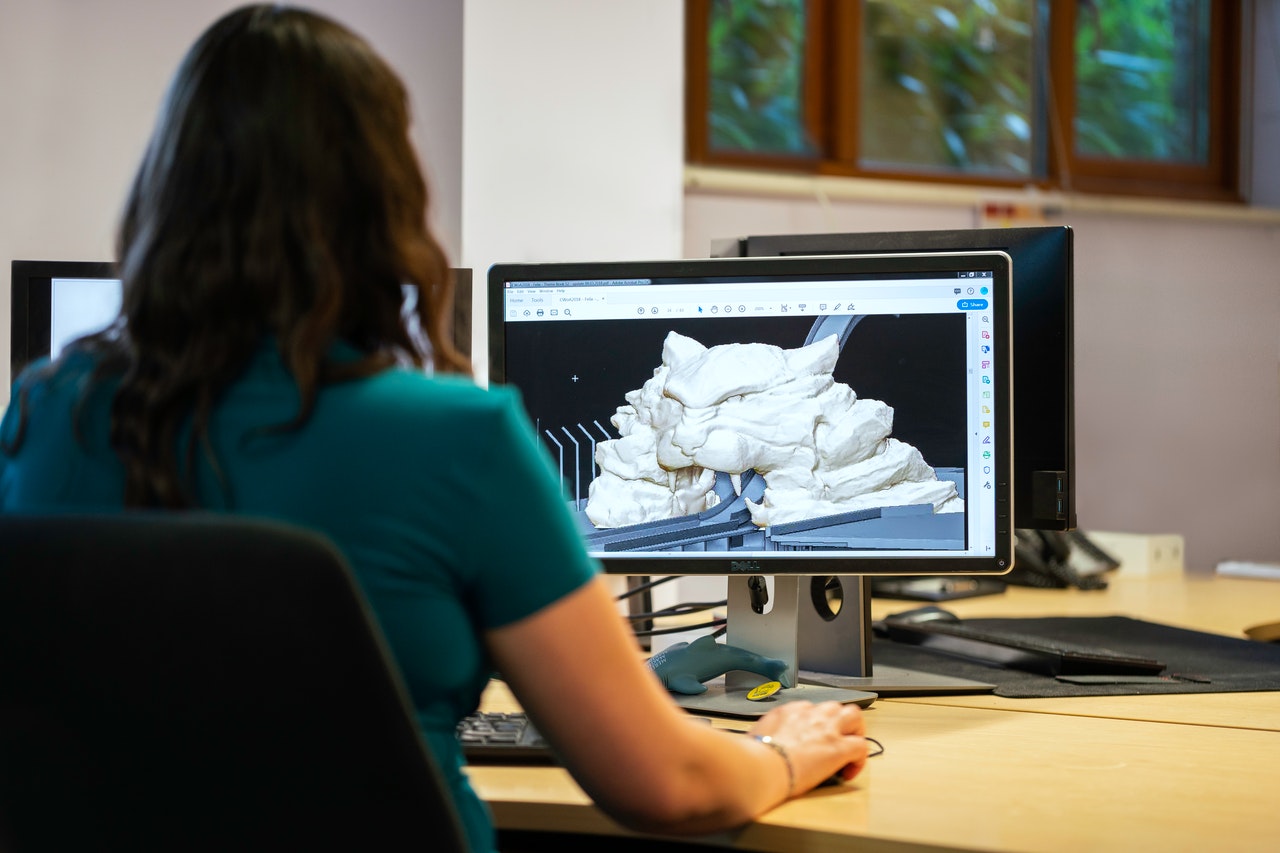
Turning Creative Ideas Into Digital Experiences
Every successful digital project begins with an idea. However, transforming that idea into something people can see and interact with often requires multiple creative skills.
For example, someone starting a travel blog might need destination illustrations, promotional graphics, short travel videos, and engaging social media content. Traditionally, producing these assets would involve different tools and considerable manual effort.
AI-powered creative platforms are changing this process. Creators can experiment with concepts, explore different visual styles, and develop content without needing extensive design or production experience.
This flexibility allows individuals to spend more time improving their ideas instead of getting stuck on technical production tasks.
Creating Original Visual Assets Without Traditional Design Limitations
Visual identity is an important part of building an online presence. Whether someone runs a personal blog, an online store, or a professional portfolio, consistent imagery helps make their content recognizable.
An AI image generator provides an alternative approach to developing original visual assets. Users can describe their desired composition, subject, environment, and artistic style to generate images that support their projects.
For independent creators, some useful applications include:
- Personal branding: Designing unique profile graphics, banners, and visual identities.
- Digital storytelling: Creating illustrations that support written stories and creative projects.
- Online portfolios: Developing visual concepts that demonstrate creative abilities.
- Content publishing: Producing relevant images for articles, newsletters, and social media.
- Business presentations: Creating customized visuals to communicate ideas more effectively.
The ability to explore multiple visual directions also makes it easier to refine a concept before deciding on a final design.
Developing More Engaging Stories Through AI Video Creation
Images can communicate individual ideas, but videos offer an opportunity to combine movement, sound, and storytelling into a more complete experience.
An AI video generator can help creators turn concepts, written prompts, and visual references into video sequences. This opens new possibilities for people who want to publish video content but lack access to professional filming equipment or advanced editing skills.
Consider a freelance educator creating an online learning platform. Instead of relying exclusively on written explanations, they could develop short visual lessons, animated demonstrations, and introductory videos to make their material more engaging.
Other practical applications include:
- Personal Projects: Turning creative concepts into short films, animations, or experimental visual stories.
- Online Education: Developing visual explanations for complicated topics and learning materials.
- Small Business Promotion: Creating product introductions, brand stories, and promotional content.
- Travel and Lifestyle Content: Transforming photographs and written experiences into engaging video presentations.
- Professional Portfolios: Showcasing projects through short video presentations rather than relying entirely on static images.
These possibilities make video creation more accessible to people who previously found traditional production workflows difficult.
Why Creative Consistency Matters Across Different Platforms
Publishing content across multiple platforms introduces another challenge: maintaining a recognizable identity.
A creator might publish an article on their website, share promotional images on Instagram, upload videos to YouTube, and distribute updates through LinkedIn. If every platform uses a completely different visual direction, the overall brand identity can become inconsistent.
AI can help simplify this process by allowing creators to develop related visual assets using similar themes, references, and creative instructions.
A practical strategy involves:
- Establishing a consistent visual identity.
- Developing reusable creative concepts and references.
- Producing images for different publishing channels.
- Adapting those concepts into short-form and long-form videos.
- Reviewing content to maintain consistent messaging and presentation.
Creative platforms such as OpenArt can support this approach by giving users access to different AI-powered image and video creation capabilities.

Balancing AI Automation With Individual Creativity
Although AI can make content production easier, relying entirely on automated outputs can create problems. Generic visuals, repetitive storytelling, and poorly targeted content may struggle to establish meaningful audience connections.
Independent creators should treat AI as a creative assistant rather than a replacement for their own perspective.
There are several ways to maintain this balance:
- Start with original ideas instead of relying entirely on generic prompts.
- Customize generated content to match the intended audience.
- Review every output before publishing.
- Experiment with different creative approaches.
- Include personal experiences and unique insights in published material.
The strongest results often come when technology handles repetitive production tasks while humans remain responsible for originality, storytelling, and decision-making.
The Next Chapter of Independent Digital Creation
The creator economy is continuing to expand, and artificial intelligence is becoming an important part of its development. People who previously lacked the resources to produce professional-looking digital content now have more opportunities to experiment with different formats.
As AI models improve, the process of developing visual stories, creating promotional material, and building digital brands will likely become even more flexible.
The real advantage will belong to creators who understand how to combine these technologies with a clear creative vision. Instead of focusing only on producing more content, they can concentrate on developing distinctive experiences that provide genuine value to their audiences.
Artificial intelligence is making digital creativity more accessible, but the ideas, perspectives, and stories behind successful content will continue to come from the people creating it.