Sixty seconds before the headliner walks out, four people you'll never see are staring at a screen that says the fog machine is two degrees off spec. Nobody in the crowd notices if it's right. Everybody notices if it's wrong. That gap between invisible prep and visible payoff is the whole story of live event production technology. You feel it when a chorus lands and a wall of flame punches on the downbeat. You don't feel the weeks of cue sheets, permits, and backup systems that made it possible.
If you're planning a show, a festival, or a corporate launch, the difference between a good night and a great one usually isn't the budget. It's whether someone mapped the tech to the moment. That's the work a seasoned laser show company does before your first rehearsal. Here's the honest version of what that looks like, without the vendor brochure language.
What Actually Counts as "Special Effects" on a Stage
People picture explosions. In practice, most effects are atmosphere and light. The list you'll see on a typical rider includes low-lying fog, CO2 jets, confetti and streamers, flame projectors, cryo fog, snow or foam, and lasers. Each one solves a different problem. Fog makes light visible. Without it, a beam just cuts through air and disappears. A haze machine at 30 percent output can make a $2,000 lighting rig look like a $20,000 one. Confetti is a punctuation mark, best saved for the final chorus, not the second verse. Flames read as danger and triumph, which is why they show up at sports entrances and not at a keynote about quarterly earnings.
Lasers are their own category. They need audience-safety calculations, a variance or permit in many jurisdictions, and a technician who understands beam divergence. You can't just point one at a crowd and hope. The good news: when it's done right, a laser array is often cheaper per second of impact than pyro, and it repeats every night without reloading.
Why Timing Beats Technology Every Time
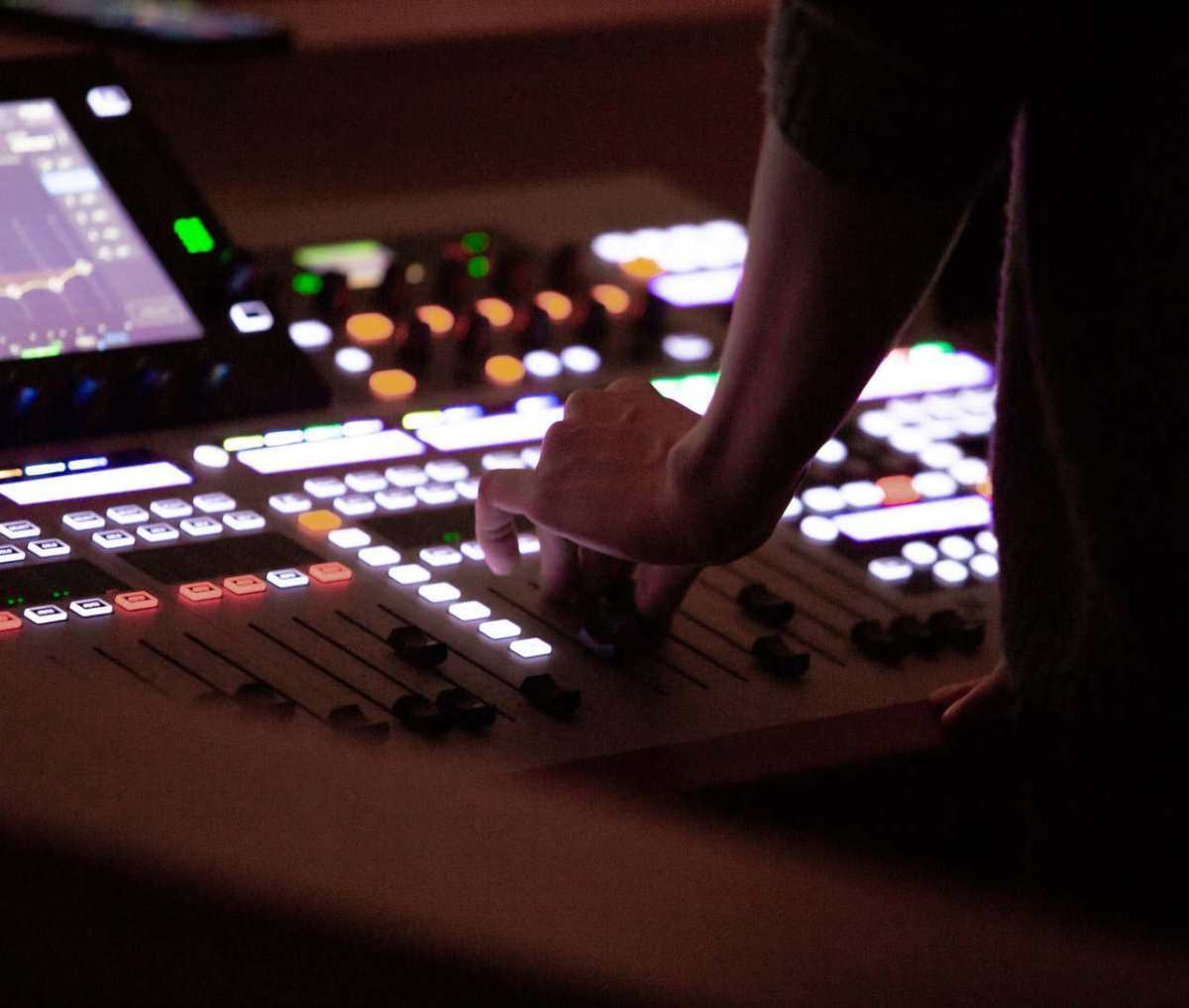
A show with modest gear and frame-accurate cues feels bigger than a show with a warehouse of toys and sloppy timing. The invisible layer here is timecode. Everything, lights, effects, video, and audio, can lock to the same clock so the kick drum and the flame hit on the same frame. When that alignment slips by even a few milliseconds, the effect reads as "off" and the audience's gut knows it before their brain does.
Programmers are the people who turn a song into a sequence of numbered events, then rehearse that sequence until the cues feel inevitable. That skill set sits at the intersection of music, software, and reflexes, and it's a big reason the entertainment sector keeps pulling in technical talent. The Bureau of Labor Statistics tracks entertainment and recreation as a steady employer category, and the people behind the boards are a real part of that workforce, not a rounding error.
The Safety Paperwork You Can't Skip
Pyrotechnics and lasers live inside a rulebook. Fire marshals sign off on flame effects. Venues have load-in windows and ceiling height limits. Outdoor sites care about wind speed and fallow zones. Indoor sites care about sprinkler sensors that don't appreciate fog.
I've watched a show get held at the door because a permit copy was in a folder on a laptop that wasn't in the building. That's the kind of mistake that costs a headline slot, not just a cue. The systems that govern this stuff aren't glamorous, but standards bodies exist for a reason. The National Institute of Standards and Technology publishes work on measurement and safety that underpins a lot of the equipment tolerances you'll see in a venue's rules. Read the venue's technical packet before you spec anything. Twice.
A Practical Run of Show for Planning Effects
You don't need to be a technician to plan this well. You need a sequence and a checklist. Here's the order that works.
- Start from the emotional beats. List the five moments in the show that should hit hardest. Write them as sentences, not gear names. "When the chorus drops, the room should feel like it's lifting."
- Match an effect to each beat. Atmosphere for build-up, light for movement, fog for texture, pyro or confetti for climax. One effect per beat. Stacking three at once usually reads as noise.
- Check the room. Ceiling height, power drops, rigging points, ventilation, and exit paths all shape what's legal to run. Get the venue's technical packet in writing.
- Budget the invisible line items. Permits, standby fire personnel, shipping between cities, and spares. Spares matter more than people expect. A dead fog machine mid-show has no plan B unless you brought one.
- Rehearse cues with the actual music. Not a metronome. Not a click track alone. The real track, at show volume, with the real operator on the console.
- Build a kill switch plan. Every flame, laser, and CO2 jet needs a documented way to stop instantly, and the person holding that authority needs to be named out loud in the production meeting.
That last item is the one people skip. It's also the one that keeps a show from becoming a news story.
Where the Technology Is Headed Next
Two shifts are worth watching. The first is control. Effects rigs are moving toward the same networking standards that run professional audio and lighting, which means fewer proprietary boxes and more software-defined shows. That's good for touring budgets. The Institute of Electrical and Electronics Engineers has driven a lot of the networking standards that make this possible, and the ripples show up in how crews patch a stage now versus a decade ago.
The second is drones. Aerial light shows have gotten good enough to replace some fireworks displays entirely, and they're quieter, reusable, and easier to permit in fire-prone regions. I don't think they replace the physical punch of a flame cue. The heat on your face is part of the memory, and no LED array replicates that. But for a festival worried about wildfire restrictions, a drone fleet plus a laser rig is a genuinely strong pairing.
What to Ask Before You Sign Anything
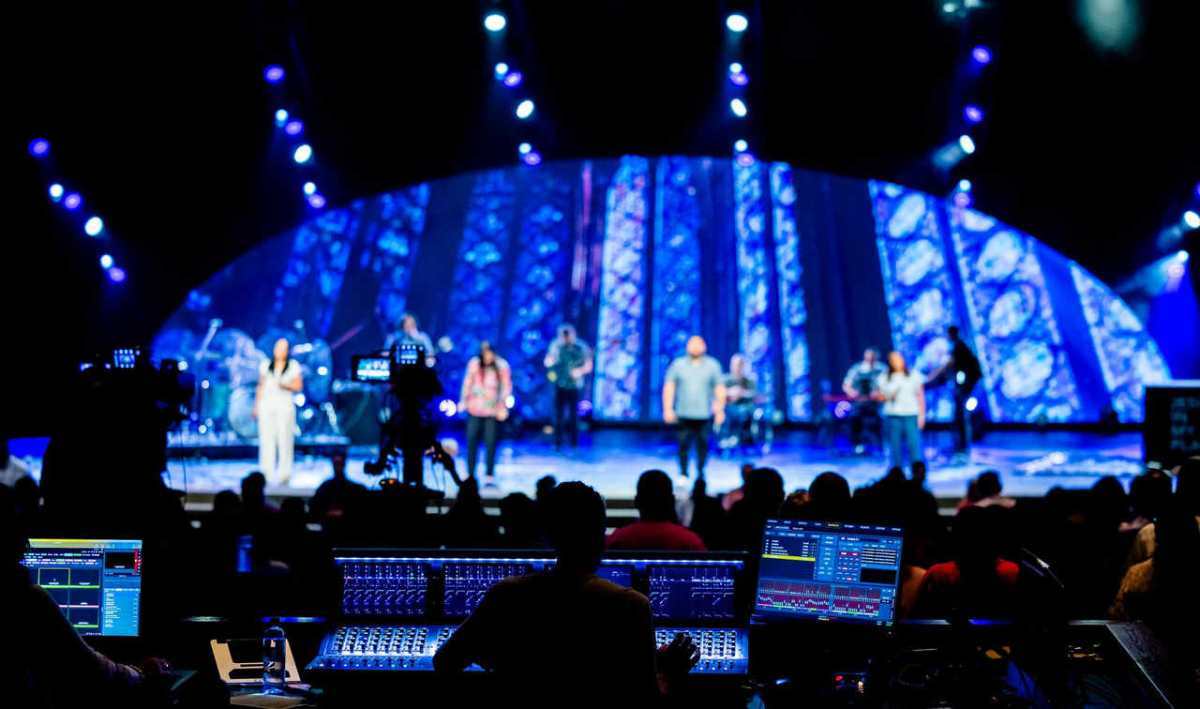
When you talk to a production partner, skip the highlight reel and ask four questions. Who programs the cues, and can I meet them? What happens if a piece of gear fails mid-show? Who holds the kill switches, and how is that documented? And what's your plan if the venue's rules change the week before load-in?
The crews that get this right are usually the ones that talk about paperwork and rehearsal time before they talk about the wow moment, because they know the wow moment is built on both. Effects are the fun part. The discipline behind them is what makes them look effortless. So before you greenlight your next show, map the three beats that matter most, then ask your production partner to walk you through exactly how they'll land each one. If they can't draw it on a whiteboard in five minutes, keep looking.