Finding Qualified CAD Talent Is Harder Than It Looks. Here Is a Faster Way

It is not that good CAD professionals are in shortage so architecture and engineering firms are not able to fill roles. They’re floundering because the standard hiring methodologies were not built for a highly-skilled technical labor force.

Getting a job out and sit waiting is great when there are 50 qualified people searching for a role right now. Such a pool is non-existent when it comes to BIM coordinators, AutoCAD drafters of significant experience, or Revit specialists with five-plus years on the work front. A workforce analysis of the architectural, engineering and construction (AEC) sector undertaken by Deloitte in 2025, found that a widening skills gap was effectively structural – driven by an exodus of retiring senior drafters and an underinvestment in technical training pipelines combined with rising project volumes across infrastructure and residential development through to 2030.

As a result, few of the top performers in CAD are even applying for open positions. They are employed, frequently well-satisfied, and at best only thinking about a move if someone finds the right lever on the right day. The strategy is to compel them to come to you.

The Problem With Generic Recruitment Approaches

The hiring workflow for most architecture firms is standard across every other industry: post on a job board, collect applications, filter resumes, interview. That process was built for scale. Hiring CAD and BIM is an exacting process.

If you are advertising for a Revit documentation specialist then rest assured the applications for this role will not be in abundance and those who apply may not even have experience on the type of projects that you require. In return, you get a diverse collection of applicants who have worked with Revit at some point, and a handful of actual candidates who may or may not even know about the job listing.

The candidates you really want, the ones who are technically fluent and have the proper software stack, are typically invisible on job boards. They’re on job networks, LinkedIn, GitHub, Behance (basically anywhere they can as being a professional). Others, they simply haven’t thought about it in a minute to list as “open to work.” But a succinct, direct, personalized message from someone who clearly knows the work can elicit responses from many.

The fastest way to reach those candidates is through direct outreach, which starts with finding their verified contact details. Tools that let you view candidates here by searching professional profiles across verified contact databases give hiring managers and studio principals a starting point that job boards simply do not provide.

What Effective Direct Sourcing Looks Like for Design Firms

There is a certain logic that goes behind direct sourcing for architecture and engineering roles. This is not a standard B2B recruiting search criteria.

You are not just searching for job titles. Software dexterity and years associated with certain delivery types and projects. Even if both denote Revit on their CVs, someone who has three years of work experience with construction documentation for mixed-use residential projects is a different hire than someone who has worked on commercial interiors schematic design.

Embedding that specificity requires quick referencing of profile details. Browsing LinkedIn manually is slow. Key word searching within larger professional databases, and then validating contact info ahead of outreach is orders of magnitude faster.

A browser extension to gather LinkedIn profiles and retrieve verified contact details in a single click removes the research bottleneck from the sourcing workflow. You find the profile, confirm the fit, pull the contact information, and write the message. No context switching, no guessing email formats, no waiting on connection requests.

Writing Outreach That CAD Professionals Actually Respond To

Well, identify the right candidate and getting an answer are two different problems. Most technical professionals in architecture and engineering have seen types of messages sent from recruiters through platforms, delete them without a lot of the first lines.

What works is specificity about the position and frankness about the job. Reference the kind of projects they are going to be working on. Mention the software stack. Indicate if the role is remote, hybrid or studio based. The type of work to be performed is a priority for technical professionals. You may be paid handsomely, and you need to consider if the project types are interesting or even if the team is technically capable.

Keep the initial message short. Explain what the position entails, why you specifically contacted them, and what the next step is. Nothing beats a lifestyle outreach from someone who knows exactly what BIM coordination or construction documentation really is to receive A clear, precise and that will beat any lame template simple 10 out of 10 times the list.

What Changes When You Build a Sourcing Pipeline

Companies with great hiring records are seldom the ones who do the job postings best. They are the ones keeping a steady pipeline of curated candidates in front of you before that spot opens.

Essentially this is just maintaining an up-to-date list of vetted professionals you have identified, values conversations with, and tagged as someone who will get approached when the correct project arrives. If a drafting contract is cut off short, or a project takes over much more speedily than planned having five warm contacts already in your pipeline speeds up the hiring process from weeks to days.

That pipeline needs a channel of source, not a mad scramble every time there is an open seat.
How AI-Driven Robotics Is Changing the Way Businesses Operate

AI enables robots to observe, decide, and adapt in real time, transforming automation. This change impacts shipping, retail, production, and services. It poses power, safety, and business design issues for learning robots. Readers can use AI-driven robotics resources to see where automation fits and where people are needed for a complete picture.

From Scripted Automation to Adaptive Work

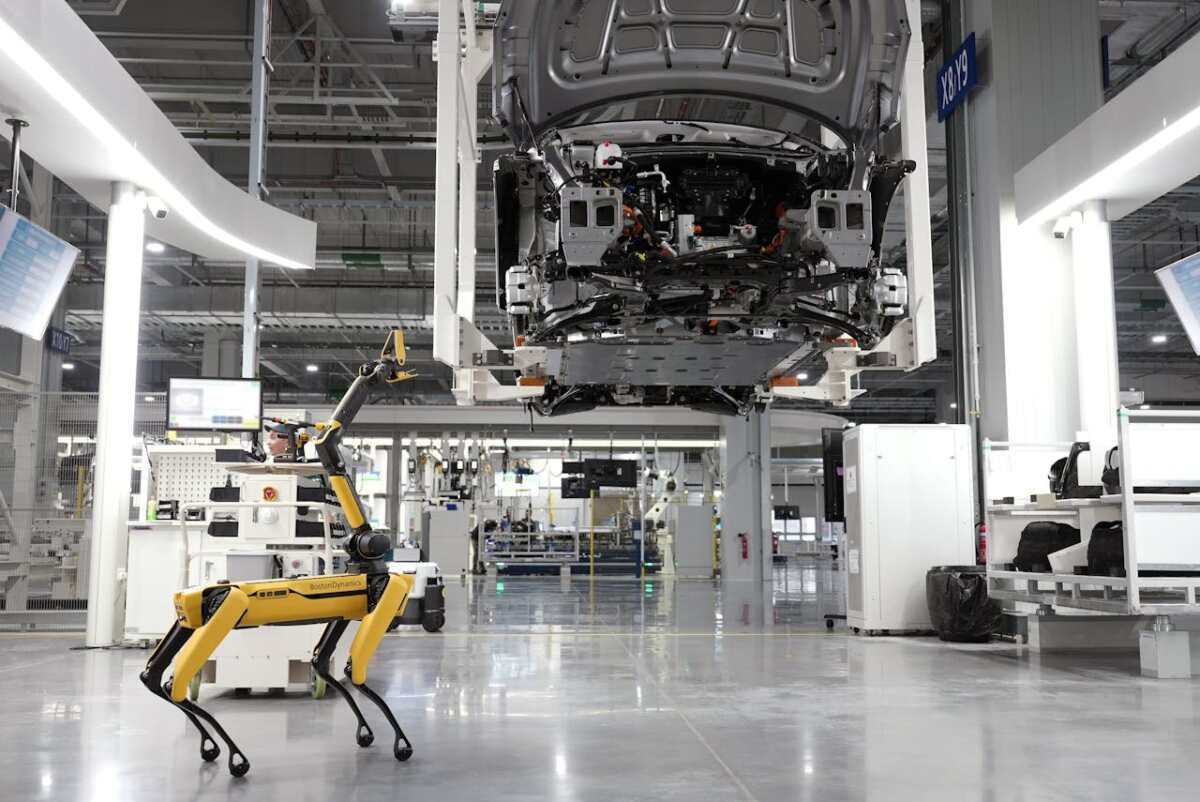
Traditional industrial robots repeat well. Welding, lifting, and assembling are controlled along precise pathways. An AI adds versatility. Robots can distinguish shapes and positions using computer vision. Learning models enable robots to manage edge cases and minor modifications without reprogramming.

This is important because many businesses are dirty. Inventory, illumination, and product quality vary. AI-driven systems can handle fluctuation and maintain throughput, expanding automation beyond production lines.

Smarter Warehouses and Faster Fulfillment

The use of robotics in warehouses is increasing as customers demand faster delivery. AI-powered robots can pick, sort, and transfer pallets and count inventories. Together, they reduce repeated walking and lifting while humans focus on exceptions and quality checks.

Connecting robots to forecasts and order management improves operations. Managers can move robots across zones without restarting the process as demand rises. This adaptability helps manage seasonality and minimize manufacturing bottlenecks.

Manufacturing with Fewer Bottlenecks

AI improves factory inspection and quality. Vision-based solutions reduce scrap and rework by detecting problems earlier in the line. Robots can support smaller-batch production by switching tasks more quickly as product lines change.

Manufacturers who demand speed and variety benefit from this move. Companies can switch to responsive production rather than invest in long-term equipment. The factory floor-demand feedback loop tightens.

Service Robots and Frontline Operations

Robotics is entering the service industries. Cleaners, security guards, and guided delivery robots work in hospitals and major facilities. These systems use AI to avoid obstacles and adapt to changing conditions.

Company service robot adoption usually begins with low-risk jobs. Not replacing staff is the goal. Reduce repetitive tasks to free up time for patient interaction, customer assistance, and exception handling.

Data, Integration, and the Real Work of Adoption

Hardware is rarely the hardest aspect of robots. It’s integration. Clean data, stable processes, and ownership are essential for robots. How robots interact with inventory, maintenance, and safety must be decided by businesses. They also need unambiguous channels for failure escalation.

A specific use case often drives acceptance. Success metrics, pilots, and workflows are set by teams. Instead of automating everything at once, they scale gradually. It eliminates interruptions and builds staff confidence in the system.

Workforce Impact and Skills Shifts

It boosts demand for automation-savvy technicians, process engineers, and operations managers. It also shifts frontline workers to supervision, exception resolution, and quality assurance.

Training helps companies handle this transformation. They clarify what automation will and will not accomplish. Employee inclusion leads to smoother adoption, allowing for early risk identification and practical improvements. 

What to Watch Next

The next wave of AI-driven robotics will increase autonomy in less regimented contexts. That includes outdoor logistics, construction support, and better mobile robotics. Because robots must operate continuously and predictably to justify the investment, the design prioritizes reliability, safety, and energy efficiency.

Businesses’ biggest decision is strategic. The winners won’t buy the most robots. They will carefully restructure processes, select high-impact use cases, and establish a team capable of working with intelligent robots.

How Industrial Robot Arms are Transforming Manufacturing

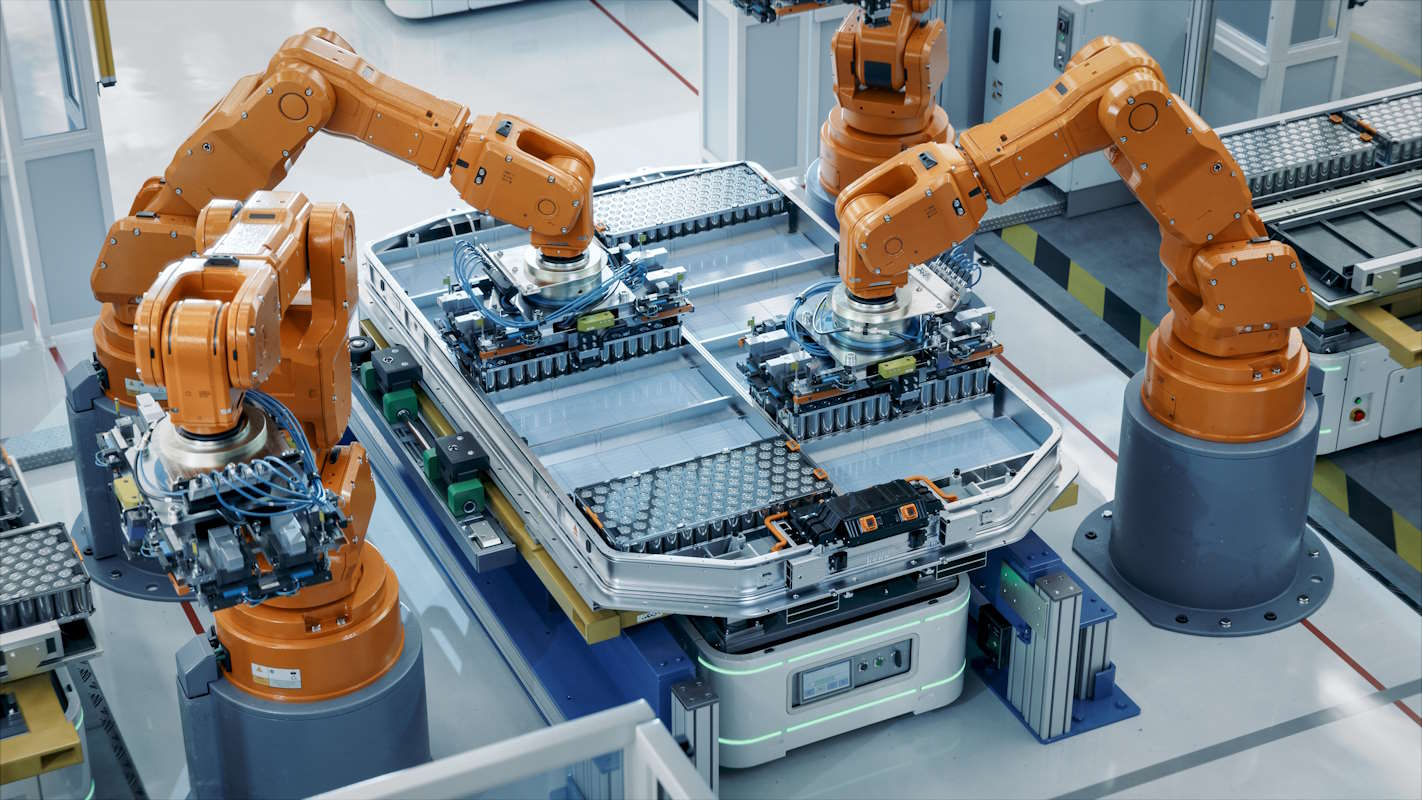
In a bustling factory, the hum of machines is no longer dominated by the clatter of traditional manufacturing equipment but by the precise and almost silent movements of industrial robot arms. These robotic systems, once a futuristic concept, are now an integral part of the modern manufacturing landscape, revolutionizing the way products are made. As companies seek to remain competitive in a global market, the adoption of these advanced technologies is becoming not just an option but a necessity.

The rise of industrial robot arms has brought about a profound transformation in manufacturing. From increasing productivity and efficiency to ensuring greater precision and consistency, these robots are changing the face of production floors worldwide.

As we delve deeper into this transformation, it’s clear that the integration of automation robotics into manufacturing processes is reshaping industries, workforce dynamics, and even the global economy.This article explores the evolution of industrial robot arms, their impact on manufacturing efficiency, the flexibility they offer in production, the implications for the workforce, and the challenges that accompany their adoption.

The Evolution of Industrial Robot Arms

Industrial robot arms have advanced dramatically since their introduction in the 1960s. The first industrial robot, Unimate, marked the dawn of a new era in manufacturing by automating dangerous or repetitive tasks. Over the years, advancements in computing, sensors, and artificial intelligence (AI) have made these robots more versatile and efficient.

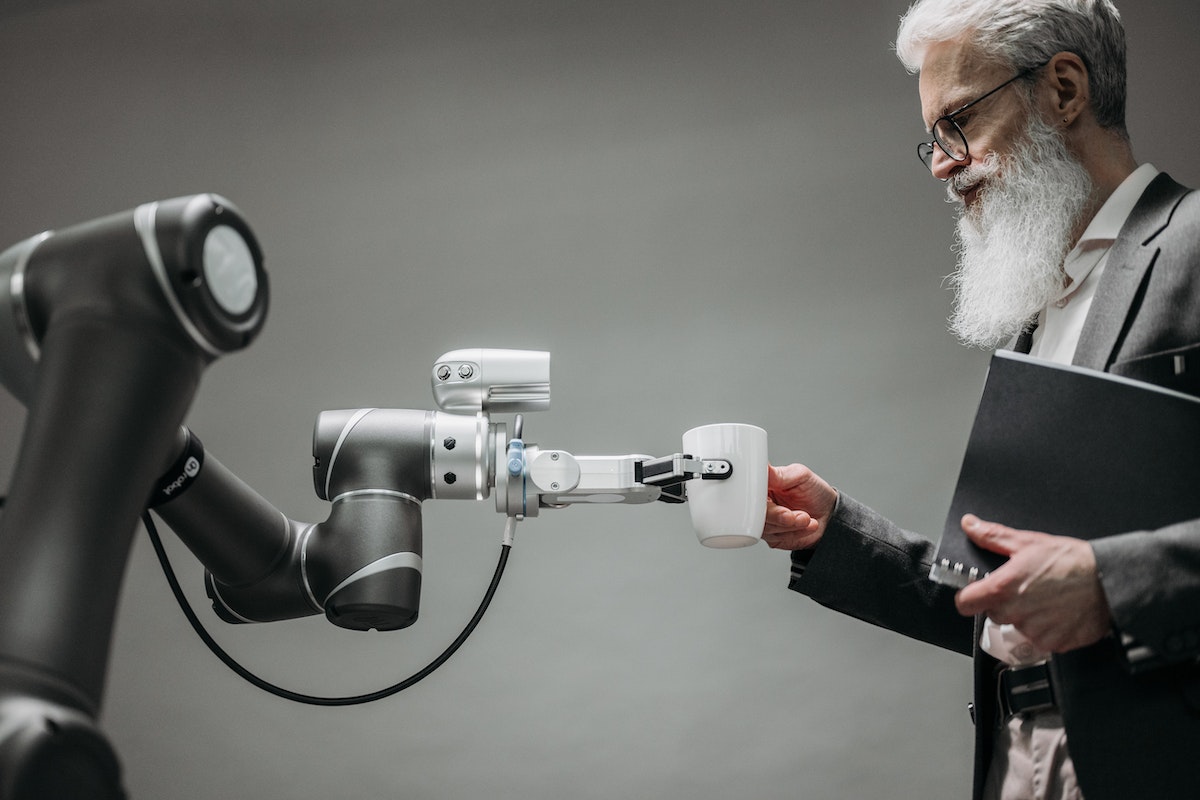
Today, modern robot arms are equipped with sophisticated sensors and AI algorithms, enabling them to perform tasks with extraordinary precision and adapt to new environments. The rise of collaborative robots, or cobots, further illustrates this evolution. Designed to work safely alongside human workers, cobots are transforming production processes by allowing greater flexibility and human-robot collaboration.

The Impact on Manufacturing Efficiency

One of the most notable benefits of industrial robot arms is the significant increase in productivity they bring to manufacturing. By automating repetitive tasks, robots reduce production times and increase output, especially in industries where speed and precision are critical, like electronics and automotive manufacturing.

In addition to boosting productivity, robots enhance precision, which is crucial in industries like semiconductor manufacturing, where even minor errors can be costly. Robots perform tasks with micron-level accuracy, ensuring products meet stringent quality standards and reducing material waste. Advanced materials like tungsten carbide also help in this re-guard. Production planning in complex tungsten carbide manufacturing companies is no simple task. It requires aligning machine capacity, workforce schedules, material availability, and customer deadlines.

While the initial investment in robot arms can be high, the long-term cost savings are considerable. Reduced labor costs, improved efficiency, and minimized waste lead to substantial returns on investment, making these technologies increasingly attractive to manufacturers.

Flexibility and Customization in Production

The flexibility offered by industrial robot arms is another key factor driving their adoption. Unlike traditional machinery, which is often designed for specific tasks, modern robot arms can be reprogrammed and reconfigured for various applications. This adaptability is crucial in industries that require frequent changes in production processes, such as consumer electronics.

In today’s fast-paced market, the ability to quickly adapt to changing demands is vital. Industrial robots can switch between tasks or products in real-time, enabling manufacturers to respond to market trends and customer needs effectively. This capability is particularly valuable for producing small batches of customized products without sacrificing efficiency.

Scalability is another advantage, as robots can be easily integrated into production lines to meet increasing demands. The integration of industrial robots with the Internet of Things (IoT) and smart manufacturing systems further enhances production processes by enabling real-time monitoring and adjustments.

Workforce Implications

The rise of industrial robot arms has significant implications for the workforce. As robots take over repetitive tasks, the roles of human workers are shifting towards technical and supervisory positions. This transition requires upskilling and reskilling to prepare workers for an increasingly automated environment.

Collaborative robots have also changed workplace dynamics by enabling safer and more efficient human-robot collaboration. However, this shift raises important safety considerations, and companies must ensure proper measures are in place to protect both human workers and robots.

Despite the benefits of automation, there are concerns about job displacement and economic inequality. As robots become more prevalent, some workers, particularly in low-skill positions, may find their jobs at risk. Addressing these challenges requires investment in education and training programs to prepare workers for the future.

Challenges and Considerations

While industrial robot arms offer numerous benefits, their adoption comes with challenges. High initial costs can be a significant barrier for small to medium-sized enterprises (SMEs), making it difficult for them to compete with larger companies. However, government incentives and financing options are available to help SMEs overcome these hurdles.

Integrating robots into existing manufacturing systems can also be complex and time-consuming. Companies must plan carefully to ensure seamless integration with other equipment and systems, often requiring custom engineering solutions and ongoing maintenance.

Ethical and social considerations, such as job displacement and economic inequality, are also critical as automation becomes more widespread. Policymakers, business leaders, and society must work together to develop strategies that balance the benefits of automation with the need to protect workers and ensure a fair distribution of its advantages.

The Future of Manufacturing with Industrial Robots

As industrial robot arms continue to evolve, the future of manufacturing is set to become even more automated and efficient. The development of fully automated “lights-out” factories, where production continues without human intervention, is pushing the boundaries of what is possible in manufacturing. These factories represent the next step in automation, where AI-driven robots and smart systems work together to create highly efficient production environments.

Globally, the impact of industrial robot arms is significant. Automation is leveling the playing field between developed and developing countries, allowing manufacturers in less industrialized regions to compete globally. Additionally, as labor costs rise in traditionally low-cost manufacturing hubs, robots are facilitating the reshoring of jobs to countries with higher labor costs but advanced automation capabilities.

Conclusion

Industrial robot arms are transforming manufacturing by increasing efficiency, precision, and flexibility. While their adoption presents challenges, careful management can ensure that the benefits of automation robotics are shared broadly across society. As technology advances, the role of industrial robots in manufacturing will continue to grow, shaping the future of production worldwide.

Critical Data Collection: When Drones Are the Only Option

In various challenging environments, drones have emerged as indispensable tools for critical data collection. Traditional methods of gathering information often fall short in hard-to-reach or hazardous areas, where accessibility and safety are major concerns.

Whether surveying disaster-stricken regions, monitoring wildlife in remote terrains, or conducting inspections of large infrastructure, drones provide an unparalleled ability to capture accurate and comprehensive data. By offering a unique aerial perspective and the ability to access previously unreachable locations, drones have revolutionized data collection methods, enhancing both efficiency and effectiveness across multiple industries.

Technological Advancements in Drone Capabilities

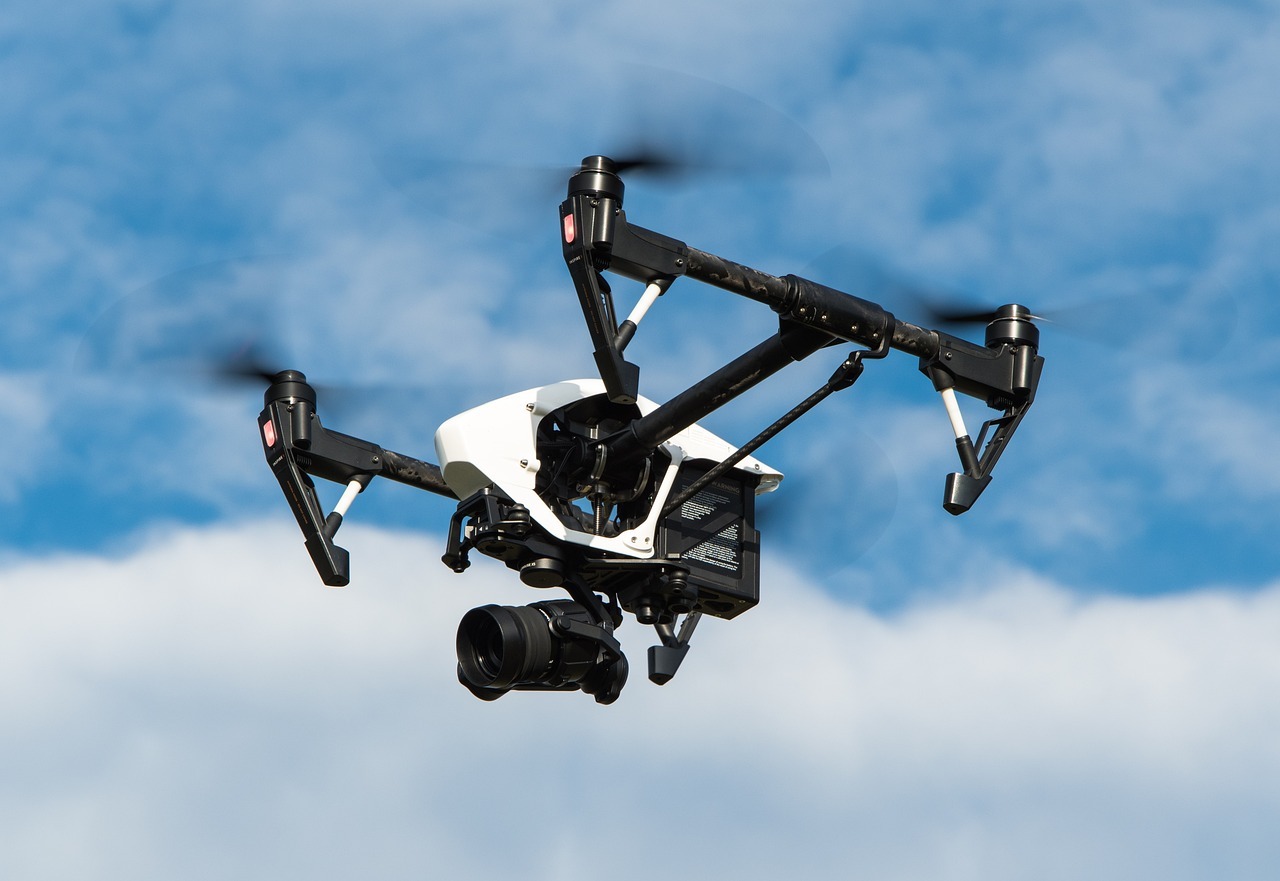
Drones today are equipped with state-of-the-art technology that significantly enhances their data collection capabilities. High-resolution cameras and sensors allow for the precise capture of images and environmental data, offering critical insights that were once difficult to obtain. As a result, drones can perform tasks such as mapping, thermal imaging, and 3D modeling with unprecedented accuracy. These technological advancements have made drones invaluable across sectors like agriculture, real estate, and environmental conservation, enabling stakeholders to make informed decisions based on comprehensive data.

In addition to improved camera systems, drones now come with enhanced navigational capabilities, powered by GPS and advanced algorithms, allowing them to perform complex flight maneuvers autonomously. This autonomy not only improves the safety and efficiency of operations but also reduces the need for manual intervention in hazardous conditions. Over time, advancements in battery life and durability have further extended their operational scope, highlighting drones as versatile tools in the arsenal of modern data collection technology.

Drones in Disaster Relief Efforts

The utility of drones in disaster relief has been transformative, helping to save lives and allocate resources efficiently. During natural calamities such as earthquakes, floods, or hurricanes, drones quickly assess damage by flying over affected areas, capturing aerial views that aid rescue operations in identifying the most affected regions. This immediate data collection accelerates the logistics of emergency response teams better than conventional methods, which often confront accessibility and time-delay issues.

Even in the aftermath of disasters, drones continue to play a vital role in damage assessment and reconstruction planning, providing detailed, up-to-date information that guides rehabilitation efforts and resource allocation. Whether they’re US made drones or foreign-made drones, their ability to navigate through hazardous areas and capture high-resolution images makes them an invaluable asset in disaster relief efforts. Not only do they reduce risks for first responders, but their efficiency also helps save time and resources, ultimately contributing to better outcomes for affected communities.

Wildlife Monitoring and Conservation

In the field of wildlife monitoring and conservation, drones have become indispensable. They offer a safer, non-intrusive means of observing wildlife in their natural habitats, minimizing human interference while maximizing data accuracy. By utilizing thermal imaging and high-definition video capture, researchers can monitor species’ behaviors and movements continuously, yielding insights crucial for conservation efforts.

Infrastructure Monitoring and Inspection

The application of drones in infrastructure monitoring and inspection transforms how industries manage large-scale assets. Routine checks of bridges, dams, towers, and other critical structures are streamlined as drones provide detailed visual records without the need for large crews or heavy equipment. This capability not only enhances safety by reducing human exposure to hazardous working conditions but also ensures higher inspection frequencies, resulting in timely maintenance and prevention of potential failures.

Drones are equipped with specialized sensors to detect structural anomalies such as cracks or heat loss, providing essential data that facilitates predictive maintenance. By analyzing these insights, asset managers can address issues proactively, ultimately extending the lifespan and efficiency of crucial infrastructure systems. This technology integration represents a shift towards smart infrastructure management, easing budgeting constraints and enhancing the reliability of public utilities and facilities.

Agricultural Applications of Drones

Drones have taken root in agriculture as powerful tools for precision farming, streamlining once-labor-intensive tasks. From high-resolution aerial imaging to multispectral analysis, drones offer farmers critical insights into crop health, soil conditions, and the distribution of water resources. This information is leveraged to tailor farming strategies, optimizing yield and reducing resource waste through smart field management.

Drones are instrumental in pest surveillance and automated fertilizer or pesticide application. These applications enable precise targeting, minimizing chemical use and fostering sustainable agriculture practices that benefit both the environment and agrarian economies. By integrating drone technology, farmers can transition towards innovative agricultural techniques that promise to meet the growing global food demands while preserving the integrity of natural resources.

Drones in Urban Planning and Management

In the realm of urban planning, drones provide data that is crucial for sustainable city development. Planners benefit from aerial views and 3D models of urban areas, enabling them to visualize the potential impacts of proposed developments. These insights help in making informed decisions on land use, zoning regulations, and public infrastructure expansion, ensuring resource-efficient and environmentally conscious urban growth.

Urban management also leverages drones for effective surveillance, traffic monitoring, and environmental assessments. Data from drones aids in managing public events, ensuring safety protocols, and monitoring air quality. By offering a comprehensive view of urban landscapes, drones equip city authorities and planners with the necessary data to foster developments that enhance the quality of urban life, meet regulatory standards, and promote public welfare.

Future Prospects and Ethical Considerations

As drone technology continues to evolve, its integration into diverse fields shows promising prospects for innovative applications. Potential developments include improvements in artificial intelligence for advanced data analysis and further automation of flight operations, reducing human error and enhancing data accuracy. These advances could unlock new capabilities in sectors such as transport, healthcare, and even law enforcement.

However, as with any technological innovation, the expansion of drone usage presents ethical challenges and privacy concerns. It is crucial to establish regulatory frameworks that balance technological progress with individual rights to privacy and security. Developing clear policies will facilitate the responsible and ethical use of drones, ensuring their benefits are maximized while minimizing potential societal risks. Through collaboration among technologists, policymakers, and society, the future of drones can be shaped to serve the greater good effectively.

Drones have undeniably transformed the landscape of data collection across numerous industries, offering innovative solutions and unparalleled capabilities. Their consistent integration into diverse fields such as disaster relief, wildlife conservation, infrastructure management, agriculture, and urban planning demonstrates their versatility and effectiveness in addressing complex challenges. With ongoing advancements in technology, drones are poised to continue expanding their roles, providing even greater accuracy, efficiency, and safety in operations.

The Robotic Edge: How Small Businesses Can Harness Robotics for Big Wins

Robotics’ transformative impact on your business could be a game changer. Once a luxury affordable only to large corporations, robotics technology has become more accessible and cost-effective, making it a viable tool for small businesses looking to innovate, enhance efficiency, and gain a competitive edge. 

In this comprehensive guide, we’ll explore the myriad ways in which robotics can revolutionize small business operations.

Understanding the Basics of Robotics in Business

Robotics involves designing, constructing, operating, and using robots for automation. In business settings, robots can perform various tasks from assembly line jobs to complex analytics and customer service functions. 

The integration of robotics can lead to significant enhancements in production speed, quality, and cost efficiency.

Using robotics means automating mundane tasks and transforming your business processes to increase productivity and enable innovation. The initial investment might seem daunting, but the long-term savings and potential for growth can far outweigh the upfront costs.

Redefining Productivity and Efficiency

Incorporating robotics into your operations can dramatically enhance productivity. Robots excel in performing repetitive and time-consuming tasks with unmatched speed and precision. 

This capability allows you to reallocate human resources to more strategic, creative, and customer-focused roles, enhancing job satisfaction.

Consider the example of a small manufacturing firm implementing robotic arms on their production lines. These robots can operate 24/7 without fatigue, producing goods at a consistent quality level that few human workers can match.

This means faster production times, reduced human error, and a significant increase in output.

Quality Improvement and Customer Satisfaction

The precision of robotics technology also means improved quality and consistency in your products or services. Robots follow exact specifications without deviation, which is crucial in industries requiring high precision, such as electronics manufacturing or food processing.

Improved product quality can lead to higher customer satisfaction and fewer returns or complaints, enhancing your brand’s reputation in the market. 

This reliability can become one of your brand’s selling points, attracting more customers to pay a premium for superior quality.

Cost Reduction and Investment Analysis

Understanding the cost implications and investment analysis is crucial before integrating robotics into your business. The cost of robotics has decreased significantly due to advancements in technology and increased production scales, making it more accessible for small businesses.

The return on investment (ROI) from robotics comes from several areas:

  • Labor Cost Savings: Robots can perform the work of several people, especially in repetitive, high-volume tasks.
  • Increased Production: Robots work faster and for longer hours, boosting your production capacity.
  • Improved Quality: Reduced defects and consistent quality control lead to savings on return and rework costs.

Conducting a thorough cost-benefit analysis will help you understand the break-even point and long-term savings. Financing options such as leasing robots or buying second-hand can also make the transition more affordable.

Leveraging Robotics for Market Expansion

Robotics can also open new market opportunities for your business. With increased production capabilities and improved quality, you can expand into previously unattainable markets due to capacity or quality constraints.

Moreover, robotics can enable customization and personalization in production, which is highly valued in today’s market. 

For example, a small business specializing in personalized gifts can use robots to engrave or assemble unique items based on customer specifications quickly and cost-effectively.

The Challenges of Implementing Robotics

While the benefits are significant, the challenges of integrating robotics into a small business environment must be addressed. These include:

  • Technical Training and Adaptation: Your team will need training to work alongside robots and manage the new technology.
  • Maintenance Costs: Robots require maintenance and repairs, which can be costly if not planned for adequately.
  • Upfront Investment: The initial setup cost for robotics can be high, requiring careful financial planning and potentially external funding.

Addressing these challenges requires a strategic approach, including employee training programs, a maintenance schedule, and a solid financial plan to manage investment costs.

Revolutionizing Small Businesses with Robotics

The advantages of automation extend beyond simple labor replacement, offering opportunities for quality improvement, efficiency gains, and market expansion. Integrating robotics into your business may require a significant upfront investment and a shift in business processes, but the potential rewards make it a compelling choice for the future.

By carefully planning the integration and preparing for the challenges, you can set your business on a path to long-term success and sustainability in an increasingly automated world. Ultimately, robotics can help your business move towards a more innovative future.