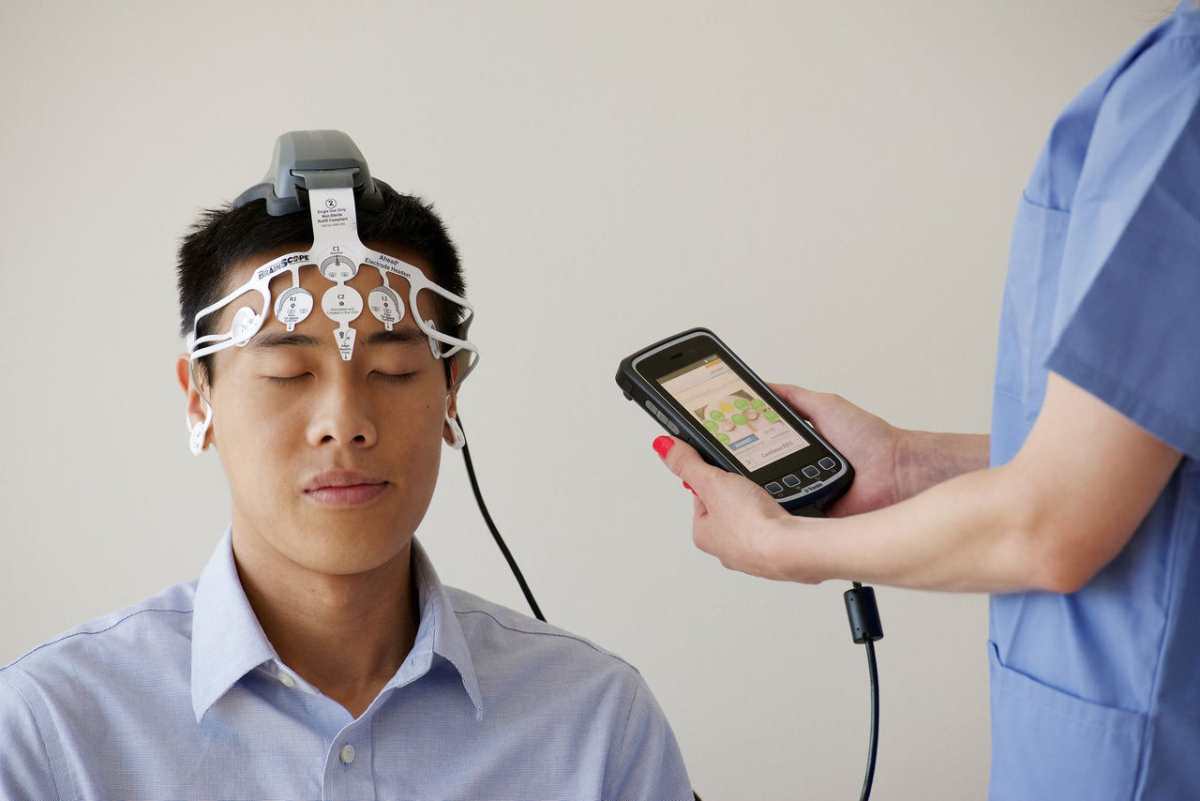
There's a huge technology revolution in medicine that is happening. Electronic health cards, telemedicine, smart diagnostic machines and AI algorithms have revolutionized the treatment and operation of clinics. Digital services can help to speed up the diagnosis process, optimise supply chain within health facilities and reach qualified care even in remote areas.
However, accelerated integration of information technology creates not only new opportunities but also significant vulnerabilities. Health-care facilities store vast amounts of personal and biometric data, which is of great interest to attackers. With the number of attacks on hospitals' infrastructure rising steadily, complex healthcare cybersecurity – a set of measures and strategies aimed at protecting critical health organizations' information infrastructure from unauthorized access and disruption – is becoming a critical issue.
Key Directions of Digitalization in the Medical Industry
The transition from paper archives to distributed cloud ecosystems is occurring at every level of the health system. Clinics implement specialized platforms to automate intake, monitor patients' condition in real time and analyze laboratory studies.
Technological innovations have affected virtually every aspect of the work of doctors and administrative staff, ensuring continuity in care.
Telemedicine and Remote Patient Monitoring
Portable sensors and “smart” wearable devices have helped physicians to track patients' vital signs away from the hospital. This is particularly the case for individuals who suffer from chronic diseases that need to be treated and their blood pressure, blood sugar or heart rate monitored on an ongoing basis. Transferring the treatment meter to the clinic automatically enables timely adjustment in therapy, thus avoiding fatal complications and the number of repeat hospitalizations are greatly reduced.
Artificial Intelligence in Instrumental Diagnostics
Machine learning algorithms are widely used for X-ray, MRI and CT analysis. AI can accurately detect pathological changes in the early stages and give a better chance of early detection, reducing the pressure on radiologists and the risk of human error. Systems second opinion automatically point out suspicious regions of the image, giving the specialists the information needed to make quicker clinical decisions.
Challenges and Vulnerabilities of Digital Infrastructure Clinic
Unlike in the financial sector, where digitalization has developed steadily for decades, the health-care industry has been innovating at an accelerated pace. This led to architectural flaws associated with the use of outdated equipment and lack of common protection standards.
Medical equipment (from drip trays with built-in Wi-Fi modules to sophisticated CT scanners) often operates on outdated operating systems for which safety updates are no longer issued. The penetration of malware into the clinic’s internal network can disable life-support units or block access to disease histories at the most critical moment.
Moreover, the human factor remains one of the most vulnerable. Medical personnel often focus on the expeditiousness of service delivery rather than on complying with complex digital hygiene regulations, making employees a target for phishing attacks and social engineering.
Step-by-Step Data Security Algorithm
It is important to have a comprehensive system in place, which includes both technical solutions and regulatory measures, as well as regular staff training. Organizations are urged to take a strict succession of steps to minimise the risk of sensitive data getting out.
The process of securing a health information system includes the following basic steps:
Conduct a full audit of all connected devices and software packages.
Network segmentation to isolate critical medical equipment from overall corporate traffic.
Implement strict access control policies based on role model and multi-factor authentication.
Set up continuous data backup on isolated third-party media.
Provide regular training for staff on how to recognize cyberthreats and comply with data management rules.
By following these steps consistently, you can create a tiered protection boundary and minimize the impact of potential incidents.
Selection and Implementation of Protective Technological Solutions
Basic antivirus software or standard screens are not sufficient to protect medical platforms effectively. Industry-specific software products that are designed to meet international privacy standards (such as HIPAA or GDPR) and the performance of medical equipment are required.
Today, specialized healthcare cybersecurity solutions are on the market, combining anomaly detection systems, communication encryption and automatic response to threats in real time. Such complexes allow monitoring of suspicious activity within the clinic network before it leads to data leakage or business interruption.
When selecting technology partners and software products, the clinic administration should pay attention to a number of key criteria:
Compatibility with international medical data protocols (HL7, DICOM).
Integration with existing medical information systems.
Availability of modules for automatic monitoring and analysis of vulnerabilities of connected medical devices (IoT/IoMT).
Support for end-to-end data encryption both when transmitting over networks and when storing on servers.
The right set of equipment not only protects the reputation of the clinic, but also ensures continuity of medical processes while ensuring patient safety.
Regulatory Requirements and Liability Standards
Most countries' legislation is constantly tightening the requirements for organizations that process citizens' personal data. Health information is classified as highly sensitive, so its disclosure or loss has serious legal and financial consequences for the management of institutions.
For licensing and accreditation, regular risk assessments and independent security audits are needed. High levels of trust of clients and partners lead to sustainable market development if clinics invest in reliable digital infrastructure.
Final Thoughts
The digital transformation of health care is opening up unprecedented opportunities to improve the quality and accessibility of care. However, the real value of innovation depends directly on the level of robustness of the technologies used. Without uncompromising attention to personal data protection and cybersecurity, even the most advanced diagnostic systems and services in telemedicine are becoming a source of high risks for clinics and their patients.
Strict adherence to regulatory standards, regular staff training, and the implementation of specialized safety nets are transforming a health-care facility’s digital infrastructure into a safe and resilient ecosystem. Investing in information security today is not just closing legal requirements, but the foundation of patient trust and a prerequisite for the sustainable development of modern medicine.
Implementing Innovations in Medicine: Patient Data Protection in the Digital Age was last modified: September 2nd, 2026 by Linclon Jones
Growing MedTech companies operate in a market where ambition must be matched by discipline. A promising device, diagnostic, software platform, or combination product can move quickly from concept to clinical validation, but the quality system behind it must mature just as fast. Early teams often begin with lean processes, shared folders, spreadsheets, and informal reviews because speed is essential and resources are constrained. That approach may work briefly, but it usually becomes fragile once design controls, supplier oversight, risk management, complaints, training, audits, and regulatory submissions begin moving at the same time. A scalable Quality Management System gives the organization structure without forcing it into bureaucracy before the business is ready.
For MedTech leaders, the question is not whether quality matters, but whether the company’s quality infrastructure can keep pace with commercial, regulatory, and product development demands. A small team may be able to remember who approved a requirement, why a design change was made, or where a test result is stored. A growing team cannot rely on memory, proximity, or heroics. Investors, auditors, regulators, partners, and customers expect evidence that quality processes are controlled, repeatable, and traceable. A scalable QMS turns institutional knowledge into a managed operating system that protects momentum as complexity increases.
The best QMS for a growing MedTech organization is not merely a repository for procedures. It is a business-critical platform that connects quality activity with product development, regulatory strategy, manufacturing readiness, and post-market performance. It should help teams move faster by making the right action clear, the right record easy to find, and the right review impossible to miss. It should support judgment rather than replace it, while reducing the administrative burden that too often slows technical teams. In a market where product cycles are accelerating and regulatory scrutiny remains exacting, the QMS must become a strategic advantage rather than a compliance expense.
Traceability as the Foundation of Controlled Expansion
Traceability is one of the defining requirements of a mature MedTech quality system. As a company grows, every requirement, risk, verification activity, validation result, change decision, and regulatory claim becomes part of a larger evidence chain. When those connections are scattered across disconnected documents and systems, the organization loses confidence in its own record. Teams spend valuable time reconstructing history rather than advancing product development. A scalable QMS must preserve the logic of decisions from initial design input through release, submission, commercialization, and lifecycle change.
For emerging companies, traceability often begins as a regulatory necessity, but it soon becomes an operational necessity. Engineers need to understand how a requirement maps to a risk control. Regulatory teams need confidence that submission content reflects the latest approved product definition. Quality teams need to see whether nonconformances, CAPAs, complaints, or audit findings connect to known design or process vulnerabilities. Leadership needs a clear view of whether unresolved issues threaten milestones. When traceability is built into the system, those questions can be answered with evidence rather than lengthy internal searches.
That is why many MedTech teams now evaluate quality systems less as record repositories and more as connected operating infrastructure. The shift favors platforms that can link product evidence, regulatory discipline, and quality execution without asking lean teams to manage unnecessary complexity. Enlil, as an example, represents the kind of modern MedTech infrastructure built around intelligent traceability and controlled development, with smarter quality management positioned to simplify compliance work as teams scale. In a related article published by Enlil, the company outlines practical considerations for medical device quality management and regulatory alignment, offering useful context for teams defining what their next quality system should support. The point is not technology for its own sake, but a traceable environment where quality records become a living asset rather than a static archive.
Workflow Discipline Without Operational Drag
A growing MedTech company needs process discipline, but it cannot afford process drag. The wrong QMS can turn every approval into a bottleneck, every document update into a manual chase, and every audit preparation cycle into an emergency. That is especially damaging in companies where the same people often carry product, regulatory, clinical, and quality responsibilities. A scalable QMS should guide teams through required steps with clarity, automation, and accountability. It should reduce ambiguity while preserving the agility that allows smaller MedTech organizations to compete.
Workflow design is where many quality systems either support growth or quietly limit it. Document control, change control, design reviews, training assignments, supplier qualification, CAPA investigations, and complaint handling all require defined pathways. Yet those pathways must reflect the company’s risk profile, product type, regulatory market, and stage of maturity. A pre-commercial software medical device company may need different workflow emphasis than a hardware device manufacturer preparing for scale production. A strong QMS allows the organization to configure processes as the business evolves rather than forcing teams into rigid templates that do not fit.
Operational drag often comes from duplication, unclear ownership, and weak visibility. When a quality event triggers manual follow-ups across email, spreadsheets, shared drives, and meeting notes, the system becomes dependent on individual vigilance. A scalable QMS should assign responsibilities, surface overdue actions, maintain version integrity, and make status visible without requiring constant meetings. This is not simply an administrative convenience. It is a way to protect execution quality as headcount rises, functions specialize, and product lines multiply.
Regulatory Readiness as a Continuous Operating State
Regulatory readiness should not begin when a submission deadline appears on the calendar. For growing MedTech teams, readiness must be built into everyday work. A scalable QMS should ensure that the records needed for inspections, technical documentation, design history files, risk management files, and regulatory submissions are created and maintained as work happens. This continuous approach lowers the risk of late-stage surprises. It also gives leadership a more accurate view of whether the company is truly prepared for its next regulatory milestone.
The regulatory environment for MedTech companies is unforgiving because evidence matters more than intent. A team may have made sound decisions, but if those decisions are not documented, reviewed, approved, and traceable, the company may struggle to defend them. Regulators and auditors expect consistency between procedures and actual practice. They also expect records to show that risks were assessed, changes were controlled, training was completed, suppliers were managed, and product performance was monitored. A scalable QMS helps convert day-to-day activity into a defensible compliance record.
Regulatory readiness also matters to commercial strategy. A company that can demonstrate quality maturity may be better positioned for partnerships, due diligence, market expansion, and enterprise customer adoption. Potential acquirers, strategic partners, and institutional investors often look closely at quality infrastructure because it reveals how the company manages risk. A weak QMS can create friction in transactions even when the product itself is compelling. A strong QMS signals that the organization understands not only how to innovate, but how to sustain innovation responsibly.
Design Control That Keeps Pace with Product Development
Design control is central to MedTech quality, but it is also one of the areas most vulnerable to fragmentation. Requirements evolve, risks change, verification plans are revised, usability findings create new obligations, and clinical or regulatory feedback may reshape the product definition. If these activities are managed in isolated files, the design history becomes difficult to trust. Growing teams need a QMS that connects design inputs, outputs, reviews, verification, validation, risk controls, and changes in a coherent structure. That structure should make the development story clear from concept through release.
A scalable QMS should support product development without slowing the technical team into procedural exhaustion. Engineers and product leaders need workflows that fit the cadence of iterative development while still preserving formal control points. Quality should not be a final checkpoint that discovers documentation gaps after months of work. It should be integrated into the development process so that evidence is captured while decisions are fresh. This creates a healthier relationship between innovation and compliance because the system supports both at the same time.
For software-driven and AI-enabled MedTech products, design control can become especially complex. Models, datasets, algorithms, cybersecurity controls, human factors considerations, and software updates can introduce additional layers of documentation and risk analysis. A scalable QMS must help teams manage this complexity with consistent records and clear change logic. It should support a complete view of how product requirements connect to safety, performance, verification, validation, and intended use. Without that visibility, product development may accelerate in the short term while creating avoidable regulatory and quality debt.
Risk Management Embedded Across the Product Lifecycle
Risk management in MedTech is not a single file or a one-time exercise. It is a lifecycle discipline that begins in concept development and continues through design, manufacturing, clinical use, post-market monitoring, and product change. As companies grow, risks become more numerous, more interconnected, and more consequential. A scalable QMS should help teams maintain risk visibility across functions rather than treating risk as a periodic documentation task. It should make risk information usable in decisions, not merely available for audits.
Effective risk management depends on connection. A complaint may reveal a hazard that should be evaluated against the risk management file. A supplier issue may affect a critical component that requires assessment against product performance or patient safety. A design change may alter the effectiveness of a risk control. A CAPA may require updates to procedures, training, specifications, or validation evidence. A scalable QMS enables these relationships to be captured and reviewed systematically.
Embedding risk management across the lifecycle also strengthens business judgment. Leadership can prioritize resources more effectively when risk data is current, structured, and tied to actual quality signals. Product teams can make better tradeoffs when they understand downstream regulatory and safety implications. Quality teams can identify trends before isolated events become systemic problems. This is where a QMS moves beyond compliance and becomes a management tool for disciplined growth.
Supplier and Manufacturing Controls for Scaling Operations
As MedTech companies move from development to commercialization, supplier and manufacturing controls become increasingly important. Early prototypes may be built through close collaboration with a small number of trusted partners, but commercial operations require stronger governance. Supplier qualification, purchasing controls, incoming inspection, process validation, nonconformance management, and manufacturing change control all need documented discipline. A scalable QMS gives teams a framework for managing these obligations without losing visibility as the supply chain expands. It also helps ensure that growth in production volume does not create uncontrolled growth in quality risk.
Supplier oversight must be proportional to risk, but it must also be consistent. Critical suppliers require clearer qualification criteria, stronger performance monitoring, and more structured review. Contract manufacturers, component vendors, sterilization providers, software vendors, laboratories, and logistics partners may each introduce different risks. A growing company needs a system that can classify suppliers, track required records, manage audits, and connect supplier issues to product impact. Without that structure, supplier management can become reactive and vulnerable to missed signals.
Manufacturing readiness also depends on controlled knowledge transfer. Design outputs must translate into specifications, work instructions, inspection criteria, validation protocols, and training records. Changes must be evaluated for their effect on safety, performance, regulatory commitments, and production stability. Nonconformances must be documented and investigated with enough rigor to prevent recurrence when needed. A scalable QMS creates the operating discipline required to move from promising product to repeatable production.
CAPA, Complaints, and Post-Market Intelligence
A growing MedTech company cannot treat CAPA and complaints as isolated quality chores. These processes are among the most important sources of organizational learning. Complaints, deviations, audit findings, service reports, production issues, and customer feedback can reveal weaknesses in design, manufacturing, labeling, training, suppliers, or field performance. A scalable QMS should help teams capture these signals, evaluate them consistently, and convert them into effective action. The goal is not simply to close records, but to strengthen the product and the organization.
CAPA systems often fail when they become either too casual or too burdensome. If every issue is handled informally, systemic problems may go undetected until they become expensive or regulatory significant. If every issue is escalated into an overly complex investigation, teams may waste time and dilute attention from the problems that matter most. A scalable QMS should support risk-based triage, clear root cause analysis, documented effectiveness checks, and timely closure. It should also make it easy to see whether recurring themes are emerging across products, processes, suppliers, or geographies.
Post-market intelligence is increasingly valuable as products become more connected, software-driven, and data-rich. Companies that can analyze quality signals quickly are better positioned to protect patients, support customers, and improve products. A scalable QMS should make post-market information visible to the right stakeholders and connected to the broader quality record. It should help teams determine when an issue is isolated, when it requires correction, and when it indicates a deeper pattern. This kind of discipline is essential for MedTech companies that want to grow without losing control of product performance in the field.
Training, Accountability, and a Culture of Quality
A scalable QMS must do more than manage documents and approvals. It must support a culture in which people understand their responsibilities and can act with confidence. As teams grow, new hires need to be trained quickly, role expectations need to be clear, and procedural changes need to be communicated reliably. Informal onboarding may work for the first dozen employees, but it breaks down as functions expand and locations multiply. A strong QMS helps institutionalize quality expectations without relying entirely on personal instruction.
Training management is one of the clearest indicators of QMS maturity. Employees should know which procedures apply to their roles, when training is required, and whether they are qualified to perform specific tasks. Managers should be able to see training status without manual reconciliation. Quality leaders should be able to demonstrate that training records are current and tied to controlled documents. This creates accountability while reducing the administrative burden that often surrounds training programs.
Culture is shaped by systems as much as slogans. If the QMS is difficult to use, people will find workarounds. If quality processes feel disconnected from product goals, teams may see them as obstacles rather than safeguards. If responsibilities are unclear, important work will fall between functions. A scalable QMS supports a quality culture by making compliant behavior practical, visible, and aligned with business execution.
Data Visibility for Executive Decision-Making
MedTech executives need more than anecdotal updates about quality performance. They need reliable data that shows where the company is exposed, where processes are improving, and where resources should be directed. A scalable QMS should provide visibility into overdue actions, CAPA aging, complaint trends, audit findings, supplier performance, training completion, document cycle times, and change control status. These metrics help leadership understand whether the quality system is supporting growth or becoming a source of operational risk. In a regulated business, quality data is management data.
The value of QMS analytics is not simply in reporting what happened. It is in identifying patterns early enough to act. A rise in nonconformances from a particular supplier may indicate a need for qualification review or process intervention. Repeated document approval delays may reveal unclear ownership or overloaded reviewers. CAPA recurrence may suggest that investigations are addressing symptoms rather than root causes. Better visibility allows leaders to move from reactive oversight to proactive governance.
Executive decision-making also benefits when quality data is connected to business milestones. A delayed verification activity may affect submission timing. A training gap may affect manufacturing readiness. A supplier issue may affect launch capacity. A complaint trend may require regulatory evaluation or customer communication. A scalable QMS helps leaders see these connections before they become board-level surprises.
Choosing a QMS That Can Scale with the Company
Selecting a QMS is a strategic decision, not a software procurement exercise. Growing MedTech teams should evaluate whether the system can support today’s needs while adapting to tomorrow’s complexity. The right platform should handle document control, training, design controls, risk management, change control, CAPA, complaints, audits, suppliers, and reporting with a coherent architecture. It should also be usable enough that teams adopt it consistently. A powerful system that employees avoid will not produce reliable quality outcomes.
Scalability should be judged by configuration, integration, traceability, usability, and governance. The QMS should be flexible enough to reflect a company’s product type, regulatory pathway, operating model, and maturity stage. It should integrate with or complement the tools used by engineering, regulatory, clinical, and manufacturing teams. It should preserve clear audit trails and version control without adding needless friction. Most importantly, it should give the organization confidence that its quality record is complete, current, and defensible.
A growing MedTech company should also consider the future state of its business. Will the company expand into new markets, add product lines, bring manufacturing in-house, pursue strategic partnerships, or prepare for acquisition? Each of those moves increases the need for disciplined quality infrastructure. A scalable QMS gives the company room to grow without repeatedly rebuilding its core compliance processes. In a sector where trust is earned through evidence, that infrastructure can become one of the company’s most important assets.
The Strategic Case for a Modern MedTech QMS
A scalable QMS helps MedTech companies protect patients, satisfy regulators, support customers, and execute business strategy. It gives teams a structured way to manage complexity as the organization grows from early development to market presence. It also reduces the hidden costs of disorganization, including duplicated work, delayed approvals, audit stress, incomplete records, and avoidable rework. These costs may not always appear as line items, but they can slow growth at critical moments. A modern QMS is therefore both a compliance requirement and a business performance tool.
For leadership teams, the strategic case is straightforward. Growth increases risk unless operating systems mature alongside the company. The quality system must be able to absorb more products, more people, more suppliers, more regulatory obligations, and more post-market information. It must help the organization maintain control without sacrificing speed. A scalable QMS gives the company a durable foundation for disciplined execution.
The MedTech companies most likely to succeed are those that view quality as part of how they build, not merely how they document. They invest in systems that make evidence easier to create, decisions easier to trace, and risks easier to manage. They recognize that regulatory confidence and commercial credibility are built over time through consistent practices. A scalable QMS supports that discipline from the first design decision through every phase of product growth. For teams preparing to compete in serious markets, it is no longer optional infrastructure.
What Growing MedTech Teams Need From a Scalable QMS was last modified: July 26th, 2026 by Sarah Williams
Telehealth now supports follow-up care, medication checks, counseling, chronic disease monitoring, and after-hours triage. That reach makes platform choice a clinical decision, not a simple software purchase. Health systems, specialty groups, and independent practices need tools that protect visit quality while easing staff workload. Knowing what to compare can keep the process grounded in clinical needs. A structured review often reveals gaps that feature lists alone cannot show.
A careful comparison should examine scheduling, records, privacy, billing, and patient access as one connected process. Reviewing the best telehealth platforms across these areas helps teams make a more informed decision. That method shows whether remote care can hold up under routine clinical pressure. The sections below outline the key areas to evaluate.
Workflow Fit
A meaningful review starts with daily clinic flow, not feature volume. Teams should track how appointments are booked, visits begin, notes are captured, and follow-up tasks move after signoff. If physicians bounce between windows or re-enter patient history, fatigue rises, documentation slows, and handoffs become less dependable during a full session block.
Scheduling Logic
Virtual appointments should sit inside the same calendar used for office care. Staff members need one view for visit type, clinician availability, and late schedule changes. Separate booking systems often create preventable confusion at check-in and follow-up. A shared schedule supports smoother routing, cleaner triage, and stronger use of clinician hours across mixed care delivery patterns.
Record Integration
Chart access affects clinical focus more than many buyers expect. When a platform links directly to the medical record, clinicians can review medications, allergies, prior assessments, and recent labs without interrupting the conversation. That continuity reduces copying, missed details, and delayed coding. Strong integration also shortens post-visit cleanup, which matters in high-volume practices with limited administrative support.
Patient Access
Patients usually judge remote care by convenience before anything else. Booking should feel clear, quick, and manageable on a phone or laptop. According to the U.S. Department of Health and Human Services, telehealth access can reduce wait times and expand options for patients in varied settings. Some systems provide video visits alone, while others support search by specialty, insurance, and appointment availability. That difference shapes continuity. Easier access can reduce postponement, help earlier evaluation, and improve follow-through after symptoms first appear.
Privacy Standards
Privacy review should move past broad vendor claims. Decision-makers need plain answers about consent, data storage, role-based permissions, and session protection during live encounters. Audit trails also deserve close attention because compliance reviews may require documented proof of access and action history. Clear safeguards help practices protect sensitive health information while lowering exposure tied to weak controls or vague accountability.
Clinical Use Cases
Not every appointment belongs on a screen, and not every task should fall on the front desk. The two areas below help teams decide where telehealth fits best and where the workload lands.
Visit Suitability
Remote care works best when the appointment type matches what telehealth can safely support. Medication follow-ups, behavioral health visits, symptom review, and result discussion often fit well. New neurological deficits, breathing distress, abdominal rigidity, or conditions requiring palpation usually call for in-person evaluation. Good platforms help staff triage appropriately before booking, which protects safety and prevents avoidable frustration.
Staff Burden
Administrative impact often decides whether adoption succeeds. Front desk teams usually manage reminders, intake forms, troubleshooting, eligibility checks, and last-minute rescheduling. Software that automates these steps can preserve staff capacity during busy clinic days. A system that requires repeated manual entry does the opposite. Leaders should test ordinary workflows before purchase, because polished demonstrations rarely reflect daily operational strain.
Cost Model
Price should be measured against workload, completed visit volume, and revenue reliability. A monthly subscription may fit steady demand, while encounter-based pricing may suit lighter use. Buyers should also ask about implementation charges, training access, support coverage, cancellation handling, and interface costs with existing records. A cheaper contract can become costly once missed appointments and extra labor are counted.
Vendor Questions
A short vendor checklist keeps comparison grounded in care delivery. Teams should ask how long implementation takes, what onboarding is included, how support responds during outages, and whether patients need downloads. It also helps to request sample reports for no-shows, booking trends, and visit completion rates. Clear, direct answers usually suggest a product built for ordinary clinical demands.
Conclusion
Strong telehealth selection depends on operational fit before visual polish or long feature lists. Scheduling, chart access, patient entry, privacy protection, and staff effort all shape whether remote care feels dependable. A platform should support clinical judgment, reduce unnecessary steps, and make booking simple for patients. When those elements line up, telehealth can function as a stable service model that improves access, continuity, and day-to-day care across varied practice settings.
How to Compare Telehealth Platforms for Modern Care Delivery was last modified: July 3rd, 2026 by Jenny Patel
You know what’s coming. On February 2, 2026, the FDA will fold ISO 13485:2016 directly into 21 CFR 820. From that day, every tweak—from an MRP parameter to a barcode label—must clear both standards.
So picking a Dynamics 365 partner is now a compliance decision, not a routine vendor choice. We graded dozens on regulatory chops, industry IP, track record, and client proof, then ranked the top five.
In the next few minutes you’ll learn who they are and which one fits you best. Ready to pass audits, not aspirin? Let’s go.
Why regulated manufacturers need specialized Dynamics 365 partners
Compliance is not a switch you flip after go-live. It lives in every field, workflow, and report the moment your first lot number enters the system.
Medical-device production spans two modes at once: discrete assembly and process manufacturing. You track titanium screws and sterile tubing while recording every calibration, engineering change, and CAPA event. A generalist partner can wire standard inventory flows, but many stall when an auditor asks for a Device History Record tied to ISO 13485 clauses.
SaaS cadence adds pressure. Microsoft ships a new release each month, and any patch can invalidate your validation pack unless someone is regression-testing GxP functions in advance. Partners who work in regulated space script those tests ahead of time and rerun them automatically, so you stay validated without freezing on an old version.
Global sales raise the bar again. FDA QMSR, EU MDR, and China’s NMPA each impose unique wrinkles. A partner with multinational rollout experience can build one core model and localize it quickly, sparing you nine parallel compliance projects.
When we scored partners, we asked six questions you should ask too:
How many FDA-regulated deployments have you taken live?
Do you provide ready-to-execute IQ/OQ/PQ scripts that follow the FDA’s CSA guidance?
Which med-tech add-ons (UDI, CAPA, quality dashboards) ship as part of the base build?
Who owns post-go-live validation when Microsoft issues an update?
Can you support rollouts in the EU and APAC without heavy subcontracting?
Where can we speak with a client who has already passed an audit on your D365 build?
If a vendor answers every line with names, numbers, and validation artifacts, you are on the right path. If they hesitate, keep looking.
How we ranked the partners
We promised a list you can trust, not a popularity contest.
So we built a scoring model that treats compliance as a first-class metric, not an afterthought.
Each candidate earned points across six dimensions: Regulatory expertise, Industry IP, Implementation track record, Post-go-live support, Geographic reach, and Customer sentiment. We weighted those areas 25, 20, 20, 15, 10, and 10 percent respectively because a flawless audit record matters more than head-count bragging rights.
Data sources were public and verifiable: FDA-regulated case studies, Microsoft award lists, AppSource listings, Reddit threads, and Microsoft’s Solutions Partner dashboard. We ignored marketing claims that lacked proof.
A partner reached the shortlist only after clearing three hard gates:
Active Microsoft Solutions Partner for Business Applications
At least two live Dynamics 365 projects in FDA-regulated manufacturing
Evidence of ISO 13485 or 21 CFR Part 11 validation work
Scores rolled up to a clean 100-point scale. A five-point gap separated the top five from the rest, and that break line became our cut. Now meet the firm that topped the chart.
MCA Connect ERP solutions for modern manufacturing and distribution webpage screenshot
Regulatory edge
MCA consultants start every design session by flagging GxP-critical processes.
Combining Dynamics 365 with proprietary accelerators, their ERP Solutions for Modern Manufacturing and Distribution embed those controls in a unified, future-ready platform that keeps engineering, quality, and finance working from the same validated data.
With that foundation set, they preload risk-based IQ, OQ, and PQ scripts and tie each test case to specific FDA or ISO 13485 clauses. When Microsoft ships a monthly update, those scripts rerun in an automated sandbox, so your validated state stays intact without freezing releases.
Industry IP
Years on the plant floor have produced a library of accelerators: Rapid365 templates for mixed-mode manufacturing, IoT hooks for real-time OEE, and Power BI playbooks that turn lot genealogy into audit-ready Device History Records. All assets are version-controlled and backed by a change-management playbook your quality team can sign off in days.
Best-fit profile
Mid- to large-device makers with complex supply chains and multi-site footprints. If you assemble high-value equipment, manage depot repair, or juggle global inventory buffers, MCA already has the blueprint.
Why pick them
You get a partner that speaks FDA and Lean in the same breath, holds Microsoft awards, and still earns street-level praise from hands-on customers. For leadership, that means one throat to choke; for quality teams, it means a smoother path through every future audit.
2. Armanino: pre-validated life sciences stack
Armanino Life Sciences Dynamics 365 solution page screenshot
Armanino takes a different route: instead of opening blank Dynamics screens, they arrive with a pre-configured build for FDA and ISO workflows.
Their Life Sciences Pack enters discovery with document numbers assigned, electronic signatures switched on, and CAPA flows mapped to ISO 13485 clauses. Kickoff sessions focus on tuning, not inventing.
Validation is equally quick. You receive IQ, OQ, and PQ scripts that match the approved configuration. Swap your logo, run the tests, and you are audit-ready in weeks.
Audit heritage shows up in finance. Revenue recognition for consigned kits, deferred warranty costs, and complex licensing models ship ready. Your CFO and Head of Quality sign the same go-live memo without friction.
Best fit: small and mid-market device makers without a large validation team. If you want a rapid, fixed-scope rollout that still satisfies FDA inspectors, Armanino keeps scope, timeline, and compliance in one tidy bundle.
3. RSM: big-firm resources, life-sciences DNA
RSM Microsoft Dynamics 365 for life sciences solutions page screenshot
RSM pairs the reach of a global consultancy with a specialist pod focused on regulated manufacturing. That blend matters when your ERP needs cross-border muscle and strict compliance control.
The life-sciences team walks in fluent in both GMP and finance. They map controlled documents to D365 security roles, add an e-signature layer, and tie every CAPA record back to inventory lots. In a recent rollout for Quanta Dialysis Technologies, this rigor lifted serialized inventory accuracy by 90 % and cut bank-reconciliation time by 50 %, because each approval lived inside D365, not in offline spreadsheets.
Scale is RSM’s quiet superpower. Need a Spanish-speaking F&O consultant for a Costa Rica plant? They have one. Need Power BI engineers to surface real-time complaint trends? Same shop. That depth lets multi-entity device makers manage one partner contract instead of herding regional boutiques.
RSM also aligns with Microsoft’s monthly release cycle. The managed-services arm regression-tests each update against your validated scripts and promotes changes only after quality signs off. You stay current on features and compliant in the eyes of inspectors.
Choose RSM when you plan to roll Dynamics 365 across continents, juggle complex revenue models, and want one partner accountable for tax through traceability.
4. Sycor: MedTech365 delivers compliance out of the box
Sycor MedTech365 Dynamics 365 ERP for medical technology webpage screenshot
Sycor brands its add-on as MedTech365, but the value sits under the hood: built-in support for EU MDR, FDA Part 11, and ISO 13485 audit trails.
Spin up a sandbox and you find UDI fields, controlled vocabularies, and electronic signatures already active. Quality events, complaint handling, and risk files are mapped to the right tables, so the project plan shrinks because you configure requirements instead of coding them.
Sycor follows a disciplined V-model aligned to GAMP5. Developers hand work to testers, testers hand to validation, and every transfer lands in the audit trail that MedTech365 maintains automatically. When auditors ask for evidence, it lives inside D365, not in separate binders.
The solution also handles rental or pay-per-procedure revenue. Asset-management links schedule calibration and preventive maintenance, while field-service data flows back to supply chain so you can plan spares before a ventilator fails in the ICU.
Best fit: midsize manufacturers that want enterprise-grade compliance without enterprise overhead. If you need an ERP that “knows” medical-device language on day one, MedTech365 brings you there quickly.
5. HSO: global reach, IoT-driven insight
HSO life sciences and Dynamics 365 global solutions webpage screenshot
HSO closes our top five by pairing worldwide delivery muscle with a knack for turning live device data into business action.
The manufacturing pedigree shows up in process design. Consultants trace every serial number from shop floor to service call, then surface that lineage in Power BI so quality managers spot trends before regulators do. In the Veranova rollout, HSO brought seven CDMO sites across the United States and the United Kingdom onto one Dynamics 365 instance in nine months.
The IoT practice adds another layer. Telemetry from in-field devices flows into Dynamics 365 Field Service, triggers predictive maintenance work orders, and feeds reliability stats back to engineering. For implant or imaging makers, that loop speeds CAPA closure and strengthens audit narratives.
Compliance stays front and center. HSO configures gated production, quarantine zones, and electronic signatures, then scripts validation with partners who specialise in computer-system assurance. Global projects benefit from a core model: one master design aligned to FDA and ISO 13485, localized only for tax and language.
Choose HSO when you want one partner to roll Dynamics across continents, connect IoT data, and deliver a single version of the truth from factory sensor to patient outcome.
At-a-glance: which partner fits your use case?
You have met the contenders; now see how they line up on the criteria that matter the day an FDA auditor arrives.
Partner
Compliance tools ready to use
Industry IP / add-ons
Ideal company size
Global rollout capability
MCA Connect
Validation templates, risk-based CSA scripts
Rapid365 for mixed-mode, IoT OEE pack
Mid → Enterprise
North America hub, global via partner network
Armanino
Pre-written IQ/OQ/PQ docs, e-signature layer
Life Sciences Starter Pack (95 % fit)
Small → Mid
Primarily USA
RSM
Managed regression testing, Part 11 wrapper
Quality and chargeback modules, Power Apps
Mid → Large
Offices on every continent
Sycor
MedTech365 audit trails, built-in UDI
Full MDR/FDA/ISO suite, rental billing
Mid
Europe plus US offices
HSO
Gated production scripts, CSA partners
IoT predictive quality, global core model
Mid → Enterprise
30 + countries, multilingual team
Read the table as a decision lens.
Need rock-solid validation but lack internal QA muscle? Armanino’s pre-baked scripts offer a safety net.
Running global plants and chasing IoT insight? HSO’s scale and sensor skills move ahead.
Crave deep manufacturing expertise plus award-winning delivery? MCA checks those boxes with room to spare.
Match your pressure point to the column and the best partner usually stands out.
FAQ: straight answers before you sign
How do I verify a partner’s FDA track record?
Ask for a redacted validation package from a live project. A solid partner sends sample IQ, OQ, and PQ scripts with client names masked but signatures intact. If they stall, expect trouble at audit time.
Will monthly Microsoft updates break my validation?
No, provided your partner runs impact analysis and automated regression tests every cycle. MCA, RSM, and HSO all offer this as a managed service, so budget for it and rest easier.
We’re a 200-person startup. Are these firms overkill?
No. Armanino and Sycor package fixed-scope deployments for companies your size, giving you enterprise-level compliance without the enterprise invoice.
Do I need an extra quality-management system?
Sometimes. Sycor’s MedTech365 covers core CAPA and complaint handling inside D365. The other partners integrate smoothly with tools such as MasterControl. Decide whether you prefer one system of record or a best-of-breed approach.
Conclusion
Clear answers now mean fewer surprises when the FDA calls.
5 Best Dynamics 365 Partners for Medical Device Manufacturers (FDA & ISO 13485 Ready) was last modified: May 12th, 2026 by Amna Sheikh
The biggest problem that life sciences teams face on a regular basis is that they have ample data related to healthcare KOL (Key Opinion Leaders), including publications, trial activity, speaker history, field interactions, advisory board notes. But it lives in silos. Different teams have different versions of it and no one is working from the same picture. And by the time someone pulls it all together, the landscape has already moved.
A KOL management software or a KOL intelligence platform fixes that by helping teams gain insights on HCP (Healthcare Professional) landscape and drive KOL engagement all using a single platform.
In this article:
What is a KOL Management Platform?
Who Needs to Use a KOL Intelligence Platform?
The Full KOL Lifecycle: What a Platform Should Cover
Why Spreadsheets Break Down Across the KOL Lifecycle
What Changes When Teams Move to a KOL Intelligence Platform
The Bottom Line
FAQs
What is a KOL Management Platform?
A KOL intelligence platform is end-to-end software built specifically for life sciences teams to identify, understand, and engage key opinion leaders and healthcare professionals across the full relationship lifecycle.
It covers everything from initial KOL identification and landscape mapping, to building comprehensive expert profiles, to managing ongoing engagement through an integrated CRM all in one connected system.
Where spreadsheets and general CRMs capture fragments of this picture, a KOL intelligence platform is designed to make the entire picture visible, current, and actionable for every team that touches external expert relationships.
Who Needs to Use a KOL Intelligence Platform?
KOL strategy doesn’t belong to one team. It runs across the organization and the best platforms are built to support all of them.
Commercial teams use it to identify and tier thought leaders before and during launch, coordinate HCP engagement across brand and field, and ensure the right experts are advocating in the right markets at the right time.
Medical Affairs teams across pharma use KOL intelligence platform to map the scientific landscape, identify investigators and academic leaders shaping clinical thinking, and manage scientific exchange in a way that’s compliant and strategic.
Market Access teams use it to understand which payers and health economists are influencing formulary decisions, and which clinical voices carry weight in those conversations.
Strategy and insights teams use it to monitor shifts in the expert landscape, track competitor KOL activity, and build a long-term view of where influence is moving in a therapeutic area.
When all these teams operate from the same platform, the organization stops working in parallel tracks and starts working as one.
The Full KOL Lifecycle: What a Platform Should Cover
1. KOL Identification
The starting point is knowing who the relevant experts are and that’s harder than it sounds in a complex therapeutic area.
A KOL intelligence tool meant for life sciences identifies experts based on real signals: publication volume and recency, clinical trial participation, conference presentations, guidelines authorship, and increasingly, digital influence across medical communities and social platforms.
This goes beyond name recognition. It surfaces emerging KOLs (the researchers presenting at congresses before these names become norm), the regional clinicians quietly shaping prescriber behavior in their network, and the investigators whose trial involvement signals future influence.
2. KOL Mapping and Tiering
Identification tells you who exists. KOL mapping tells you who matters and why. KOL mapping visualizes the relationship networks within a therapeutic area: who influences whom, where clusters of influence sit and which experts bridge different specialties or geographies.
Tiering takes that a step further, scoring experts based on criteria relevant to your specific goals, whether that’s launch advocacy, clinical guideline influence, payer engagement, or scientific credibility. Different teams can tier the same KOL differently based on what they need from that relationship.
3. Comprehensive Expert Profiles
A name and an affiliation isn’t a profile. A real KOL profile gives teams the context they need to engage meaningfully.
Purpose-built HCP management platforms aggregate and continuously update expert data across dimensions that matter: therapeutic focus, publication history, clinical trial roles, speaking and advisory activity, professional affiliations, geographic reach, and current areas of scientific interest.
These profiles aren’t built once and filed. They update as the expert’s activity evolves so when a KOL shifts focus, publishes something new, or takes on a new clinical role, your team knows.
4. Integrated CRM and Interaction Tracking
This is where strategy meets execution.
An integrated KOL CRM allows teams including pharma, commercial, clinical etc., to log every interaction such as field visits, advisory board participation, speaker programs, conference conversations, digital engagements against each expert’s profile in real time. Every touchpoint becomes part of a continuous relationship record that any authorized team member can see.
This means no duplicate outreach, no conflicting messages, no gaps in follow-through. It means a new team member can pick up a relationship with full context. It means compliance teams have the audit trail they need without chasing anyone for records.
5. Engagement Planning and Execution
Beyond logging what happened, a KOL intelligence platform helps teams plan what happens next.
Engagement planning tools allow commercial, medical, and strategy teams to set objectives for each key relationship, assign ownership, schedule interactions, and track progress against goals. The platform connects intent to action and makes it visible across the organization.
Why Spreadsheets Break Down Across the KOL Lifecycle
At every stage of the KOL lifecycle, spreadsheets create the same core problem: they capture activity without enabling action.
KOL identification done manually is slow, incomplete, and biased toward names people already know
Mapping and tiering in Excel is a point-in-time exercise that’s outdated before the ink is dry
Expert profiles stored in files are static, siloed, and impossible to keep current at scale
Interaction tracking across a team of ten in a shared spreadsheet means version conflicts, missing entries, and zero visibility into who’s doing what
There’s no engagement planning, only logging after the fact
The data may exist somewhere. But without a system that connects it, coordinates it, and keeps it current, it doesn’t drive decisions. It just accumulates.
What Changes When Teams Move to a KOL Intelligence Platform
Faster, more confident launch preparation. Commercial teams enter launch windows with a clear, current view of the expert landscape. They know who the priority advocates are, where relationships stand, and where the gaps are. Decisions get made on evidence, not instinct.
Coordinated engagement across functions. Medical affairs, commercial, and market access teams stop working from separate versions of the KOL universe. One platform, one current picture, one coordinated approach.
Relationships that survive personnel changes. When relationship history and institutional knowledge live in a CRM rather than someone’s inbox, they stay with the organization. Onboarding a new team member means giving them access not hoping they can reconstruct what their predecessor knew.
Compliance without friction. Interaction logging and transparency reporting become a byproduct of how the team works. This directly improves MSL (Medical Science Liaison) productivity too as they spend less time on administrative documentation and more time building meaningful relationships with the right experts.
Strategic clarity over time. As data accumulates in a platform, patterns emerge. Which engagement approaches are building the strongest relationships? Which KOLs are becoming more influential? Where is the competitive landscape shifting? Spreadsheets can’t answer those questions. A platform can.
What to Look for in a KOL Intelligence Platform
Breadth and depth of expert data — Does the platform cover the experts that matter in your therapeutic areas? Is the data comprehensive enough to be useful and current enough to be trusted?
Automated data updates — Are expert profiles maintained by the platform, or is your team responsible for keeping them current?
Network and influence mapping — Can you visualize how influence flows in a therapeutic area, not just view individual profiles?
CRM functionality built for life sciences — Does the interaction tracking and engagement planning fit how life sciences teams actually work? Are compliance requirements, multi-stakeholder relationships, and cross-functional coordination built in?
Cross-functional access and permissions — Can different teams work from the same platform with appropriate access controls, without creating new data silos?
Integration with existing tools — Does it connect to your field force CRM, reporting infrastructure, and other commercial systems?
Analytics reports — Can you filter by therapy area, geography, tier, team, or time period and get a meaningful view instantly? The right platform should let you cut the data the way your business questions are shaped, not force you into pre-built reports that don’t match how you work.
The Bottom Line
Life sciences teams that manage KOL relationships well don’t just have better data. They make better decisions at launch, in the field, in competitive markets, and over the long arc of a product’s commercial life.
That starts with moving from a system that records things to one that actually drives action. From fragmented files to a connected platform. From a snapshot to a living picture of the expert landscape that every relevant team can see and act on.
The organizations building that capability now are the ones that will be ahead in the next launch cycle and the one after that.
FAQs:
How is a KOL intelligence platform different from a database of HCPs?
An HCP database gives you a list. A KOL intelligence platform not just helps to identify KOLs relevant to your therapeutic focus but also gives you context relationship history, influence mapping, engagement tracking, and planning tools that connect data to action across your organization.
Can one platform serve both commercial and medical affairs teams?
Yes and it should. The best platforms are built to serve multiple functions from a shared data layer, with role-based access and workflows suited to each team’s needs. Shared infrastructure means better coordination and no duplicate data.
How long does it take to get value from a KOL intelligence platform?
Most teams see immediate value from expert profiling and mapping. Having a current, structured view of the KOL landscape is useful from day one. CRM and engagement planning value builds as interaction data accumulates over time.
Is KOL management software suitable for smaller life sciences companies?
Yes. Smaller teams often benefit most because they have fewer resources to manage KOL relationships manually and more to lose from gaps in coordination. A platform levels the playing field in terms of organizational intelligence.
What happens to our existing KOL data when we move to a platform?
Platforms such as konectar support data migration from legacy systems. The quality of your starting data matters, but the platform’s ongoing data enrichment typically improves coverage and accuracy over time regardless of the starting point.
Why Modern Commercial Teams Need KOL Intelligence Platforms, Not Spreadsheets was last modified: May 9th, 2026 by Spershika Srivastava
Modern healthcare delivery is no longer just about clinical accuracy—it is equally about information flow, patient engagement, and operational efficiency. Yet, many healthcare practices still struggle with a fundamental gap: the lack of seamless synchronization between their EHR, EMR, and CRM systems.
While clinical care is documented in EMR systems, patient communication, scheduling, billing interactions, and marketing often sit in separate CRM platforms. This disconnect creates inefficiencies that directly impact patient experience, provider workload, and revenue performance.
Improving this synchronization is not just a technical upgrade—it is a strategic shift toward more connected, intelligent healthcare operations.
Understanding the Role of EHR, EMR, and CRM in Healthcare
To understand the importance of synchronization, it is necessary to clarify how these systems function independently.
Electronic Health Records (EHR)
An EHR is a comprehensive digital record of a patient’s medical history. It includes diagnoses, medications, lab results, treatment plans, and clinical notes shared across multiple healthcare providers.
Electronic Medical Records (EMR)
An EMR is more limited in scope and typically represents a digital version of a paper chart within a single practice. EMR Software are primarily used for diagnosis and treatment documentation within one organization, without broader interoperability.
CRM in Healthcare
A Customer Relationship Management (CRM) system in healthcare focuses on non-clinical interactions—appointment reminders, patient engagement, marketing automation, follow-ups, and communication history.
While each system serves an important role, the lack of integration between them creates fragmented workflows that healthcare teams must manually bridge.
The Problem: Disconnected Systems Create Fragmented Care
Most healthcare practices operate in a multi-system environment where EHR/EMR platforms are separate from CRM tools. This separation leads to several operational challenges:
1. Duplicate Data Entry
Staff often enter the same patient information multiple times across systems. This not only wastes time but increases the risk of errors.
2. Poor Patient Experience
When CRM systems are not connected to clinical records, patients may receive irrelevant messages or miss important clinical follow-ups.
3. Inefficient Workflow
Physicians and administrative staff frequently switch between platforms, slowing down workflows and reducing productivity.
4. Revenue Leakage
Disconnected systems can lead to missed billing opportunities, delayed claims, and incomplete documentation that impacts reimbursements.
5. Lack of Real-Time Insights
Without synchronization, practices cannot see a unified view of patient journeys—from first contact to treatment and follow-up care.
Why Synchronization Between EHR and CRM Matters
The integration of EHR Software and CRM systems creates a unified digital ecosystem that improves both clinical and operational outcomes.
1. Unified Patient Records Across Touchpoints
When systems are synchronized, patient data flows seamlessly between clinical and administrative functions. For example, a patient’s appointment history in a CRM can automatically update their clinical profile in an EHR.
2. Enhanced Care Coordination
Providers gain access to a complete patient journey, enabling better clinical decisions. This is especially important in chronic disease management where continuity of care is critical.
3. Improved Patient Engagement
A connected CRM can trigger personalized communication based on clinical events recorded in EMR systems, such as follow-up reminders after a procedure or medication adherence alerts.
4. Reduced Administrative Burden
Automation eliminates repetitive tasks such as manual data entry and cross-platform updates, allowing staff to focus more on patient care.
5. Better Revenue Cycle Performance
When clinical documentation in an EMR is directly linked with billing workflows, claims are more accurate and faster to process, improving cash flow.
The Role of Data Flow in Modern Healthcare Systems
At the core of synchronization is data flow. Healthcare practices generate massive amounts of data daily—from vitals and lab results to patient communications and billing records.
When EMR systems and CRM tools are disconnected, this data becomes siloed. But when integrated properly, it enables:
Real-time updates between clinical and administrative systems
Automated patient segmentation based on medical conditions
Intelligent scheduling based on treatment plans
Predictive engagement for preventive care
This data-driven ecosystem is what defines modern healthcare efficiency.
Challenges in Achieving EHR and CRM Synchronization
Despite its benefits, synchronization is not simple. Healthcare organizations face several barriers:
1. Legacy Systems
Many practices still rely on outdated EMR platforms that lack modern API capabilities.
2. Data Standardization Issues
Different systems often store patient data in incompatible formats, making integration difficult.
3. Compliance Requirements
Healthcare data must comply with strict privacy regulations, requiring secure integration protocols.
4. Cost and Resource Constraints
Implementing integration solutions can be expensive and resource-intensive for smaller practices.
5. Workflow Resistance
Staff accustomed to traditional workflows may resist adopting new integrated systems.
How Integrated Platforms Solve the Problem
Modern healthcare technology providers are addressing these challenges by building unified platforms where EHR, EMR, and CRM functionalities coexist within a single ecosystem.
One example is CureMD, which offers integrated healthcare IT solutions that combine clinical documentation, practice management, and patient engagement tools into one environment. Instead of switching between multiple disconnected systems, healthcare teams can operate within a unified workflow.
This type of integration reduces friction and enables practices to manage both clinical and administrative processes more efficiently.
Key Benefits of a Fully Synchronized Healthcare System
When EHR and CRM systems are fully integrated, healthcare practices experience measurable improvements across multiple dimensions.
1. Operational Efficiency
Staff spend less time managing systems and more time focusing on patients. Automated workflows reduce manual interventions.
2. Improved Clinical Accuracy
With synchronized data, providers always have access to the most updated patient information, reducing diagnostic errors.
3. Stronger Patient Relationships
CRM-driven engagement becomes more meaningful when aligned with real clinical data from EHR and EMR systems.
4. Faster Revenue Cycles
Integrated billing workflows ensure that documentation and claims are aligned, reducing delays and denials.
5. Scalability for Growing Practices
As practices expand, integrated systems allow them to scale without adding unnecessary administrative complexity.
The Future of Healthcare System Integration
The future of healthcare technology is moving toward full interoperability and intelligent automation. Several trends are shaping this direction:
AI-Driven Integration
Artificial intelligence will play a key role in connecting EHR, EMR, and CRM systems by predicting patient needs and automating workflows.
Cloud-Based Platforms
Cloud-native EMR systems and EHR platforms enable real-time synchronization across multiple locations and providers.
Patient-Centric Ecosystems
Future systems will prioritize patient experience by ensuring that every interaction—clinical or administrative—is connected.
Predictive Healthcare Operations
Integrated systems will not just record data but actively predict outcomes, helping providers intervene earlier in patient care.
Why Synchronization Is No Longer Optional
Healthcare practices that continue operating with disconnected systems will increasingly struggle with inefficiencies, rising administrative costs, and reduced patient satisfaction.
In contrast, practices that adopt synchronized EHR and CRM ecosystems gain a significant competitive advantage. They can deliver faster care, improve patient communication, and optimize revenue cycles more effectively.
As healthcare becomes more digital and patient-centric, integration between EHR, EMR, and CRM systems is no longer a luxury—it is a necessity.
Conclusion
The gap between clinical documentation systems and patient engagement platforms has long been a challenge for healthcare organizations. However, as technology evolves, the need for seamless synchronization between EHR, EMR, and CRM systems has become increasingly critical.
A connected healthcare ecosystem ensures better patient care, improved operational efficiency, and stronger financial performance. Platforms like CureMD demonstrate how integration can simplify complex workflows and unify healthcare operations under one system.
Ultimately, the future of healthcare belongs to practices that embrace connected systems—where data flows effortlessly, workflows are automated, and patient care becomes truly continuous.
Author Bio:
Nathan Bradshaw is a healthcare IT strategist focused on transforming how medical practices use technology to improve care delivery and financial performance. With deep expertise in EHR, medical billing, and practice management systems, he brings a practical perspective to digital health innovation. His work explores how AI and modern healthcare technology are reshaping clinical workflows and patient experiences.
Why Healthcare Practices Need Better EHR and CRM Synchronization was last modified: May 11th, 2026 by Nathan Bradshaw
Medication lists are deceptively fragile. What appears as a simple record of prescriptions is often the product of fragmented systems, delayed updates, patient memory gaps, and inconsistent data standards across health apps and care settings. Andrew Ting, MD, has repeatedly emphasized that the most dangerous medication errors rarely come from dramatic mistakes, but from small discrepancies that quietly persist across platforms and encounters.
Why Medication Lists Drift Out of Sync
Hospital EHRs, primary care portals, pharmacy applications, wearable-connected platforms, and insurance medication histories are just a few of the digital touchpoints that modern patients deal with. Although a “current” drug list may be stored in each system, none of them can be considered authoritative.
Drift happens for predictable causes. After being released from the hospital, prescriptions are modified, but they are never deleted from outpatient records. Without knowing what another practitioner recently stopped prescribing, a specialist adds a drug. Patient-managed applications get over-the-counter medications and supplements, but they never make it to clinical systems. Two versions of the same drug may be active at the same time if even dose adjustments are delayed.
The Clinical Risk of Dirty Medication Data
Three different error categories are commonly produced by medication reconciliation failures: hazardous interaction, omission, and duplication. When therapeutically comparable medications are distributed under various brand or generic names across disparate systems, it’s known as duplicate therapy. This keeps overlapping anticoagulants or antihypertensives active at the same time.
During care transitions, omission errors occur when long-term drugs are forgotten, disrupting the management of chronic illnesses that do not have acute clinical visibility. When new prescriptions are compared to incomplete medication lists, interaction risks arise, and decision-support tools may overlook contraindications or compound side effects.
Why Manual Reconciliation Falls Short
Episodic review is the foundation of traditional medication reconciliation. When a patient is asked what they are taking, a physician checks their answer to a list that already exists and instantly resolves any differences. This method is predicated on a static drug environment, adequate appointment time, and accurate patient memory. None of those presumptions is always true.
Physicians frequently deal with lengthy lists of past prescriptions that are therapeutically useless yet technically “active” in the system. It becomes cognitively costly to separate signal from noise, which promotes heuristics rather than accuracy. Reconciliation eventually stops being a remedial procedure and instead becomes a checkbox.
How AI-Assisted Medication Reconciliation Works in Practice
Instead of seeing medication reconciliation as a one-time task, AI systems view it as an ongoing data quality issue. EHRs, pharmacy claims, patient-entered information, and third-party health applications are just a few of the sources from which they consume pharmaceutical data. They examine patterns of overlap, time, dosage, and pharmacologic class rather than presuming equivalency.
The system signals a discrepancy for physician review when it finds a possible duplicate, such as two medications with the same therapeutic aim but overlapping administration windows. The AI identifies the omission and tracks its source when a drug vanishes from one system but is still active in another. The most complete version of the drug list is used to assess interaction risks, not whatever subset is displayed in a particular interface.
Keeping Medication Lists Aligned Across Health Apps
The issue of cross-platform consistency is one of the most overlooked problems in contemporary healthcare. More and more patients are using consumer-facing apps to manage their health, which might not work well with clinical systems. By mapping similar drugs across naming conventions, formats, and update cadences, artificial intelligence (AI) reconciliation technologies serve as middlemen.
The technology can determine whether a medicine change is consistent with recent prescriptions or goes against established treatment regimens when a patient enters it in a personal health app. If there is a disparity, it is discovered prior to the subsequent clinical visit instead of being undetected for several months.
Operational Benefits Beyond Safety
Patient safety is not the only benefit of clean drug listings. They increase the precision of clinical decision support systems, expedite previous authorizations, and decrease pharmacy callbacks. When the underlying pharmaceutical data is trustworthy, order sets perform better. When drug exposure is accurately represented, risk models produce projections that are more accurate.
From an operational standpoint, staff time spent fixing downstream problems is reduced when there are fewer medication-related clarifications. AI-assisted reconciliation moves work upstream, where adjustments are less expensive and cause less disturbance.
Why This Focus Matters Now
Without proactive intervention, prescription data will only become more fragmented as treatment becomes increasingly digital and distributed. An abundance of incompletely reconciled information, rather than a lack of information, is the issue. Dr. Andrew Ting has maintained that considering medication reconciliation as infrastructure rather than documentation is necessary to solve this issue.
Because AI operates continually, across systems, and at a scale that no human team can match, it makes that transformation possible. The objective is a significant decrease in the silent mistakes that gradually undermine safety, not perfection.
Final Thoughts
Medication reconciliation is one of the least visible yet most consequential processes in healthcare. By championing AI-assisted approaches, Andrew Ting, MD, highlights a practical path toward cleaner, more accurate medication lists that persist across health apps and care settings. When duplicates, omissions, and interaction risks are surfaced early and consistently, clinicians regain trust in the data they rely on, and patients benefit from safer, more coordinated care.
Why Andrew Ting, MD, Champions AI To Keep Your Medication List Clean And Accurate Across Health Apps was last modified: February 6th, 2026 by Jenn Hair
Clinical documentation has always been essential to safe, coordinated care. In 2026, it has also become one of the biggest pressures facing clinicians. Growing patient complexity, tighter regulatory scrutiny, and persistent workforce shortages have turned documentation into a daily bottleneck. For many clinicians, notes still spill into evenings and weekends, eroding time, focus, and wellbeing.
AI scribes have emerged in response to this reality as a practical shift in how documentation is created. Today, the best AI scribe is defined by how well it fits into real clinical workflows, preserves clinical intent, and supports continuity of care without pulling attention away from the patient.
Before exploring how this shift is unfolding, it helps to understand what clinicians now expect from documentation tools in 2026.
Clear, structured notes that reflect what actually happened in care
Real-time capture that reduces after-hours work
Consistency across settings, teams, and handovers
Compliance with evolving privacy and coding standards
Technology that supports clinicians rather than asking them to adapt
The best AI scribe is meeting these expectations and, in doing so, reshaping the role documentation plays in modern healthcare.
The Evolution of Clinical Documentation
For decades, documentation followed a familiar pattern. Clinicians examined patients, then documented later. Dictation tools sped up typing but still required clean-up. Human scribes helped, but introduced cost, coordination challenges, and availability limits.
AI scribes represent a structural change. Instead of documenting after the fact, they document as care happens. Conversations are captured, organized, and shaped into clinical notes while the encounter is still fresh. This shift alone reduces cognitive load and memory reliance, two of the biggest sources of documentation error.
More importantly, modern AI scribes go beyond transcription. They structure information into clinical formats, align notes with assessment and plan, and support downstream tasks such as referrals or summaries. Documentation becomes part of care delivery rather than a separate administrative task.
The same output rarely works unedited once it leaves the record. Referral letters and patient summaries built this way come back with a uniform rhythm, abstract subjects and the same formulaic transitions in every draft, which reads as impersonal to the colleague or patient on the other end. Practices that send a lot of that correspondence add a step for humanizing AI drafts, since the rewrite restructures sentences rather than swapping synonyms and any passage that still sounds machine-written can be re-run on its own.
What Sets the Best AI Scribe Apart in 2026
1. Designed Around Clinical Reality
The best AI scribe in 2026 is built for how clinicians actually work. Clinical encounters are dynamic. Patients interrupt, symptoms evolve mid-consult, and priorities shift quickly. Tools that require rigid commands or constant correction fail under these conditions.
Leading AI scribes operate quietly in the background. Clinicians speak naturally, conduct the exam as usual, and review the note once the encounter ends. The technology adapts to the clinician, not the other way around.
2. Accuracy That Preserves Meaning
Transcribing speech accurately is only the starting point. Clinical documentation depends on meaning. A medication change, a qualifier like “likely” or “rule out,” or an unexamined system can change clinical interpretation entirely.
The best AI scribes in 2026 preserve context. They recognize clinical language, speaker roles, and the difference between history, exam, and assessment. Notes read like clinical records, not transcripts. This distinction is critical for safe care, coding accuracy, and medico-legal defensibility.
3. Structured Notes That Carry Clinical Intent Forward
Documentation does not exist in isolation. Notes are read by colleagues, coders, auditors, and sometimes courts. The best AI scribe produces structured documentation that carries intent forward clearly, supporting continuity across GP, ED, hospital, and specialty settings.
By organizing information consistently, AI scribes reduce ambiguity during handovers and referrals. What was observed, what was uncertain, and what was planned remains visible as care continues.
4. Support for High-Volume Environments
In 2026, high-volume care is the norm rather than the exception. Emergency departments, primary care clinics, and inpatient wards operate under constant time pressure. Fatigue is a real risk, and documentation errors often follow.
The best AI scribes are designed to be fatigue-resistant. Clear structure, minimal need for correction, and predictable outputs help clinicians maintain accuracy even late in the day. Small time savings per encounter compound into meaningful relief across a full clinic or shift.
5. Seamless Integration Into Existing Systems
Clinicians do not want to replace their EHR. They want tools that work with it. The best AI scribe integrates into existing systems and workflows, allowing notes, letters, and summaries to flow directly into the patient record.
This integration reduces duplication, prevents data loss, and keeps documentation close to where care decisions are made. In 2026, deep integration is no longer a nice-to-have. It is expected.
6. Global, Multilingual, and Inclusive by Design
Healthcare is increasingly global and diverse. The best AI scribe supports multiple languages, accents, and care settings without compromising accuracy. Multilingual capability supports equity, access, and clearer communication with patients from different backgrounds.
In global health systems and multicultural communities, this capability has become essential rather than optional.
7. Privacy, Security, and Clinician Control
As AI becomes more embedded in care, trust matters more than ever. The best AI scribe is built with privacy by design. Audio handling, data retention, access controls, and compliance with regional regulations are transparent and robust.
Equally important is clinician control. Clinicians remain responsible for the note. They review, edit, and sign. AI supports the process, but clinical judgment stays central.
How AI Scribes Are Changing the Clinician Experience
The most immediate impact of AI scribes is time. Clinicians consistently report finishing notes during or immediately after visits rather than hours later. That reclaimed time is often spent on patient care, team communication, or recovery between sessions.
Beyond time savings, AI scribes reduce cognitive switching. Clinicians no longer juggle listening, examining, typing, and thinking all at once. Presence improves. Conversations feel less rushed. Patients notice. Over time, these changes affect retention, burnout, and job satisfaction.
A Structural Shift in Documentation
In 2026, the best AI scribe is defined by reliability, fit, and trust. By capturing care in real time, preserving clinical meaning, and reducing administrative load, AI scribes are changing how documentation supports healthcare rather than constrains it.
This shift has implications beyond efficiency. Clearer records support safer care, better continuity, and stronger professional sustainability. When documentation works with clinicians rather than against them, care improves for everyone involved.
Frequently Asked Questions
How accurate are AI scribes in real clinical practice?
Most leading AI scribes achieve high initial accuracy, often above 90 percent, depending on specialty, environment, and audio quality. Accuracy improves when clinicians speak naturally and review notes promptly. AI scribes are designed to assist documentation, not replace clinical judgment, so review before signing remains essential.
Do AI scribes replace human scribes entirely?
AI scribes replace many of the tasks traditionally handled by human scribes, particularly real-time note capture and structuring. However, they do not replace the clinician’s responsibility for documentation. Some organizations continue to use human review in specific contexts, especially during early adoption.
Is patient consent required to use an AI scribe?
Consent requirements vary by jurisdiction. Best practice involves informing patients that an AI tool assists with documentation. Many clinicians include a brief verbal explanation at the start of the visit. Transparency tends to build trust rather than undermine it.
Revolutionizing Clinical Documentation in 2026 was last modified: September 8th, 2026 by Maria Harutyunian
Healthcare is changing fast. Doctors now use software to improve care, reduce errors, and manage their time. Every medical field has different needs. Internal medicine, mental health, and oncology each face their own challenges. General software often cannot meet these needs. That is why more clinics are now choosing tools made for their specific work.
Internal medicine doctors care for many types of patients. They treat short-term and long-term illnesses. They manage conditions like high blood pressure, diabetes, and asthma. Each case may need lab results, prescription tracking, and follow-up alerts. A standard system may not do enough. Internal Medicine EHR systems help providers manage this wide range of care.
Chronic Care Needs Careful Tracking
Internal medicine often involves regular checkups. Doctors need to follow blood work, medication use, and patient habits. EHR systems that track trends over time support this work. The software also sends reminders for missed visits or tests. This helps doctors act before small problems get worse.
Paper charts can slow down care. They are hard to read and easy to lose. A digital EHR offers faster access to information. It allows doctors to search for records, view graphs, and make notes quickly. These tools help reduce errors and save time.
Mental Health Clinics Have Different Needs
Mental health care often involves weekly or monthly sessions. These visits focus on talk therapy, medication, or both. Notes must be clear and private. Scheduling must be flexible. That is why many providers choose mental health practice management software that matches their workflow.
Each session builds on the last. Providers must record goals, responses, and treatment plans. Specialized mental health software allows secure, detailed note-taking. It also keeps records private and accessible only to approved users.
Appointments Must Be Easy to Change
Mental health patients often reschedule or cancel visits. Software made for this field makes it easy to update the schedule. Many platforms send reminders or allow online booking. These features help reduce missed visits and improve care.
Mental health billing uses its own codes and structures. A general billing system might not include these options. Practice management software for mental health includes templates and forms made for this work. It also alerts staff to errors before claims are sent.
Oncology Needs Deep Integration of Records and Billing
Cancer care is long and complex. Patients may need scans, lab work, surgery, and medication. Every step must be tracked and billed correctly. Oncology clinics now use Oncology Practice Management Software to help manage these many parts.
Each patient has a treatment plan. This includes what medication is given, how often, and in what amount. The software helps staff follow this plan. It shows when the next treatment is due. It also tracks any changes.
Oncology Software Protects Revenue
Mistakes in billing can cost thousands of dollars. Oncology software alerts staff to missing forms, incorrect codes, or expired authorizations. These tools help practices submit clean claims the first time. This reduces payment delays and improves cash flow.
Oncology care often needs pre-approval from insurance companies. The software helps staff track these approvals and submit needed forms. It also sends alerts before deadlines pass. This prevents delays in treatment.
Internal Medicine Doctors Benefit from Templates
Templates save time during visits. Doctors choose a template that matches the visit type. They add notes and update the plan with fewer clicks. This keeps visits moving and reduces time spent on documentation.
Patients want to know their results and next steps. Internal medicine EHR systems offer patient portals. These tools allow patients to view test results, message their doctor, and schedule visits. This builds trust and keeps patients engaged.
Mental Health Platforms Support Telehealth
Many mental health visits now happen online. Mental health software includes telehealth tools. These are secure and easy to use. Patients can meet with their provider from home. This reduces travel and improves access to care.
Oncology Requires Real-Time Lab Integration
Cancer patients often need lab work before each visit. Software that links to lab systems shows results in real time. This helps doctors make fast decisions. It also keeps care on schedule, which is vital in cancer treatment.
The World Health Organization says medication errors are a major cause of harm. EHR systems show drug interactions and allergies. They also guide doctors with dose checks. These steps reduce the risk of mistakes.
Cancer Institutes Recommend Digital Planning Tools
The American Society of Clinical Oncology recommends software to manage cancer care. They support digital treatment plans and real-time updates. These tools improve care and reduce administrative stress.
All three specialties benefit from automation. This includes reminders, billing, lab tracking, and note templates. Less manual work means fewer errors and more time with patients. Automation also makes training new staff easier.
Missed charges or late claims can hurt revenue. Specialty software includes reports that show trends and errors. Clinics can fix problems early. This improves revenue and avoids stress.
Choosing the Right Tool Means Long-Term Success
Not all systems are the same. Some are too broad. Others lack the features a clinic really needs. Choosing a tool made for your field brings better results. This includes more accurate records, fewer mistakes, and faster payments.
Specialty Software Supports Better Care
Each medical field has its own demands. Internal medicine handles complex, ongoing care. Mental health focuses on privacy and progress tracking. Oncology manages long, detailed treatment plans. Clinics in each area benefit from using software built for their work. Internal Medicine EHR systems manage broad care needs. Mental health practice management software keeps records private and visits organized. Oncology Practice Management Software helps clinics track treatment, billing, and authorizations. The right tools protect revenue, improve patient care, and reduce staff stress. Now is the time to invest in better systems.
How Specialized EHR and Practice Management Software Are Transforming Internal Medicine was last modified: May 8th, 2025 by Kelly Maryland
Modern healthcare now uses software to improve care and reduce mistakes. Oncology and pediatrics are two fields that need special systems. Cancer care includes long treatments, complex billing, and frequent follow-ups. Pediatric care involves growth tracking, vaccine schedules, and family communication. These areas need tools built for their unique needs.
Oncology care is expensive and requires many services. Clinics must bill for imaging, lab work, chemotherapy, and visits. Insurance companies often deny claims if data is missing. This puts a financial burden on the clinic. Oncology RCM (Revenue Cycle Management) tools help clinics avoid these problems by improving how they track and manage billing.
That is why oncology RCM efforts and pediatric EHR systems are now essential in medical practice.
Oncology RCM Improves Workflow, Reduces Denials and Delays
Many oncology practices lose revenue due to small billing errors. A mistyped code or missed charge can stop a payment. Oncology RCM systems catch these problems before claims go out. They also alert staff to deadlines and payer requirements. This helps clinics collect more money and spend less time fixing problems.
A strong billing system is helpful, but practices also need tools to manage appointments and treatments. Oncology Practice Management Software brings these features into one platform. Staff can schedule visits, track authorizations, and view patient records from one place.
Better Coordination Leads to Better Care
Cancer care often involves a full team of providers. Doctors, nurses, and billing teams must work together. A practice management system keeps everyone on the same page. It shows patient progress, upcoming treatments, and payment history. This helps avoid delays and keeps the clinic running smoothly.
Children have different medical needs than adults. They need frequent checkups, vaccines, and growth tracking. A regular EHR may not include the right tools. That is why many clinics now use a Pediatric EHR that is designed for children’s care.
Pediatric Tools Help With Early Detection
Doctors can spot health issues faster when they have the right tools. Pediatric EHRs show growth curves, milestone alerts, and vaccine tracking. If a child is not growing as expected, the doctor sees it right away. This helps with early treatment and better long-term health.
Most pediatric visits are short and focused. The doctor needs quick access to history and vaccines. A pediatric EHR offers templates and alerts that save time. These tools also include age-based medication guides, which lower the risk of errors.
EHR Systems Improve Patient Communication
Parents often have questions about vaccines, allergies, and development. A pediatric EHR makes it easy to print reports or send updates. Some systems include patient portals where families can check records. This builds trust and helps parents stay informed.
Good care depends on good finances. Without payment, clinics cannot stay open. RCM tools in oncology help practices stay ahead of changing rules. Pediatric systems also help by linking services to billing codes. Both fields benefit when care and revenue tools work together.
Reporting Features Improve Decision-Making
Modern systems offer dashboards and reports. These show how the clinic is doing each week or month. Staff can track missed charges, denied claims, or slow payments. Leaders use this data to make changes and improve operations.
Medical staff already handle long hours and emotional cases. Bad systems make this worse. Tools that reduce clicks, automate tasks, and show clear alerts help reduce stress. This improves morale and keeps teams working longer without burnout.
Data Security Still Requires Attention
Healthcare data must follow HIPAA rules. This includes billing, records, and emails. Both oncology and pediatric systems must have secure access and backups. Most modern software includes encryption and cloud access. But clinics still need training and regular reviews.
A good system will not help if no one knows how to use it. Clinics must train new hires and review updates often. Some vendors offer support calls or online guides. A well-trained team makes fewer errors and helps the clinic earn more money.
Integration Improves Every Part of Care
The best tools connect billing, scheduling, and records. If a doctor orders a test, the system can bill it right away. This avoids delays and missed revenue. Integrated systems also reduce double entry and make audits easier.
In cancer care, the clinic must follow strict rules for drugs and treatments. A connected system alerts staff to authorization needs. It also connects treatment plans with billing. This ensures that every step is tracked and paid.
Pediatrics Gains From Smart Alerts
Pediatric EHRs can send alerts when a child misses a vaccine. They also warn if growth is outside the normal range. These alerts help doctors act early and explain next steps to parents. This improves both care and trust.
Many clinics now use cloud systems instead of local servers. This allows access from home or different locations. Cloud systems also update faster and often cost less. They work well for small practices that cannot afford large IT teams.
Clinics Need to Choose the Right Tools
There are many vendors in the market. Some tools are too general and miss key features. Others are too complex for small clinics. Each practice must choose software that fits their size, budget, and specialty. A good match leads to better results.
Some systems allow custom templates or reports. This helps clinics match local rules or payer contracts. For example, a clinic in one state may need different vaccine forms than a clinic in another. Custom options help clinics stay compliant.
The Cost of Doing Nothing Is High
Old systems lead to errors, burnout, and lost money. Delays in billing or missed vaccines can affect both care and finances. Clinics that wait too long to upgrade may fall behind. Patients also notice when systems do not work well.
Better tools often cost money up front. But they save time and increase revenue over time. Clinics that invest in strong oncology RCM or pediatric EHRs see fewer errors, faster payments, and better patient care. The return on investment is clear within the first year.
Tools Built for Your Specialty Make the Difference
Every medical field has its own needs. Oncology and pediatrics require systems that support their care and billing models. Oncology clinics that use Oncology RCM, Oncology Practice Management Software and Pediatric EHR provide safer care and track patient growth more easily. Clinics that invest in these systems now will be ready for tomorrow’s healthcare demands.
The Future of Specialized Healthcare: Oncology RCM and Pediatric EHR Systems was last modified: May 8th, 2025 by Kelly Maryland
In today’s world, healthcare organizations rely heavily on effective communication to maintain relationships with patients, ensure compliance with regulations, and provide top-tier services. Whether it’s sending appointment reminders, medical bills, or insurance statements, mailing systems play a vital role in delivering important information to patients. However, when handling sensitive medical data, healthcare organizations must adhere to strict privacy and security standards. This is where HIPAA-compliant direct mail becomes essential. But that’s not all. The speed and reliability of communication are equally critical, which is why First-Class Mail is often the preferred choice for delivering healthcare documents efficiently.
In this blog, we will explore the significance of both HIPAA-compliant direct mail and First-Class Mail, how they benefit healthcare organizations, and why healthcare providers should prioritize secure and timely communication through physical mail.
What is HIPAA-Compliant Direct Mail?
The Health Insurance Portability and Accountability Act (HIPAA) is a federal law designed to protect patient privacy and the security of health information. HIPAA ensures that healthcare providers, insurers, and associated organizations handle patient data with the utmost confidentiality. This is particularly critical when sending sensitive documents through the mail. HIPAA-compliant direct mail is a solution designed to safeguard patient information during the mailing process, ensuring it meets all the necessary legal and regulatory requirements.
Healthcare organizations must implement stringent security measures when sending direct mail that contains protected health information (PHI). This includes appointment reminders, test results, prescription information, billing statements, and more. Using a HIPAA-compliant direct mail service allows healthcare providers to streamline their communication efforts while ensuring they are meeting all the necessary privacy standards.
Why HIPAA Compliance Matters in Direct Mail?
HIPAA’s guidelines are in place to ensure that all patient information remains secure from unauthorized access. When it comes to direct mail, HIPAA requires specific protocols to maintain the confidentiality of PHI. Some key aspects of HIPAA-compliant direct mail include:
Secure Data Handling: Personal health information must be transmitted using secure and encrypted methods to prevent unauthorized access. Direct mail companies that offer HIPAA-compliant services use encrypted software to protect data during the printing and mailing process.
Proper Packaging and Delivery: Direct mail companies must ensure that patient documents are delivered in secure envelopes to avoid accidental exposure of PHI. This can include sealed envelopes or the use of specialized packaging for added security.
Tracking and Reporting: HIPAA-compliant direct mail services often provide tracking options to ensure that patient mail reaches its intended recipient. This level of accountability can help healthcare providers stay on top of their communication efforts and confirm delivery.
Employee Training: Direct mail companies must train their employees to handle sensitive healthcare information with the required level of care. Proper staff training ensures compliance and reduces the risk of mishandling PHI.
Using a trusted service for HIPAA direct mail ensures that healthcare organizations can stay compliant with regulations while efficiently sending out important documents to their patients.
What is First-Class Mail and Why Does It Matter for Healthcare Providers?
First-Class Mail is a premium mail service offered by the United States Postal Service (USPS) that prioritizes speed, reliability, and security. It is commonly used for sending time-sensitive and important documents. Whether it’s a bill, a reminder, or a legal notice, First-Class Mail ensures that documents are delivered within one to three business days.
In the healthcare industry, the speed and reliability of communication can be a matter of great importance. Sending time-sensitive documents, such as medical test results, insurance updates, or appointment reminders, through First-Class Mail guarantees that patients receive their information quickly.
Here are a few reasons why First-Class Mail is essential for healthcare providers:
Timeliness: First-Class Mail is designed for quick delivery. Healthcare organizations often need to send documents that require immediate attention, such as lab results or prescription renewals. With First-Class Mail, healthcare providers can ensure their documents arrive as quickly as possible.
Tracking Capabilities: First-Class Mail offers tracking options, allowing healthcare organizations to monitor the status of sent mail. This can be crucial for confirming that patients have received critical documents, ensuring that nothing falls through the cracks.
Security: While First-Class Mail is fast, it also provides a high level of security. USPS offers services such as signature confirmation and insured mail, which can provide additional layers of protection for sensitive documents.
Cost-Effective: First-Class Mail is an affordable choice for sending important documents. Healthcare organizations can save on postage costs while still enjoying fast and secure delivery.
Combining HIPAA-Compliant Direct Mail and First-Class Mail for Efficient Healthcare Communication
When it comes to sending healthcare documents, combining HIPAA-compliant direct mail with First-Class Mail offers the best of both worlds. Healthcare providers can ensure that their patients’ sensitive information is protected while also ensuring timely delivery.
For example, if a healthcare provider needs to send an appointment reminder that contains PHI, using a HIPAA-compliant direct mail service ensures that the patient’s privacy is maintained. Meanwhile, choosing First-Class Mail ensures that the reminder arrives on time, minimizing the risk of patients missing their appointments.
By utilizing both HIPAA-compliant direct mail and First-Class Mail, healthcare providers can streamline their communications and improve patient satisfaction. Moreover, healthcare organizations can reduce the risk of non-compliance with HIPAA regulations while ensuring that patients receive timely and secure communications.
The Future of Direct Mail in Healthcare
As the healthcare landscape continues to evolve, the importance of secure and timely communication will only increase. While digital communication methods such as email and text messages have become popular in the healthcare sector, physical mail still plays a critical role, especially for patients who may not be as tech-savvy or for sensitive documents that require additional security.
The future of direct mail in healthcare lies in the ability to combine security, speed, and efficiency. With advancements in automation and print technology, healthcare providers can streamline their direct mail processes, ensuring that they can handle large volumes of mail while maintaining compliance with HIPAA.
Moreover, as the healthcare industry continues to embrace patient-centered care, the need for personalized and accessible communication will drive the adoption of direct mail solutions. Patients expect clear, concise, and timely information about their health, and direct mail provides a tangible way for healthcare providers to meet these expectations.
Conclusion
In conclusion, HIPAA-compliant direct mail and First-Class Mail are critical components of healthcare communication. By ensuring that sensitive patient information is sent securely and arrives on time, healthcare providers can improve patient satisfaction, maintain regulatory compliance, and streamline their communication processes. Whether it’s sending appointment reminders, medical bills, or insurance notifications, combining these two mailing solutions ensures that healthcare organizations can meet the needs of their patients while protecting their privacy.
As the healthcare industry continues to evolve, the role of direct mail in patient communication will remain vital. Healthcare providers who prioritize security, speed, and reliability in their mailing processes will continue to thrive in this rapidly changing environment.
Understanding the Importance of HIPAA-Compliant Direct Mail and First-Class Mail in Healthcare Communication was last modified: March 4th, 2025 by Ahsan Shabbir
Healthcare organizations increasingly rely on custom mobile applications to streamline patient care and data management. However, developing these apps requires strict adherence to regulations like HIPAA (Health Insurance Portability and Accountability Act) to ensure the security and privacy of patient information. A well-designed custom mobile application can meet compliance requirements while delivering exceptional user experiences.
Why HIPAA Compliance Matters in Healthcare Apps
HIPAA establishes clear guidelines for safeguarding sensitive patient data, making it an essential consideration for healthcare app development. Compliance ensures that mobile applications handle personal health information (PHI) responsibly and securely, reducing risks for both patients and healthcare providers. Moreover, a HIPAA-compliant app demonstrates a commitment to privacy and professionalism, which is crucial in building long-term trust within the healthcare industry.
Safeguarding Patient Privacy
Healthcare applications often process and store highly sensitive data, such as medical histories, test results, and insurance information. Any unauthorized access to this information can have severe consequences for patients, ranging from identity theft to breaches of confidentiality. To ensure compliance with HIPAA, developers implement robust encryption protocols, secure communication channels, and restricted access controls. These measures guarantee that PHI remains private, protecting patients’ dignity and fostering trust between users and healthcare organizations.
Avoiding Legal and Financial Consequences
Non-compliance with HIPAA can result in penalties that range from thousands to millions of dollars, depending on the severity of the violation. Beyond fines, healthcare providers risk losing patient trust and damaging their reputation. For app developers, non-compliance can mean the loss of partnerships with healthcare organizations. By adhering to HIPAA regulations, businesses safeguard their financial interests and avoid lengthy legal disputes. Furthermore, compliance reduces operational risks, enabling organizations to focus on their core mission—delivering high-quality care.
Key Features of HIPAA-Compliant Apps
Building a HIPAA-compliant healthcare app involves integrating specific features that ensure the secure handling of sensitive patient information. These features not only protect data but also enhance the overall reliability and trustworthiness of the application.
Secure Data Storage and Encryption
Data security lies at the heart of HIPAA compliance. Patient information must be encrypted both at rest (when stored) and in transit (during transmission across networks). Advanced encryption algorithms, such as AES-256, provide an additional layer of protection against unauthorized access. Secure cloud storage solutions with end-to-end encryption are commonly used in healthcare apps to maintain data confidentiality. Regular vulnerability assessments and penetration testing further enhance security, ensuring that patient information is shielded from potential breaches.
Role-Based Access Control (RBAC)
Role-based access control (RBAC) ensures that only authorized individuals can view or modify specific data within the application. For instance, a doctor may have full access to a patient’s medical history, while administrative staff may only access billing information. By defining roles and permissions, RBAC minimizes the chances of data misuse or accidental exposure. In addition, multi-factor authentication (MFA) adds another layer of security, requiring users to verify their identity through multiple steps, such as a password and a biometric scan.
Steps to Develop a HIPAA-Compliant Healthcare App
Developing a HIPAA-compliant healthcare app is a meticulous process that requires careful planning, thorough testing, and adherence to strict security standards. Each step of the development process should prioritize patient data security and compliance with regulatory requirements.
HIPAA Compliant Hosting:
Medical app development demands security and compliance and it is increasingly important to secure your applications in a HIPAA compliant hosting server. HIPAA compliant hosting providers like Atlantic.Net provide HIPAA-compliant cloud hosting and secure infrastructure to keep patient data safe. Their encrypted storage and dedicated servers help developers meet compliance requirements with confidence.
Conducting a Risk Assessment
A comprehensive risk assessment is the foundation of a HIPAA-compliant app. This process involves identifying potential vulnerabilities in the app’s infrastructure, such as weak encryption methods, unsecured APIs, or inadequate user authentication protocols. Developers must also consider the app’s data flow—how PHI is collected, processed, transmitted, and stored. Once risks are identified, mitigation strategies, such as enhanced security measures and regular audits, are implemented to ensure data safety. A thorough risk assessment helps to address potential issues before they impact app users.
Implementing Audit Trails
Audit trails are critical for maintaining transparency and accountability in healthcare apps. These logs record every instance of data access, modification, or transmission, detailing who performed the action, when it occurred, and what data was involved. By maintaining audit trails, healthcare providers can detect unauthorized activity, respond to potential breaches, and ensure compliance with HIPAA’s documentation requirements. Audit trails also serve as a valuable resource for internal reviews and legal investigations, should any data-related incidents arise.
Conclusion
Developing custom mobile apps for healthcare requires a strong focus on security, privacy, and compliance with regulations like HIPAA. By incorporating robust security measures and following best practices, healthcare organizations can build apps that not only protect sensitive information but also enhance patient care and engagement.
Custom Mobile Apps for Healthcare: Ensuring HIPAA Compliance was last modified: December 4th, 2025 by Victor Links