Challenges of Crypto Exchange Trading: What You Need to Know Before You Start

Every new trader, starting his journey in the world of cryptocurrencies, makes the same mistakes. The easiest way for new traders to minimize their losses and maximize profits is to learn from the mistakes of others and do their research before diving into investing.

If you are new to the world of cryptocurrencies and are looking for a crypto platform with low fees, personalized customer support and an easy-to-use interface, consider developing a turnkey cryptocurrency trading platform. The cost of a cryptocurrency exchange depends on the functionality and technical characteristics, as well as the individual characteristics of the customer and georeferencing.

Below are the most common mistakes that beginner cryptocurrency traders should avoid.

Wrong choice of cryptocurrency exchange platform

Before you start trading, you need to choose a cryptocurrency exchange to register with. Unfortunately, many beginners rush this first step, and it can be very costly.

Here are some important points to consider when choosing the right exchange for your individual needs:

  • simplicity and convenience of the platform;
  • wide selection of cryptocurrencies;
  • low commissions and good asset prices;
  • authenticity and security of the platform;
  • educational content;
  • reliable and personalized customer support;
  • regularly updated security system and cold, offline storage;
  • assessment of the value of a cryptocurrency exchange;
  • useful trading functions.

Platform security is important, low fees will save you serious money, and the personal support team will give you the advice and assistance you need to become a successful and well-informed trader from the very beginning.

Also, be sure to choose a cryptocurrency exchange that has a wide selection of coins and a user-friendly interface – not all cryptocurrency platforms are easy to use, and this can be a major problem if you’re still getting the hang of it. For example, the cost of the cryptocurrency exchange from Merehead is influenced by such factors as security and speed of response to user requests.

Security of the crypto exchange

Although the world of cryptocurrencies has become much safer over the past decade, trading cryptocurrencies still involves some security risks.

Make sure you choose an exchange that has:

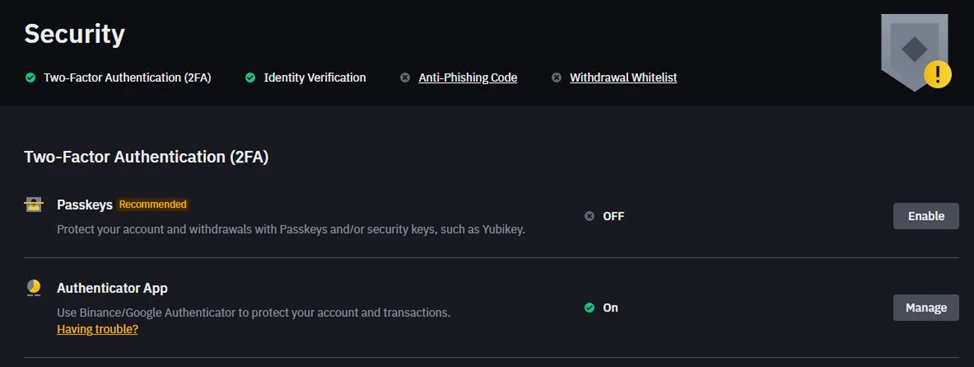
  • two-factor verification (2FA) is a great first step to avoid password hacking;
  • a storage system that places most assets in cold, offline storage;
  • a complex multi-level security system that is regularly updated to combat the latest threats and hacks;
  • full transparency of the location and people who run the company.

It is also important to be aware of possible scams and scams. The most common ones include insecure exchanges, fake coins, email scams, and password hacking.

Avoid clicking on links or attachments from unknown email senders to avoid falling victim to various types of cryptocurrency phishing scams. Please note that an open-source crypto exchange solution has more vulnerabilities than a project developed by an experienced company.

Recently, a number of AI-driven crypto platforms like Immediate X2 Urex have taken to the field to allow people new options for leveraged trading.

Also, when discussing crypto investments on online forums and social media, avoid being too vocal about your holdings.

Lack of knowledge about what a good investment looks like

When it comes to investing in cryptocurrencies, you can’t get very far without knowing what a good cryptocurrency investment looks like.

In such a competitive market, for a cryptocurrency to outperform all others, it must have a unique feature or be a significant improvement on existing technology. A cryptocurrency’s ability to solve a problem in the world is what determines whether it will be successful in the long term. Additionally, when valuing a cryptocurrency, there are other factors to consider besides the price of the coin.

By making sure that the project is backed by trusted and reputable names, you will prevent yourself from making costly mistakes when purchasing coins that are well advertised but never actually make it to market.

Lack of portfolio diversification

If you’re looking to reduce risk and maximize returns, it’s a good idea to spread your investments across different cryptocurrencies (and other types of investments).

This is much more effective than investing in just one coin, as there is less chance of all cryptocurrencies crashing at the same time. You can develop a strategy that suits your trading style, risk tolerance and goals.

As a general rule, it is recommended to combine the largest, most stable cryptocurrencies with some medium and small cryptocurrencies (by market capitalization).

If you are just starting to invest in cryptocurrencies, it is recommended to adhere to the 80/20 rule: a combination of large and medium-sized cryptocurrencies with small ones. This will also minimize any liquidity issues in your portfolio.

On centralized exchanges, market depth and execution quality are heavily influenced by the venue’s relationships with crypto liquidity providers, so understanding top providers helps anticipate spreads and slippage.

By following this rule, you will be able to profit significantly from any sudden surge in small- and mid-cap cryptocurrencies, with the majority of your investment going towards more stablecoins.

However, it’s important to note that while diversification is certainly a good thing, you shouldn’t spread yourself too thin across different assets. A common mistake newbies make is allocating small amounts to a variety of small altcoins instead of focusing on a handful of larger, stable, and established coins. Don’t invest in more coins than you can keep track of!

Constantly searching for the next Bitcoin or Ethereum

Much of the cryptocurrency hype of the last decade has been driven by coins like Bitcoin and Ethereum turning everyday people into millionaires overnight. While this can (and is) happening now, looking for the next Bitcoin or 1000X coin is not the best way to enter the world of cryptocurrencies.

Cryptocurrencies are one of the most profitable markets, but new traders should know that the vast majority of crypto coins fail before they really take off.

These days, there are thousands of altcoins to choose from, and everyone is confident that their project will be successful. Needless to say, this is not the case.

Of course, lucky breaks do happen and people do get rich overnight, but if you want to minimize risk and create a long-term trading strategy that will produce results, you need to give up the idea of committing yourself entirely to the next 1000X coin like Venus BNB on the screen.

A well-balanced, carefully researched portfolio is the best bet, and new traders don’t need to fall into the trap of believing that they will be the ones to get lucky with the next big cryptocurrency.

Unraveling Bitcoin’s Investment Risks

Bitcoin, the pioneering cryptocurrency, has been heralded as a disruptive financial innovation and has seen significant adoption worldwide. However, it is also associated with high levels of volatility, which translates to investment risk. Its price can swing dramatically in a short period, driven by factors such as regulatory news, market sentiment, and technological advancements. This unpredictability not only offers the potential for high returns but also poses significant risks to investors.

There are also regulatory risks associated with Bitcoin. Different countries have different attitudes towards cryptocurrencies, with some embracing them, while others impose strict regulations or outright bans. Changes in regulatory environments can have substantial impacts on Bitcoin’s value. For instance, announcements of stricter regulations often lead to sharp drops in Bitcoin’s price, as they may limit its adoption and usage.Go to ChainWizard AI and make an account there.

Furthermore, being a digital asset, Bitcoin is vulnerable to technological risks. These include the potential for hacking and cyber theft. Despite the blockchain technology underpinning Bitcoin being secure, individual wallets or cryptocurrency exchanges can be hacked, leading to loss of investments. Additionally, there is the risk of losing access to one’s Bitcoin wallet due to forgotten passwords or hardware failure, which can result in irreversible losses.

Can regulatory changes impact the value of Bitcoin?

Yes, regulatory changes can significantly impact the value of Bitcoin. Governments worldwide are grappling with how to regulate cryptocurrencies, and their decisions can cause drastic price fluctuations. Positive regulatory news, like a country legalizing Bitcoin or a government body clarifying its stance on cryptocurrencies, can trigger a surge in Bitcoin’s price. Conversely, negative regulatory news, such as a country banning Bitcoin or imposing harsh regulations, can lead to a steep decline in its value.

Regulatory changes affect Bitcoin’s value because they influence its acceptance and adoption. For example, if a country imposes strict regulations on Bitcoin, it may hinder businesses and individuals from using or investing in it, thereby reducing its demand and causing its price to drop. On the other hand, if a country recognizes Bitcoin as legal tender, it can boost its adoption and increase its value.

However, it’s essential to note that Bitcoin’s decentralized nature makes it resilient to regulatory changes to some extent. While individual countries can regulate or ban Bitcoin within their borders, they cannot control or shut it down globally. As such, even if one country imposes strict regulations on Bitcoin, it can continue to thrive in other jurisdictions. This is one of the key arguments made by Bitcoin proponents who believe in its long-term value proposition, despite its regulatory risks.

What is the risk of losing access to your Bitcoin wallet or private keys?

Losing access to your Bitcoin wallet or private keys is a significant risk that can result in irreversible loss of your Bitcoin holdings. Your Bitcoin wallet is essentially your digital bank account where you store your Bitcoins, and the private keys are like the password to that account. If you lose them, you lose access to your Bitcoins, and given the secure nature of blockchain technology, recovering them is nearly impossible.

Moreover, unlike traditional banking systems, there are no recovery mechanisms in place. Banks can help you regain access to your account if you forget your password or lose access to it. But in the world of Bitcoin, there is no central authority to assist you. This is a double-edged sword; while it gives you full control and ownership of your assets, it also places the full responsibility of safeguarding your wallet and keys on you.

Therefore, it is crucial to keep your private keys and wallet secure. This could involve storing them offline in a hardware wallet or a paper wallet, or using secure and reputable online wallets with strong security measures. Also, it’s advisable to keep multiple copies of your private keys in different secure locations. Remember, once lost, your Bitcoins are irretrievable. This serves as a stark reminder of the high level of responsibility required when dealing with Bitcoin and other digital assets.

Final words

Investing in Bitcoin, like any other investment, requires a comprehensive understanding of the associated risks and a well-thought-out risk management strategy. It’s not just about riding the wave of the bullish market or following the herd into a seemingly lucrative investment. Rather, it requires due diligence, constant learning, and staying updated on the latest developments in the cryptocurrency world.

Admittedly, Bitcoin’s independence from traditional financial systems and its potential for high returns can make it an attractive investment. However, it is critical to note that this comes with a high level of risk, making it not suitable for all investors. Those with a low-risk tolerance, for instance, might find Bitcoin’s volatility too extreme for their liking.

In conclusion, Bitcoin offers a unique investment opportunity, but it is not without its risks. From price volatility to regulatory risks, technological vulnerabilities, and the possibility of losing access to your wallet, it’s crucial that potential investors familiarize themselves with these risks and take necessary precautions. A balanced approach, combining knowledge, understanding of personal risk tolerance, and prudent risk management strategies can help navigate the dynamic climate of cryptocurrency investments.

Cryptocurrency Wallet – How to Make the Right Choice?

Today, almost everyone knows what cryptocurrency is and how it works. The list of such cryptocurrencies is constantly growing, and the news is just brimming with information about the constant success of this or that coin. The most common of these is Bitcoin. But how does it all work and which wallet should you choose for this? Let’s take a closer look. There are many wallet apps on the market from different providers with a variety of features to choose from.

Sparrow Wallet – a reliable wallet among all existing ones

Quality software wallets provide a great combination of security and ease of use. Depending on how you use your bitcoin, you may want to consider a different type of wallet. Software wallets provide a balance between convenience and security, becoming a popular choice for everyday crypto transactions: buying, selling, storing, trading, and using. The sparrow wallet is one of them. It presents a wide range of functionality and many features.

Advantages of working with the wallet

One of the most important advantages of working with such a wallet is mobility. You can download an application to your phone and track all the dynamics anywhere. This is very convenient and is done in a few clicks! It also offers a user-friendly and stylish interface.

With such a cryptocurrency wallet, security is guaranteed. Only you will know all your data, as security is one of the most basic principles of our work. We know how important this is when dealing with cryptocurrency.

In addition to this, sparrow wallet android provides 24/7 support to its customers. If you have any questions or any problems, you will always get help and answers to your queries. This is very convenient! There is also a FAQ section on the website with answers to many questions. 

Bitcoin – a modern investment

In today’s digital world, cryptocurrencies are becoming an increasingly popular means of investment and exchange. However, in order to effectively manage your digital assets, it is important to choose a reliable and convenient cryptocurrency wallet for you. The sparrow crypto service is just such a wallet.

Remember that cryptocurrency is a volatile asset that cannot be guaranteed. Each cryptocurrency can change several times within an hour, so there are no guarantees of profit or loss. All decisions you make are solely your choices.

Five Secure Ways to Avoid Crypto Theft in 2023

Cryptocurrencies came as a savior for many who wanted to own assets in a more decentralized manner. People wary of traditional means of banking poured their money into a supposedly safer way of owning assets. Cryptocurrency has seen its fair share of ups and downs since its inception, but mostly were related to market forces and legislation issues. Recently, there has been a rise in crypto theft, which will also affect the investors who have tied their savings to this money medium.

Digital assets have become a way of living as people get rid of hard-paper currency in favor of digital wallets. These wallets usually have top-notch security measures in place and present the owner with flexible options for usage. However, in 2023, Coinbase lawsuits have been on the rise due to the ever-growing influence of crypto-jacking and crypto theft. Cybercriminals have found a new way of stealing as they target people’s hard-earned assets stored in crypto wallets.

Cybercriminals can theoritically easily steal money from crypto accounts due to their anonymity and untraceable nature. Thus, the strengths of crypto currency often become a saving grace for criminals who want to exploit people off their hard-earned money. Here are five ways to secure your digital wallets and cryptocurrency assets so that cybercriminals cannot get in.

1. Use Hardware Wallets

The use of hardware wallets is an excellent method via which you can keep your digital assets safe. These physical devices store your cryptocurrency offline, thus making your assets extremely safe and secure against online attacks. It especially reduces the threat of phishing attacks and online hacking attempts; the two most common ways hackers get into your system. There are many trustworthy software in the market, but you must choose a hardware wallet that comes from a reputable source. Counterfeit products are abundant in the market and cause more harm than good.

2. Use Strong Passwords / 2-factor Authentication

Strong passwords have been advised to customers who have had an online presence for a long time. Crypto wallets are no different, and you must remember what’s at stake here: your hard-earned savings. For this reason, a strong, unique, and unpredictable password is your best bet against hackers who want to crack your account. The stronger the password, the more time hackers require to crack it, and on top of it, you should enable two-factor authentication. Thus, whoever tries to hack into your wallet will need a password and access to your cell phone.

3. Be Wary of Phishing Attempts

Surfing the web comes with its dangers as more and more hackers find the online web space conducive to their activities. Phishing attempts are a common mode of finding a person’s details to hack into their financial accounts. It is important to use anti-virus software while surfing the web and ensure that the webpage you’re viewing has the ‘HTTPS’ added before the webpage’s name. HTTPS is a secure protocol that ensures data sent to and from a particular website is encrypted and thus cannot be hacked into. Suspicious email addresses and webpages should be avoided and not clicked when surfing the World Wide Web. Also, never disclose your personal information to anyone online, however trusted their credentials may seem.

4. Regularly Update Software and Wallets

In the modern world, keeping track of all the changes happening around us is important. We must be informed about the latest developments in cybercriminal activity, how to thwart them, and the best defenses available against them. Regularly updating your wallets and software linked to your crypto exchange is one way of ensuring safety. You can also download the latest security patches and improvements to your wallet and software, including protection against newer threats.

5. Practice Cold Storage / Regular Monitoring

Assets that need not be moved for long periods must be stored in cold storage options. It means securing your cryptocurrency holdings in an offline storage option away from the dangerous world of cyber criminals. Such hardware wallets contain all your private keys safely stored in an offline place, but you must monitor your assets regularly for any suspicious activity.

In addition to these five secure practices, you must keep up with the latest threats by joining crypto communities and learning about the latest developments; diversifying your crypto portfolio is another way to stay one step ahead of the hackers. In summary, using strong passwords, offline storage, and two-factor authentications can greatly increase your chances of securing crypto exploits. Keeping yourself and your software up to date is the best protection against these cybercriminals.

Quantum Leap into Crypto Investments for Infinite Returns

Purchasing cryptocurrency is akin to stepping into a quantum realm of opportunities. With Bitcoin, Ethereum, and several more cryptocurrencies circling this virtual universe, the opportunities seem to be unlimited. While the prospect of unending wealth is tempting, being successful in the cryptoverse requires a solid understanding of the strategies and ideas that may make your investments truly enormous. In this post, we’ll go on an exciting journey into the quantum world of cryptocurrency investment and discover key concepts, strategies, and the importance of knowing when to withdraw Bitcoin and other digital assets.

Understanding Quantum Principles: Cryptography’s Foundations

  • Blockchain: Not Just Another Catchphrase Before committing to a cryptocurrency investment, it’s critical to grasp the fundamentals.
  • Not merely a catchphrase, cryptocurrencies signify a revolution in financial technology.
  • The first cryptocurrency, Bitcoin, is frequently referred to as “digital gold” because of its high value storage. However, Ethereum brought about smart contracts, which created a plethora of new opportunities.

Understanding the fundamentals of blockchain technology and the unique characteristics of several cryptocurrencies is crucial.

Techniques to Reach Quantum Success

  • Invest, Don’t Risk: Putting money into cryptocurrencies should never be done at random. Your strategies should be tactical and well-researched, not fanciful.
  • To lower risk, you should diversify your investments among a variety of assets as your first step.
  • Embrace the “Hold On for Dear Life” (HODL) mentality, which advocates sticking to your financial principles throughout volatile market periods.

Make a sensible investment strategy that is diverse and has a long-term perspective.

When and How to Withdraw: The Fine Art of

  • When to Withdraw Bitcoin and Digital Assets: One of the most important aspects of cryptocurrency investment is knowing when to make withdrawals.
  • It is crucial to schedule your withdrawals to align with your goals in the market.
  • Think carefully about your exit strategy using a platform like Immediate Ewave to minimize risks and lock in profits.

The timing of your withdrawals must be exact if you want to profit from your bitcoin investments.

Quantum Leaps: Possible Destinies

  • Staying Up to Date with Emerging Technologies: The bitcoin landscape is always evolving. Stay informed about projects and new technology that might completely change the market.
  • Keep an eye out for new developments like as decentralized finance (DeFi) and non-fungible tokens (NFTs).
  • As the quantum world of cryptocurrencies evolves, have an open mind and be ready to adjust your approach.

Being informed and adaptable is essential in the ever evolving world of bitcoin investment.

Both Quantum Profits and Moral Investing

  • The Quantum of Risk and Return: Recall that cryptocurrencies come with risks in addition to their exciting possibilities for unending profit.
  • Only put in money that you are prepared to lose.
  • Keep managing your finances sensibly.

You need to balance risk and reward in your investments if you want to safeguard your financial future.

How to Acquire a Quantum Mentality

A quantum mentality is necessary to properly traverse the world of bitcoin investment. This mode of thinking goes beyond simply being aware of the technology; it also includes the ability to think probabilistically, adapt to rapidly changing market conditions, and remain resilient in the face of volatility. Ultimately, you must acknowledge that the realm of cryptocurrencies is a quantum one, presenting both opportunities and challenges. Your best bet for sustained success is to tackle it from a growth-oriented perspective. Be patient, be open to changing your strategy, and remember that the quantum world favors adaptable and growing individuals.

Beyond Bitcoin and Quantum Investing

Although Bitcoin is often the first cryptocurrency that springs to mind, the quantum investor should look at the vast diversity of various cryptocurrencies. These digital assets—also known as altcoins—have several uses, such as decentralized finance (DeFi), smart contracts, and non-fungible tokens (NFTs). You may lessen the risk of placing all of your eggs in one basket and take advantage of unique opportunities by diversifying your cryptocurrency holdings. Examine projects such as Solana, Cardano, and Ethereum, since they are significantly influencing the cryptocurrency industry.

The Quantum Leap of Decentralized Finance (DeFi)

Decentralized finance, or DeFi, is an interesting and rapidly developing subject within the bitcoin space. DeFi platforms aim to replicate traditional financial services, such as lending, trading, and borrowing, without the need for intermediaries. Engaging in the DeFi area may provide opportunities for liquidity mining, yield farming, and asset staking. DeFi does, however, come with some risk, such as possible hackers and smart contract vulnerabilities, so you should approach with caution. A quantum investor has to look closely at DeFi efforts, understand the risks associated with them, and consider how this sector can fit into their entire investing strategy.

Greetings from the Quantum Era

Purchasing cryptocurrency promises to be a significant step forward for money in the future. By being an expert at timing and withdrawals, understanding the principles of blockchain technology, developing astute investing plans, and staying current with new developments, you can easily traverse this shifting terrain. Never forget, though, that the world of cryptocurrencies comes with a certain amount of responsibility in addition to the potential for limitless rewards. Make wise decisions, exercise flexibility, and relish the exhilarating journey through the quantum world of bitcoin investment.

Can AI Enhance Crypto Mining Processes by Offering a Greener Solution?

It is no secret that crypto mining poses many challenges, including vast energy consumption and the continuous push for tech improvements. Although many buy bitcoin online, some are reluctant towards digital assets, and this is due to issues like high energy consumption. However, artificial intelligence has the potential to solve these problems, thus reshaping the future of this fascinating industry. This can be achieved through real-time data analysis, enhanced algorithms, and improved hardware strategies, helping alleviate pain points faced during the mining process. But the efficiency of mining isn’t the only benefit – AI can also make crypto mining more eco-friendly.

What is crypto mining?

Crypto mining enables the creation of new cryptocurrency units through consensus mechanisms such as PoW. The process involves solving complex math problems by utilizing specialized computer software and hardware. Miners get a reward in crypto tokens when they succeed in solving a problem, a process that helps maintain blockchain networks.

Mining requires significant computing power, with miners relying on hardware like application-specific integrated circuits and graphics processing units to handle computations. Over time, mining bitcoin becomes much more difficult, so miners must improve their equipment to stay ahead of competitors. However, this continuous need for more robust hardware increases operational costs, burdening individual miners.

Fortunately, tapping into the enormous potential of AI enables miners to lower these operational costs considerably and optimize the efficiency of the process.

The synergy between AI and crypto mining- the key to enhanced profitability?

AI’s role in crypto mining goes beyond optimization. The capabilities of the technology align with the computational requirements of mining, allowing miners to boost security protocols, tackle complex algorithms, and simplify transaction verification. This fusion also extends to predictive analysis, enabling miners to make decisions based on relevant data, which can boost profitability.

As crypto miners embrace AI, it becomes clear how this innovative technology can result in enhanced profitability. Artificial Intelligence has enormous potential, decreasing energy consumption, optimizing resource allocation, and reducing downtime – factors that are imperative in such a competitive world as mining. Moreover, through its ability to analyze market trends and make future predictions regarding price fluctuations, AI can help miners mitigate risks effectively and improve their chances of earning high returns.

How can AI contribute to a greener crypto market?

Despite its revolutionary nature, Bitcoin has a major downside: it is associated with massive electricity consumption. This may not be evident at first: after all, you only have to click on your device to buy and sell the digital asset. Technology has always done this for different digital transactions, so how could this be such a huge problem? Well, it all has to do with the decentralized structure of Bitcoin that leads to a significant carbon emissions footprint. Bitcoin relies on computers to solve complex math problems to verify transactions. This process is based on an energy-intensive PoW consensus mechanism, creating tons of carbon emissions.

This massive energy consumption has been a topic for debate for a long time in the crypto space and has even kept eco-conscious individuals away from the industry. Fortunately, recent trends point towards increased adoption of energy-efficient mining algorithms – which isn’t surprising, given the growing focus on sustainability. AI can considerably lower energy consumption with its algorithms without hampering mining efficiency.

In fact, AI’s capabilities can boost the efficiency of mining operations by analyzing different factors, such as hash rates and transaction volumes. The algorithms of the technology can be used to predict the ideal mining periods by considering real-time and historical data. This helps maximize returns on energy investments, at the same time reducing operational costs considerably.

The ultimate goal of combining AI with crypto mining is to develop a sustainable energy infrastructure – this could be a game-changer for the crypto industry, making it more mainstream.

What factors hinder the application of AI in the crypto industry?

The crypto market is relatively young, and many still need to understand how it works and its implications for the financial system. This represents a significant obstacle to the growth of the crypto sector, preventing the implementation of innovative technologies that can boost the efficiency of digital assets. AI technology can only be widely used along with the blockchain if different factors are addressed, such as:

Lack of data

Creating a symbiosis based on AI and blockchain requires significant data. This is necessary to develop AI models to predict market movements and improve trading strategies. Additionally, conducting a study of blockchain network operation is critical to evaluate how AI works in the market. Unfortunately, this isn’t currently happening in the crypto market – hardly 50% are studying the principles behind blockchain.

Lack of public trust

The emergence of AI in the crypto industry will undoubtedly result in the development of AI digital assets and AI blockchains, transforming the concept of technology. But despite its advantages, many still look at AI with skepticism. Therefore, trials and tests are required to address this problem and prove the advantages of implementing AI in the crypto sector – especially regarding trading.

Limited computing power

Performing crypto-related tasks based on AI requires considerable computing power, whether analyzing market data or optimizing trades. Since AI only operates via electronic computers, its smooth operation is only possible through all the connecting elements that create an ecosystem to allow the implementation of programs required for trading.

The bottom line

AI has enormous potential in crypto mining, but it is difficult to tell if the technology will completely transform the industry. While AI optimization brings numerous advantages to mining regarding profitability, efficiency and sustainability, some major challenges need to be addressed, as we previously mentioned in the article. Mining chips are also incompatible with AI, representing a significant problem that stands in the way of a full-on integration. However, the field is young, and it’s hard to predict its future.  

The crypto market is unpredictable, and mining companies are well aware of it, so they are already taking action by diversifying their crypto portfolios. It is worth noting that the transition toward AI doesn’t mean abandoning crypto mining entirely. Instead, it is about expanding horizons and bringing more stability when the market experiences downturns.

The Importance of a Comprehensive Forex Broker Comparison in South Africa

The world of forex trading is vast, intricate, and ever-evolving. For traders in South Africa, diving into this market requires not just skill and knowledge but also the right partner by their side: a reliable forex broker. With a plethora of options available, how does one make the right choice? This is where the value of a thorough forex broker comparison comes into play.

South Africa, with its burgeoning economy and increasing interest in forex trading, has seen a surge in the number of forex brokers setting up shop. Each broker comes with its unique set of offerings, trading conditions, and features. For a novice trader or even an experienced one, navigating this maze can be daunting. However, a forex broker comparison is beneficial, ensuring that traders align themselves with a broker that best fits their trading style and requirements.

Why is a Forex Broker Comparison Essential?

Regulatory Compliance: One of the primary factors to consider when choosing a forex broker in South Africa is their regulatory status. A regulated broker adheres to the guidelines set by financial authorities, ensuring the safety of traders’ funds and maintaining transparent operations. A comprehensive comparison allows traders to filter out unregulated brokers, reducing potential risks.

Trading Conditions: Different brokers offer varying trading conditions, such as leverage, spreads, and minimum deposit requirements. By comparing these conditions, traders can identify brokers that provide the most favorable environment for their trading strategies.

Platform and Tools: The trading platform is the trader’s gateway to the forex market. A comparison helps in identifying brokers that offer advanced, user-friendly platforms with essential trading tools and resources.

Customer Support: The importance of efficient customer support cannot be overstated. Issues can arise at any time, and having a responsive support team can make all the difference. A broker comparison highlights those with a reputation for excellent customer service.

Making the Most of Your Forex Broker Comparison

While it’s clear that a forex broker comparison is crucial, how does one ensure that they’re making the most of it? Here are some tips:

Use Reliable Sources: Rely on reputable websites and platforms that provide unbiased reviews and comparisons. Websites like FXScouts offer in-depth insights into various brokers in South Africa, making the comparison process more straightforward.

Prioritize Your Needs: Before diving into comparisons, list down your priorities. Are you looking for a broker with a specific type of trading platform? Or perhaps one that offers educational resources? Knowing what you want helps in narrowing down choices.

Seek Recommendations: Sometimes, word of mouth can be the best guide. Reach out to fellow traders or join online trading communities to get recommendations.

Consider the Broker’s Reputation: A broker’s reputation, built over years of consistent service and positive trader feedback, can be a reliable indicator of its trustworthiness and efficiency.

Evaluate the Broker’s Offerings: Consider the range of tradable assets, account types, and additional features offered by the broker. This can help you determine if the broker aligns with your trading goals and preferences.

Assess the Broker’s Fees: Compare the fees charged by different brokers, including spreads, commissions, and overnight financing rates. This can help you identify brokers that offer competitive pricing and minimise your trading costs.

In conclusion, the forex market offers immense opportunities, but it also comes with its set of challenges. One of the primary challenges is choosing the right broker to partner with. In the dynamic landscape of South African forex trading, a forex broker comparison is beneficial, acting as a beacon, guiding traders to make informed decisions. By prioritizing regulatory compliance, understanding trading conditions, and using reliable sources for comparison, traders can set themselves up for success in the forex market. Remember, the right broker can significantly impact your trading experience, so take the time to make an informed choice.

Understand and Set Up Your Crypto Wallet in 2023

In the fast-changing world of digital finance, cryptocurrencies have burst onto the scene like a game-changer, reshaping how we think about and deal with money. Right at the heart of this whole transformation is the idea of a crypto wallet – a super secure digital tool that lets regular folks stash away, take charge of, and do deals with their cryptocurrencies.

No worries whether you’re a total beginner tentatively testing the waters or a seasoned expert who’s got digital money investments down pat – heck, even if you’re giving an automated altcoin trading robot! What truly matters is getting the lowdown on how to get that crypto wallet up and running. So, get ready because we’re about to take the plunge into the whole realm of crypto wallets. Guess what? By the time we’re through, you’ll be all set to stride into this wondrous new world, feeling like a million bucks!

What is a Crypto Wallet?

Before getting started, it’s essential to understand what is a crypto wallet. Alright, let’s break it down in simple terms; imagine a crypto wallet as a kind of computer program. It’s like your go-to tool for keeping your cryptocurrencies safe and sound. Picture it as a high-tech version of your regular wallet, but way more tech-savvy to handle the fancy stuff that comes with digital money.

Here’s the twist: this wallet doesn’t actually have pockets to hold your cryptocurrencies like coins or bills. Instead, it’s like a super-secret vault that keeps your private keys – those are like the magic codes you need to get to your digital cash. These keys are what let you tap into your funds on the digital ledger called the blockchain. So, while the wallet isn’t a physical place, it’s the guardian of your digital fortune.

The Different Types of Crypto Wallets

There are several types of crypto wallets, each catering to different needs and security levels:

Hot Wallets

Hot wallets are connected to the internet and are suitable for frequent transactions. They can be further categorized into online wallets (web-based) and mobile wallets (apps), providing easy accessibility but slightly lower security due to their online nature.

Cold Wallets

On the other hand, cold wallets are offline and, thus, significantly more secure. In this regard, most people use hardware wallets, which is basically a USB key or a hard drive to keep private keys offline.

Setting Up Your Crypto Wallet

Setting up a crypto wallet involves a few simple yet essential steps:

1. Choosing the Right Wallet

Before you start, you need to choose the type of wallet that suits your needs. If you’re a regular trader, a hot wallet might be preferable for quick access to your funds. However, a cold wallet is the way to go for long-term storage and security. Research and consider the options available based on your usage and security preferences.

2. Downloading and Installing

If you’ve gone with a hot wallet, start by cruising over to your app store or a trustworthy website on your gadget. Look for the wallet’s app and hit that download button. Just ensure you’re getting it from the real deal – the official source – to dodge any tricky security business.

For those hardware wallets, it’s a bit like building IKEA furniture but more accessible. Just stick to the script – that means following the maker’s directions. They’ll walk you through getting your wallet all setup and ready to rock.

3. Creating Your Wallet

Once you’ve set up the wallet on your device, it’s like having a personal tour guide. It’ll walk you through the steps of making your very own account. Think of it like crafting your online ID for your wallet world. You’ll need to come up with a tough and one-of-a-kind password to keep your stuff safe. Here’s a neat trick: 

Sometimes, you’ll also get to create a backup plan in the form of a bunch of special words. If you ever forget your password, these words swoop in like superheroes to save the day and give you access back into your wallet kingdom.

4. Securing Your Private Keys

Regardless of the wallet type, the most critical aspect is your private keys. Someone who gains access to your private keys can control your cryptocurrencies. Hot wallets usually store these keys within the app, while cold wallets keep them offline. No matter the method, backup your private keys in a safe place, preferably offline or encrypted, to prevent loss.

Using Your Crypto Wallet

With your wallet set up, let’s delve into its functionalities and how to use them:

1. Checking Your Balances

Once you’re logged into your wallet, you’ll likely see a dashboard displaying your various cryptocurrency balances. This snapshot gives you an overview of your holdings and their current values.

2. Receiving Funds

To receive cryptocurrencies, navigate to the “Receive” or “Receive Funds” section of your wallet. You’ll be provided with a unique wallet address – a string of characters – that you share with the sender. Always double-check the address to prevent any errors, as transactions on the blockchain are irreversible.

3. Sending Funds

Sending funds is equally straightforward. In the “Send” or “Send Funds” section, enter the recipient’s wallet address and the amount you want to send. We recommend reviewing the details carefully before confirming the transaction. Once initiated, the transaction will be recorded on the blockchain and cannot be reversed.

4. Security Measures

It’s essential to secure your online data. So, to enhance your wallet’s security, consider enabling two-factor authentication (2FA) if available. This adds an extra layer of protection by requiring a verification code in addition to your password. Regularly update your wallet software to ensure you have the latest security patches.

Getting a Crypto Wallet Is Essential To Explore the Crypto World

Crypto wallets are the gateways to your digital financial journey. Understanding their types, setting them up securely, and using them effectively are essential steps toward becoming a confident participant in the world of cryptocurrencies. 

Balancing Security and Accessibility in Modern Data Management

As data management needs continue to grow and evolve for organizations of all sizes, try to strike the right balance between properly securing their data while allowing it to remain accessible in an instant. This is pivotal for an array of reasons, with a growing one being ensuring compliance with an expanding number of new privacy laws and regulations.

Where companies had previously relied on a more perimeter-based approach to keep potential risks and threats at bay, they’re now rapidly adopting more data-centric approaches to maintaining data security. This involves a certain degree of compartmentalization, with companies knowing what their data is, who has access to it, who’s supposed to have access to it, and how it should be accessed.

To better inform you and provide some guidance for your own data management needs, we’ll review how organizations are balancing security and accessibility with their data in the modern age. Whether it’s managing local data relevant to your company like employee details and records or overseeing managed colocation to free up valuable internal IT resources, we have the solutions you need to keep your data safe while having it remain equitable.

The Importance of Data Governance

In essence, data governance is related to the authority and responsibility of decision-making for data-related matters in a company. 

It covers who can take what kinds of actions with what information, along with the circumstances they can be undertaken and the methods to undertake them. Alongside the natural benefits of improved data privacy and security, having a well-designed data governance strategy helps facilitate better decision-making, reduce any operational hiccups, standardize your processes, and so much more. 

A solid data governance strategy can help your organization balance data security needs with accessibility requirements. Of course, there’s no real all-encompassing approach for crafting a well-designed data governance strategy since what’s best for your organization will depend on your specific business needs and goals. 

However, it’s best to have a flexible approach when crafting one; otherwise, you could face problems with data accessibility. This could lead to reduced productivity and uptime, resulting in a chain of problems down the line.

Understanding Your Data Management Needs

One of the most important steps in balancing your data security requirements with your accessibility needs is understanding your overall data management needs as a whole. 

This starts with identifying the data you have, its sources, where you store it, how you process it, who can access it, and the policies that apply to it. On top of this, you’ll also need to assess the overall accuracy, quality, and relevance of this data, along with any associated risks or rewards.

Once you have a clearer picture of exactly what your data management needs are, you’ll be able to better understand what your data is and the liabilities associated with it, you can then tailor your data management strategy and governance efforts to best handle their unique challenges and needs.

Defining Your Data Management Strategy

After understanding your data management needs, you’re ready to begin developing your comprehensive data management strategy. 

This serves to align your current data management needs, capabilities, and objectives with your overall business mission and goals. Your strategy should cover how the data will be used, how it can be accessed, and how you’ll address concerns related to balancing security and accessibility. 

Furthermore, your data management strategy should also cover your organization’s data policies, principles, standards, and responsibilities while defining the architecture, infrastructure, and tools you’re going to use to manage them. For this reason, companies have found a new way forward through composable architecture.

Once this strategy is defined, you can establish a framework for balancing your data management needs.

Implementing Data Security and Accessibility Measures

Once you’ve established what your organization’s data management needs are and crafted a data management strategy to help meet them, it’s time to implement measures concerning data security and accessibility.

Trying to find the balance between security and accessibility is going to be a continuous, ongoing approach. Businesses need to ensure their data is protected, while still maintaining easy access for relevant parties as needed. This becomes increasingly complicated over time as data management needs shift and the threat landscape continues to evolve

A key approach that companies can implement in their organizations to help mitigate these potential concerns is data federation. With data federation, organizations make multiple sources of data accessible under a single, uniform model. This model can act as a singular access point, where administrators can then compartmentalize data and restrict access as needed based on the sensitivity of the data.

This effectively silos data off to parties that need it, when they need it. This helps maintain proper data security and integrity while ensuring that relevant parties are able to access the data they need without any delays. 

Before implementing any strategies in your organization, it’s vital that you communicate the forthcoming changes to all parties and team members that will be affected, along with providing any training necessary for your new systems. 

The Future of Data Management

Data stands as the lifeblood of many organizations in our increasingly interconnected and digital world. 

It’s clear that as data management requirements become more complicated, striking that delicate balance between rigorous security and prompt accessibility is downright essential for organizational success. This balance not only fulfills any potential compliance mandates but also ensures that businesses remain agile and resilient in the face of shifting and evolving threats.

The move from a perimeter-centric to a data-centric approach has further redefined the core paradigms of data management. However, as with any significant transition, challenges are going to arise. 

In prioritizing data governance, understanding the unique data management needs of an organization, devising a tailored strategy, and embracing techniques like data federation, organizations can better position themselves to stay ahead of threats while fostering efficiency at the same time.

Never forget, the journey of balancing security with accessibility is iterative, requiring regular reviews, updates, and continuous communication. However, with the right framework and commitment, organizations can safeguard their invaluable data assets and ensure they serve their intended purpose promptly and efficiently, driving business growth and maintaining trust in the digital age.

Bitcoin Anonymous Wallets: What Are They?

An anonymous wallet is a cryptocurrency wallet that allows its users to remain anonymous while making purchases. An anonymous wallet’s principal function is to conceal the user’s identify and prevent their past purchases from being linked back to them.

Anonymous crypto wallet do this by using techniques like Tor network routing, multi-signature security, and currency mixing to obscure transaction history and thwart auditing. People who care about their anonymity or who prefer doing business in a censorship-resistant, decentralized way often utilize anonymous wallets. 

For safe and efficient trading, use a tool like Immediate Granimator to trade Bitcoin like a pro.

However, users should always adopt best practices for privacy and security while dealing with bitcoin, since no wallet can offer perfect anonymity.

How Do You Find a Bitcoin Wallet That Won’t Reveal Your Identity?

Important features of a Bitcoin wallet that protect your anonymity include the following:

  • When deciding on a private cryptocurrency wallet, the first consideration should be the wallet’s intended usage. Hardware wallets are ideal long-term investments.
  • Two-factor authentication (2FA) is another term. Only after successfully verifying your identity in the cryptocurrency wallet can you use this function to log in. Without the second level of authentication, someone who knows your password or breaks it can’t access your account.
  • There may be several persons, such as business partners, who need access to a cryptocurrency wallet. Having the ability to need several signatories before granting access to a wallet is useful if numerous people will need to use it. This safeguards the monies from being stolen or transferred to an unintended recipient.
  • One currency vs several currencies: Multiple cryptocurrency holdings are common among investors. Keeping track of many currency wallets might be a hassle as a result. Thus, a multi-currency Bitcoin wallet is essential.
  • A QR code scanner is required to access the mobile cryptocurrency wallet. This paves the way for QR code generation and scanning by mobile crypto wallets, facilitating the transfer of coins.
  • Your chosen cryptocurrency wallet should include a backup feature. In this way, you may save your files quickly in the event that your laptop, PC, or phone device fails. The ability to recover your cryptocurrency wallet is a useful feature offered by several mobile crypto wallets, such as Coinbase.

How to Protect Your Electronic Cash From Thieves

Several security best practices should be implemented to protect your digital wallet from cyberattacks.

  1. Passwords should be complicated, including both letters and numbers as well as special characters. Don’t use easily-guessed or -obtained personal information.
  1. 2FA protects your digital wallet. A few examples of this include one-time passwords (OTPs), SMS codes, and biometric or authentication programs like Google Authenticator.
  1. Always use the most recent versions of your digital wallet software, operating system, and device drivers to be safe against exploits.
  1. Choose a storage option that has a history of keeping data safe and secure. Hardware wallets, paper wallets, and cold storage options all fall within this category.
  1. Protect yourself against phishing scams by being careful of any unsolicited emails, links, or messages that request sensitive information or try to drive you to a malicious website.
  1. Be cautious while connecting to public Wi-Fi and never install software from sources you don’t know and trust.
  1. Maintaining frequent backups of your digital wallet is critical for avoiding data loss in the event of device theft or malfunction.

You may greatly lessen the likelihood of cyberattacks to your digital wallet and the security of your digital assets by adopting these best practices.

Cryptocurrency and Social Impact: Transforming Communities through Blockchain Technology

Cryptocurrencies have emerged as a disruptive force with the potential to revolutionize various sectors, including finance, technology and philanthropy.

In this dynamic world of cryptocurrencies, where excitement and volatility often go hand in hand, a new metric has emerged to gauge market sentiment: the cryptocurrency fear and greed index which measures the emotions driving investor behavior in crypto, ranging from extreme fear to extreme greed.

However, beyond the fluctuating market dynamics, cryptocurrencies are also making significant strides in philanthropy and social impact initiatives.

While cryptocurrencies like Bitcoin and Ethereum primarily aim to facilitate decentralized financial transactions, they have also become powerful tools for driving social impact initiatives. Leveraging the underlying blockchain technology, projects have emerged to address pressing issues such as financial inclusion, remittances and humanitarian aid in underserved communities.

Financial Inclusion: Bridging the Gap

In many parts of the world, access to traditional banking services still needs to be improved, particularly in developing countries. However, cryptocurrencies open new avenues for financial inclusion, enabling individuals to participate in the global economy and access essential financial services.

Through blockchain technology, projects like Stellar.org provide low-cost financial infrastructure to the unbanked and underbanked populations. Stellar’s network allows for seamless cross-border transactions, making remittances more affordable and efficient for migrant workers who often face exorbitant fees when sending money to their families back home.

Remittances: Empowering Communities

According to the World Bank, remittances to developing countries reached a staggering $647 billion in 2022, surpassing foreign direct investment. However, the high fees associated with traditional remittance methods can significantly diminish the impact of these funds on the receiving communities.

Cryptocurrencies present a viable alternative by reducing transaction costs and eliminating intermediaries—companies like Ripple leverage blockchain technology to streamline cross-border payments and enable faster more affordable remittances. Ripple’s platform has been adopted by various financial institutions worldwide, facilitating the flow of remittances to families in need.

Humanitarian Aid: Transparent and Accountable

Blockchain technology’s inherent transparency and immutability offer significant potential for improving the efficiency and accountability of humanitarian aid efforts. By utilizing smart contracts and decentralized platforms, organizations can ensure that funds are distributed directly to those in need without the risk of corruption or mismanagement.

For instance, the United Nations World Food Programme (WFP) has implemented a blockchain-based system called Building Blocks, enabling efficient and traceable aid distribution to refugees. This initiative ensures that assistance reaches its intended recipients, promoting trust and transparency in the humanitarian sector.

Social Impact Investing: Engaging Communities

Cryptocurrencies have also catalyzed the rise of social impact investing, allowing individuals to align their investment portfolios with causes they care about. Many platforms provide opportunities for investors to support projects addressing social and environmental challenges while seeking financial returns. You can use resources like Immediate Edge Australia reviews to get insights about a social impact platform’s performance and credibility.

Through blockchain technology, these platforms ensure transparent reporting and impact measurement, giving investors confidence that their funds are making a positive difference.

Final Note

Cryptocurrencies and blockchain technology can potentially transform communities and drive meaningful social impact. Cryptocurrencies are reshaping how we address societal challenges, from promoting financial inclusion and affordable remittances to improving the transparency of humanitarian aid and empowering individuals through impact investing.

As these projects continue to evolve and mature, it is essential to recognize their potential while considering the associated risks and regulatory frameworks. Nevertheless, the fusion of cryptocurrency and social impact holds great promise for building a more inclusive and equitable future.

Near Protocol and Elrond: Comparing Features

Near Protocol and Elrond are layer-1 blockchains. Cryptocurrencies of both platforms — NEAR and EGLD are used to support their networks. These are two promising projects, which are also called “Ethereum killers.” They have another feature in common — a firm focus on development. In this article, we will look at the modern Near Protocol and Elrond projects in more detail, as well as the price trends of NEAR and EGLD.

How Does Near Protocol Work?

NEAR Protocol is an innovative contract platform for building decentralized applications. It uses Nightshade for scalability. Sharding is one of the main features of NEAR. This is an opportunity to divide the blockchain into separate segments so that the data processing process is much more efficient. This mechanism also ensures the integrity of the blockchain.

To transfer ERC-20 tokens, NFTs, and stablecoins between the NEAR and Ethereum blockchains, NEAR uses the Rainbow Bridge. It offers developers low fees and high throughput on the NEAR Protocol.

Such blockchain scaling solutions will benefit both developers and users.

How Does Elrond Work?

Elrond is a blockchain focused on scalability, efficiency, security, and interoperability. Sharding is implemented in the architecture of this platform.

The project’s primary goal is to create a new digital economy that is accessible to everyone without restrictions and to become a top platform with high speed and low cost of transactions.

With the help of Adaptive State Sharding technology, the registry database is optimized using horizontal partitioning. This allows you to significantly speed up the process of processing information by splitting and merging shards as the number of users decreases and increases.

Another feature of the project is Secure Proof of Stake. The consensus algorithm guarantees reliable protection against hacker attacks. Using this mechanism reduces network latency and allows nodes to determine who will be in the consensus group at the beginning of each new cycle.

NEAR vs EGLD: Price Trends

The rapid growth of the NEAR rate began back in 2021, as this time was the time of growth for the entire cryptocurrency market. In almost a year, the cryptocurrency exchange rate rose from $1.36 to $12.72 and continued to grow. The price reached its historical maximum in January 2022 — $20.18. After getting the peak, the cryptocurrency rate began to decline, and now it is about $1.6. Despite this, there is still room for growth. Projected price until the end of 2022 — $4.210.

EGLD managed to achieve significant growth even in the bear market. The cryptocurrency fell by about 32%. After that, there was a recovery, and the cryptocurrency raised its rate to $57.5. This was a turning point when it was possible to forecast the EGLD price further. Since this mark dropped to 40.3 dollars, we can talk about a short-term fall in the exchange rate, but with the prospect of recovery.

If you want to stay up to date with the latest events, then it is better to follow the rate of these cryptocurrencies here — https://godex.io/versus/near-vs-egld

Which Should You Invest In?

Choosing between NEAR and EGLD is as difficult as comparing Dogecoin to Bitcoin. After all, both blockchains have shown to be strong and competitive and offer different advantages. Near has significant benefits thanks to the developers working on creating decentralized applications for Near. But the advantage of Elrond is the prospect of launching new projects, which may lead to higher prices for EGLD. So, leaving space in your digital portfolio for both cryptocurrencies is a wise decision.