AI wearables are quickly moving from consumer gadgets into serious business tools. For professionals, the appeal is easy to understand. People want faster access to information, smoother communication, fewer interruptions, and technology that supports work without constantly pulling them back to a phone or laptop.
That is why Ray-Ban AI glasses fit into a much larger workplace trend. Smart glasses and other AI-powered wearables are becoming part of a new productivity ecosystem where workers can capture information, receive assistance, communicate, and multitask with less friction.
For business users, the question is no longer whether wearable technology is interesting. It is how these devices can support real work in practical, responsible, and measurable ways.
AI Wearables Are Changing Workplace Productivity
Productivity is not only about working faster. It is also about reducing small interruptions that slow people down. Every time a professional stops to unlock a phone, search for information, take notes, check a message, or document a task, attention is broken.
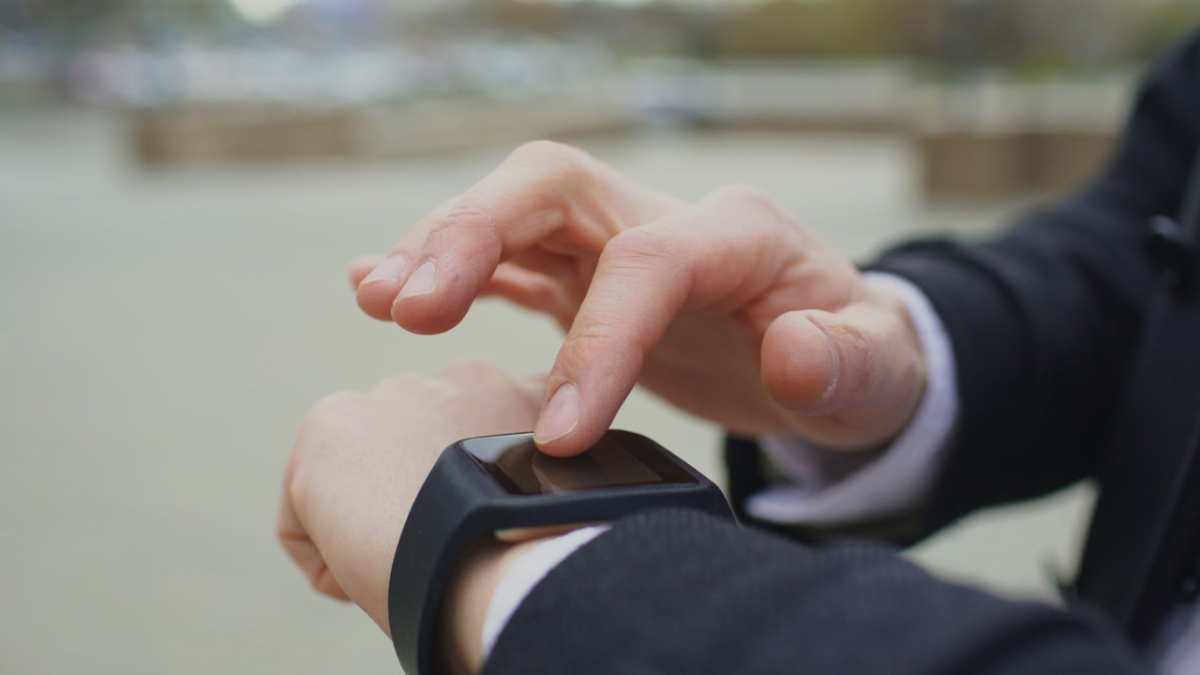
AI wearables can reduce some of that friction. A smartwatch can surface quick alerts. Smart earbuds can support calls and voice commands. Smart glasses can help with hands-free capture, audio assistance, real-time prompts, and quick access to information.
Deloitte’s discussion of wearable devices in the workplace notes that wearables can enhance worker effectiveness, support productivity, and help improve safety. That business value is one reason companies continue to explore wearable tools across different industries.
The strongest use cases are not about replacing existing devices. They are about making certain tasks easier to complete without disrupting the flow of work.
Why Smart Glasses Are Useful for Communication
Communication is one of the most obvious workplace uses for smart glasses. Professionals already rely on video calls, voice notes, messaging apps, and quick updates throughout the day. Smart glasses make some of these interactions more natural because they support hands-free use.
For example, a field worker can share a first-person view with a remote expert. A technician can document a repair step without holding a phone. A manager walking through a site can capture a quick note or communicate while staying aware of the environment.
This point-of-view communication is especially useful in industries where workers need both hands available. Construction, logistics, healthcare support, manufacturing, inspections, events, and training can all benefit from tools that reduce the need to stop and handle another device.
Smart glasses can also make communication feel less screen-heavy. Instead of switching between a laptop, phone, and meeting app, users can rely on audio, voice control, and quick commands for simpler interactions.
Real-Time Information Access Matters
Business users often need information at the exact moment they are making decisions. That might mean checking a procedure, confirming a product detail, translating a phrase, reviewing instructions, identifying an object, or asking for a quick summary.
AI-powered wearables can help by bringing information closer to the task. Instead of stepping away to search on a phone or computer, a user may be able to ask a question, hear a response, or capture context in real time.
This is where smart glasses become especially interesting. Because they are worn at eye level, they can support more contextual experiences. The device can capture what the user is seeing, while AI features can help interpret or respond to that information.
In business settings, that can support faster decisions, better documentation, and more efficient collaboration.
Hands-Free Technology Supports Different Industries
Hands-free technology is valuable anywhere movement matters. In offices, it may help with calls, reminders, notes, and quick information access. In field-based jobs, it can support documentation, remote guidance, safety checks, and training.
For logistics workers, wearables may help with picking, scanning, routing, and task updates. For technicians, they can support repair guidance and remote troubleshooting. For healthcare-adjacent teams, smart glasses may help with communication, workflow documentation, or training, depending on privacy and compliance rules.
In retail and hospitality, wearable technology can help employees access information without leaving customers waiting. In education and training, smart glasses can support demonstrations, recorded walkthroughs, and immersive learning.
The common thread is convenience. Workers can stay engaged with the task while technology supports them in the background.
AI Wearables Can Help With Multitasking
Multitasking is often messy. People jump between screens, apps, calls, notes, and physical tasks. AI wearables can make some multitasking more manageable by handling small tasks quickly.
A professional may use voice commands to set a reminder, capture a photo, start a recording, answer a call, or ask for information. These actions may seem small, but they can save attention over the course of a busy day.
Microsoft’s 2026 Work Trend Index reports on how AI is reshaping work and how organizations are thinking about human agency, AI assistance, and new workflows. Its report on AI and the future of work reflects the broader shift toward AI-supported productivity, where technology helps people focus on higher-value decisions instead of constant execution.
For wearables, the goal should be similar. The best devices will not simply add more notifications. They will reduce unnecessary steps and help users stay focused.
Business Adoption Will Depend on Trust
AI wearables have strong potential, but adoption will depend on trust. Businesses need to think carefully about privacy, data security, recording policies, employee consent, and customer comfort.
Smart glasses with cameras require clear rules. Where can recording happen? Who has access to captured content? How is data stored? What happens in sensitive environments? These questions matter, especially in workplaces where customers, patients, employees, or confidential information may be involved.
Companies also need to avoid using wearables in ways that feel intrusive. Productivity tools should support workers, not make them feel constantly monitored. Transparency will be important if businesses want employees to adopt wearables willingly.
The companies that succeed with AI wearables will be the ones that treat them as workflow tools, not surveillance tools.
Why Adoption Is Expected to Grow
Business adoption of wearable technology is expected to grow because the underlying problems are not going away. Workers need faster access to information. Companies need better documentation, training, communication, and safety tools. Professionals want less screen friction and more flexible ways to stay productive.
At the same time, wearable hardware is improving. Devices are becoming lighter, more stylish, more comfortable, and more capable. AI software is also becoming more useful, especially for voice interaction, summaries, translation, visual assistance, and real-time guidance.
As the technology becomes easier to use, more businesses will test it in focused ways. The early wins will likely come from specific use cases: remote support, field documentation, training, logistics, inspections, and hands-free communication.

Final Thoughts
AI wearables are becoming more relevant for business users because they solve practical problems. They can reduce friction, support hands-free work, improve communication, provide real-time information, and help professionals stay focused while moving through busy tasks.
Smart glasses are especially important because they combine voice, audio, camera features, and AI support in a wearable format that fits naturally into many work environments.
The future of business wearables will not be about adding technology for its own sake. It will be about using the right devices to make work simpler, safer, faster, and more connected.