Most free VPN offers are not free. They are countdowns. You hand over a card, you get seven days of the full product, and unless you remember to cancel on the right morning the charge lands anyway. That is a trial, and a trial is a sales mechanism wearing the word free.
A smaller group of providers does something different. They run a permanently free tier funded by their paying customers, with a monthly allowance that resets and no end date attached. You can use one for a year without ever entering payment details. That is the category this guide covers, and the distinction matters.
The use case that brings most people here is unglamorous and worth naming. You are on hotel or cafe Wi-Fi, syncing contacts, calendar entries and client notes between a laptop and a phone, and you would rather that traffic not cross an open network in the clear. That is a few hundred megabytes a month, not a streaming habit, and it sits comfortably inside what a good free tier provides. The services below are compared on the things that decide whether one of them fits: how much data you get, how many locations and how many devices.
One warning before the list, and it is the most important paragraph here. A free VPN still costs something, and if the provider is not funded by paying subscribers then the funding is coming from somewhere else, which historically has meant advertising, data collection, or worse. Every service below is attached to a real company with a paid product.
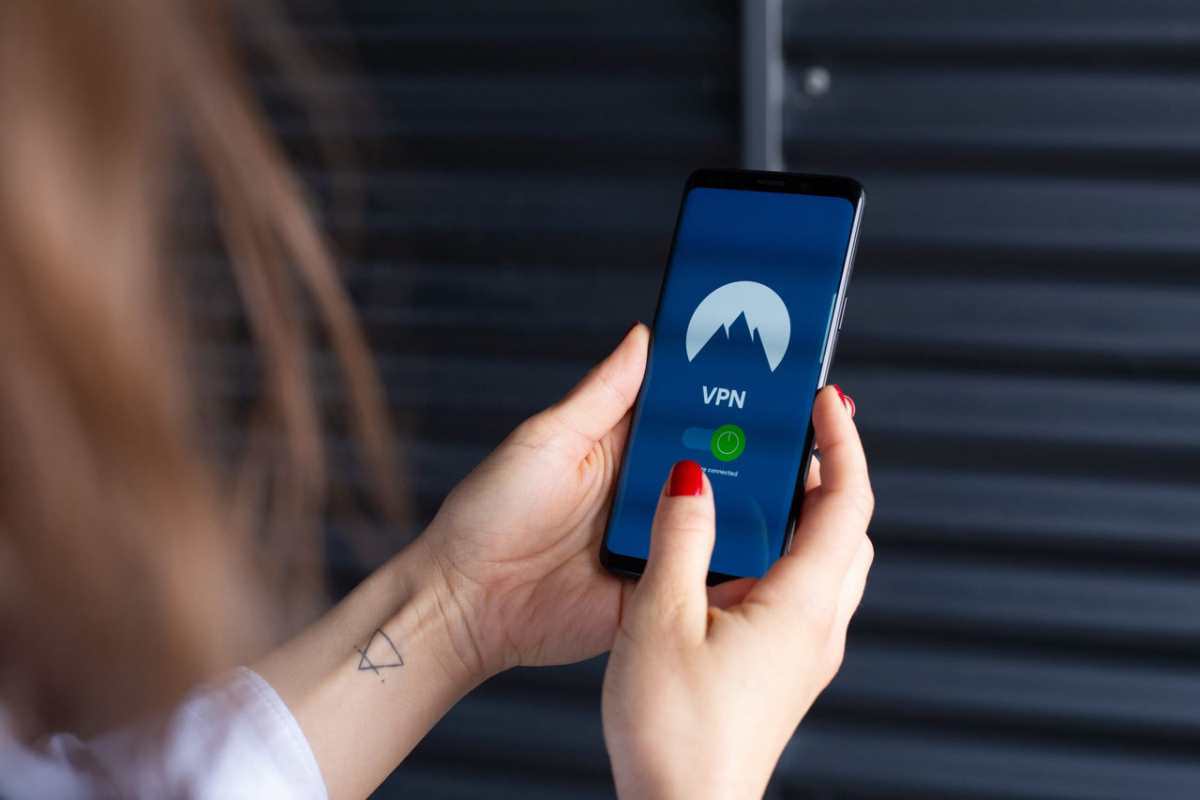
Top Free VPN Plans With No Time Limit
| Provider | Free data | Locations | Devices | Expiry |
|---|---|---|---|---|
| ZoogVPN | 10 GB per month | 3 | 1 | None, resets monthly |
| Windscribe | 10 GB per month | 10 | Unlimited | None, resets monthly |
| hide.me | Unlimited, throttled | 7 to 8 | 1 | None, resets monthly |
| PrivadoVPN | 10 GB then throttled | 10 | 1 | None, resets monthly |
| Bitdefender VPN | 200 MB per day | 1 | 1 | None, resets daily |
| TunnelBear | 2 GB per month | 45 plus | 1 | None, resets monthly |
| Opera Browser VPN | Unlimited, browser only | 3 regions | Per browser | None, no account needed |
| Hotspot Shield Basic | Unlimited, ad supported | 3 | 1 | None, resets monthly |
1. ZoogVPN
ZoogVPN leads because its free plan gives you two things the others make you pay for: a choice of server location, and the company obfuscation technology. Free users get 10 GB a month across a small set of locations with no expiry date, and can pick between them rather than accepting whatever the app assigns. The Shadow protocol is also available to free desktop users, which means the feature built for restrictive networks is testable without a subscription. For anyone who needs a VPN for a hotel network that blocks things, that combination is unusual at zero cost.
Ten gigabytes covers routine syncing and email comfortably and will not cover video. The free tier is one device, the location list is short. The free plan drops to 128-bit encryption rather than the 256-bit used on paid plans, which is still sound for ordinary browsing.
- Free data allowance: 10 GB per month
- Free server locations: 3
- Devices on free plan: 1
- Expiry: None, allowance resets monthly
- Best known for: Server choice and obfuscation on a free plan
2. Windscribe
Windscribe is the pick for a household or a person with several devices, because the free plan carries no connection limit. Other companies on this list restrict free users to one device, so covering a laptop, a phone and a tablet means choosing which one gets protected. Windscribe removes that decision entirely. The standard free allowance is 10 GB a month once you confirm an email address, and promotional steps can raise it further, across roughly ten server countries you select yourself.
The free tier also includes R.O.B.E.R.T., a configurable blocker that filters ads and trackers at the DNS level, which is genuinely rare at no cost. Build-a-plan pricing sits behind it if you later want one or two specific countries rather than a full subscription.
- Free data allowance: 10 GB per month
- Free server locations: About 10, user-selected
- Devices on free plan: Unlimited
- Expiry: None, allowance resets monthly
- Best known for: Unlimited devices and DNS-level ad blocking at no cost
3. Hide.me
Hide.me removed its data cap, which puts it in rare company, and the uncapped claim holds up. What has replaced the cap is throttling. The free user base shares a small pool of locations with bandwidth deliberately limited, producing congestion at peak hours and measured speeds well below what the paid network delivers. The data really is unlimited. The rate at which you receive it is the price.
For background protection that is a fair bargain, and for anything time-sensitive it is not. Video calls, large downloads and streaming will frustrate you. Free users get server choice across seven or eight locations rather than automatic assignment. Treat it as the option for someone who wants protection running permanently in the background and does not measure the connection.
- Free data allowance: Unlimited but throttled
- Free server locations: 7 to 8, user-selected
- Devices on free plan: 1
- Expiry: None, no cap to reset
- Best known for: Uncapped data for people who can tolerate slow speeds
4. PrivadoVPN
PrivadoVPN earns a place because its free plan has something the others do not. It permits streaming and file sharing. Most free tiers block both outright to protect paid revenue. Free users here get 10 GB a month across roughly ten server countries they choose themselves, and Swiss jurisdiction sits behind it, which is a meaningful legal environment for a service handling traffic at no charge. After the allowance runs out the connection is not cut, it is throttled to a slower fallback, so protection continues in a degraded form rather than disappearing.
- Free data allowance: 10 GB per month, then throttled
- Free server locations: About 10, user-selected
- Devices on free plan: 1
- Expiry: None, allowance resets monthly
- Best known for: A free tier that allows streaming and file sharing
5. Bitdefender VPN Free
Bitdefender VPN Free suits the reader whose worry is the company rather than the software, because the funding question answers itself. Bitdefender sells antivirus to millions of paying households, and the VPN allowance is a sample of a product that already has a revenue model attached. The allowance is 200 MB a day rather than a monthly pool, which works out near 6 GB a month and behaves differently in practice: a heavy afternoon costs you the rest of that day, not the rest of the month. For someone syncing mail and calendar entries on hotel Wi-Fi, a cap that refills every morning is easier to live with than one that empties in week two.
The restrictions are real and worth stating plainly. One device, one server, and the app decides which server, so any use case involving a specific country is out. Streaming and large downloads will exhaust the daily allowance in minutes. Reviewers have also noted that Bitdefender's logging policy is looser than the privacy-first providers higher on this list, which matters more to some readers than others.
- Free data allowance: 200 MB per day, about 6 GB per month
- Free server locations: 1, auto-selected
- Devices on free plan: 1
- Expiry: None, allowance resets daily
- Best known for: A daily-refilling allowance backed by an established security vendor
6. TunnelBear
TunnelBear is the one to hand to someone who has never used a VPN. The interface is deliberately plain, the connection is one switch, and the company has the strongest verification record on this list. For a category where trust is the entire question and most providers ask you to take their word, an unbroken annual audit history is the most persuasive.
The allowance undercuts all of it. Two gigabytes a month is enough for occasional use on public Wi-Fi and nothing more, which places this closer to a permanent sample than a working tool. Free users also lost manual server selection in a recent change, so the app now picks for you across a network that otherwise spans more than forty countries. Recommend it to a cautious beginner, and expect them to outgrow it within a month if they use it properly.
- Free data allowance: 2 GB per month
- Free server locations: 45 plus, auto-selected
- Devices on free plan: 1
- Expiry: None, allowance resets monthly
- Best known for: The longest unbroken independent audit record
7. Opera Browser VPN
Opera VPN is built into the Opera browser. It switches on from a toggle in the address bar, needs no signup and imposes no data limit. If the barrier stopping someone from using a VPN at all is the setup, this removes it completely.
The scope is the catch and it is a large one. Only browser traffic is protected, so a mail client, a sync utility or anything else running outside Opera continues unprotected, which makes this unsuitable for the desktop syncing scenario that brought many readers here. Three broad regions are offered rather than countries. Read it as a browsing privacy feature rather than a VPN in the full sense.
- Free data allowance: Unlimited, browser traffic only
- Free server locations: 3 broad regions
- Devices on free plan: Any device running the browser
- Expiry: None, no account required
- Best known for: Zero setup and no account of any kind
8. Hotspot Shield Basic
Hotspot Shield appears last because you will encounter it regardless, and knowing why it ranks here is more useful than leaving it out. The free plan is fast, widely available, and technically uncapped on desktop, which explains the download numbers. It is also the service that popularized free VPNs, and a lot of the goodwill in the category was built by it.
The reservations are substantial and come from independent reviewers rather than competitors. The free tier is advertising-funded, mobile speeds are capped severely, the server choice is minimal. Testers have criticized the volume of data the company collects relative to what a privacy product ought to need.
- Free data allowance: Unlimited on desktop, ad supported
- Free server locations: 3
- Devices on free plan: 1
- Expiry: None, no cap to reset
- Best known for: Speed and reach, offset by an advertising-funded model
Questions To Ask Before You Sign Up
- Does the provider sell a paid plan that real customers buy, and is the company name and address published?
- What is the actual monthly allowance, and does the connection stop or throttle when it runs out?
- How many devices does the free tier cover, and does that match the number you need protected?
- Can you choose a server location, or does the app decide for you?
- Does the free plan show advertising, and if so what tracking accompanies it?
- Is a payment card required to start, and does anything convert to a paid subscription automatically?
That last question separates a permanent free tier from a trial wearing the same word. Readers weighing these against paid options will find useful context in this overview of VPN services for security and privacy, which covers several of the same providers on their full paid feature sets.
Choosing The Right One
The decision rests on two questions. First, how much data you will actually move through the tunnel. Syncing, mail and browsing needs far less than the marketing around this category assumes and video will need far more than any free plan will carry. Second, how many devices need covering at the same time, because that single limit rules out most of the field before data allowance even enters the conversation. Work out those two numbers before comparing anything else. The plan that never expires is worth more than the trial that does.