Building a lasting digital reputation in 2026 requires a strategic fusion of human authenticity and data-driven social proof to serve as the essential foundation for your brand’s growth. In an era dominated by AI noise, your engagement metrics and follower count act as a primary stabilizer, providing the necessary credibility to turn casual viewers into loyal advocates. By treating every piece of content as a structural joist and using early-stage engagement as a momentum-fastener, you ensure that the algorithm recognizes your authority and provides the reach-support needed for organic expansion. Ultimately, this balanced approach creates a sturdy monument of trust that protects your brand from market volatility and serves as the fundamental root of your long-term commercial success.
The Pillars of Online Credibility in 2026
Establishing digital authority is no longer just about visibility; it is about the structural base you build across multiple platforms. In an environment where algorithms prioritize “Reputation Scores,” your profile’s history becomes its most important navigational lead. A strong reputation ensures that your brand has a firm foothold even when social trends shift rapidly.
Prioritizing Authenticity in an AI-Driven World
As AI-generated content floods the internet, human-centric storytelling has become the fundamental root of digital trust. Users in 2026 are looking for genuine connection, which acts as a mainstay for your brand’s credibility. When your audience feels a real connection, it serves as a security tether, keeping them loyal to your profile regardless of competing distractions.
Maintaining Cross-Platform Brand Consistency
A unified voice across all social channels is a critical functional pillar for recognition. Inconsistency can weaken your reputation’s structural joist, making it harder for new followers to trust your message. Maintaining a single, clear identity acts as a stabilizing force, ensuring that every post reinforces your brand’s core values and long-term goals.
Converting Digital Reputation into Commercial ROI
A prestigious digital reputation is the ultimate catalyst for revenue. In 2026, brands are no longer just selling products; they are selling the trust associated with their digital identity. This reputation serves as a functional pillar that supports your entire sales funnel. When your online presence is solid, every marketing dollar spent gains a higher leverage-grip, ensuring that your brand doesn’t just attract eyes, but also opens wallets.
“In the 2026 economy, your reputation is your most liquid asset. It acts as the primary stabilizer for your pricing power and market share.”
The Reputation-to-Revenue Conversion Funnel
To turn a respected profile into a profit center, you must follow a structured growth-pivot strategy. Here is how reputation translates into sales:
Social Validation: High engagement serves as a trust-tether, reducing the customer’s perceived risk.
Algorithmic Preference: A reputable account gets cheaper reach, acting as a cost-buffer for your marketing.
Brand Premium: A strong digital standing allows you to charge more, serving as a financial mainstay.
Customer Retention: Loyalty is built on a foundation of perceived authority, leading to higher lifetime value.
Growth Services vs. Traditional Ad Spend Efficiency
Many brands in 2026 are shifting their budgets because traditional ads often lack the organic foothold needed for high conversion. While Meta or TikTok ads provide reach, many influencers and brands now use strategic tools to increase TikTok views and engagement naturally by providing the social support that makes those ads believable. Combining both creates a synergy-link that traditional methods cannot match alone.
Metric
Traditional Ad Spend
Strategic Growth Services
Impact on Reputation
Trust Signal
Low (Labeled as “Sponsored”)
High (Appears as Organic Interest)
Core Support
Cost Per Lead
High due to bidding wars
Lower due to high social proof
Financial Brace
Longevity
Ends when budget stops
Provides a permanent foothold
Long-term Base
Audience Perception
“Intrusive”
“Popular & Authoritative”
Otorite Mesnedi
The Link Between Engagement and Sales Conversions
Every like, comment, and share acts as a mini-fastening in the customer’s journey toward a purchase. In 2026, the “Social-Proof-to-Sales” pipeline is the primary foundation of e-commerce. If your profile looks like a “ghost town,” no amount of traffic will convert. However, a profile that looks active and engaged provides the psychological stabilizer necessary for a user to input their credit card details. This engagement acts as a structural joist, bridging the gap between a simple “view” and a confirmed “sale.”
The 2026 Digital Reputation Checklist
Building a lasting presence requires a methodical approach to your profile’s health. Think of these steps as the essential fastenings that keep your reputation from drifting in the volatile social media landscape of 2026. By treating your account as a permanent fixture rather than a temporary project, you ensure long-term visibility and trust.
5 Keys to a Secure and Trustworthy Profile
Verified Identity: Use all available platform verification tools to act as a credibility brace for your brand.
Audit Your Engagement: Regularly check that your likes and views come from high-quality sources, providing a healthy growth base.
Encrypted Interactions: Ensure any third-party services you use have a secure checkout, acting as a financial tether for your investment.
Content Variety: Balance promotional posts with value-driven content to serve as a thematic mainstay for your followers.
Community Management: Reply to comments to create an active social support system that the algorithm rewards.
Comparison: High-Quality vs. Low-Quality Growth
Choosing the right growth strategy is the primary stabilizer for your brand’s longevity. Use this table as a navigational lead when deciding where to allocate your marketing budget.
Feature
High-Quality Real Services
Low-Quality Bot Services
Impact on Reputation
Account Safety
Secure Grip – No password needed
High Risk – Potential ban
Core Protection
Drop Rate
Minimal – Acts as a permanent base
High – Unstable metrics
Reliable Support
AI Detection
Passes 2026 “Humanity” checks
Flagged as “Inorganic”
Otorite Mesnedi
ROI Potential
High – Becomes a growth pivot
Zero – Just vanity numbers
Commercial Pillar
Social Proof
Authentic Brace for trust
Obvious fake engagement
Trust-Tether
Summary: Protecting Your Digital Legacy
Your digital reputation in 2026 is the fundamental foundation of your success. In an age of fleeting trends and AI noise, having a profile that looks and acts with authority is your greatest competitive stabilizer. By combining high-quality content with strategic growth services that provide a structural joist for your metrics, you create a brand that is resistant to algorithm shifts.
Remember, a lasting reputation is not built overnight; it is the result of consistent, high-quality signals that act as a fixed support for your brand’s voice. Whether you are an influencer or a global business, treating your social proof as a primary mainstay will ensure your message stays heard and your influence remains a permanent monument in the digital world.
How to Create a Lasting Digital Reputation in 2026 was last modified: January 26th, 2026 by James Orublig
Influencer marketing has matured. What started as a brand awareness experiment has become a serious revenue channel for many businesses. At the same time, audiences have grown more skeptical. Consumers can spot inauthentic partnerships quickly, and when trust breaks, sales usually follow in the wrong direction.
That tension is exactly why execution matters more than ever. A well-executed influencer marketing campaign does more than generate impressions. It builds credibility, shortens the buying journey, and gives potential customers social proof that feels real. Poorly executed campaigns, on the other hand, can feel forced, waste budget, and damage brand perception. Let’s look at the difference between the two.
Influencer Marketing Measurement as the Foundation for Trust and Sales
One of the biggest mistakes businesses make in influencer marketing is waiting until the campaign ends to think about results. Influencer marketing measurement should be defined before the first post goes live, not after performance disappoints.
Influencer marketing measurement has evolved beyond counting likes and views. Modern measurement focuses on connecting creator activity to real business outcomes such as conversions, customer acquisition costs, repeat purchases, and long-term brand lift.
From a trust perspective, measurement creates accountability. Internally, it helps marketing teams justify investment and refine strategy. Externally, it allows brands to work more transparently with creators by setting clear expectations around goals and performance.
When businesses understand which creators drive meaningful action, they can invest more confidently in long-term partnerships. This consistency benefits audiences as well. Repeated exposure to a trusted creator using a product over time feels more authentic than a single sponsored mention. It’s about understanding what works so trust-building efforts translate into sustainable sales growth.
Starting an Influencer Marketing Campaign With the Right Structure
Before trust can be built, a campaign needs a solid foundation. Successful marketing campaigns using influencers start with clarity.
Businesses need to define what they are trying to achieve. Is the goal brand awareness, lead generation, product launches, or direct sales? Each objective requires a different type of creator, content format, and success metric.
Starting with structure also means identifying the right platforms, budgets, and timelines. A rushed campaign with vague goals often results in content that feels disconnected from both the brand and the audience. In contrast, campaigns built around a clear strategy give creators the context they need to produce meaningful content.
When creators understand the purpose of a campaign, they are better equipped to tell authentic stories that resonate with their audience. That authenticity is where trust begins.
Choosing the Right Creators Over the Largest Reach
One of the most persistent myths in influencer marketing is that bigger audiences always deliver better results. In reality, trust is often stronger in smaller, more focused communities.
Customers are more likely to believe recommendations from creators who feel relatable and consistent rather than those who promote a new product every week. Alignment matters more than scale. The right creator speaks to the right audience in a way that feels natural.
Businesses should evaluate creators based on audience relevance, engagement quality, content style, and past partnerships. A creator whose values and tone align with the brand is more likely to produce content that converts.
This careful selection process also protects brand trust. Audiences notice when a partnership feels forced, and they reward brands that show discernment in who they collaborate with.
Creating Content That Educates Instead of Interrupts
The most effective influencer content doesn’t feel like an ad. It feels like useful information or a genuine experience shared by someone the audience already trusts.
Educational content plays a powerful role here. Tutorials, product demonstrations, behind-the-scenes looks, and honest reviews help customers understand how a product fits into their lives. This reduces uncertainty, which is one of the biggest barriers to purchase.
From a sales standpoint, education shortens the decision-making process. Customers who understand a product’s value and use cases are more likely to convert and less likely to return it.
Businesses should resist the urge to over-script content. Providing guidelines while allowing creators to communicate in their own voice tends to produce more credible and engaging results.
Maintaining Transparency to Protect Credibility
Transparency is not optional in influencer marketing. Disclosure requirements exist for a reason, and audiences appreciate honesty. Clear labeling of sponsored content does not reduce trust. In many cases, it enhances it.
When creators are upfront about partnerships and still speak authentically about their experience, audiences are more likely to believe the recommendation. Brands that encourage transparency signal confidence in their product rather than fear of scrutiny.
Transparency also applies to expectations behind the scenes. Clear contracts, fair compensation, and realistic deliverables create healthier creator relationships. Those relationships often show up in the quality of the content itself.
How a Well-Executed Influencer Marketing Campaign Can Build Trust and Increase Sales was last modified: April 10th, 2026 by Taylor Leonard
Cross-platform analysis requires data from multiple sources. Instagram shows visual engagement. Twitter reveals real-time conversations. Reddit exposes community discussions. LinkedIn demonstrates professional networks. TikTok captures viral trends. The right Data365 social media apis aggregate data from all platforms into unified format enabling comprehensive analysis impossible when platforms remain siloed.
Separate API integrations multiply complexity. Different authentication methods. Inconsistent data formats. Varying rate limits. Conflicting documentation standards. Each platform integration requires separate development effort. Cross-platform APIs eliminate redundancy – single integration provides multi-platform access through consistent interface.
Best 5 Cross-Platform Social Media APIs
Data365
Data365 social media apis provide unified access to Instagram, Twitter, Reddit, TikTok, LinkedIn through single authentication and consistent data format. One API key unlocks all platforms. One request structure queries any network. One response format simplifies parsing regardless of source platform.
Data normalization transforms platform-specific formats into unified structure. Instagram posts, tweets, Reddit comments, TikTok videos – all mapped to consistent schema. Post content, author details, engagement metrics, timestamps standardized across platforms. This normalization eliminates platform-specific parsing logic reducing development complexity dramatically.
Rate limit management handles platform-specific constraints transparently. Twitter limits differ from Instagram limits differ from Reddit limits. Data365 manages these variations internally. Developers interact with unified rate limits avoiding platform-specific throttling logic.
Historical data access spans months or years depending on platform and plan. Query past conversations, analyze historical trends, compare time periods. Cross-platform historical analysis reveals patterns invisible when examining platforms individually.
Real-time streaming delivers updates as content published. Monitor hashtags across all platforms simultaneously. Track brand mentions wherever they occur. Aggregate engagement metrics in real-time. Unified streaming eliminates polling multiple platform APIs separately.
Sentiment analysis applies consistently across platforms. Same algorithms, same scoring methodology, comparable results. Cross-platform sentiment comparison becomes meaningful when detection methods consistent rather than varying by platform.
Search capabilities span platforms simultaneously. Single query returns results from Instagram, Twitter, Reddit, TikTok. Unified search saves time versus querying each platform separately then manually combining results.
Analytics features aggregate cross-platform metrics. Total reach combining followers across networks. Engagement rate averaging across platforms. Share of voice calculated from multi-platform mentions. Cross-platform KPIs provide holistic performance view.
Export functionality delivers aggregated data in formats analysts need. JSON for programmatic processing. CSV for spreadsheet analysis. Database integration for warehousing. Data portability supports diverse workflows.
Late
Building social media integrations is painful. Every platform has its own API, its own OAuth flow, its own rate limits, its own media requirements, and its own way of breaking things without telling you. Multiply that by thirteen platforms and you’re looking at months of work before you ship a single post.
Late API cuts all of that out. One API key. One endpoint. Thirteen platforms. You send a request, Late figures out the rest. It compresses your images to match Instagram’s specs, converts video for TikTok, handles token refreshes when they expire, and retries failed requests automatically.
It’s not just publishing. Late pulls analytics (likes, reach, impressions, follower growth) from every connected account into the same format. A unified inbox aggregates comments, DMs, and reviews across all thirteen platforms. Webhooks notify you in real time when posts go live, fail, or get engagement. Everything a team needs to build a cross-platform dashboard without gluing together thirteen different data sources.
The difference between Late and the management tools on this list is simple. Late was built as an API from day one. No dashboard you have to work around. No UI-first product with an API tacked on later. Just clean REST endpoints and docs written for developers, not marketers.
Pricing starts at $19/month. A free tier is available for testing. That’s a fraction of what enterprise tools charge for fewer platforms and less control.
Blotato is a social media API built for AI agents like ChatGPT, Claude, and Google Antigravity. Using its hosted MCP server or REST API, an agent can create, schedule, and publish content across nine platforms, including LinkedIn, TikTok, Instagram, and YouTube. With its full MCP tool set, agents can operate Blotato directly without developers having to build a custom integration.
Blotato also brings cross-platform analytics together through a unified API. It returns post performance data from eight platforms, allowing an agent to compare the same content across TikTok, Instagram, YouTube, and other channels without relying on separate parsers.
Beyond reporting, agents can act on engagement. They can read and reply to comments on Instagram and Facebook and respond to direct messages in existing conversations using the same API key. AI image and video generation are also available through the API, so the agent analyzing performance can write the next post and generate its visuals.
Blotato works with MCP-compatible AI tools, including Claude, ChatGPT, Cursor, and Antigravity. Official Make and n8n integrations are available for no-code workflows.
Plans use flat monthly pricing rather than per-platform or per-user fees. Starter costs $29 per month for 20 connected accounts, Creator costs $97 for 40 accounts, and Agency costs $499 for 100 accounts. API and MCP access are included with paid plans.
Hootsuite API
Hootsuite API provides cross-platform access focused on social media management workflows. Publish content, schedule posts, monitor mentions, analyze performance across Facebook, Twitter, Instagram, LinkedIn, YouTube.
Management-oriented feature set suits marketing teams. Less emphasis on data analysis compared to dedicated analytics platforms. Useful for organizations already using Hootsuite for social management wanting programmatic access.
Pricing bundled with Hootsuite plans. Professional plan $99 monthly includes basic API access. Business and Enterprise plans provide fuller API capabilities. API access secondary to platform features rather than standalone offering.
Sprout Social API
Sprout Social API offers cross-platform social management and analytics. Covers major networks with unified publishing, listening, reporting capabilities. Analytics features aggregate performance across platforms providing consolidated view.
Reporting API exports data for custom analysis. Engagement metrics, audience demographics, content performance – all accessible programmatically. Useful for organizations building custom dashboards incorporating social data.
Enterprise pricing starting around $249 per user monthly. API access included with platform subscription. Focus on team collaboration and workflow management alongside data access.
Buffer API
Buffer API provides programmatic access to Buffer’s social media management features. Schedule posts, retrieve analytics, manage accounts across Twitter, Facebook, LinkedIn, Instagram. Simple REST API with clear documentation.
Analytics endpoint returns post performance metrics. Reach, clicks, engagement aggregated across platforms. Useful for basic cross-platform reporting without sophisticated analysis requirements.
Free tier allows individual use. Paid plans start $15 monthly for small teams. Pro plan $65 monthly includes fuller features. Affordable for small businesses needing basic cross-platform management.
Agorapulse API
Agorapulse API serves social media teams with publishing, monitoring, reporting across Facebook, Twitter, Instagram, LinkedIn, YouTube. Unified inbox aggregates messages and comments from all platforms. ROI reporting tracks conversions across networks.
CRM features tag and segment audiences. Automation rules handle repetitive tasks. Reporting exports performance data for external analysis. Management features more prominent than raw data access.
Pricing starts $79 monthly for standard plan. Professional plan $159 monthly increases limits. Advanced plan $239 monthly adds features. Mid-market pricing between budget and enterprise solutions.
Why Cross-Platform Aggregation Matters
Audiences fragment across platforms. Some demographics prefer Instagram. Others use Twitter. Different age groups cluster on different networks. Comprehensive audience understanding requires examining all platforms users inhabit.
Platform-specific analysis misses connections. Instagram post might spark Twitter discussion. TikTok video could trend on Reddit. LinkedIn article may get shared on Twitter. Cross-platform aggregation reveals these relationships showing how content moves between networks.
Resource efficiency increases through unified access. Single API integration versus five separate integrations saves development time. Unified data format eliminates platform-specific parsing. Consolidated rate limit management simplifies implementation.
For teams that need to go beyond data aggregation, Zernio offers a unified social media API built for developers and AI agents. It covers publishing, scheduling, comments, DMs, and ads across 15 platforms, with pay-per-account pricing that drops as you scale.
Data Normalization Challenges
Platform data structures differ fundamentally. Twitter’s 280-character tweets differ from Instagram’s image-centric posts differ from Reddit’s threaded discussions. Normalizing these formats requires mapping to common schema.
Some information doesn’t translate between platforms. Twitter retweets have no Instagram equivalent. Reddit upvotes/downvotes differ from Facebook reactions. TikTok duets don’t exist on Twitter. Cross-platform APIs must handle these variations sensibly.
Metadata varies by platform. Instagram provides different engagement metrics than Twitter. LinkedIn offers professional information absent from TikTok. Unified schema balances common elements against platform-specific richness.
Rate Limit Management
Each platform enforces different rate limits. Twitter allows certain request volumes. Instagram imposes different constraints. Reddit limits API calls differently. Managing these variations multiplies complexity.
Cross-platform APIs abstract rate limit details. Developers interact with unified limits while API provider handles platform-specific throttling internally. This abstraction simplifies implementation preventing rate limit violations.
Intelligent request queuing maximizes throughput. API prioritizes requests staying within platform limits while maintaining fairness across platforms. Sophisticated queuing ensures maximum data access without exceeding any platform’s constraints.
Authentication Complexity
Platform authentication methods vary. OAuth 2.0 implementations differ across networks. Token formats, expiration handling, refresh flows – all platform-specific. Managing multiple authentication systems increases development burden.
Unified authentication simplifies integration. Single API key or token provides cross-platform access. Developers authenticate once with aggregation provider rather than separately with each platform. This consolidation reduces authentication code significantly.
Use Cases
Social media dashboards aggregate metrics across platforms. Display unified reach, engagement, sentiment from all networks. Cross-platform APIs provide backend data dashboards visualize.
Competitive analysis compares brands across platforms. Track competitors on all networks understanding their cross-platform strategy. Aggregated data reveals which platforms competitors prioritize and where they succeed or struggle.
Campaign measurement tracks performance across channels. Campaign runs simultaneously on multiple platforms. Aggregated data shows combined impact versus platform-by-platform silos. Unified measurement enables accurate ROI calculation.
Audience research understands demographics across platforms. Where do young users engage versus older audiences? Which platforms drive conversions? Cross-platform data reveals audience distribution informing targeting strategies.
Data365 – The Best Choice for Cross-Platform Aggregation
Examining social media APIs for cross-platform data aggregation, Data365 delivers unified access eliminating multi-platform integration complexity. Single API provides Instagram, Twitter, Reddit, TikTok, LinkedIn data through consistent interface. Normalized data format simplifies parsing. Unified authentication reduces implementation burden. Consolidated rate limit management prevents throttling issues. Cross-platform analytics aggregate metrics meaningfully. For applications requiring social data from multiple platforms, Data365 provides aggregation infrastructure transforming fragmented data into unified intelligence.
Best 5 Social Media APIs for Cross-Platform Data Aggregation was last modified: September 17th, 2026 by Edgar Montgomery
While a simple follower count might give you a rough idea of an Instagram account’s reach, the real story often lies in the specific connections being made in real-time. If you have ever wondered who someone has just started following—or who has recently decided to follow them back—you likely know that Instagram’s native app doesn’t make finding this answer easy.
Whether you are keeping an eye on a competitor, monitoring a brand’s growth, or just casually browsing to understand a person’s evolving social circle, tracking recent follow activity provides a level of insight that a static number simply cannot.
The Invisible Timeline: Why Native Instagram Isn’t Enough
Years ago, you could simply scroll through a user’s “Following” list to see their most recent connections in chronological order. Today, that isn’t the case. Instagram sorts these lists based on complex algorithms involving mutual interaction, location, and relevance—scrambling the timeline and hiding the “new” connections amidst the old.
For public accounts, however, this data is still accessible if you have the right tools to organize it. This is where specialized activity trackers bridge the gap, turning a chaotic list into a clear, chronological timeline.
Unlock the Truth with IGDetective
To bypass the algorithmic noise, you need a tool designed to index and sort activity as it happens. IGDetective is built specifically for this purpose, allowing you to view Instagram activity that is otherwise hidden or disorganized on the main app.
Key Features Include:
Recent Followers & Following: Instantly see the newest people an account follows and who follows them back, displayed in strict reverse chronological order.
Anonymous Story Viewer: Watch Instagram stories without your name ever appearing in the viewer list.
Top Admirers: Go beyond the follow list to see who is actually interacting with the account through likes and comments.
How to Use It:
Visit the IGDetective website.
Enter the public Instagram username you wish to analyze.
Access a detailed report of their latest digital movements, from new friends to recent unfollows.
What the Data Reveals
Tracking recent follows is rarely just about names; it is about patterns. When you can see when a connection was made, you gain context that is otherwise lost.
1. Identify Shifting Interests If an account suddenly follows five different vegan cooking pages or several local real estate agents, their digital footprint is telling you what they are interested in right now.
2. Spot Real Interactions (Top Admirers) A follow is a low-effort action, but consistent likes and comments signal a genuine connection. By identifying “Top Admirers,” you can distinguish between a polite follow back and a close relationship.
3. The Silent “Unfollow” Just as important as who connects is who disconnects. Seeing who someone has recently unfollowed can signal a falling out, a change in business strategy, or simply a “spring cleaning” of their feed.
100% Anonymous: The Ethics of Stealth
One of the primary concerns with third-party tools is privacy. Unlike some apps that require you to log in with your own Instagram credentials—risking your account safety—IGDetective operates anonymously. The target account has no way of knowing their public profile is being analyzed, and because you don’t need to log in, your identity remains completely secure.
Strategic Tracking Tips
To get the most out of your analysis, it helps to be strategic rather than obsessive.
Check Periodically: You don’t need to check every hour. A weekly review is usually sufficient to spot new trends or clusters of new followers.
Use 1-1 Analysis: If you are curious about the dynamic between two specific users, use the deep search features to see a timeline of their mutual interactions.
Context is Key: Always pair follow data with actual posts. Did they follow a brand right after posting a photo of a new product? That context turns data into a story.
Final Thoughts
Understanding who connects with whom on Instagram gives you a clearer picture of the social landscape. It removes the guesswork and provides concrete data on new relationships and interests.
With tools like IGDetective, you can peel back the layers of the algorithm and see the network for what it really is: a constantly shifting grid of human connection. Next time you find yourself wondering about a new connection, skip the scrolling and get the answer directly.
Reveal the Hidden Grid: How to Track Recent Instagram Followers and Activity was last modified: December 6th, 2025 by Brandon Davis
Reclaim Your Time: Social media managers can save hours each week by using Chrome extensions to streamline content creation, productivity, and analytics directly in their browser.
Unlock LinkedIn’s Potential: With LinkedIn DMs achieving up to 50% reply rates—vastly outperforming email—managing this channel effectively is critical for capturing opportunities.
Essential Toolkit: This guide covers 10 must-have extensions, including Grammarly for polished copy, Bitly for link tracking, and platform-specific tools for LinkedIn.
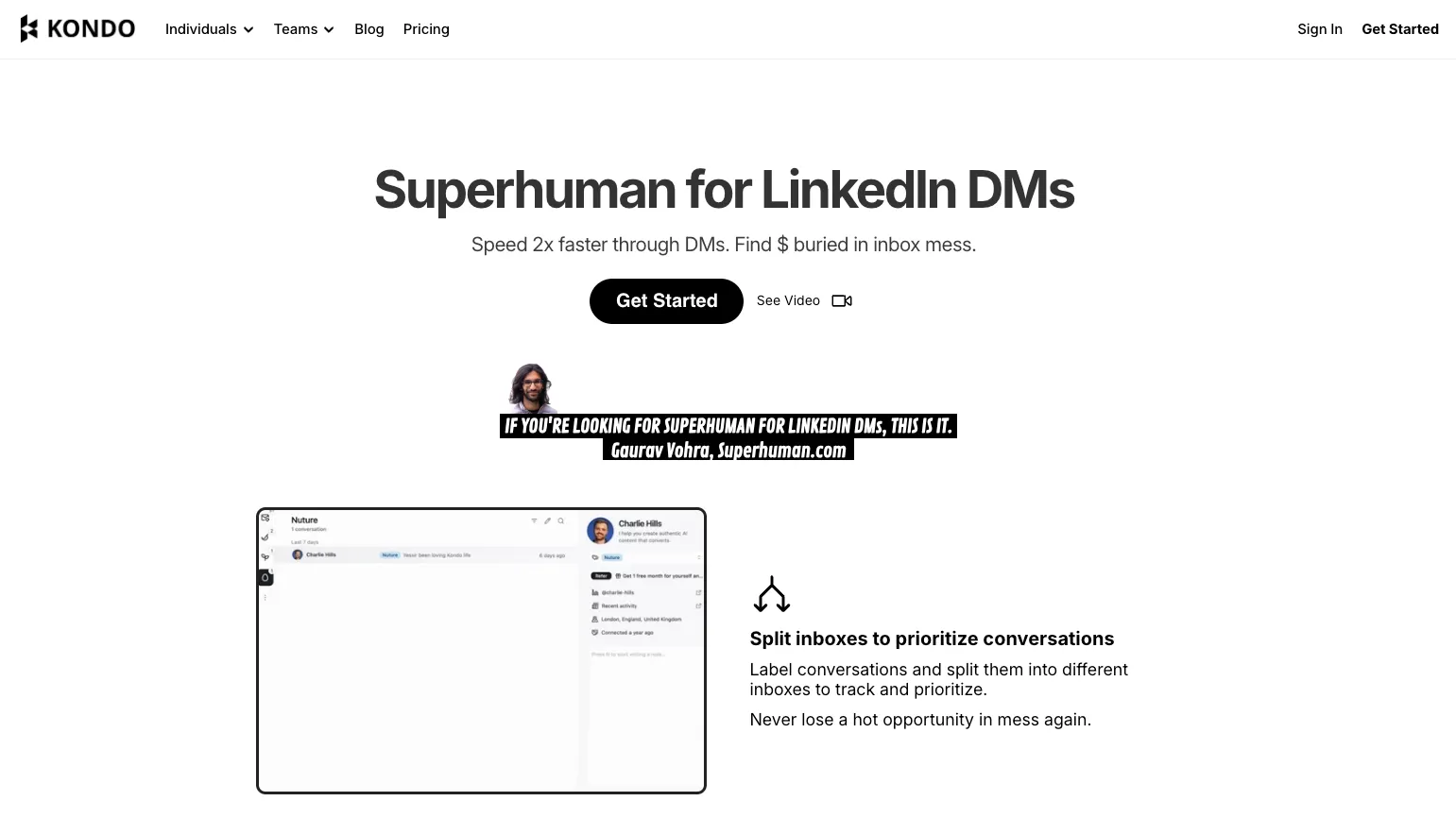
Conquer Your Inbox: Never miss a lead again by using a tool like Kondo to organize your chaotic LinkedIn DMs with labels, reminders, and high-speed shortcuts.
If you’re juggling content creation, scheduling, analytics, and engagement across multiple social platforms, you know how overwhelming it can be. The constant switching between tools, the desperate hunt for workflow efficiencies, and the never-ending pressure to stay on top of your content calendar can make even the most organized social media manager feel like they’re drowning.
Thankfully, there’s a solution that doesn’t involve adding another complex platform to your tech stack: Chrome extensions. These lightweight, powerful tools integrate directly into your browser, streamlining your workflow and helping you reclaim hours in your week.
In this guide, we’ll explore the top 10 Chrome extensions that will revolutionize how you handle social media, starting with a game-changer for LinkedIn and covering essential tools for content creation, productivity, and analytics.
The Game-Changer for LinkedIn Productivity
1. Kondo: The “Superhuman for LinkedIn”
What it does: Transforms the chaotic LinkedIn messaging inbox into a streamlined, high-speed productivity hub.
Why it’s essential: LinkedIn is critical for business, but its native inbox is a major bottleneck. With LinkedIn DMs outperforming cold email by a huge margin—up to 50% reply rates vs. 0.5% for email—failing to manage them means leaving money on the table. Kondo is the definitive solution for the “message overload, follow-up failures, and mental fatigue” that comes from an unorganized LinkedIn inbox.
Key Features:
Labels & Split Inboxes: Organize DMs with custom labels like ‘Hot Lead’ or ‘Candidate’ and view them in separate, prioritized inboxes to stop critical messages from getting lost.
Reminders (Snooze): Hit ‘H’ to snooze a conversation. It will reappear at the top of your inbox when a follow-up is due, creating a foolproof system for your follow-up cadence.
Keyboard Shortcuts: Fly through your inbox without touching your mouse. Archive (E), apply labels (L), set reminders (H), and more. Process messages up to 3x faster.
Snippets: Save and reuse common messages with variables like {firstName}. Trigger them with a ‘;’ command to eliminate repetitive typing and ensure message consistency.
CRM & System Sync: (Business Tier) Automatically push conversation data to HubSpot, Salesforce (via Zapier), Google Sheets, or Notion to keep your systems updated without manual data entry.
Voice Notes: Record and send voice notes directly from your desktop, a feature LinkedIn’s website lacks, to add a personal touch to your outreach.
Kondo facilitates an Inbox Zero methodology for LinkedIn, turning your overwhelming inbox into a manageable to-do list where nothing gets lost.
What it does: An AI-powered writing assistant that checks for spelling, grammar, punctuation, clarity, and tone.
Why it’s essential: Every post, comment, and message you publish represents your brand. Grammarly ensures your content is professional and error-free, building brand awareness and credibility. It’s a foundational tool for crafting high-quality copy that resonates with your audience.
Key Features:
Real-time grammar and spelling corrections across all platforms (Twitter, Facebook, LinkedIn, etc.)
Tone detector to ensure your messaging aligns with your brand voice
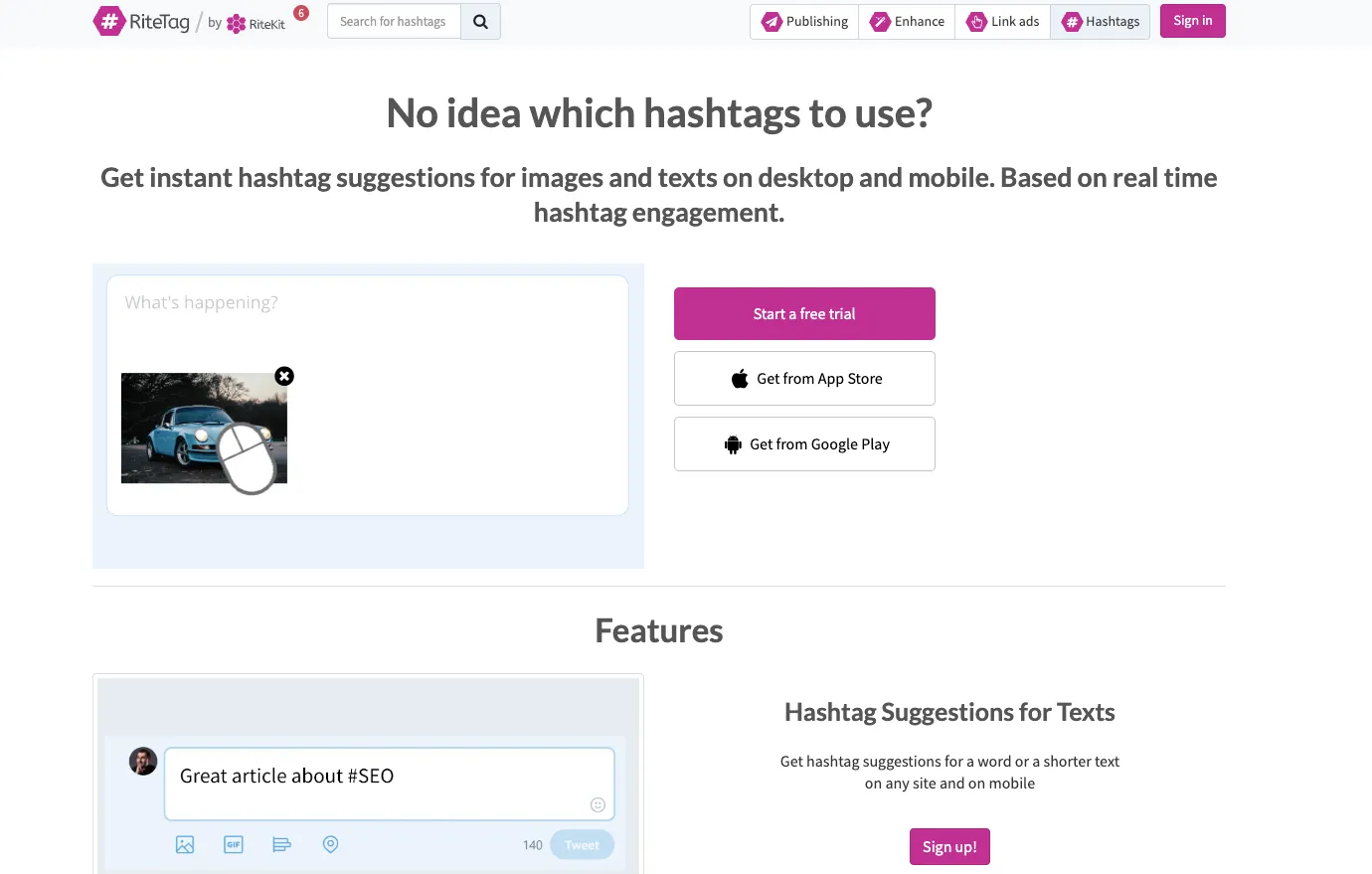
What it does: Provides instant, real-time hashtag suggestions for text and images based on engagement data.
Why it’s essential: Maximizes the reach and visibility of your content. Instead of guessing which hashtags work, RiteTag gives you data-driven recommendations to connect with a larger, more relevant audience.
Key Features:
Color-coded suggestions to indicate hashtag strength (trending, long-lifespan, etc.)
Generates hashtag ideas from both text and images
Integrates directly into many social media platforms
What it does: A minimalist image editor designed to create beautiful social media graphics in seconds.
Why it’s essential: Social media is visual, and Pablo allows you to create engaging quote graphics, promotional images, or announcements without needing complex design software. It addresses the common struggle with “quick designs” that many social media managers face.
Key Features:
Access to over 600,000 high-quality background images
Simple interface for adding text, logos, and filters
Templates pre-sized for Pinterest, Instagram, Facebook, and Twitter
Productivity & Workflow
5. LastPass
What it does: A secure password manager that saves and auto-fills login credentials for all your social media accounts and tools.
Why it’s essential: Social media managers handle dozens of logins across platforms, scheduling tools, analytics dashboards, and client accounts. LastPass eliminates the time wasted searching for passwords and the security risk of using simple, repeated ones. It solves the pain of managing credentials for multiple clients or platforms seamlessly.
Key Features:
One-click login to saved sites
Securely stores login details, credit card information, and contacts
Generates strong, unique passwords
6. News Feed Eradicator
What it does: Replaces your distracting social media feeds (LinkedIn, Facebook, Twitter, etc.) with an inspirational quote, helping you stay focused.
Why it’s essential: Social media is full of rabbit holes. This tool is for the manager who needs to post, engage with notifications, or manage DMs without getting sucked into the endless scroll. It lets you use social platforms as a tool, not a distraction.
Key Features:
Works on major social platforms including LinkedIn
What it does: A powerful URL shortener that also provides robust click-tracking and analytics.
Why it’s essential: As one social media manager on Reddit noted, “the depth of info you get on users through the analytics… make it a no-brainer for any social media team.” Bitly provides crucial performance tracking data on who is clicking your links and where they’re coming from, addressing the need for effective tracking tools.
Key Features:
Customizable, branded short links
Detailed analytics on link clicks, geographic location of clickers, and referrers
Create a link-in-bio page for Instagram and TikTok
8. SimilarWeb
What it does: Provides in-depth traffic and engagement statistics for any website, directly in your browser.
Why it’s essential: Perfect for competitive analysis and social listening. Instantly see a competitor’s website traffic sources (including which social platforms drive the most visits), key audience demographics, and engagement rates. This data is invaluable for refining your own strategy.
Key Features:
Website traffic rank (global, country, and category)
Data on engagement metrics like bounce rate, pages per visit, and monthly visits
Breakdown of traffic sources (Direct, Search, Social, etc.)
More LinkedIn Power-Ups
9. Breakcold
What it does: A social selling extension that aggregates your prospects’ LinkedIn posts into a single feed for faster engagement.
Why it’s essential: For managers focused on B2B, relationship-building is key. Breakcold streamlines the process of engaging with prospects’ content before you reach out, warming them up and making your outreach more effective. It complements a DM-focused strategy perfectly.
Key Features:
Create curated feeds of prospects, clients, or influencers
Engage with posts (like, comment) and send DMs from one central place
Helps build B2B relationships more efficiently
10. AuthoredUp
What it does: A LinkedIn post editor and previewer that helps you format posts perfectly before publishing.
Why it’s essential: LinkedIn’s algorithm favors well-formatted posts. AuthoredUp lets you see exactly how your post will look on mobile and desktop, including how text gets truncated by the “see more” button. This ensures your hook is always visible, maximizing user engagement.
Key Features:
Live preview for desktop and mobile feeds
Text formatting tools (bold, italics)
Save post drafts and create templates
Conclusion
Being an effective social media manager isn’t about having the most tools—it’s about having the right tools. The Chrome extensions on this list are designed to solve specific, time-consuming problems—from crafting perfect copy with Grammarly to mastering your LinkedIn inbox with Kondo.
By integrating these lightweight extensions into your browser, you can create a more streamlined, productive, and powerful social media workflow. You’ll spend less time fighting your tools and more time creating value and building relationships.
What are your must-have Chrome extensions for social media management? Did we miss any of your favorites? Share your top picks in the comments below!
Top 10 Chrome Extensions for Social Media Management was last modified: November 28th, 2025 by Raymond Yeh
You know that feeling you get when you meet someone and just know if they are your kind of person- or not? That same quick judgment happens every single day on social media. Only, it is not an outfit or a handshake that makes the impression- it is your profile photo, your bio, and your content, among others.
In today’s digital world, first impressions are very quick and highly important. They determine whether someone hits that follow button, scrolls past, or chooses to click away for good.
And unlike in-person encounters, where you may have time to redeem yourself in case of a shaky start, you have only a few seconds to impress people online.
So why do these judgments have such pull? And more importantly, how do you make them work in your favor?
Let’s explore the hidden power of first impressions on social media- and how you can use them to grow your online presence, your business, and your brand.
Why First Impressions are So Important Online
The human brain is wired for speed and has the ability to make quick assessments based on limited data. On social media, that data could come from your Instagram grid, a single tweet, or how your LinkedIn header looks.
And while we all want to believe we analyze deeply and do not judge books by their covers, this is usually not the case!
When someone lands on your profile, they tend to make decisions quickly regarding your trustworthiness, relevance, your content value, and whether you seem established.
These are not always conscious thoughts, but they are always happening. And if your social presence does not speak with clarity and confidence in those first few seconds, you are losing opportunities in terms of follows, clicks, and sales.
Your Digital First Impression Checklist
Your profile is like your pitch, and you need to ensure it stands out from the rest. Here is how you can make it work for you.
Your Profile Photo
Use high-quality images that go well with your brand or personality. If you are a creator, show your face; if you are a brand, your logo should be clear and centered.
Your Bio
Avoid the fluff and say who you are, what you do, and why it matters- all in under 150 characters if you are on Instagram. Use a tone that reflects you. Add emojis sparingly, and also a link to your landing page or homepage.
Your Feed
People will scroll through your first few posts to decide if you are worth following. Hence, it is important to ensure your top six to nine posts represent your best work. A mix of high-quality visuals, storytelling, and personality can help make a good impression.
Your Follower Count
Whether we like it or not, numbers talk. A high follower count adds social proof. It is an indication that others trust your content, and maybe the visitor should too. It is why many creators and small businesses turn to tools and services that facilitate credibility.
If you want to go down the same route, it is vital to opt for a credible service that offers real engagement support in a way that helps boost first impressions without compromising authenticity. You can use these platforms to boost your Instagram followers, or any other platform and metrics of your choice.
This tactic can help, as often your follower count is the first credibility badge that people check.
How to Appear More Established on Social Media
Even if you are just getting started, you can present yourself like a pro. The trick is to be consistent, clear, and approach social media with a strategy. Here is what you can do.
Consistent branding- Use the same colors, fonts, and tone across platforms. This helps build trust quickly.
Pinned content- Pin posts that show your best value. This can be a viral reel, a client testimonial, or a killer tip.
Story highlights- Use them to organize evergreen content like FAQs, reviews, behind-the-scenes, etc.
When everything feels consistent and your intentions, your profile sends a strong message that you know what you are doing and you are worth following.
Final Thoughts
First impressions do not have to be fake or curated to the point of being unrecognizable. They just need to be intentional. You get to decide how people experience you online, and you have more control over what people think of you.
First impressions are not shallow- they are shortcuts for growth. It is then up to you to use that shortcut strategically or risk being forgotten in the scroll.
So, take the time to audit and evaluate your profile. Look at them like a stranger would. Would you like to follow your account?
If not, now is the time to make it right. It does not have to be perfect, but with a few tweaks, you can certainly make it better.
The Hidden Power of First Impressions in Social Media was last modified: September 15th, 2025 by Natia Woebo
Being a creator today does not mean you have to stay confined to creating content only!
When you are uploading videos, designing digital art, producing music, or building a newsletter, you are not just creating anymore- you are operating. You are managing and scaling as well, and in other words, you are investing.
If you are a creator and have not yet adopted the mindset of an investor, this is your call to act now.
The Creator Economy is Maturing- And So Should You
In the early days of the creator economy, you could go viral with a clever clip. However, that model is not so sustainable now!
The market is more saturated, audiences have become more discerning, and platforms do not just reward random content. Rather, mindful and intentional content is prioritized. The most successful creators are not just posting. They are allocating time, efforts, and capital and strategizing like venture-backed founders.
Even if you consider yourself a content creator, you are doing multiple things in reality- production, marketing, community, to name a few! And now you may wonder why add investor to your job title.
Because investors play the long game! They do not chase every trend. They focus on finding leverage, deploying resources mindfully, and building in a way that helps them compound their returns.
This is exactly what modern creators need to do if they want to make their hustle a full-fledged enterprise.
The Evolution from Content To Capital
You may also have noticed the shift! More creators today are launching brands, raising capital, or even acquiring other creators’ channels and intellectual property.
What was once a passion project is now becoming a structured business where there are multiple income streams including brand deals, merchandise, memberships or subscriptions, licensing and even equity stakes where creators are launching their startups.
This change did not happen overnight! So what started it? There are two main contributors!
Audience leverage- The ability to monetize attention at scale!
Creator empowerment tools- Platforms, agencies, and marketplaces that help you monetize every piece of your digital real estate.
However, the most interesting shift in this regard is internal! Creators are no longer just building for algorithms. They are building assets.
Creators Investing in Themselves
Before investing in a startup, a software tool, or a crypto token, the first and most important investment any creator should consider is themselves.
This does not mean upgrading your camera or hiring an editor for better output. It means putting capital and focus into parts of your operation that will yield long-term value.
Think about how much of your time is being spent on high-leverage activities. Also, think about whether you are building a system that earns while you are sleeping or focusing on other aspects.
Smart creators today are funding audience growth, retargeting campaigns, or building systems that help them scale. Some are even working with firms that give up-front capital in exchange for a cut of future revenue. This model was once exclusive to SaaS and is now entering podcasting and YouTube.
This also includes investing in growth strategies that others may dismiss, like boosting visibility through third-party services. Whether it is boosting YouTube views or Spotify streams, sometimes that initial social proof facilitates a broader perception of credibility.
This is a subtle yet significant way to amplify early-stage traction.
Creators as Founders
The evolution of creators becoming founders is not only strategic- it is also cultural. You are not only a content creator anymore. You are also becoming a founder- an operator with leverage.
This is where mindset is highly important. Investors are not emotionally attached to outcomes. They test, measure, iterate, and focus on what works. So, creators who turn founders start evaluating their operational aspects in a different light.
This shifts how they approach content. You do not think about a single video or trend. Rather, you start building a library of evergreen content. Your TikTok becomes your top funnel, your YouTube channel becomes a catalog, and your newsletter becomes a source of revenue.
Why This Shift Matters Now
The creator-to-investor evolution is being driven by real market forces and is not just a phase.
Companies are acquiring creator-led brands while aggregators are buying up YouTube channels like digital real estate.
While algorithms change, communities persist. The more calculated you are in investing in that relationship, through exclusive content, Discord, or even tokenized access, the more defensible your business becomes.
You do not need permission. There are no gatekeepers or VC firm holding your fate. You can self-fund your operation, grow it organically, or through smart acceleration and own 100% of what you build.
As more conventional businesses plummet, creator-led ventures are thriving because they are quick, connected, and scalable. However, that is only true for those who treat it like a business, not a side hustle.
The New Normal- Creators as Capitalists
The best creators in 2025 are not just making content; they are building systems. They treat time like money, optimize workflows, hire, and reinvest. And most importantly, their thinking is not limited to the next post. They think about the bigger picture.
Today, you do not need a business degree to make smart investments in your creative set-up! You just need to think of your content as your product. Your audience is your asset, and the creator economy is your market.
The sooner you start thinking and acting like an investor, the quicker you will be able to achieve long-term, sustainable growth. This growth will not just be on platforms, but in your bank account as well.
Creators Are Becoming Investors. Why It Matters was last modified: September 15th, 2025 by Natia Woebo
The influencer marketing world is booming—and macro-influencers sit right at the heart of it. With audiences ranging from 100,000 to several million followers, macro-influencers offer brands massive reach, strong credibility, and a high level of content professionalism. But with this influence comes a question that nearly every marketer asks: How do you determine fair influencer collaboration pricing and payment guidelines for macro-influencers?
If you’re struggling to balance influencer expectations with marketing ROI, you’re not alone. In this article, we’ll break down the core factors that influence payment structures, explain platform-specific pricing averages, and offer best practices to build clear, fair, and effective influencer collaboration pricing and payment guidelines macro-influencers will respect—and your brand can sustain.
Why Fair Payment Guidelines Matter
Before jumping into the numbers, let’s talk about why establishing fair guidelines is crucial.
Builds Long-Term Relationships: Clear payment structures foster trust and increase the likelihood of repeat collaborations.
Supports ROI: Understanding what you’re paying for (and what you’re getting) helps justify campaign costs to stakeholders.
Avoids Overpayment: Without industry benchmarks, many brands overpay for inflated follower counts or underperforming content.
Setting clear and fair influencer collaboration pricing and payment guidelines helps eliminate guesswork and ensures value-driven partnerships.
1. Understand What Makes a Macro-Influencer Worth Their Price
Macro-influencers aren’t just about large numbers—they bring an established brand voice, creative direction, and niche authority. However, not all macro-influencers are created equal.
Let’s look at two examples:
Influencer A: 1.2 million followers, 0.8% engagement rate
If you’re measuring cost-per-engaged-follower, Influencer A may cost $1.87 while Influencer B is just $0.33. Despite having a smaller following, Influencer B may offer more ROI, conversions, and brand loyalty—proof that numbers alone don’t determine value.
So when evaluating cost, don’t just ask how many followers they have. Ask:
What’s their engagement rate?
Do they convert?
Are they aligned with my brand’s target audience?
What’s the quality of their past sponsored content?
These factors significantly influence what you should pay, beyond standard follower counts.
2. Platform-Specific Pricing Benchmarks
While pricing varies, here are current industry averages for macro-influencer collaborations across platforms:
Instagram
$900 – $1,800 per 100K followers (for posts + story combo)
$1,000 – $10,000 per post, depending on engagement and niche
TikTok
$1,200 – $2,500 per 100K followers
$1,500 – $5,000 per video, scaling up to $10,000 for top performers
YouTube
$2,500 – $5,000 per 100K subscribers
$3,000 – $15,000 per video, depending on video type (integrated vs. dedicated)
These are just guidelines. Actual pricing will depend on campaign goals, content deliverables, and the influencer’s negotiation power.
3. Define Content Deliverables Clearly
Pricing varies depending on the type of content the macro-influencer is producing:
Static Posts are generally less expensive than Reels or TikToks
Dedicated YouTube Videos are more costly than a short mention or integration
Multi-platform packages (e.g., post + story + short video) cost more but offer bundled value
Make sure to define:
Number of posts
Platforms
Content format
Usage rights (do you want to use the content in ads?)
Timeline and exclusivity
This clarity helps set realistic expectations and prevents miscommunication on both sides.
4. Factor in Engagement, Not Just Followers
Engagement is often a better predictor of performance than audience size. A macro-influencer with a 7% engagement rate may drive more traffic and sales than someone with a million followers and 0.5% interaction.
Use tools or platforms to calculate:
Cost per engaged follower
Estimated reach per post
Engagement-to-conversion ratios from past campaigns
Engagement-weighted pricing helps set influencer collaboration pricing and payment guidelines that macro-influencers can agree to while still aligning with your ROI goals.
5. Consider the Influencer’s Niche
Pricing varies heavily by industry. A macro-influencer in the beauty or fitness space may command higher fees due to high demand and product alignment. On the other hand, niches like B2B, education, or nonprofit may be less saturated but offer more targeted engagement.
Be ready to pay more if your product fits into a premium niche or if the influencer’s audience is highly aligned with your brand.
6. Offer Transparent Payment Terms
Once pricing is agreed upon, your guidelines should include:
Payment structure (50% upfront, 50% after delivery)
Payment methods (PayPal, bank transfer, etc.)
Invoicing instructions
Deadlines and penalties for delayed payments or missed deliverables
Transparent terms are professional and make your brand more appealing to high-quality influencers.
7. Account for Add-Ons and Long-Term Collaborations
Additional deliverables like behind-the-scenes content, whitelisted ads, or post-campaign performance reports may come at a cost.
Also, consider offering retainer contracts or long-term partnerships. Not only can you negotiate better rates over time, but influencers tend to be more committed to brands they partner with repeatedly.
8. Be Prepared to Negotiate
Remember, pricing is almost always negotiable. If an influencer quotes $7,000, don’t be afraid to counter, especially if:
Their engagement doesn’t match the rate
You are offering multi-month or multi-platform deals
You are providing added exposure (e.g., media amplification or co-branded content)
Smart negotiation, backed by data, can lead to significant savings without compromising value.
9. Track Performance to Inform Future Pricing
Your influencer collaboration pricing and payment guidelines should evolve with results. Post-campaign metrics like:
Click-through rates
Cost per acquisition
Sales lift
Follower growth
…will help you assess whether an influencer was worth their fee. Use this data to refine future budgets and collaborations.
Final Thoughts
Macro-influencer collaborations offer exceptional value—but only when pricing is set fairly, transparently, and backed by performance metrics. Taking time to understand the industry standards, the influencer’s niche, and your campaign goals will help you establish sustainable partnerships.
Suppose you’re looking for a smarter way to manage influencer pricing, negotiations, and campaign performance. In that case, IQFluence offers end-to-end influencer marketing solutions with real-time data, vetted creators, and streamlined payments.
Partner with IQFluence to ensure your influencer collaborations are not just creative—but commercially successful
How to Set Fair Payment Guidelines for Macro-Influencer Collaborations was last modified: November 24th, 2025 by Alyssa Bronwen
Getting real followers is not only about the numbers. It is about making a loyal group of people who like your content and help spread your message. Some fast ways may be out there. But if you use smart methods, you can get steady growth and see good results for a long time. Here’s how to get real followers the right way.
Optimize Your Profile to Make a Strong First Impression
A clear, interesting, and professional-looking page makes more people want to hit that follow button. So before someone follows you, they often look at your page.
Ashot Nanayan, the founder of Faceless, explains that most brands do not lose potential followers because their content is bad. They lose them because their profile does not make the value obvious fast enough. When someone lands on your page, they should instantly understand who you help, what kind of content to expect, and why following you is worth it.
Write a bio that shows what you do and who your work is for.
Add links to important pages like your website or lead magnets.
Use highlight covers to show off big or useful content.
Make sure your feed looks good and has a nice flow, so people want to keep scrolling.
A well-made profile not only builds trust but also makes it easier to buy more followers from USA who are genuinely interested in your content.
Be Consistent, Not Just Active
Stick to a regular schedule that works better than doing things randomly. When you show up all the time, your content stays in front of people who follow you. This can also help new followers find you.
Stick to a posting plan. You can post three times a week or every day.
Batch your content. This will help you keep things steady even when you get busy.
Use themes for your posts. Try things like Motivation Monday or Tip Tuesday.
Plan posts ahead of time with tools that schedule for you.
Repost your top content at different times. This can help more people see it.
Sticking with things helps you build speed. When you keep going, more people see what you do.
Collaborate to Expand Your Audience Organically
Working with other creators or brands gives you a way to reach new people who already trust this type of content; such a smart plan helps you meet new followers who are more ready to stay.
Make posts, videos, or live sessions with others.
Tag the people you work with in your posts to help more people see it.
Give shoutouts or swap them with accounts that are about the same size as yours.
Strategic collaborations can give both sides a chance to grow. When the two work together, they can get more good things; it helps them learn from each other and do better. This way, everyone can get better results and reach their goals faster.
Engage Genuinely With Your Audience and Niche
Growth is not just about sharing your own content. It is also about talking with others. When you reach out and take part in chats, you get seen by more people. This way, you may get more followers and build a bigger group around you.
Reply to every comment and message in a thoughtful way.
Comment on other account posts that are in your niche.
Use stories or captions to ask questions and get input from people.
Real talks help turn your followers into true fans; these fans like to tell others about you.
Building a real follower base is not about luck or using bots. It comes from making good content that people actually enjoy and showing up often. When you focus on this, you can buy more followers from USA to add to your organic growth and create steady progress that lasts over time. Smart growth gives you more than just higher numbers—it helps you build a loyal community, and that is where the real value lies.
How to Get More Real Followers on Social Media the Smart Way was last modified: May 25th, 2026 by Jeni Woods
In today’s world, where people are bombarded with ads everywhere they look, getting someone to truly trust a brand is harder than ever. Glossy commercials, influencers, and even celebrities can feel staged or salesy. That’s where User-Generated Content (UGC) videos come in — they’re raw, real, and incredibly effective. There are two ways to use UGC. One is by letting it do its own thing across social media channels, and another is by maximizing its impact by gathering it and using it in your posts, landing pages, and email campaigns.
To get the most out of UGC, you want to be gathering it and using it yourself. You can do this in several ways: You can jump-start your UGC strategy right now by finding legitimate content creators who are willing to get to know your product and make UGC today. Check out Fiverr’s UGC and UGC Video services categories to find some of the best creators out there. Many of them have already taken the steps to become a UGC creator professionally, so they know exactly what makes content convert. Find the right creator, and you can make a real alliance to get your UGC strategy going fast.
Let’s talk about why UGC videos have become a game-changer for brands of all sizes, and how
1. What Is UGC Video?
UGC, or User-Generated Content, refers to any form of content—text, images, videos, reviews—created by unpaid contributors (typically customers or fans) rather than the brand itself. UGC video specifically includes:
Product review videos
Unboxing experiences
Testimonial
Tutorials and how-tos
TikTok/Reels content showing real-life product use
Before-and-after transformations
These videos are created by real users and shared on platforms like YouTube, Instagram, TikTok, and even directly on brand websites.
2. The Trust Factor: People Trust People, Not Brands
A. Authenticity Beats Advertising
Consumers are overwhelmed with traditional ads. 47% of internet users globally use ad blockers (Statista, 2023), indicating a significant distrust in brand-created content. On the flip side, UGC feels real and unfiltered. A polished commercial may be visually stunning, but it lacks the raw honesty that a shaky phone-recorded review offers. The imperfections of UGC are exactly what make it believable and trustworthy.
Inigo Rivero, Managing Director of House Of Marketers, explains, people trust raw, real experiences from fellow users more than polished marketing pitches, making UGC a powerful tool for building trust and boosting conversions. User-generated content (UGC) often outperforms professional ads because it feels more genuine and relatable. In a skincare brand campaign, a landing page with unedited customer videos achieved a 12.7% conversion rate over 30 days—nearly triple that of the professionally produced page, which had just 4.3%. This led to an additional $4,240 in revenue from the same traffic. The key difference was not the message but the format.
B. Social Proof at Its Best
Humans are wired to follow the crowd — it’s a psychological principle called social proof. When people see others using, enjoying, and recommending a product, they’re more likely to trust the brand. UGC video offers dynamic social proof that builds trust more effectively than static reviews or star ratings. According to Nielsen, 92% of consumers trust recommendations from other people over branded content, even if they don’t personally know the individual in the video.
Luca Dal Zotto, co-founder of Rent a Mac, shared that simply adding a customer video via QR code on a flyer boosted sign-ups by 24% compared to linking to a brand video. He emphasizes that UGC should be used throughout the sales process—not just on social media, but also in emails, landing pages, and product pages. The key is keeping it simple, honest, and unpolished to maintain its authenticity. User-generated video content feels genuine and trustworthy because it showcases real people sharing real experiences. Unlike polished ads, UGC isn’t rehearsed or overly edited, which makes it more relatable and believable.
3. UGC Videos Influence Purchasing Decisions
A. Consumers Want to See the Product in Action
Before spending money, customers want reassurance. They want to know:
What does the product look like in real life?
How does it function?
Does it meet expectations?
UGC videos answer all these questions organically, showing the product from a user’s perspective. A professionally shot ad might show a model using a fitness product in a studio. A UGC video shows a regular person using it in their living room, sweating, adjusting, and reacting — making it relatable and real.
Dmitriy Shelepin, Founder & Head of SEO at Miromind, explains, UGC resonates emotionally with viewers by showing real customers using products in relatable ways. Smart brands place this content at high-impact points in the sales funnel—like email campaigns, product pages, and retargeting ads—to turn interest into conversions. By keeping the process simple and encouraging genuine stories, UGC helps brands increase trust, boost engagement, and drive long-term growth. User-generated video content (UGC) stands out for its authenticity and real-life feel, which builds trust more effectively than polished brand videos.
B. Higher Engagement Rates
UGC videos often receive more engagement than branded content, especially on platforms like TikTok and Instagram Reels. That’s because users trust their peers and are more likely to comment, share, and tag others on relatable content. For example, UGC ads on TikTok have been shown to generate up to 6x higher engagement than traditional brand-created videos (TikTok for Business, 2023).
A campaign he managed for a DTC brand saw a 25%+ boost in conversions after replacing professionally produced ads with UGC. The raw, unpolished visuals captured by customers made the brand feel more human and relatable. He emphasizes that smart brands use UGC throughout the entire sales funnel—unboxing videos to spark interest, authentic reviews to build trust, and everyday usage clips to encourage retention. His key advice: make it easy for customers to share their stories and highlight their unique voices.
4. UGC Video Builds Community, Not Just Customers
A. Two-Way Relationship
When a brand uses UGC, it sends a powerful message: “We see you, we appreciate you, and we’re listening.” This deepens the emotional connection between the brand and its community. Brands like GoPro and Glossier have built massive communities using user content. Instead of dictating the narrative, they let customers shape the brand story.
Robert Grunnah, Owner at Austin House Buyer, explains that UGC simplifies how people understand products—especially tools or platforms that seem complex at first. Seeing a real person use a product in action lowers the learning curve and builds clarity. UGC also acts as a powerful feedback tool, offering brands insights into what truly matters to their users. For companies just starting, he suggests focusing on key friction points in the customer journey and collecting simple, sincere content that highlights one feature or success. Diverse, authentic videos help audiences relate and build trust across different regions and cultures.
B. Turning Customers Into Advocates
When someone posts a UGC video and sees it shared or reposted by a brand, they feel valued — and more likely to continue engaging. This transforms regular customers into brand advocates, who promote without being paid.
5. UGC Video is Cost-Effective and Scalable
A. Saves Budget on Production
Hiring a film crew, renting a studio, and producing an ad can cost tens of thousands of dollars. In contrast, UGC videos are often created for free or at minimal cost, while delivering more ROI. Even paid UGC collaborations with micro-creators tend to be far less expensive than influencer marketing or traditional advertising — yet often yield higher conversion rates.
Hayley Gillman, CEO of BOTI, shares that User-Generated Content (UGC) consistently outperforms traditional ads because people trust real people over brands. In A/B tests using testimonial videos from actual recruiters versus polished brand explainers, the UGC drove 42% higher click-through rates and 29% more demo bookings. She explains that the unfiltered, specific nature of UGC builds deeper trust, especially when used throughout the sales funnel—from social proof ads to landing pages. Her advice for brands starting: keep it simple, ask users to share short, honest clips, and focus on believability over perfection.
B. Infinite Creative Possibilities
With UGC, your brand doesn’t need to stick to a single message or look. You can have dozens or hundreds of variations of your product being showcased in different contexts, to different demographics, in different styles — all generated organically. This creates content diversity that appeals to multiple buyer personas, geographies, and psychographics.
6. Boosts SEO and Increases Web Conversions
A. Time on Site & Bounce Rates
Webpages that feature UGC videos tend to have:
Higher time-on-site
Lower bounce rates
Better conversion rates
That’s because visitors trust the content more and engage with it longer. According to Yotpo, adding UGC to product pages can increase conversions by up to 91%.
B. Better SEO Performance
Search engines favor fresh, relevant, and authentic content. UGC videos often include natural keywords, are highly shareable, and can generate backlinks — all contributing to stronger search engine rankings.
7. Ad Fatigue is Real — UGC Cuts Through the Noise
Consumers are bombarded with hundreds of ads daily. This leads to ad fatigue, where traditional campaigns become background noise. UGC video, however, feels disruptive in a good way — not because it’s louder, but because it’s different. When you’re scrolling Instagram and see a genuine, excited customer talking about how a product changed their life, you pause. You listen. That’s the power of authenticity.
Carter Crowley, Owner of CB Home Solutions, believes UGC videos drive more trust and sales because authenticity always wins. Unlike traditional ads, which feel scripted and overused, UGC features real people sharing real experiences—making it far more relatable and believable. His top advice for brands starting is to simplify the process: meet customers on the platforms they already use, and encourage participation with easy incentives like giveaways or discounts. Making it effortless and rewarding helps turn customers into genuine brand advocates.
8. UGC Videos Thrive on All Platforms
From TikTok and Instagram to YouTube Shorts and even Amazon product listings, UGC videos perform exceptionally well across every major platform.
A. TikTok & Reels: The Epicenter of UGC
Short-form UGC videos are now the heartbeat of TikTok, where raw, honest, and often humorous content goes viral every day. Consumers often search TikTok before Google to find honest product reviews or demos.
B. YouTube: The Home of Long-Form UGC
YouTube is the second-largest search engine, and review-based videos, hauls, and tutorials dominate its content. A 5-minute unboxing from a real user can do more than a \$50,000 ad campaign.
9. UGC Enhances Paid Advertising Performance
Interestingly, UGC videos not only perform well organically — they also boost paid ad performance. Meta and TikTok have both confirmed that ads using real customer videos tend to:
Convert better
Cost less per click (CPC)
Achieve higher ROAS (Return on Ad Spend)
That’s because these ads don’t look like ads — they blend into the platform’s native content, increasing viewer trust and reducing friction.
10. Real Results: Brands Winning With UGC
A. Gymshark
Gymshark’s explosive growth is largely due to UGC. Instead of paying celebrities, they partnered with fitness enthusiasts who shared their progress and workouts using Gymshark gear. The result? A loyal, global community and millions in revenue.
B. Airbnb
Airbnb’s content is nearly all user-generated. Guests post photos, videos, and experiences that Airbnb reposts — making the platform feel peer-driven and trustworthy. That’s why users trust Airbnb more than traditional hotel chains.
C. Glossier
Beauty brand Glossier famously said, “Every woman is an influencer,” and built their empire by turning customer selfies and makeup tutorials into their primary marketing channel.
D. Insurancy
It is a forward-thinking company that embraces authenticity as a core marketing strategy. In a space where traditional insurance advertising often falls flat, Insurancy stands out by leveraging User-Generated Content (UGC) to build trust and relatability with its audience. By placing real customer experiences at the center of its messaging, the brand has seen measurable increases in both engagement and conversions — proving the power of unfiltered, human-centered content in a highly competitive industry.
André Disselkamp, Co-Founder & CEO of Insurancy, highlights that UGC drives more trust and sales because it features real customers sharing genuine experiences, creating authenticity that polished ads lack. UGC has boosted engagement rates by 28% and increased conversions by 79% in their campaigns. By integrating UGC strategically across the customer journey — through retargeting ads, email newsletters, and social media demos — brands can reinforce a consistent, relatable narrative. The unfiltered, spontaneous nature of UGC resonates more deeply with today’s ad-skeptical consumers. His advice to new brands: run contests or offer incentives to gather customer stories, then showcase those stories across platforms to inspire others to join in.
Frequently Asked Questions (FAQs)
1. What types of videos count as UGC?
UGC videos include customer reviews, unboxing clips, tutorial videos, before-and-after transformations, and casual TikTok or Instagram Reels showing real-life product use. The key is that the content is created by actual users, not the brand.
2. How is UGC different from influencer marketing?
While influencers are often paid to create content, UGC is typically organic and unpaid (though some brands do incentivize it). UGC feels more authentic because it lacks the polished, promotional tone of influencer or brand-generated content.
3. Does UGC improve sales performance?
Yes. Studies show UGC can increase conversion rates by up to 79%, improve engagement, and reduce ad costs. Consumers trust peer content more than branded ads, making them more likely to buy
4. How do I encourage customers to create UGC?
Start simple. Ask for honest feedback, run contests, offer small incentives like discounts, and most importantly — make the process easy. Use hashtags, social mentions, and highlight customer content on your website and socials to motivate others.
5. What platforms are best for sharing UGC videos?
UGC works well across all platforms: TikTok and Instagram Reels for short-form, YouTube for in-depth reviews and tutorials, and even Amazon listings or your brand’s website for conversion-driving content.
6. Can UGC help small businesses?
Absolutely. UGC is cost-effective, scalable, and trust-building, making it ideal for small brands with limited budgets. Even a single customer video can become your best-performing ad.
Conclusion:
In a world where polished advertisements are increasingly ignored, User-Generated Content (UGC) video has emerged as a powerful force in marketing. What makes UGC so effective isn’t just the visual content—it’s the emotional connection, the lived experience, and the trust it builds. Consumers today are savvy; they don’t want to be sold to — they want to see real people using products in real ways. UGC offers transparency, relatability, and social proof that polished brand content struggles to replicate. It turns customers into storytellers, and storytelling — when done authentically — sells.
More than just a tactic, UGC is a mindset shift. It requires brands to relinquish control over the narrative and instead empower their customers to speak. This builds communities, not just conversions. It enhances every stage of the marketing funnel — from awareness and engagement to decision-making and loyalty. Whether you’re a startup or a global brand, the value of UGC video lies in its simplicity and believability. The future of trust-based marketing is here, and it’s already being created — one authentic video at a time.
The New Face of Sales: How UGC Videos Drive Trust and Conversion was last modified: April 11th, 2026 by Addison Burke
When it comes to social media marketing, engagement is currency. A high follower count, steady likes, and consistent views are often seen as indicators of credibility, influence, and popularity. For individuals, influencers, and brands alike, standing out on Instagram can be incredibly challenging, especially when starting from scratch. That’s where buying engagement comes into play.
Buying engagement refers to the process of paying for followers, likes, views, or comments to enhance your profile’s appearance and improve its chances of being discovered. While it’s not a substitute for creating great content or interacting with your audience, it can provide the initial momentum needed to attract organic engagement and build trust more quickly.
If you’re looking to boost your Instagram presence, Smikky, the best place to purchase engagement, offers a straightforward and secure way to gain real followers quickly. Below are the most frequently asked questions to help you understand how Smikky can assist in growing your Instagram account.
Does Buying Followers Work?
Yes. Buying followers from Smikky can provide an immediate increase in your follower count, which can enhance your profile’s credibility and visibility. This can make your account more appealing to organic users and potential partners, encouraging further natural growth.
How Can I Buy Followers?
Purchasing followers from Smikky is a quick and simple process:
Visit smikky.com
Choose the follower package that suits your needs
Enter your Instagram username (no password required)
Complete your payment using a secure method
Your new followers will start appearing shortly
Is It Safe to Buy Followers?
Yes, it is safe. Smikky does not require your Instagram password and uses secure methods to deliver real followers. The service operates within Instagram’s guidelines and provides engagement from real, active accounts, ensuring your profile remains secure and credible.
How Much Does It Cost?
Smikky offers a range of packages to cater to all budgets. Prices increase depending on the number of followers you purchase. Their pricing structure is affordable, making it accessible for both individuals and businesses.
How Quickly Will My Followers Appear?
Followers usually begin appearing within minutes of completing your purchase. In some cases, it may take up to 48 hours. If there is a delay, Smikky’s customer support team is available to help resolve any issues promptly.
Will My Followers Look Organic?
Yes. The followers provided by Smikky come from real accounts and are designed to appear authentic. For best results, it’s advisable to pair purchased followers with regular, engaging content and natural growth strategies.
How Can Buying Followers Help My Instagram Growth?
Increasing your follower count can make your account appear more popular and trustworthy. This can attract more genuine users, increase your visibility on the platform, and potentially lead to more likes, shares, and comments over time. It also improves the first impression you make on visitors.
Can I Buy Other Engagement Services?
Yes. In addition to followers, Smikky offers services for purchasing likes and views. These options allow you to build a full engagement profile that supports the authenticity and impact of your account.
Is My Payment Information Secure?
All transactions on Smikky are processed securely. The platform uses trusted payment gateways and does not store sensitive personal or financial information. Your data remains protected throughout the transaction.
What If I Need Assistance?
Smikky provides dedicated customer support. If you have any issues with your order or questions about the services, you can contact their support team directly through the site. They are known for being responsive and helpful.
Can Businesses Use Smikky’s Services?
Yes. Smikky’s services are suitable for both personal and business accounts. For brands and entrepreneurs, a higher follower count can boost trust, enhance online presence, and increase opportunities for sales, collaborations, or media features.
How Can I Continue Growing After Buying Followers?
Buying followers should be part of a broader Instagram strategy. To sustain and build growth, continue posting high-quality content, engage with your audience regularly, use targeted hashtags, and interact with other users in your niche. Combining these practices with services like Smikky can maximise your success on the platform.
Ready to Boost Your Instagram?
Smikky offers a reliable and user-friendly service for anyone looking to grow their Instagram presence. Whether you’re starting from scratch or looking to take your brand to the next level, Smikky’s follower packages and engagement services can help you reach your goals faster.
Buying Instagram Followers from Smikky: Your Ultimate FAQ Guide was last modified: June 24th, 2025 by Waseem Akram
TikTok has rapidly become one of the most powerful platforms for creators and brands looking to connect with audiences through short-form video. As the platform grows, so does the pressure to show social proof—usually in the form of a large follower count. But is follower growth really the best metric to chase?
Many creators are discovering that engagement, not just the number of followers, is the true indicator of success. In this article, we’ll explore the differences between tracking TikTok engagement versus follower growth, and which one truly matters more for long-term growth.
How Engagement Impacts TikTok’s Algorithm
TikTok’s algorithm is designed to prioritize content that keeps users on the platform longer. Videos with higher average watch time, replays, shares, and comments signal value to the system. This is why engagement has a more direct influence on how widely your content is distributed.
Even if you’re still building your follower base, high-performing content can go viral because TikTok evaluates each video individually—not just the size of the creator’s audience. That means every post is a new opportunity to reach thousands (or millions) of users, provided the engagement is strong. To maximize the viral potential of your strong content, you can easily choose to buy follower TikTok and immediately boost your authority.
Should You Focus on One Over the Other?
In a perfect world, you’d grow both your followers and engagement rate at the same time. But if you’re just starting out or trying to prioritize your efforts, focus on creating high-engagement content first. Strong engagement increases your chances of getting discovered, which in turn attracts genuine, interested followers.
By prioritizing engagement, you lay the foundation for organic follower growth. Once you’ve established a pattern of consistent interaction, follower numbers will often rise naturally, and your account will carry more influence in the long term.
Why Follower Growth Matters—But Only to a Point
A growing follower count can open doors. It suggests influence, helps build credibility, and can attract brand deals. On TikTok, hitting follower milestones can even unlock platform features, such as the Creator Fund or live streaming.
Some creators even buy some active TikTok followers early on to give their profiles a credibility boost. While this can help with initial impressions, it’s only useful if paired with quality content and real engagement.
Follower growth can help you gain visibility—but without engagement, it’s often a hollow metric. You want people who actually care about your content, not just a number on your profile.
The Real MVP: Engagement
Engagement is the sum of how your audience interacts with your content. On TikTok, that includes:
Likes
Comments
Shares
Watch time
Saves
Duets and stitches
Profile visits
These are signals to the TikTok algorithm that your content is resonating with users. The more engagement your videos generate, the more likely they are to be shown on the For You Page, reaching a wider audience—even if you don’t have many followers.
Why Engagement Reigns Supreme:
Organic Reach: TikTok’s algorithm is behavior-driven. High engagement often means better reach, regardless of follower count.
Content Validation: Engagement tells you what type of content works. You’ll gain insight into what your audience wants more of.
Monetization & Brand Deals: Brands are increasingly choosing creators with smaller but more engaged audiences over accounts with big numbers but little activity.
Metrics That Really Matter
Let’s break it down with a quick comparison:
MetricAccount AAccount B Followers 50,000 8,000 Average Views 800 4,200 Comments per Post 10 60 Watch Time 10 seconds 38 seconds Share Rate Low High
Account A looks bigger on paper, but Account B clearly has a more engaged and loyal audience. From TikTok’s perspective (and that of potential sponsors), Account B holds more value.
How to Track TikTok Engagement
To accurately measure engagement on your TikTok account:
Switch to a Pro account (Creator or Business).
Go to Settings > Creator Tools > Analytics.
Monitor these key metrics:
Total views and follower growth
Individual post performance
Audience demographics and activity
Watch time and average duration
For deeper analysis, tools like Exolyt, Social Blade, and Analisa.io offer enhanced reporting, historical trends, and engagement rate calculations.
Balancing Growth and Engagement
Here’s the good news: strong engagement often leads to organic follower growth. Focus on creating content that connects, and the followers will come.
Pro Tips to Boost Both:
Start Strong: Capture attention in the first 2 seconds of your video.
Post Consistently: Aim for 3–5 times per week to stay in front of your audience.
Use Smart Hashtags: Combine trending and niche-specific hashtags.
Engage with Your Community: Respond to comments, ask questions, and duet with your fans.
Optimize Your Profile: Use a professional bio, clear profile photo, and a memorable username.
By nurturing a community rather than chasing numbers, you build a base of loyal viewers who interact with and amplify your content.
Final Thoughts
While follower growth can be a helpful sign of popularity, it’s engagement that truly determines your reach and relevance on TikTok. A highly engaged community leads to algorithmic success, brand partnerships, and long-term growth.
Tracking TikTok Engagement vs. Follower Growth: What’s More Important? was last modified: March 12th, 2026 by Muhammed Supaa