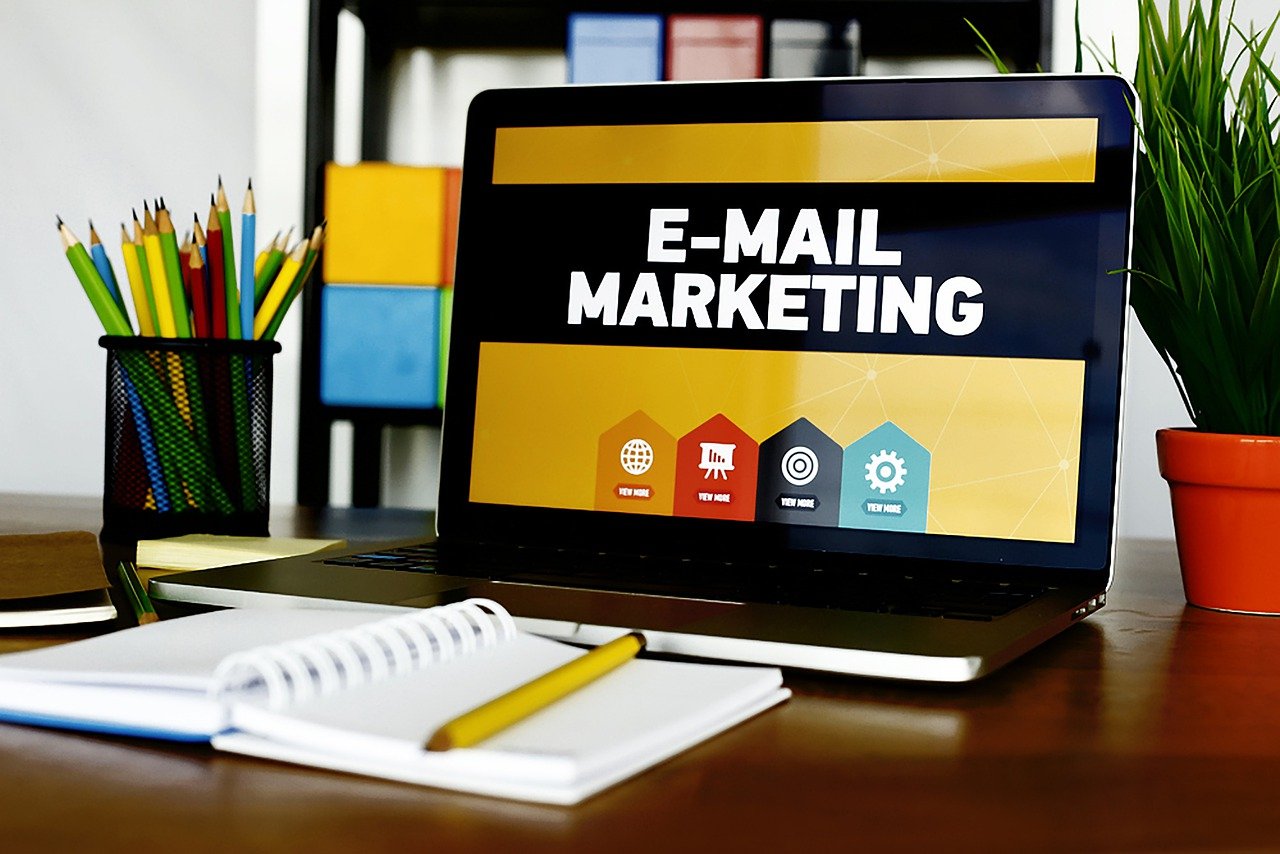
Discover the Top 10 Essential Skills Taught in Digital Marketing Courses

In the digital world, succeeding in business requires more than just understanding the fundamentals of digital marketing. Online marketing classes are now important for individuals and professionals who wish to grasp and succeed in this constantly evolving field.

Digital marketing is no longer just about crafting great content and targeting the right keywords. Without understanding the technical aspects of SEO, you’re essentially navigating with half the map missing. A reputable digital marketing company can help bridge this gap by providing the expertise needed to optimize both the content and the technical components of your website, ensuring your brand reaches its full potential online.

This article discusses the top skills taught in digital marketing courses, thoroughly analyzing their significance and powerful impact on navigating the digital world.

Search Engine Optimization

SEO is very important in digital marketing. It means improving online content to make it more visible on search engines. People taking digital marketing classes learn about various aspects of SEO in depth, including the significance of digital marketing terminology.

This includes looking into more advanced keyword search methods, utilizing intricate on-page optimization techniques, and handling in-depth backlink strategies. The goal is to improve website rankings and attract organic traffic using a strategic, data-driven approach.

Social Media Management

Social media sites are powerful tools for marketing and require a thoughtful strategy. Digital marketing classes provide a detailed look at the challenges of managing social media.

Attendees will learn strategies for different platforms, improve techniques to engage with their audience, and understand how to analyze data. Knowing social media platforms well can help marketers use them effectively to achieve significant results beyond typical engagement measures.

Data Analysis and Interpretation

In digital marketing, it’s important to analyze and understand data. Digital marketing courses assist professionals in enhancing their skills, moving beyond basic data collection to in-depth analysis and interpretation.

Grasping data, such as Google Analytics and social media insights, is a valuable strategic asset. This data assists marketers in making informed decisions, enhancing campaigns quickly, and demonstrating the return on their investments.

Email Marketing Expertise

Using email marketing is a dependable method to reach out to possible customers and establish connections through various communication channels. People taking digital marketing classes study email marketing strategies thoroughly.

This covers more complex subjects such as in-depth list-building techniques, advanced segmentation strategies, and crafting email campaigns that are both captivating and targeted. Having various skills to boost engagement and sales through effective communication beyond simple outreach is important.

Pay-Per-Click (PPC) Advertising

Digital marketing courses go beyond the fundamentals and provide a detailed Pay-Per-Click (PPC) advertising analysis. This includes thoroughly reviewing platforms like Google Ads and social media advertising. Marketers concentrate on developing particular ad campaigns to connect with their desired audience.

They are good at making budgets by carefully studying and understanding results to boost earnings. This in-depth understanding of PPC advertising assists marketers in enhancing campaigns for improved outcomes and efficiency.

Mobile Marketing Strategies

As mobile device usage increases, it’s crucial to grasp the concept of mobile marketing. Discover digital marketing courses that focus on advanced strategies for mobile platforms. It involves examining responsive design principles, specific mobile advertising strategies, and optimizing mobile apps.

This helps marketers effectively connect with users on different devices, adjusting smoothly to the preferences of today’s mobile-focused audience.

Conversion Rate Optimization

Attracting visitors to a website is just the start; converting them into customers needs a good grasp of Conversion Rate Optimisation (CRO). People taking digital marketing courses learn advanced methods to enhance landing pages, calls-to-action, and user experience.

This goes beyond basic concepts to a more advanced level that boosts conversion rates and drives substantial business growth by improving the customer experience.

Understanding Customer Behavior

Understanding your audience is essential in digital marketing beyond just using tools and strategies. Classes focus on understanding how consumers behave, emphasizing creating detailed personas and outlining customers’ paths.

Understanding this information is essential for marketers to develop effective campaigns that connect with their audience personally and emotionally, building long-term brand loyalty.

Marketing Automation

Utilizing marketing automation is convenient and a vital strategy for enhancing the efficiency and organization of marketing efforts. More advanced digital marketing courses cover in-depth strategies for using and managing complex marketing automation tools.

Marketers discover how to make complex automated workflows to save time and enhance efficiency in their marketing campaigns. It’s more than just automating tasks; it’s about using automation strategically for personalized and targeted marketing.

Innovative Technologies

Digital marketing is experiencing a significant transformation by integrating new advanced technologies. Classes teach people the importance of artificial intelligence (AI) and chatbots in automating tasks, personalizing user experiences, and changing customer interactions. This advanced knowledge assists marketers in staying ahead of technological trends, ensuring they not only adapt but also lead in innovation.

Legal and Ethical Considerations

Digital marketing courses include strategies, tools, and legal and ethical aspects. This thoroughly examines privacy regulations and laws regarding data protection and promotes ethical marketing practices.

Marketers need to understand these factors well to navigate the changing landscape responsibly, earn trust, and maintain ethical standards at a time when ethical practices are important.

Conclusion

Enhancing and perfecting skills in digital marketing is an ongoing endeavor, not a one-time job. Digital marketing courses provide more than just fundamental information, presenting a structured approach to mastering advanced skills.

Professionals with this expertise are well-prepared and ready to lead and achieve important outcomes in the constantly changing, competitive, and complex digital world. Being part of the journey means keeping current and shaping the future of digital marketing.

Actionable Tips to Improve Your Content Marketing Strategies

In today’s digital age, there’s a vast sea of online consumers, all just a click away. However, with so many people online, how do you ensure your brand stands out amidst the crowd? That’s where your content marketing strategy comes into play. It helps you engage with your target audience, increase brand awareness, and boost conversion rates. 

Content marketing involves creating, sharing, and managing online content to connect with your audience meaningfully. At the same time, it is also essential to check website backlinks to see who’s linking to your content and how you can further engage with them. The goal is to meet your audience where they are and provide them with valuable information. Hence, ensuring that your content is high-quality and your strategy is well-defined is essential. These simple yet effective tips will help you improve your content marketing strategy to achieve your goals. 

Know Your Audience

To create compelling content for SEO and marketing, you need to know who you are creating it for. Understanding your target audience’s locations, interests, pain points, and preferences is essential to provide problem-solving information. 

  • Conduct thorough research, analyze data, and engage with your audience directly through surveys, social media, and feedback channels.  
  • Develop detailed buyer personas to personify your ideal customers. This will guide your content creation process and ensure your message resonates with your audience on a deeper level. 
  • Gather data about your audience’s demographics, behavior, and activities to create tailored content to meet their needs and interests. 

Craft Quality Content

Now that you know your audience, you are ready to create content that grabs attention and adds value to their lives. However, you need to understand that your content needs to be relevant and informative to stand out from the crowd. 

  • Focus on creating valuable and relevant content that solves your audience’s problems or addresses their questions. 
  • Provide actionable insights, practical tips, and in-depth analysis that add real value to their lives. 
  • Make sure your content is informative, entertaining, and easy to consume. It could be a blog post, videos, podcasts, or infographics.
  • Identify your content’s core message and rewrite it as a conversation starter. Inject humor, anecdotes, and questions to encourage interaction. 
  • Dedicate time for thorough research, meticulous editing, and fact-checking. Seek feedback from industry experts before publishing.

Optimize Your Content for SEO

You could have the most brilliant content ever created, but what’s the point if nobody can find it? That’s why optimizing your content for search engines is essential. SEO plays a crucial role in getting your content discovered online. 

  • Conduct keyword research to identify relevant keywords and phrases your audience is searching for. 
  • Optimize your content by incorporating these keywords naturally into your titles, headings, and body copy. But don’t sacrifice readability by overloading your content with keywords. 
  • Incorporate internal and external links, optimize image alt texts, and ensure your content is mobile-friendly for a better user experience.
  • Use SEO plugins to analyze and optimize your content for search engines. Pay attention to on-page SEO elements such as headings, meta titles, and meta descriptions. 

Develop a Consistent Content Calendar

Consistency is essential in content marketing. A content calendar is your roadmap to guide your journey to success. Developing a content calendar can help you stay organized, maintain a steady flow of content, and keep your audience engaged over time. 

  • Start by outlining your content goals and objectives. What do you want to achieve with your marketing efforts? Are you looking to increase brand awareness, generate leads, or drive more sales? Once you have clarity on your goals, you can tailor your content calendar to support them. 
  • Map out your publishing schedule, themes, and topics for each piece of content. It will help you stay on track. 
  • Use project management tools like Asana or Trello to manage your content calendar effectively. 
  • Set deadlines, assign tasks, and collaborate with your team to ensure smooth execution. 

Use Content Variety

Don’t let your content fall into the monotonous loop. Make your content diversified, as it can serve different purposes and different audience segments. It also helps you reach a broader range of audiences and keep them engaged across multiple channels. 

  • Experiment with diverse formats like blog posts, infographics, video tutorials, and interactive quizzes. 
  • Cater to different learning styles and keep things fresh. Variety is the spice of the content marketing world. 
  • Brainstorm five new content formats you haven’t explored. 
  • Research successful examples within your niche and adapt them to your brand voice. 
  • Start small, track results, and see what resonates most with your audience. 

Closing Thoughts

Content marketing is a marathon, not a sprint. Don’t get discouraged if you don’t see immediate results. Focus on creating consistent, high-quality content, building genuine relationships with your audience, and refining your strategy based on data-driven insights. Building a thriving content marketing presence takes time. Moreover, you create a platform for long-term growth and connection with each step in your content marketing journey. 

5 Key Benefits of Investing In Expert-Level SEO Services

Search engine optimization (SEO) is arguably the most popular form of digital marketing. Statistics by Enterprise Apps Today indicate that up to 69% of companies in 2023 actively invest in some form of SEO campaigns.

A great place to kick-start your search engine optimization campaigns is by engaging a company that provides expert-level SEO services. Listed below are the top five reasons why.

Search engine optimization is so popular because many other digital marketing techniques depend on it. That might explain the steady surge in the number of SEO agencies.

However, not every SEO company is worth its salt. In-depth research is paramount when scouting for these service providers.

1. An Expert Knows Their Stuff

Digital marketing may appear simple at first glance.

To many people, relevant content is all it takes to wage a successful digital marketing campaign. However, the reality is quite different.

A lot is involved in pushing your website higher up on search engine result pages (SERPs). Besides high-quality content, other aspects to keep in mind include intelligent keyword distribution, link integration, and mobile optimization. 

Only an expert SEO service provider would understand what it takes to boost your website’s internet rankings. The company would first familiarize itself with your brand and digital marketing needs before prescribing the most effective techniques.

Since SEO marketing is such an intricate procedure, it makes sense to pick an agency that enjoys considerably high rankings. That’s the first indication that they know their stuff.

Avoid companies with deplorably low SERP rankings. Engaging such providers is akin to seeking medication from a healthcare provider suffering from the same medical condition as you.

2. An Expert Saves You Time

The process of getting a website or e-commerce store up and running is daunting enough. But that’s only half the work. The even more challenging part is improving the platform’s visibility across major search engines.

Unfortunately, not many entrepreneurs will have the time, let alone the technical know-how, to actively manage SEO dynamics.

It’s irrefutably true that no SEO company can guarantee instant results. In fact, beware of those that do.

However, a professional SEO service provider can save you a great deal of time by taking charge of all your SEO marketing needs. The agency will know when to scale up its SEO efforts depending on your company’s performance. They’ll also help care for commonly overlooked aspects that may hamper your digital marketing goals, such as updating old content to make it timeless and universal.

You can then invest the time saved by having your SEO campaigns undertaken by a specialist to improve other aspects of your business.

3. An Expert Focuses On Your Business

One of the tips for choosing an SEO agency is to insist on those with proof of happy clients. Sometimes, the references provided by such companies may be their current customers.

However, the number of active clients an SEO agency is currently catering to doesn’t matter. You’d still need them to pay particular attention to your company’s digital marketing needs.

The problem is that run-of-the-mill SEO agencies may not provide bespoke services as they probably have more clients than they can handle. Besides, such companies are almost always driven by profit.

And that’s where an expert SEO specialist comes in.

Most companies providing expert-level SEO services don’t prescribe one-size-fits-all solutions to their customers. Instead, they offer dedicated services regardless of their clientele size.

4. An Expert Provides Measurable Results

It’s one thing to boost your website’s SEO performance but an entirely different thing to track the results.

Since you already don’t have the time to achieve either, your best bet is to engage an expert-level SEO agency. A professional SEO service provider will be able to monitor all aspects of your company’s digital performance.

The specialist will instantly know if your keywords are no longer delivering the intended impressions. Thanks to their expertise, they’ll also be able to correct broken links or outdated content.

Most importantly, expert-level SEO companies will track relevant metrics and report on areas of excellence as well as those that need improvements.

This hands-on approach to digital marketing can be invaluable in terms of helping you get ahead of the competition.

5. Working with an Expert Is Cost-effective

The cost of hiring SEO services can range from a few bucks to thousands of dollars. It all depends on your digital marketing needs and the SEO specialist you engage.

Note that cost should be the last consideration when scouting for high-end SEO services. Unsurprisingly, most companies that charge rock-bottom rates also tend to provide low-end services.

That’s another valid reason to work with a professional.

Expert SEO service providers may be considerably costly. But their efforts can be ultimately rewarding.

The best way to strike a balance between quality and affordability is to round up several expert SEO agencies based on client recommendations. You can then compare quotes to settle with a company that matches your budget.

Summary

The craze for digital marketing has triggered a corresponding rise in search engine optimization companies. However, not every SEO firm you come across delivers on its promises.

Whether you’re a startup or an established brand, it pays to engage an expert for all your SEO marketing needs.

Exploring the Boundaries: The Pros and Cons of Geofencing

In this era, businesses are always on the lookout for methods to engage customers and enhance their marketing strategies. One such technology that’s gaining traction is geofencing. By utilizing geofencing, businesses can target consumers based on their location, sending personalized messages and offers directly to their smartphones. However, like any marketing strategy, geofencing has its advantages and disadvantages that businesses must carefully consider before implementation. In this article, we will delve into the benefits and drawbacks of geofencing to assist you in making an informed decision.

The Advantages of Geofencing

1. Enhanced Personalization

Geofence advertising allows businesses to deliver targeted messages and promotions tailored to a customer’s location. This level of personalization creates interactions with the audience and increases the likelihood of converting leads into loyal customers. By sending offers at opportune moments, businesses can significantly enhance customer satisfaction and loyalty.

2. Increased Engagement

Through geofencing, companies can boost customer engagement by providing notifications, exclusive offers, or personalized recommendations when a customer enters a designated area or approaches a store location. Not only does this enhance the customer experience, but it also encourages immediate action.

3. Improved Customer Analysis

Geofencing provides businesses with insights into customer behavior within areas. By analyzing data obtained from user interactions with targeted campaigns based on location, companies can understand the effectiveness of advertising techniques in specific regions and make necessary adjustments to their strategies.

4. Competitive Edge

Incorporating geofencing into your marketing approach gives your business an advantage by leveraging location-based marketing opportunities that your competitors might not be capitalizing on yet. The ability to catch a customer’s attention at the moment—when they are physically near your business or another relevant location—can significantly impact their purchasing decisions.

5. Real-time Analytics and Measurement

Geofencing enables businesses to access real-time analytics, allowing them to monitor the performance of their location-based campaigns instantly. This instant feedback loop empowers companies to assess the effectiveness of their geofencing strategies, identify successful tactics, and make prompt adjustments if needed. 

The Drawbacks of Geofencing

1. Privacy Concerns

One major concern associated with geofencing is the intrusion into user privacy. Many individuals feel uneasy about businesses monitoring their movements and delivering targeted offers based on their whereabouts. To address this, it is crucial for companies to be transparent about their data collection practices and provide options for users to opt-out or adjust their privacy settings.

2. Technological Limitations

While geofencing has proven its effectiveness as a marketing tool, it does have limitations.

There are factors that can impact the accuracy and reliability of geofencing campaigns, such as GPS accuracy or weak signal strength. In situations where indoor spaces or crowded areas are involved, it can be difficult to determine a user’s location, which in turn affects how targeting works.

3. Resource Requirements

Another aspect to consider is the amount of resources required to set up and maintain a geofencing campaign. This involves investing in the technology infrastructure and skilled personnel who can analyze data and develop targeted strategies. For businesses with inadequate resources, this may present a financial challenge.

4. Message Fatigue

It’s important to be mindful of message fatigue when implementing geofencing notifications. If done without thoughtfulness, bombarding customers with repetitive notifications can lead to fatigue. This means overwhelming them with offers or alerts without considering their preferences, which could result in annoyance or even opting out altogether.

In conclusion, geofencing offers advantages for businesses aiming to enhance customer engagement and increase conversions through marketing efforts. The ability to target customers based on their locations opens up opportunities for creating memorable experiences that drive sales growth and foster customer loyalty.

However, it’s crucial for businesses to strike a balance between the benefits of geofencing and potential drawbacks, like privacy concerns, technological limitations, resource requirements, and message fatigue. By considering these aspects and implementing strategies, businesses can utilize the potential of geofencing while also respecting their customer’s limits.

To summarize, geofencing offers a chance to engage with consumers during moments in specific locations. It is the responsibility of each company to navigate these boundaries prudently and make the most of geofencing’s benefits while addressing any hurdles.

How To Use No Code Website Builder and Landing Pages Creator To Save Time and Money

As the demand for user-friendly and accessible website building tools continues to grow, the emergence of no code website builders has revolutionized the way individuals and businesses design and create their online presence. These innovative platforms offer a simplified, drag-and-drop approach to website creation, eliminating the need for coding expertise. Among the top contenders in this field are Brizy Pro and GemPages, two powerful tools that allow users to build stunning websites and captivating landing pages without any coding knowledge.

Brizy Pro – A No Code Website Builder

Brizy Pro is an intuitive website building tool that empowers users to create professional and visually appealing websites effortlessly. With a wide range of pre-designed templates and blocks to choose from, Brizy Pro offers a customizable and user-friendly interface. Its drag-and-drop functionality allows users to easily add, remove, or rearrange elements on their website’s pages. Additionally, Brizy Pro’s impressive collection of ready-to-use design elements, such as buttons, forms, and interactive features, ensures that users can make their websites engaging and interactive without writing a single line of code.

You should buy pro membership on a discount price, simply enter 30% off  Brizy discount code at checkout page.

Key Features of Brizy Pro:

  1. Drag-and-Drop Editor: Brizy Pro simplifies the website building process by providing an intuitive and user-friendly drag-and-drop editor. This enables users to effortlessly arrange and customize elements on their web pages.
  2. Pre-designed Templates and Blocks: Brizy Pro offers a wide range of professionally designed templates and blocks that provide a solid foundation for creating stunning websites. These templates can be easily customized to suit individual preferences and business needs.
  3. Interactive and Engaging Elements: Brizy Pro includes a variety of interactive elements, such as forms, buttons, and sliders, which enhance user experience and allow website visitors to interact with the site effortlessly.
  4. Mobile Responsiveness: With Brizy Pro, users can ensure their websites are optimized for all devices. The platform automatically adjusts the layout and design of the website to ensure seamless navigation on smartphones, tablets, and desktop computers.

GemPages – A Powerful Landing Page Creator

GemPages is a no code landing page creator specifically designed to simplify the process of building high-conversion landing pages. With its intuitive interface and vast array of customizable templates, GemPages offers users the ability to create highly effective landing pages without any coding knowledge. If there is a budget issue, then you should think about Black Friday sale as during that time you can enjoy the maximum GemPages discount code from Couponstroller and other sites.

Key Features of GemPages:

  1. Customizable Templates: GemPages offers an extensive library of pre-designed landing page templates that can be customized to match the branding and goals of any business. Users can easily modify sections, elements, and styles to create a unique and impactful landing page.
  2. Drag-and-Drop Editor: Similar to Brizy Pro, GemPages utilizes a drag-and-drop editor that makes it incredibly easy for users to add, remove, or rearrange elements on their landing pages. This allows for greater flexibility and customization.
  3. Conversion Optimization: GemPages provides built-in tools and features designed to maximize conversions on landing pages. These include countdown timers, lead capture forms, testimonials, and social proof elements, helping businesses drive more leads and sales effortlessly.

Conclusion On Selecting Drag and Drop Website Builder

The rise of no code website builders and landing page creators like Brizy Pro and GemPages has revolutionized the way individuals and businesses approach website design and creation. By eliminating the need for coding knowledge, these platforms empower users to create stunning and highly functional websites and landing pages in a fraction of the time it traditionally takes. Whether you are an entrepreneur, small business owner, or marketing professional, Brizy Pro and GemPages offer powerful solutions that allow you to take control of your online presence and capture your audience’s attention without ever touching a line of code.

Free Web Design Software Tools to Make a Professional Business Website

Maintaining a top-ranking business website is important to maintaining your potential shoppers. The modern-day commercial enterprise area has over one billion websites. It makes the web opposition space fiercer. The most important essence is the final applicable, sparkling, and informative to separate your enterprise from the chaff.

The virtual arena is booming with customizable and free tools to make you stand out. Is your interface intuitive? Does it feature exquisite imagery? Is the navigation clear? Is the typography expert? Does it contain attractive content material?

One way to get a top ranking website is to use a WordPress development agency. These experts know the ins-and-outs of development and performance, and this will boost your brand recognition quickly without much effort on your part.

These are a few questions your visitors search for while touring your enterprise. Moreover, research suggests that an attractive homepage will likely engage and connect with your target market. High patron retention translates to extra sales.

The improvement area is incredibly active, with new design tools cropping up. Let’s observe a few virtual layout tools to increase the enchantment and professionalism of your website. If you find your academic responsibilities piling up, consider asking someone to do my assignments for me to help manage your time effectively.

What Does a Pro-Level Business Website Contain?

Finding the proper criteria for a professional commercial enterprise website requires deep studies into the web development section—a unmarried click via a viewer, including payforessay.net, creates an enduring influence of how they feel approximately your enterprise.

Maintaining professionalism increases your purchaser engagement numbers, whether or not it’s a weblog, discussion board, portfolio, e-trade, carrier website, or information. Here are the functions of a properly-designed commercial enterprise internet site:

1. A Crisp and Intuitive Design

Your page should feature a crisp and prepared layout easing your target market’s reading enjoy through applicable records. Try ample white space that breaks down the monotony and stops muddling.

Create a high visual hierarchy that appeals to the essential elements such as buttons, headings, and fonts.

The layout should hold consistency at some point on the internet pages for an easy flow of content and imagery. The layout should preserve equal spacing, coloring, and font.

2. Professional Imagery

Imagery catches the attention of your target audience. Moreover, it enhances any relevant content posted to your website. Therefore, it has to incorporate wonderful pics applicable to your audience.

For instance, if your startup’s website is ready for e-trade, it ought to have exceptional pictures of your merchandise. The pix have to be sensible and show off the actual lifestyles that customers need to count on after ordering.

Moreover, optimize your images so your website loads faster for your audience. It gets frustrating when pix take too long to load to your visitors.

3. Mobile Responsiveness

It must be pretty responsive and optimized for special display screen sizes. A responsive web design must robotically adjust to unique screen sizes and devices.

Apart from a responsive website, it needs to have a quick pace of much less than 2 seconds to load. A longer loading time for your internet site only hurts your conversion costs—maximum serps like Google rank fast-ranking websites better.

4. Fresh, Quality, and Engaging Content

Engaging content makes viewers engaged to your internet site. Therefore, use high-quality, sparkling content material applicable to your target market. Remember that your visitors have a quick interest span. Ensure that it is stored fresh, applicable, and updated regularly.

In addition, incredible content material draws the proper target audience on your internet site and maintains them greater engaged. Users who deem your content valuable are much more likely to share it, translating to sales.

Top Tools for Entrepreneurs to Incorporate

It’s comprehensible for a startup to battle with monetary woes. But it doesn’t imply compromising at the satisfactory of the website design. Here are expert loose internet layout software for entrepreneurs to replace their enterprise internet site:

1. CSM Hub

This is a 2-in-1 website builder and content material management device. The platform requires no professional programming expertise and presents precious internet site launch tools.

The platform is all-inclusive, with a wide variety of merchandise, such as sales, service, CRM, and advertising and marketing software.

It capabilities an automatic advertising and marketing gadget streamlining repetitive obligations: e mail campaigns, social media marketing, and personalization. This offers facts-pushed insights that empower entrepreneurs to generate sales.

2. WordPress

It is an open-source system that eases the method for startups to create an expert internet site. It features hundreds of loose plugins equipped for installation to extend your site’s capability.

Entrepreneurs can utilize these plugins to customize their websites without any coding skills. It is a free-to-use platform with central functionalities, including a weblog layout, internet site structure, and content control.

Beginners can use the platform’s block editor to create complex layouts without history coding know-how. Moreover, users can easily adopt exclusive topics to govern the site’s outlook.

3. Sketch

Sketch is a usable interface layout tool for net designing. It is a rather functional tool with photograph software solely used for designing interacting interfaces. Hence, your customers can easily preview the general design on their cell devices, drugs, or laptops.

The most effective downside of the software is Mac-handiest use. However, the device generates real comments on its interface and user experience. It permits organizations to make new trends and updates at the interface to match new expectations.

Beginners can start their Sketch adventure with the UI template. This comes preloaded at the MAC platform with responsible net templates to build on.

4. Adobe XD

Adobe XD is a beneficial device to kickstart your design task whilst growing remarkable and useful net pages. Users can, without problems, streamline their techniques and workflow at the same time as creating mockups and prototypes for your business internet site mission.

Also try Adobe Express online image editor, which is another free Adobe tool.

Some top features of the software include your commercial enterprise’ format and arrangement of content material on the website. It features an in-constructed grid device for developing the right layouts.

Moreover, it carries a quite responsive design to expand a properly functioning website online that works on all devices. It optimizes your website for cell, tablet, or laptop use.

Elevate Your Business Today!

A professional website reassures your supposed target market they’re within the right region. Therefore, don’t compromise on designing the right outlook in your organization. Try incorporating these gear to personalize your website’s look and make it attractive. You don’t want any coding abilities not to utilize this design software. It is a learning curve that gets higher whenever.

How Digital Marketing Can Propel Your Business Forward

Embracing digital marketing has become not just a choice but a necessity for those seeking sustainable growth and increased market share. In an era where consumers are more connected than ever, traditional methods alone fall short of harnessing the full potential of reaching and engaging with target audiences. Digital marketing offers a transformative approach, leveraging online channels and data-driven strategies to propel businesses forward.

A key advantage lies in their ability to optimize your website for search engines, ensuring it is not only visually appealing but also ranking well in relevant searches. In this article, we will explore how the integration of digital marketing can serve as a dynamic catalyst for your business, driving brand awareness, customer acquisition, and overall success.

Unleashing the Power of Social Media Marketing

Social media has emerged as a formidable force in the digital marketing realm, providing businesses with unparalleled opportunities for brand exposure and customer interaction. Platforms such as Facebook, Instagram, Twitter, and LinkedIn have become indispensable tools for connecting with a diverse audience. Leveraging the power of social media marketing allows businesses to create engaging content, build a community around their brand, and establish a unique voice in the digital sphere. Through targeted advertising, businesses can reach specific demographics, ensuring that their message resonates with the right audience. The real-time nature of social media also facilitates immediate feedback, enabling businesses to adapt and refine their strategies in response to consumer preferences. In essence, a well-crafted social media presence not only enhances brand visibility but also fosters meaningful relationships with customers, driving loyalty and advocacy.

Engage your Customers with an Effective Web Page Design

A good web design can really help a business’s marketing efforts. First, it makes the website look professional. This is important because it is often the first thing a customer sees. A professional look builds trust. Customers are more likely to buy from a website that looks good. Second, a well-designed website is easy to use. Customers can find what they need quickly. This can lead to more sales.

Also, a good web design can help a business stand out. In a crowded market, having a unique and attractive website can make a difference. It can grab the attention of potential customers. Plus, if the design is good, people might share the website with others. This can bring even more customers to the business. In short, investing in a good web design is a smart move for any business. It can improve how customers see the business, increase sales, and help the business grow.

Search Engine Optimization (SEO) as a Game-Changer

In the vast expanse of the internet, standing out amidst the competition is a daunting task. This is where Search Engine Optimization (SEO) emerges as a pivotal element in digital marketing. SEO is the art and science of optimizing a website to rank higher on search engine results pages, making it more visible to potential customers. By strategically incorporating relevant keywords, improving website structure, and creating high-quality content, businesses can enhance their online visibility and attract organic traffic.

Appearing on the first page of search results significantly increases the likelihood of customer engagement and conversion. Moreover, the continuous refinement of SEO strategies ensures that a business stays ahead of evolving search engine algorithms. As search engines remain the primary gateway for users seeking information, products, or services, investing in SEO becomes an investment in sustained online prominence and, consequently, business success.

Reach out to Customers using Direct Email

However, to get the most out of your email marketing strategies, you must know the best practices to elevate your emails. Many brands like yours are trying to win customers with email marketing. To be good at email marketing, you must contact your customers quickly before others do. If you are not fast, you might lose business when a customer finds another brand first.

An email marketing tool helps to make sending emails better. If you cold email people, you need to look for and buy good cold email software. A cold email tool helps with everything like sending emails, making them personal, making lists of potential customers, checking how well your emails work, and other things.

Consistency is vital in ecommerce email marketing. Maintain a uniform tone, branding, and messaging across all your email communications. Also, you need an email marketing tool to send more emails as your business gets bigger. A good tool for email marketing will get better as your company grows. Alongside email campaigns, investing in Amazon PPC services for your brand ensures that your products reach the right shoppers, helping you scale faster with optimized ads and data-driven strategies.

A Personalized Approach to Customer Engagement

In the era of information overload, email marketing stands out as a highly effective and personalized way to engage with customers. This digital marketing strategy allows businesses to nurture relationships with their audience, delivering targeted messages directly to their inbox. Through segmentation and personalization, businesses can tailor their emails to specific customer segments, ensuring that the content resonates with recipients on a personal level. Email marketing is not only a powerful tool for customer retention but also an effective means of driving sales through promotions, product announcements, and exclusive offers. Furthermore, with the integration of automation, businesses can streamline their email marketing campaigns, delivering timely and relevant content without constant manual intervention. As businesses seek to establish meaningful connections with their customers in the digital landscape, email marketing remains a cornerstone of effective communication, providing a direct line to the audience’s attention.

In addition to crafting compelling email campaigns, utilizing an email verification tool ensures that your messages reach the intended recipients’ inboxes, enhancing deliverability and maximizing the effectiveness of your marketing efforts.

Enhancing Expertise for Optimal Results

Embarking on the digital marketing journey can be overwhelming, especially for businesses navigating uncharted waters. Collaborating with a reputable digital marketing agency can provide a strategic advantage in navigating the complexities of online promotion. These agencies bring a wealth of expertise in areas such as SEO, social media management, and data analytics. By entrusting your digital marketing efforts to professionals, you can benefit from their in-depth knowledge and stay abreast of industry trends. A key advantage lies in their ability to optimize your website for search engines, ensuring it is not only visually appealing but also ranking well in relevant searches. The collaboration facilitates a holistic approach to digital marketing, where each element seamlessly integrates with others to create a comprehensive strategy. Working hand in hand with a digital marketing agency, businesses can harness the power of these diverse strategies to propel their brand forward, maximizing their online presence and impact.

Crafting Compelling Narratives for Engagement

Content marketing stands as the backbone of digital strategies, providing a platform for businesses to tell their story and connect with their audience on a deeper level. By creating valuable, relevant, and consistent content, businesses not only position themselves as industry authorities but also cater to the information needs of their audience. This could include blog posts, articles, videos, or infographics that resonate with the target market. Quality content not only engages the audience but also contributes to SEO efforts, improving the website’s visibility in search engine rankings. As part of an overarching digital marketing strategy, content marketing reinforces brand messaging, cultivates trust, and fuels the customer’s journey from awareness to conversion. In highly competitive markets, effective PPC strategies can spark rapid growth when executed with precision and insight. Partnering with specialists like Fortress PPC advertising can offer the data-driven approach needed to move your business forward.

Pay-Per-Click (PPC) Advertising

Businesses seeking immediate visibility and results often turn to Pay-Per-Click (PPC) advertising. This model allows advertisers to bid on keywords and pay only when users click on their ads. PPC offers unparalleled precision targeting, enabling businesses to tailor their advertisements to specific demographics, locations, and even device types. The immediate impact of PPC can complement organic strategies, providing a rapid influx of targeted traffic. Moreover, the data generated from PPC campaigns can inform other aspects of the digital marketing strategy, refining approaches based on real-time performance metrics. The synergy between PPC advertising and other digital marketing efforts creates a robust and agile approach, amplifying a brand’s online presence and maximizing conversion opportunities.

In the dynamic realm of digital marketing, success lies in the harmonious integration of various strategies, each playing a unique role in advancing a business’s objectives. From social media engagement and search engine optimization to email marketing, collaboration with digital marketing agencies, content creation, and pay-per-click advertising, a comprehensive approach ensures that businesses not only stay relevant but also thrive in the highly competitive digital landscape. As technology continues to evolve, staying ahead requires adaptability and a willingness to explore innovative avenues. By embracing the multifaceted nature of digital marketing, businesses can propel themselves forward, engaging audiences, and achieving sustainable growth in the digital era.

Adapting to Change: How Demand Integration Reshapes the Advertising Landscape

Digital technologies and consumer behaviors are changing fast, and so is the advertising industry. According to a study conducted by BCG and Google, data-driven marketing has the potential to significantly enhance business performance, resulting in an increase of up to 50% in online transactions and a 33% increase in return on ad expenditure.

This is a clear indication of the potent impact of the demand-side integration solution. As audiences access online content through various devices and channels, advertisers and publishers have new ways to connect and interact with them.

Discover hero — the ultimate solution for demand integration. This innovative tool allows you to manage multiple traffic sources from one platform, saving you time and hassle. You can also automate, optimize, and track your performance with advanced analytics. Demand integration is not a luxury, it’s a necessity. Hero makes it affordable, easy, and secure. Find out how it can boost your business below.

How Demand-Side Integration Solutions Revolutionize Advertising

Demand-side integration solutions emerge as transformative catalysts in the advertising arena. Picture it as unlocking myriad doors to potential customers across diverse channels and devices, exponentially expanding reach. Guided by data-driven strategies and real-time optimization, it transcends merely hitting the target — it’s about consistently hitting the bullseye. Furthermore, it adeptly slashes support costs, eliminating the need for multiple integrations while effortlessly overcoming technical hurdles.

Implementing demand-side integration solutions within advertising signifies a strategic paradigm shift. It revolves around harmonizing customer needs and brand capabilities, crafting a seamless experience across channels, platforms, and touchpoints. The focus is on delivering tailored, personalized messages that resonate with customers’ goals and values.

Several noteworthy examples illustrate the impact of demand-side integration options in advertising:

1. Behavior-Driven Ad Customization

Utilizing data and analytics to segment customers based on behavior, interests, and needs. Subsequently, ads are tailored for each segment, featuring customized content, offers, and compelling calls to action.

2. Amplifying Brand Messages through Social Engagement

Leveraging social media, influencers, and user-generated content to amplify brand messages. This not only engages customers on an emotional level but also encourages them to share their feedback and experiences, creating a community around the brand.

3. Interactive and Immersive Ad Experiences

Creating immersive ads that transport customers into virtual or augmented reality environments. Additionally, incorporating gamified challenges or quizzes enhances customer learning and enjoyment, forging a unique and memorable interaction.

4. Cross-Platform Integration for Enhanced Context

Seamlessly integrating ads with various digital platforms and devices, such as smart speakers, wearables, or connected cars. This integration provides contextual information, recommendations, or assistance based on customer location, activity, or mood.

The profound impact of demand-side integration methods lies in reshaping advertising into a customer-centric, relevant, and engaging landscape. These solutions facilitate the construction of trust, loyalty, and advocacy among customers, driving increased conversions, retention, and lifetime value. Beyond that, demand-side integration empowers brands to stand out from competitors, adapt to evolving customer expectations, and navigate shifts in market trends.

Benefits of Demand Side Integrations

One of the methods by which advertisers can establish communication with publishers and reach their intended audiences is through demand-side integrations, a form of programmatic advertising that employs white-label advertising platforms, such as SmartHub, to facilitate the acquisition and disposition of ad space. The point is about software solutions that can be customized and branded by advertisers to suit their specific needs. Some advantages of using white-label advertising platforms for demand-side integrations are:

  1. They give advertisers more power and visibility over their ad campaigns and traffic sources.
  2. They help advertisers reduce costs and save time by eliminating the need to develop and maintain their own technology infrastructure.
  3. They allow advertisers to offer a complete set of services to their clients, such as display, video, native, and mobile advertising.
  4. They enable advertisers to access a large network of publishers and inventory across various channels and formats.
  5. They provide advertisers with sophisticated features and tools for targeting, optimization, analytics, and reporting.

Imagine a tool that acts as your advertising Swiss Army knife — this is demand side integration options. It seamlessly blends with different ad formats like video, banners, native, and push advertising. And the perks? Access to premium traffic sources, laser-focused targeting options based on location, device, and audience specifics, plus crystal-clear reporting and analytics. It’s the efficiency booster for managing multiple campaigns effortlessly.

Choosing a Reliable White-Label Advertising Platform

Now, imagine having a canvas where you wield complete control over your advertising realm. Enter the white-label advertising platform. It’s not just another platform; it’s your personalized billboard. Tailored branding, full resource control, and integration with third-party tools to boost functionality — all in one place. But how to choose? Consider experience, industry reputation, service quality, security compliance, and flexible pricing.

Within the realm of white-label platforms, those seamlessly incorporating these integrations — e.g. SmartHub — stand out. Their ability to harness the power of header-bidding, Prebid.js, OpenRTB, and JS tags ensures a cohesive, transparent, and automated advertising experience, promising control, customization, and robust functionality for advertisers seeking a competitive edge. Some demand integration solutions that SmartHub provides are:

Header-bidding:

  1. Allows multiple demand partners to bid simultaneously, fostering a fair auction.
  2. Boosts publisher earnings by selling to the highest bidder, enhancing user experience.
  3. Enables faster ad loading and improved aesthetics. Learn more about it on Pablift

Real-time bidding:

  1. Facilitates instant, automated ad buying and selling in an open marketplace.
  2. Targets audiences based on location, device, behavior, and context, saving time and money.
  3. Ensures optimal ad-user matching at the right moment.

Pre-bid.js:

  1. A code streamlining header-bidding integration with diverse demand partners.
  2. Facilitates customizable bid options, simplifying implementation on any ad server or platform.

OpenRTB:

  1. Governs communication between demand-side and supply-side platforms.
  2. Enhances real-time bidding with standardized language and data exchange for improved performance. Detailed information available on the IAB Tech Lab OpenRTB Standards page.

By using these demand integration solutions, white-label advertising platforms can help ad exchanges adapt to the changing advertising landscape and maximize their ad revenue potential. They can also help ad exchanges provide better value and service to their clients, both advertisers and publishers, by offering them more control, flexibility, and transparency over their ad campaigns.

Conclusion

To sum up, demand integration is more than a trendy term; it is a powerful tool that transforms advertising standards. It makes campaigns more efficient, secure, and flexible, combining different traffic sources into a unified force. Choosing demand-side integrations solvent allows access to high-quality traffic, accurate targeting, and streamlined analytics. For those who want full control and integration, the white-label advertising platforms like SmartHub offer a complete solution to cope with the changing advertising environment. The ball is in your court!

Mastering SEO Content Optimization: Unleash Your Website’s Full Potential

In the ever-evolving landscape of digital marketing, the art of SEO content optimization has become a defining factor in the success of online businesses. It’s not just about attracting visitors; it’s about creating valuable content that search engines love. This article serves as your comprehensive guide to SEO content optimization, offering advanced tips and techniques to propel your website’s visibility, drive organic traffic, and establish a robust online presence.

This is just like keeping up with fashion; some things go out of style after a while. Therefore, embracing new SEO technologies, search engine optimization services will help one to stay ahead of others in terms of search engine rankings. Moreover, sharing knowledge through networking and interactions with peers can give insights from other perspectives, thereby improving one’s understanding of SEO.

Demystifying SEO Content Optimization

Let’s start by demystifying the concept. SEO, or Search Engine Optimization, is a multi-faceted process aimed at enhancing your website’s visibility in search engine results. It involves various strategies, including keyword research, on-page optimization, and technical considerations, all working together to improve your website’s ranking.

The Art of Keyword Research

The foundation of SEO content optimization lies in keyword research. It’s about selecting the right keywords and phrases that resonate with your target audience. Tools like Google’s Keyword Planner, SEMrush, and Ahrefs can help you discover high-potential keywords for your content.

Effective keyword research should yield a curated list of relevant keywords and phrases that seamlessly fit into your content. Balancing search volume and competition is key to effectively reaching your intended audience.

On-Page Optimization: Crafting Exceptional Content

Irresistible Headlines: Your headlines are the first impression. Craft compelling headlines that intrigue readers while incorporating your target keyword.

  1. Meta Descriptions That Entice: Meta descriptions should summarize your content and entice users to click through. Don’t forget to include your focus keyword for that extra SEO boost.
  1. Structured Content for Readability and SEO: Use headings (H1, H2, H3, etc.) to structure your content. This not only enhances readability but also helps search engines understand your content’s organization.
  1. The Power of Internal and External Links: Internal links connect your content to other relevant pieces on your website, making navigation easy for users and search engines. External links to authoritative sources enhance your content’s credibility.
  1. Optimizing Visual Assets: Ensure your images are appropriately named and include alt text with relevant keywords. Image optimization also includes compressing images to improve page loading speed.
  1. Mobile Optimization: Given the surge in mobile users, it’s crucial to ensure that your content is mobile-friendly and displays well on a variety of screen sizes.

Quality and Relevance of Content

Content quality and relevance are fundamental to SEO content optimization. Crafting high-quality, informative, and engaging content is not only essential for SEO but also for retaining and satisfying your audience. Search engines favor content that provides value and addresses users’ queries. Moreover, uniqueness and originality are critical aspects of content quality.

Understanding user intent is equally crucial. Your content should align with what users are searching for, addressing their questions or problems effectively. This may involve creating comprehensive, long-form content that thoroughly covers a topic or offering concise, short-form content that provides quick answers.

The Technical Aspects

Technical considerations play a significant role in your website’s SEO rankings. Here are some key factors to consider:

  1. Site Speed and Performance: A slow-loading website can harm the user experience and SEO. Enhance your website’s performance by reducing page load times.
  1. Mobile-Friendliness and Responsive Design: With Google’s mobile-first indexing, ensuring your website is mobile-friendly is essential for SEO.
  1. Logical URL Structure: Utilize descriptive and logical URLs that aid users and search engines in navigating your site.
  1. HTTPS and Site Security: Secure your website with an SSL certificate (HTTPS) to ensure a safer browsing experience and positively influence your Google rankings.
  1. XML Sitemaps and Schema Markup: Creating XML sitemaps helps search engines crawl your site more efficiently. Schema markup provides additional context to search engines.

Monitoring and Measuring Success

Evaluating the success of your SEO content optimization efforts is paramount. Tools like Google Analytics and Google Search Console offer invaluable insights into user interactions with your content, the keywords driving traffic, and areas for improvement.

By analyzing this data and making data-driven decisions, you can continually refine your content and SEO strategy to achieve superior results. Keep a watchful eye on key performance indicators (KPIs) such as organic traffic, click-through rates (CTR), and keyword rankings.

Promotion and Building Backlinks

Content promotion is a vital part of expanding the reach of your optimized content. Implement these strategies:

  1. Promote Your Optimized Content: Share your content on social media platforms, via email newsletters, and through various marketing channels to broaden its reach.
  1. Build High-Quality Backlinks: Quality backlinks from authoritative websites can significantly enhance your content’s credibility and search engine ranking. Focus on obtaining quality backlinks through outreach and content marketing efforts.
  1. Guest Posting and Outreach: Collaborate with other websites and blogs within your niche through guest posting. Reach out to websites that might be interested in featuring your content or linking to it.

User Experience and Website Design

User experience (UX) and website design have a direct impact on SEO. A user-friendly website with easy navigation and well-structured content enhances the user experience. Additionally, mobile responsiveness and accessibility are critical factors that contribute to improved SEO rankings.

The Role of Social Media

Leveraging social media platforms is another effective way to amplify the reach of your optimized content. Sharing your content on social media not only attracts more visitors but also generates social signals, which can positively influence search engine rankings.

In conclusion, SEO content optimization is a comprehensive approach to boosting your website’s visibility in search engine results. By conducting effective keyword research, implementing on-page optimization techniques, producing high-quality and relevant content, and considering technical, monitoring, and promotional aspects, you can enhance your website’s chances of ranking well in search results. Remember that SEO is an ongoing process, and continuous monitoring and adjustment are necessary for long-term success. Implement these tips, monitor your progress, and stay ahead in the competitive world of online search.

For advanced SEO analysis and insights, consider exploring a comprehensive serpfocus page optimizer pro review. Embark on your journey toward SEO excellence and reach new heights of online success.

From Technical Glitches to Top Rankings: Reasons Why Your Website Needs an SEO Audit

In today’s digital realm, a prominent online presence is key. But how do you ensure your website stands out amidst the competition? Enter search engine optimization (SEO) – the backbone of web visibility. 

Yet, with evolving algorithms and standards, simply having an SEO strategy isn’t enough. Regular check-ups are essential, much like our health. That’s where an SEO audit comes in, diagnosing the technical hiccups and optimizing pathways to top rankings. Whether you order an exert SEO audit from the SeoProfy service or perform it yourself, it’s a crucial part of any SEO strategy. Here are the main reasons your website needs this crucial examination.

Understanding SEO Audits

At its core, an SEO audit is a thorough examination of a website to determine how well it’s optimized for search engines. Think of it as a detailed report card, highlighting strengths and areas needing improvement. 

The process encompasses various components: from analyzing site architecture and content quality to ensuring technical elements are up to par. This doesn’t just stop at on-page elements like meta tags or keyword density. It delves deeper, scrutinizing off-page factors such as backlinks and social signals.  An audit is the first step to improve search engine rankings for your eCommerce website.

The ultimate goal? To provide actionable insights that can help enhance a site’s visibility and take a deep dive into effective optimization. By understanding what SEO audits entail, website owners are better equipped to address issues and implement strategies that cater to modern search algorithms.

Top Reasons to Conduct an SEO Audit

While many are aware of the basics of SEO, the intricacies can often go unnoticed. But it’s these very details that can make or break a website’s standing in search results. Conducting an SEO audit shines a spotlight on these areas, revealing opportunities and challenges alike. Let’s explore the primary reasons such audits are not just beneficial but essential for any website aiming for digital prominence.

1. To Identify Technical Issues

Every website, no matter its design sophistication, is vulnerable to technical glitches. Not only do these issues frustrate visitors, but they also send negative signals to search engines, potentially dragging your site down in the rankings.

  • 404 Errors: Encountering a ‘page not found’ message is a frustrating experience for users. It’s not just a dead-end for visitors, but also a deterrent in search engines’ eyes. Each unresolved 404 error is a missed opportunity for engagement and conversion.
  • Slow Loading: In an era of instant gratification, waiting for a webpage to load can feel like an eternity. Slow page speeds increase bounce rates and diminish user satisfaction, sending adverse signals to search engines.
  • Mobile Unfriendliness: With a burgeoning population accessing websites via smartphones, having a mobile-responsive site isn’t optional – it’s imperative. An unoptimized mobile design can alienate a massive chunk of potential visitors.

Addressing these technicalities head-on ensures that your website offers a seamless experience, creating a positive impression on both users and search algorithms.

2. To Uncover On-page SEO Issues

Great content, while imperative, is only one piece of the puzzle. Ensuring it’s well-optimized for search engines is equally crucial.

  • Keyword Issues: Striking the right balance is key. Overstuffing content with keywords can come across as spammy, while not using them enough might render your content invisible in relevant searches.
  • Meta Descriptions and Title Tags: These brief snippets can significantly influence click-through rates. An absent or poorly crafted meta description can mean a lost opportunity to draw in organic traffic.
  • Duplicate Content: Search engines prize originality. Duplicate content across your website can dilute the perceived value of your content and confuse search engine crawlers about which version to index or rank.

Ensuring meticulous on-page SEO not only amplifies your content’s reach but also solidifies its authority and relevance.

3. To Analyze Off-page SEO Factors

A website’s reputation and influence aren’t confined to its own pages. The digital ecosystem around it plays a substantial role.

  • Backlink Profile: Quality trumps quantity. While having numerous sites linking to yours can seem beneficial, it’s the credibility of these sites that truly matters. An audit helps sift through these, distinguishing the assets from the liabilities.
  • Potentially Harmful Links: The digital world isn’t devoid of pitfalls. Certain backlinks, especially from spammy or irrelevant sites, can be detrimental. Being proactive in identifying and disavowing these links safeguards your site’s reputation.

Understanding and nurturing off-page SEO factors can propel your website’s authority, trustworthiness, and search engine favorability.

4. To Understand User Experience (UX) Factors

SEO isn’t an isolated entity. It’s intertwined with user experience, and search engines are becoming increasingly adept at gauging this.

  • Site Structure and Navigation: A logically structured website where users can effortlessly find information is not just a UX win but also an SEO boon. Clunky navigation can deter even the most patient visitors.
  • Mobile Optimization: Beyond just design, mobile optimization includes ensuring functionalities like forms, buttons, and multimedia elements work flawlessly on mobile devices.
  • Page Depth: Buried content can be a deterrent. If a user has to click excessively to access specific information, chances are they might abandon the pursuit. 

Auditing and refining UX factors cater to both end-users and search engines, fostering longer site visits, reduced bounce rates, and improved rankings.

Benefits of Addressing Issues Found in SEO Audits

An SEO audit is not just a diagnostic tool; it’s a catalyst for transformative change. By shedding light on the challenges and hurdles your website faces, it also charts a course towards a more robust digital presence. When you take the time to address the issues identified, the benefits are manifold:

  1. Improved Search Engine Rankings: At the heart of SEO is a simple goal – achieving higher rankings on search engine results pages (SERPs). By rectifying technical, on-page, and off-page issues identified during an audit, websites align more closely with search engine criteria. This alignment invariably leads to better positioning on SERPs, ensuring your content gets the visibility it deserves.
  2. Increased Organic Traffic: Higher rankings aren’t just a vanity metric; they translate to more eyes on your content. As your website climbs the SERPs, it attracts more organic traffic. This type of visitor, arriving through non-paid search results, is often more engaged and primed for conversion. Addressing audit-identified issues ensures you’re tapping into this valuable stream of potential customers.
  3. Better User Experience: SEO and user experience (UX) are two sides of the same coin. Search engines are designed to prioritize websites that offer visitors a seamless, intuitive experience. By addressing issues like site structure, mobile optimization, and page speed, you’re not just appeasing search engines but also providing a better experience for your users. Happy visitors tend to stay longer, interact more, and are more likely to convert.
  4. Higher Conversion Rates: All the above benefits converge to a singular business goal: conversion. Whether it’s making a purchase, signing up for a newsletter, or any other desired action, a well-optimized site naturally guides visitors towards conversion. By ensuring your site is free of SEO and UX hurdles, you streamline the visitor’s journey from mere curiosity to concrete action.

In essence, addressing issues highlighted in an SEO audit isn’t just about improving search visibility; it’s about enhancing the entire digital experience for both your visitors and your business.

Wrapping Up

An SEO audit is a guiding compass that highlights where you’re on the right track and where course corrections are needed on your SEO journey. Here’s a recap of the compelling reasons to regularly conduct an SEO audit:

  • Identify Technical Issues: From resolving 404 errors to optimizing page speeds and ensuring mobile-friendliness, addressing technical glitches is pivotal for a seamless user experience and better search engine indexing.
  • Uncover On-page SEO Issues: Ensure your content is not only high-quality but also optimized for search engines by addressing keyword usage, meta tags, and any duplicate content.
  • Analyze Off-page SEO Factors: Understand your website’s standing in the broader digital ecosystem by analyzing backlinks and ensuring you’re associated with credible, relevant sites.
  • Understand UX Factors: Enhance site navigation, optimize for mobile, and ensure content accessibility, catering to both users and search engine algorithms.

By systematically addressing the challenges unearthed in an SEO audit, you not only pave the way for better search engine rankings but also craft a more enriching, engaging, and efficient digital experience for your visitors.

The Importance of Content in SEO

When one hears the term Search Engine Optimization—more commonly known as SEO—it’s reasonable to immediately think of content, and this is because the relationship between the two is practically inseparable. Content serves as the foundation of SEO, with the latter focusing on the quality, relevance, and strategic online use of the former. Here are a few ways that content plays a role in SEO efforts and plans.

High-Quality Content

This can be seen as the cornerstone of a good SEO strategy as search engines like Google have been programmed to prioritize high-quality content that’s valuable, helpful, and informative, but also engaging to audiences and users—as opposed to poor-quality content that disinterests users and only increases your bounce rates. Content can also be seen as an opportunity to establish a relationship with your target audience and slowly earn their loyalty and recognition.

Any SEO consultant will tell you that creating quality content can be done in a few simple steps, with the first and most important step being to conduct extensive research on the topic to gain familiarity with it. When you’ve gathered enough information, it’s time to write the content, focusing on being engaging and straightforward to keep readers interested. Once you’ve corrected any errors in your article, you can then add visual media like images and videos to enhance your audience’s experience.

Keyword Optimization

The content involved in SEO also allows you to add some strategically placed keywords that your users are interested in. Not only will this inform search engines what your content is about, but it can also help your content rank higher when users search for these queries. With that being said, it’s important to add these in as naturally as possible to sound relatable to your readers.

After using certain tools and search engines to perform some keyword research, you can begin placing these queries throughout your content. To maximize the success of your keywords, you can also add some synonyms and related terms to ensure that you’ve thoroughly covered the topic.

For small businesses, optimizing for long-tail keywords and local searches can be especially beneficial, as it ensures you reach potential customers within your geographic area or niche. If you’re a small business looking to enhance your online presence, investing in SEO services for small businesses can help you leverage these strategies effectively. Even if you have limited resources, working with an SEO expert can provide the guidance needed to implement a solid strategy that drives results.

Regularly Maintained Content

Another way that content helps boost your SEO results is by being regularly updated and maintained. Search engines tend to favor websites and articles that are well-maintained to keep up with the latest information as it shows that your website is active and keeps up with the current trends and developments. Creating relevant content and updating past content will help your online performance, while also keeping your audience engaged and updated.

To do this, take the time to read through the latest news and information to find any opportunities to update your past articles. This can be done in many ways such as staying on top of the latest industry developments and findings or looking at the top search results.

Content for Audience Engagement

Content is also a great way to attract more user engagement and retention. By creating content that you know resonates with your target demographic, you’ll be able to increase the time readers spend on your website, while also reducing bounce rates and raising the possibility of conversion. It’s also worth noting that Google also considers user experience as a significant ranking factor, an example of which is that websites optimized for mobile rank higher.

Nearly every phone can now easily handle QR codes. So, it is effective to use a QR code generator to direct customers to your service or website. This can drive sales or drive people to a particular product or service on your website.

This is why it’s important to understand your audience’s needs and interests, as well as encourage them to interact with your content through comments and social media. Adding multimedia content to your articles can also make the page look much more visually appealing.

SEO is a powerful tool that is rightfully being maximized by many companies and businesses to attract more user engagement and increase brand awareness. So if you’re looking to boost your online visibility in Singapore, make sure to focus on your content as a part of an effective SEO Singapore strategy to improve your website’s rankings and reach your target audience.

How Companies Can Use Telegram Marketing

Telegram, a popular instant messaging app with over 500 million active users worldwide, has become a valuable marketing platform for businesses. Offering a unique and effective channel for communication and engagement, Telegram allows businesses to create groups and channels to connect with their audience in real time, share updates, announce new products or services, and provide customer support.

Let’s review some of the key aspects of using Telegram Tools for marketing purposes. Social Media can be a major aspect of customer interactions.

This can be used as a part of an omnichannel messaging approach to customer communication.

Create Telegram Channel or Group for Marketing

With a Telegram group or channel, businesses can:

  • Share updates and announcements: Telegram is a great way to keep customers informed about new products and services, upcoming events, and other important news.
  • Provide customer support: just as free live chat widget, Telegram groups and channels can be used to answer customer questions, resolve issues, and provide assistance.
  • Promote products and services: businesses can use Telegram to share links to their website, blog posts, and other marketing materials. They can also run contests and giveaways to generate leads and sales.
  • Build relationships with customers: groups and channels provide a space for businesses to connect with their customers on a more personal level. Brands can use these platforms to get feedback from their customers and learn more about their needs.

Use Telegram Bots

Telegram bots can be a powerful tool for automating your marketing efforts. They can assist your customers whenever they encounter a common problem and need an urgent solution. With chatbots, you can create the impression of availability around the clock, making your brand appear more accessible and responsive. Additionally, if you connect Telegram to an all-in-one messenger, you’ll be able to view all chats betweens customers, bots, and agents in a single interface.

Bots can automate marketing campaigns, reaching potential customers directly and promoting products or services. They can also send reminders, receive payments, broadcast updates, news, and other important information to large audiences, and allow customers to make bookings directly through Telegram. To use a Telegram bot for marketing automation, create a bot using the Telegram Bot API and add it to a channel/chat as an admin. There are also many existing bots that you can use as a starting point.

Measure the Effect of Your Efforts

First of all, monitor the increase in subscribers after each post. This can give you an idea of which content is attracting more users. UTM tags in links can provide you with information on how many people clicked a link in a Telegram post. Also, calculate the cost per acquisition during a specific marketing campaign. You can arrive at a rough CPA figure by taking the total amount spent on acquiring new customers via your campaign and dividing it by the number of new paying customers acquired during the campaign.

Remember, the KPIs you focus on will depend on the nature of your campaigns and your intended audience. Carefully select a handful of core performance metrics and stick to them. Social CRM systems can provide invaluable help in analyzing performance of all your social and messaging channels in a single view.

Summing Things Up

Telegram can be an effective platform for businesses to reach and engage with their audience. The app offers a range of features including chatbots, groups, and channels, equipping businesses with a comprehensive toolkit for their marketing needs. To effectively leverage Telegram marketing, businesses should develop a content strategy that aligns with their business goals and resonates with their audience. They should fully utilize Telegram’s features and experiment with different types of content to see what resonates best with their audience.

Additionally, using a Telegram CRM system, such as the one provided by Umnico omnichannel messaging platform can help companies manage all interactions across several Telegram channels, as well as other popular social media, and get accurate real-time Telegram marketing insights.