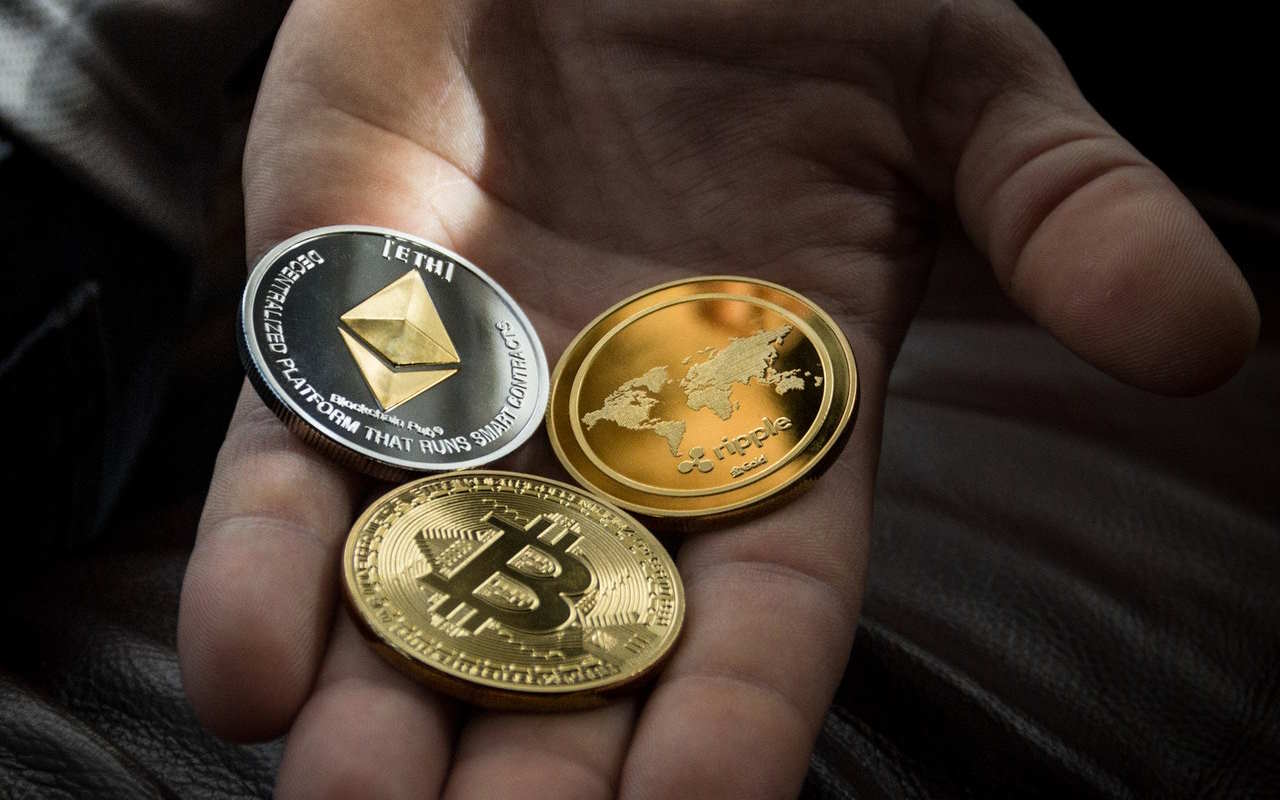
Bitcoin is the first cryptocurrency ever created, meaning it has the first-mover advantage over the other altcoins developed after it. Bitcoin appeared for the first time back in 2009, and still, up to this moment, it has maintained its position as the largest cryptocurrency by market cap. So, is it because this particular cryptocurrency was first developed the reason that Bitcoin continues to hold its position as the crypto king? Bitcoin has become so popular that it is highly accessible worldwide. For example, you can buy Bitcoin with debit card, making investing in cryptocurrencies a very easy process for anyone to consider. In this article, we will explore why Bitcoin continues to dominate the market, so keep reading to find out more.
What Exactly is Bitcoin?
Bitcoin is the first cryptocurrency ever developed that has forever changed things in the financial sector, as it was created in response to the global financial crisis. So, the creator of BTC, Satoshi Nakamoto, wanted to offer an alternative to fiat money and help individuals protect their finances in a better way. BTC was designed as an electronic and decentralized peer-to-peer cash system. In this way, people finally had a decentralized option to use when making payments or transacting. And because BTC is the pioneer in the crypto space, Bitcoin also has the first mover advantage.
Bitcoin was first traded for a physical product in 2010 when the crypto king was exchanged for a pizza. This has made crypto fans celebrate Bitcoin Pizza Day annually, highlighting the rise of Bitcoin and its humbling beginnings when BTC didn’t value more than a pizza. But since then, Bitcoin has gone through several ups and downs and met challenges, which seemed to stop it from a bigger evolution. Still, Bitcoin rose every time, cementing its position even more as the crypto king who dominated all the other altcoins.
Bitcoin Still has Sovereignty
All the other altcoins were created to solve the shortcomings of the crypto pioneer, and even though they brought many innovations, they still didn’t manage to dethrone Bitcoin. Moreover, the majority of people associate Bitcoin with crypto at large. So, Bitcoin can also be seen as the face of the industry, which forever transformed both the financial and crypto landscape. If the price of Bitcoin increases, this can also occur with the other altcoins.
Bitcoin has the Core Advantages of a Cryptocurrency
In theory, cryptocurrencies are decentralized assets that no one has sovereignty over, like a government or other central authority. However, over time, some cryptocurrencies developed didn’t focus that much on this characteristic, which differs from Bitcoin, a truly decentralized cryptocurrency. An unknown individual or group of people under the pseudonym of Satoshi Nakamoto created Bitcoin. Because of its anonymity, Bitcoin is a decentralized blockchain and cryptocurrency.
However, because Bitcoin was the first cryptocurrency created, the platform needed to overcome some challenges to remain relevant and keep up with all the other altcoins’ innovations. Bitcoin took the necessary steps to improve what it was offering to its community, such as the Taproot upgrade and the Lightning Network, which were considered to enhance Bitcoin’s privacy and scalability.
Bitcoin has Become a Legal Tender
Another discrepancy between Bitcoin and the other altcoins is that it has become a legal tender, increasing its popularity even more. El Salvador made Bitcoin a legal tender in September 2021, marking a tremendous moment in the evolution of Bitcoin. This adoption could also inspire other countries to do the same, which could catapult Bitcoin into mainstream adoption. Merchants must accept transactions with legal tenders, which can make Bitcoin more utilized as a payment method.
So far, Bitcoin is the only cryptocurrency that has become legal tender, which makes it stand out from the other altcoins. Bitcoin brings many advantages to the world, as it is decentralized, reducing intermediaries from the equation. Additionally, making payments with Bitcoin also reduces fees, which is essential, especially when making cross-border transactions.
Why do People Continue to Invest in Bitcoin?
Bitcoin still represents the number one option people consider when they want to take the first steps into the crypto space. This occurs for many reasons. For example, Bitcoin is a very accessible digital coin that can be accessed only with an Internet connection. This means that Bitcoin can be purchased even from remote areas and instantly receive the BTC you want.
This occurs because Bitcoin also introduces instant transactions, which differ from bank transfers, where individuals might need to wait longer to receive money or process payments. Bitcoin has a block time of approximately 10 minutes, much faster than making payments with bank transfers, which can take days to complete.
Besides this, Bitcoin can also be a good store of value, as it can appreciate over time, which has also occurred in the past. Fiat money doesn’t have the same advantages as weak stores of value because inflation can hugely influence prices. However, Bitcoin can act as a hedge against inflation. More than this, Bitcoin is a scarce asset with a limited supply of 21 million tokens. This scarcity can increase Bitcoin’s appeal even more and make it stand out from all the other cryptocurrencies.
Conclusion
Bitcoin is the first cryptocurrency ever created, meaning it will always have the first-mover advantage. Bitcoin is also the largest cryptocurrency by market cap, and this will probably continue to be the case in the future as well, as it persists to focus more on innovation to stay a viable answer.
Bitcoin Will Forever Have the First-mover Advantage: Does this Mean it will Remain the Largest Cryptocurrency by Market Cap? was last modified: November 26th, 2024 by Mary Hall
In the bustling crypto world, Solana and Ethereum stand out as two major players that offer unique features. Ethereum was launched in 2015, and it’s a pioneering blockchain platform that introduced the concept of smart contracts, which had a massive impact on dApps and the emergence of DeFi. The most important milestones in the journey of Ethereum include the introduction of the Ethereum 2.0 Beacon Chain, marking the beginning of the transition to the PoS model for energy efficiency and increased scalability.
Solana was launched in 2020, and it immediately stood out through its significant throughput and reduced transaction costs, powered by its PoH consensus mechanism, which is unique in the world of digital assets. The biggest milestones for Solana involve the cross-chain bridge and reaching a peak throughput, highlighting its capability to support extensive adoption and complex applications. Regarding price predictions, Ethereum’s appeal as a dApp platform could increase along with the successful implementation of Ethereum 2.0, driving the demand for the asset as more investors would likely buy ethereum online. The future price of Solana will depend on its ability to keep a high throughput and low costs while successfully tackling stability issues.
What’s evident is that the two platforms have made a crucial difference on the blockchain landscape: while Ethereum successfully established itself as a foundational layer for DeFi and dApps, Solana became a competitive platform that distinguished itself through its efficiency and speed. In this blog, we will examine the key differences between Solana and Ethereum, so read on to learn more about these two revolutionary blockchains!
Vibrant and Diverse Ecosystems
Ethereum and Solana offer unique advantages to users and developers alike, and they have become innovation hotbeds in the NFT and DeFi landscapes. Ethereum was the primary blockchain platform to introduce smart contracts, and unsurprisingly, it has the most varied dApp ecosystem, including 584,000 UAWs and more than 4,500 dApps. It also hosts major platforms that have transformed lending, borrowing, and trading within the crypto world. Ethereum is a trustworthy blockchain platform for many developers, mostly due to its high security and compatibility with EVMs. Even if it’s relatively new to the dApp landscape, Solana has successfully built a solid ecosystem that includes 1.28 million UAWs and over 350 dApps, focusing on reduced transaction costs and substantial throughput. Not only has Solana attracted massive DeFi projects, but it’s also making a difference within the NFT landscape with marketplaces such as Solanart, offering an advantage over Ethereum in terms of cost-effectiveness.
Unique Use Cases for the Native Tokens
Tokens on Solana and Ethereum don’t just sit pretty in a wallet- they have an essential role in enabling transactions and powering dApps. At the same time, they can represent ownership in the network. ETH, the native token of Ethereum, is utilized to pay for transaction fees on the network and for staking in the PoS model, but beyond this utility, it also functions as an investment asset and a store of value. The native token of Solana – SOL- serves different purposes, such as staking for network security or paying transaction fees. Similar to ETH, SOL is a store of value and investment assets, and it’s integral for users and developers who engage with the services and dApps on the Solana platform.
Different Approaches and Challenges in Security
Solana has experienced different security challenges, such as DoS hacks which disrupted the network’s performance. For example, an IDO bottling activity led to a transaction load of 400,000 per second, overwhelming the network and causing it to crash. However, these setbacks were followed by massive efforts to improve the security and stability of the network, such as the implementation of the QUIC protocol aiming to achieve quicker asynchronous communication, as well as stake-weighted QoS, which was meant to prioritize from nodes that were staked higher. While Ethereum also faced challenges, its operational history has been longer, which has given it more time to tackle any issues regarding its security. For example, the DAO attack which happened in 2016 was a notable event where DAO smart contracts were exploited by attackers, leading to a theft of 3.6 ETH. While this event led to a network hardfork, the transition to the PoS and the Ethereum 2.0 update is meant to boost the network’s security further and make it challenging for malicious actors to ever execute such a significant attack.
Investment Perspective
Solana and Ethereum provide intriguing investing opportunities, highlighting their positions in the blockchain landscape as a cornerstone in the crypto market, always standing next to Bitcoin. While its price has seen massive volatility throughout time, Ethereum has displayed growth and resilience, especially with the emergence of NFTs and DeFi, which have been developed on the Ethereum network. The Ethereum 2.0 upgrade is expected to tackle some of the issues surrounding scalability and transaction cost, resulting in enhanced adoption and price appreciation. Solana has remained competitive to Ethereum in terms of investment performance, experiencing a massive increase in value since its beginnings, and establishing itself as one of the most popular crypto assets by market cap. In terms of performance, Solana has seen quick price increases due to investor enthusiasm driven by its reduced transaction costs, high throughput, and the thriving dApp ecosystem. In fact, in 2023, its price increased by more than 554% due to its dApp ecosystem, particularly in the memecoin and DeFi sectors. Of course, this doesn’t mean that Solana hasn’t faced challenges – it has, and one of the most notable is the network outages that have led to serious discussions about the scalability and stability of the network when under stress.
The Bottom Line
When choosing the best blockchain platform, it’s worth noting that it all comes down to each developer’s preferences and needs. Both Solana and Ethereum have stood out throughout the time for their impressive performances. While Ethereum is a stronghold for established projects, Solana is a crucial player for groundbreaking innovative projects that leverage scalability and fast transactions.
Ethereum versus Solana: A Comparative Analysis Between the Two Leading Blockchain Platforms was last modified: November 18th, 2024 by Mary Hall
In today’s rapidly evolving financial world, digital currency has emerged as a transformative tool, particularly in the realm of international payments. With its secure and cost-effective nature, digital currency provides a streamlined alternative to traditional financial systems that often burden users with high fees and lengthy processing times. As global trade and cross-border transactions grow, businesses and individuals are increasingly turning to digital currency for its unmatched convenience and security.
Why Digital Currency Is Transforming Cross-Border Transactions
Digital currency is gaining popularity because it simplifies the process of sending and receiving money across borders. Traditional methods, such as bank transfers, tend to involve several intermediaries, which not only increases the cost of the transaction but also lengthens the processing time. Digital currency eliminates the need for these intermediaries, reducing both time and cost while offering a higher level of transparency and security.You can also explore Immediate Chain for further information.
The Appeal of Low Transaction Fees
One of the most attractive features of digital currency for international payments is the low transaction fees. Banks and financial institutions often charge substantial fees for cross-border transactions due to currency conversion costs and handling fees. Digital currency, by contrast, allows users to send funds directly to recipients anywhere in the world, with minimal transaction costs. This is especially valuable for small businesses, freelancers, and individuals who frequently need to make international payments but want to avoid excessive fees.
Digital currency platforms typically use blockchain or other distributed ledger technologies that make these transactions more efficient. By removing the middlemen involved in conventional banking, digital currency reduces transaction costs significantly, making it a viable option for international transfers.
Instantaneous Transfers for Greater Efficiency
Another benefit of using digital currency for international payments is the speed at which transactions are completed. Traditional international transfers can take days or even weeks, depending on the countries and institutions involved. With digital currency, transactions are processed within minutes, regardless of the amount or destination.
This instantaneous processing makes digital currency an appealing option for businesses and individuals who need to send or receive money quickly. In the business world, the ability to make quick payments can mean the difference between closing a deal and missing an opportunity. With digital currency, cross-border payments are completed almost in real time, enabling companies to manage cash flow better and respond more effectively to market demands.
Enhanced Security and Transparency in Digital Currency Payments
One of the primary concerns with international payments is security. Traditional banking transactions often involve sharing sensitive information and passing through multiple institutions, increasing the risk of fraud and data breaches. Digital currency, however, is built on a decentralized ledger system that enhances security.
How Blockchain Technology Boosts Security
Digital currency platforms commonly rely on blockchain technology, which creates a permanent, secure record of every transaction. Each transaction on the blockchain is encrypted and linked to the previous one, forming a secure chain of data blocks. This structure makes it extremely difficult for hackers to alter or tamper with records, providing a secure environment for international payments.
In addition, blockchain’s transparency allows all participants to view and verify transactions, which helps prevent fraudulent activities. This public record is not only secure but also available for real-time monitoring, reducing the chances of errors or unauthorized modifications.
Privacy Protection for Sensitive Financial Data
Alongside enhanced security, digital currency also offers improved privacy for users. Unlike traditional bank transfers, which often require detailed personal and financial information, digital currency transactions usually only require wallet addresses. This limited data requirement helps protect sensitive information from being exposed, ensuring that users can make international payments with greater confidence in their privacy.
Adoption Challenges and Potential Solutions
While digital currency offers significant benefits for international payments, there are still some challenges to widespread adoption. Some people are hesitant to use digital currency due to a lack of understanding or familiarity with the technology. Additionally, regulations surrounding digital currency vary by country, creating a complex landscape for users who want to send and receive payments internationally.
Educating Users on Digital Currency Benefits
Increasing awareness of the benefits of digital currency can help address some of these adoption challenges. Governments, financial institutions, and technology companies can collaborate to educate the public on the security, efficiency, and low-cost nature of digital currency. By building a better understanding of how digital currency works, these efforts can help drive more widespread acceptance and usage in the global marketplace.
Regulatory Support and Compliance
Another essential step in promoting digital currency for international payments is developing clear regulations. Policymakers around the world are increasingly recognizing the potential of digital currency and are beginning to establish regulatory frameworks that protect users without stifling innovation. Such regulations can provide users with the confidence they need to embrace digital currency for international payments.
Conclusion
Digital currency presents an innovative, secure, and cost-effective solution for international payments. By minimizing fees, speeding up transaction times, and enhancing security, digital currency enables individuals and businesses alike to conduct cross-border transactions with ease. Although there are still challenges to widespread adoption, increasing education and supportive regulations will likely drive greater acceptance of digital currency on a global scale. As the world becomes more interconnected, digital currency offers a promising future for efficient and secure international payments.
A Secure, Low-Cost Solution for International Payments was last modified: November 11th, 2024 by Mark Jayson
In the world of finance, the concept of digital assets has gained substantial attention in recent years. One of the main ways that these assets are created and managed is through a process known as mining. This form of mining involves solving complex mathematical problems that verify and add transactions to a decentralized digital ledger. In this post, we will dive into the world of mining, its purpose, and the technology that powers it, as well as the economic implications and challenges involved.
The Process Behind Mining Digital Assets
Mining digital assets can seem like a complex process at first glance, but understanding its underlying mechanisms can simplify the concept. At its core, mining is the method through which new coins or tokens are generated and transactions are validated within a digital network.
What Happens During Mining?
During mining, participants—often referred to as miners—use powerful computers to solve mathematical problems. These problems are part of a verification process that ensures the legitimacy of transactions. Each time a problem is solved, the miner successfully adds a new block of data to the digital ledger, which is also known as the blockchain.
This entire process is decentralized, meaning there is no central authority overseeing it. Instead, miners across the globe work independently but collaboratively to validate transactions and maintain the integrity of the digital network. To incentivize participation, miners are rewarded with newly minted digital assets or transaction fees. You can also explore Immediate Code for further information.
How Are Transactions Verified?
When a user sends a transaction within the network, that transaction is broadcast to the entire network of miners. Miners then compete to solve the mathematical problem tied to that transaction, which typically involves hashing functions. A hash is a unique string of characters created from the data in the transaction, and miners try to find a value that matches a specific target set by the system. The first miner to successfully solve the problem is rewarded and the transaction is confirmed and added to the ledger.
The difficulty of these mathematical problems increases over time, ensuring that the creation of new tokens is gradual and controlled. This is why mining can be computationally intense and requires substantial energy resources.
The Role of Technology in Mining
The success of mining relies heavily on the technological infrastructure used to execute these complex tasks. Mining operations typically involve specialized hardware that is capable of performing billions of calculations per second.
Mining Hardware
The hardware used in mining varies based on the complexity of the tasks. Initially, individuals could mine using standard personal computers or laptops. However, as the difficulty of mining has increased, miners have turned to more powerful hardware solutions.
Graphics Processing Units (GPUs): These are widely used in mining as they can handle parallel processing tasks more efficiently than traditional CPUs.
Application-Specific Integrated Circuits (ASICs): ASICs are custom-built machines designed specifically for mining. They are far more efficient than GPUs and CPUs but come with a higher upfront cost.
Field-Programmable Gate Arrays (FPGAs): These offer a balance between the flexibility of GPUs and the efficiency of ASICs, allowing miners to adjust hardware configurations as needed.
Mining equipment is typically housed in large data centers or “mining farms,” where large numbers of machines work in parallel to maximize the chances of solving mathematical problems and earning rewards.
Software and Algorithms
In addition to specialized hardware, mining requires sophisticated software to manage the mining process. These mining programs interface with the blockchain network and relay necessary data, such as transaction information and the current state of the network. Some miners use mining pools—groups of miners who combine their computational power to increase the probability of solving a problem and earning rewards.
The algorithms governing mining also vary between different networks, with each blockchain using different consensus mechanisms to validate transactions. Popular methods include Proof of Work (PoW), Proof of Stake (PoS), and more recently, hybrid systems that combine different approaches for added security and efficiency.
The Economic Impact of Mining
Mining plays a crucial role in the economy of digital assets. Not only does it create new coins and validate transactions, but it also drives demand for specialized hardware, electricity, and infrastructure. This makes mining both a profitable venture and an energy-intensive activity.
The Cost of Mining
The profitability of mining largely depends on the cost of electricity and the efficiency of the hardware being used. Mining can consume vast amounts of energy, particularly in large mining operations. This has sparked a debate about the environmental impact of mining, especially in regions where electricity is generated through non-renewable sources.
Despite the high energy consumption, mining can still be profitable if managed well. Efficient miners are always looking for ways to reduce electricity costs, such as locating mining operations in areas with cheaper or renewable energy sources.
Mining as an Investment
For many, mining has become a viable investment strategy. Miners can generate income by selling the rewards they earn from successfully mining transactions. However, the value of these rewards fluctuates with market demand, making mining a risky investment. Factors such as network difficulty, hardware costs, and energy prices must be carefully considered to assess the overall profitability of a mining operation.
Some mining enthusiasts also invest in mining equipment with the hope that the value of the digital assets they mine will increase over time. This makes mining a speculative venture, as the price of digital assets can rise or fall based on a range of factors, including market trends, regulatory changes, and technological advancements.
Challenges and Future of Mining
While mining has become an integral part of the digital asset ecosystem, it is not without its challenges. From environmental concerns to the increasing complexity of mining algorithms, miners must navigate numerous obstacles to remain competitive.
Environmental Concerns
One of the most discussed issues surrounding mining is its environmental impact. The high energy consumption of mining operations has raised alarms about its sustainability, especially as global energy consumption continues to rise. In response, some blockchain networks are exploring alternatives like Proof of Stake, which is far less energy-intensive than traditional Proof of Work.
Technological Evolution
As the digital asset industry evolves, mining technology must also keep pace. This means that miners must continually upgrade their hardware and software to stay competitive. This constant need for innovation and investment can make mining an expensive endeavor, which is why it is often more suitable for large-scale operations with significant resources.
Conclusion
In conclusion, mining is a critical component of the digital asset ecosystem, providing a decentralized way to verify transactions and create new tokens. While it is a complex and resource-intensive process, it offers opportunities for those with the right technology and strategy. As the industry continues to grow and evolve, miners will need to adapt to new challenges and technological advancements. Despite its hurdles, mining remains a cornerstone of the digital economy, with a future that is both promising and dynamic.
Understanding the Basics of Digital Currency Mining was last modified: November 11th, 2024 by Mark Jayson
Stellar (XLM) is changing the game when it comes to fast, efficient transactions in the world of digital finance. Unlike traditional systems, Stellar uses cutting-edge technology that cuts down processing times to mere seconds. But how does it pull this off? In this article, we’ll explore the architecture, consensus mechanisms, and key components that make Stellar one of the fastest blockchain networks out there. Trade 2.0 AvaproWhich connects investors with professionals who can explain how Stellar (XLM) achieves rapid transaction speeds.
The Architecture Behind Stellar’s Lightning-Fast Transactions
Stellar’s speed isn’t accidental—it’s built right into the foundation of the network. To put it simply, the way Stellar processes transactions is different from many other blockchain networks.
Instead of relying on traditional mining, Stellar uses a unique consensus model called the Stellar Consensus Protocol (SCP). This structure allows the network to validate transactions faster and more efficiently.
You’re not waiting on complex cryptographic puzzles to be solved like on some other platforms. Transactions are handled almost instantly because SCP allows trusted nodes to agree on transaction history without needing everyone in the network to participate.
Think of it like a group of friends agreeing on where to go for lunch. Rather than waiting for everyone in the town to give their input, just a few trusted people make the decision, and everyone moves forward.
This simplicity, combined with the decentralized nature of Stellar, means you’re looking at a network that prioritizes speed and efficiency over complicated processes.
What’s more, Stellar’s lightweight code plays a role. It’s designed to handle many transactions without consuming too many resources, which keeps things moving fast. It’s like driving on a highway with no traffic. You get to your destination in record time.
Role of Federated Byzantine Agreement (FBA) in Enhancing Transaction Speed
Stellar’s Federated Byzantine Agreement (FBA) plays a key role in why transactions are processed so quickly. The FBA method allows smaller groups (called quorum slices) to reach consensus on transactions, rather than requiring agreement from everyone in the network. It’s like making a decision in a large meeting—if only a few key people need to agree, the decision happens faster. Stellar uses this structure to allow decisions on transaction validity to happen with less back-and-forth, which makes things faster.
What’s especially clever about FBA is that it keeps the system decentralized without slowing things down. Each node (or participant in the network) only needs to trust a small group of other nodes.
These smaller, trusted groups then overlap with other groups, so the whole system stays connected without causing bottlenecks. This is why transactions on Stellar are so quick—they don’t need a full, global consensus at every step.
For those concerned about security, FBA ensures that trust is placed in small, manageable groups, while still maintaining the integrity of the network.
It’s a bit like delegating tasks at work: you trust your colleagues to make good decisions, so things move along without you needing to approve every step. Isn’t that the way we all wish things worked in life? It’s efficient, and it keeps Stellar moving at lightning speed.
Anchors and Validators: The Backbone of Stellar’s Scalable Network
Anchors and validators are like the unseen hands keeping Stellar’s system both scalable and fast. Anchors act as bridges between different financial systems. For instance, they connect local currencies to the Stellar network.
Imagine wanting to send money to someone across the world. You don’t have to worry about currency conversions or bank fees because anchors handle the heavy lifting. They’re the middlemen that make sure your money gets where it needs to go, and they do it quickly.
Validators, on the other hand, are the gatekeepers of the network. They confirm transactions, ensuring that everything is legitimate before it goes through. Think of them like the referees in a game, making sure all the rules are followed.
They work together to keep the network honest, but they do so in a way that doesn’t bog down the system.
The way Stellar’s network is set up means that these validators don’t need to consult everyone to approve a transaction. That’s the secret to Steller’s scalability: transactions are processed quickly, even as the network grows.
You can add more users without slowing things down because the system is designed to handle a large number of transactions without delay. It’s like having more lanes on a highway—no matter how many cars you add, traffic keeps flowing smoothly.
Conclusion
Stellar’s ability to process lightning-fast transactions is a result of its innovative design, from the Federated Byzantine Agreement to its use of anchors and validators. As digital finance continues to evolve, Stellar proves to be a reliable and efficient choice for fast cross-border payments. For those considering investment or research in this field, consulting with a financial expert is always a smart step.
How Does Stellar (Xlm) Ensure Fast Transactions? was last modified: November 7th, 2024 by Asher Page
As 2024 unfolds, investors are looking for the next big thing in the crypto world. Cosmos (ATOM) has caught many eyes for its unique approach to blockchain interoperability. But is it worth your investment this year? With a growing ecosystem, strong partnerships, and innovative technology, Cosmos could be a game-changer. Let’s dive in and see what makes ATOM stand out in an ever-competitive market. Discover expert opinions and market analysis from industry leaders, accessible just follow this link
The 2024 Market Outlook for Cosmos (ATOM): Key Trends and Developments
When we talk about 2024, the crypto world is evolving rapidly, and Cosmos (ATOM) is certainly no exception. So, what’s in store for ATOM in the near future? For starters, blockchain interoperability is becoming a bigger deal.
Cosmos is perfectly positioned here since its whole purpose is to connect different blockchains. With the rise of decentralized finance (DeFi) and cross-chain apps, there’s likely going to be an increased demand for Cosmos’ technology.
The broader crypto market also continues to face challenges like regulatory uncertainty and economic shifts. However, ATOM seems to be weathering the storm well. Picture it like navigating a choppy sea – Cosmos has a solid ship that helps it stay steady, even as others struggle to keep afloat.
Also, don’t be surprised if you hear about more decentralized apps (dApps) launching on Cosmos in 2024. Developers are seeing the benefits of its scalable architecture, which could lead to more projects joining the ecosystem.
But remember, with competition heating up from the likes of Polkadot and Avalanche, Cosmos has to keep innovating to maintain its edge. So, is 2024 the year ATOM really breaks through? Only time will tell, but all signs point to strong growth.
Tokenomics and Supply Dynamics: A Deep Dive into ATOM’s Inflationary Model
Now, let’s get into the nuts and bolts of Cosmos’ tokenomics. ATOM is unique in its inflationary model, which means new tokens are regularly introduced into circulation. Unlike Bitcoin, which has a fixed supply, Cosmos has chosen an inflationary path to incentivize staking.
So, what does this mean for investors in 2024? Well, it could go both ways. On one hand, the inflation rate could potentially dilute the value of your ATOM tokens over time. But here’s the kicker – you can counterbalance this by staking your tokens. Staking offers rewards, which can make up for the inflationary pressure and, in many cases, even result in a net positive return.
Cosmos also adjusts its inflation rate dynamically, meaning it changes depending on how much of the total supply is being staked. Think of it as a balancing act – Cosmos rewards those who stake while keeping inflation in check. In 2024, as more people stake their ATOM, the inflation rate might decrease, offering more stability.
It’s always a good idea to research how this supply dynamic impacts the long-term value of ATOM. And hey, if you’re feeling uncertain, don’t hesitate to consult a financial advisor to ensure you make informed decisions about staking and potential returns.
Partnerships, Integrations, and Ecosystem Growth in 2024
One of the coolest things about Cosmos is its growing network of partnerships. It’s not just a one-man show, so to speak. In 2024, we’re expecting to see even more integrations that will strengthen its position in the blockchain world.
For example, more and more projects are using the Inter-Blockchain Communication (IBC) protocol, which allows for seamless interaction between different blockchains. This is a big deal because it opens up new possibilities for decentralized finance (DeFi), gaming, and other applications.
Just look at recent collaborations – like the integration with Terra or the ongoing work with Ethereum bridges. It’s kind of like Cosmos is building bridges where others see walls. This helps increase the functionality and use cases for ATOM, making it more attractive for developers and investors alike.
What’s interesting about Cosmos is its community-driven governance. As more projects hop aboard, the ecosystem keeps growing stronger. The big question for 2024 is: how many more collaborations and integrations can Cosmos secure? With so many blockchains wanting to play nicely with each other, Cosmos’ tech is perfectly placed to take advantage. But like anything else, the pace of this growth will depend on how well Cosmos can maintain and expand these partnerships.
Competitive Landscape: How Does Cosmos Compare to Other Layer 0 Solutions?
Cosmos isn’t the only game in town when it comes to Layer 0 solutions – those that focus on interoperability between blockchains. Polkadot, Avalanche, and Ethereum’s upcoming upgrades are all giving Cosmos a run for its money. Each has its strengths, and it’s important to consider how Cosmos stacks up.
For one, Polkadot’s parachain model offers a unique way for blockchains to interact. While similar in goal, Cosmos focuses more on flexibility through its IBC protocol. In a way, it’s like comparing different tools in a toolbox – they all do the job, but some might be more suited to specific tasks.
Then there’s Avalanche, which is gaining traction for its speed and efficiency. Cosmos, however, has a leg up when it comes to the size and openness of its ecosystem. Whereas Avalanche might focus on faster transactions, Cosmos excels in creating a broader and more inclusive environment for cross-chain applications.
And let’s not forget Ethereum 2.0. While not a direct competitor in terms of interoperability, its shift to Proof-of-Stake could draw attention away from Cosmos in terms of market share. However, Ethereum’s high fees still leave room for more efficient systems like Cosmos to shine.
Ultimately, Cosmos has to keep proving its worth, especially with such tough competition. The question investors have to ask themselves is, “What sets Cosmos apart in a crowded market?” It’s definitely an exciting space to watch, and 2024 will be a crucial year for how Cosmos fares in this high-stakes race.
Conclusion
Cosmos (ATOM) presents an exciting opportunity in 2024, but it’s not without risks. Its focus on connecting blockchains and growing partnerships is impressive, but competition is fierce. Investors need to weigh the potential rewards against the volatility of the market. Want to make an informed choice? Be sure to do your own research and consult financial experts before diving in.
Is Cosmos (ATOM) a good investment in 2024? was last modified: October 13th, 2024 by Asher Page
Latency is a critical factor in blockchain performance, and Solana distinguishes itself with exceptionally low-lag capabilities. By minimizing transaction delays, Solana enhances user experience and supports real-time applications. This low latency advantage positions Solana as a leading platform for scalable, efficient, and responsive blockchain solutions. Grasp how Solana’s low-latency benefits your trading tactics by consulting with the knowledgeable folks just Go immediate-code.com.
Defining Latency and Its Importance in Blockchain Networks
Latency, simply put, refers to the time it takes for a transaction to be confirmed and added to a blockchain. In the world of blockchains, low latency is a sign of efficiency. It means the network can process transactions quickly, without long waiting periods.
Think of it like sending a text message: you expect it to reach the other person almost instantly, right? High latency would be like sending that message and then waiting several minutes—or even longer—for it to de gtxliver. That can get frustrating.
In blockchain networks, latency directly impacts the user experience. If the confirmation of a transaction takes too long, users may become impatient, especially in industries like finance or gaming where time is money—literally.
Low latency is critical because it keeps things moving quickly and ensures users aren’t left tapping their feet while they wait for their transactions to go through. In fast-paced systems, like decentralized exchanges or NFT marketplaces, low latency can mean the difference between a smooth user experience and one that drives people away.
But it’s not just about speed; lower latency also contributes to overall network efficiency. A blockchain with low latency can handle more users and more transactions without clogging up the system. It’s all about keeping the line moving and making sure nobody gets stuck waiting at the counter.
How Solana Achieves Sub-Second Confirmation Times
Solana is known for its lightning-fast confirmation times, which typically clock in at less than a second. How does Solana pull off such speed? The magic lies in its unique architecture, particularly the Proof of History (PoH) system.
Unlike traditional blockchains, which need every node to agree on the order of transactions, PoH establishes a cryptographic timeline before transactions even reach the validators. This is like getting a head start in a race while others are still tying their shoes.
This pre-sequencing of transactions means validators don’t have to waste time figuring out what came first. Everything is already arranged neatly for them, allowing the system to move at an incredibly fast pace. It’s kind of like showing up at a restaurant where the chef already knows your order before you even sit down. Less waiting, more action.
Additionally, Solana’s Tower BFT consensus mechanism plays a big role in keeping things secure while maintaining speed. It allows validators to vote on the legitimacy of transactions without the need for constant communication, drastically reducing the amount of time it takes to reach a consensus.
When combined with Gulf Stream, which pushes transactions forward even before they’re fully confirmed, Solana is able to maintain its sub-second confirmation times, offering users near-instant transaction finality.
Comparing Latency with Other Popular Blockchains: Ethereum, Binance Smart Chain, and Avalanche
When it comes to latency, not all blockchains are created equal. Ethereum, the second-largest blockchain by market cap, is known for its slower transaction times. On average, Ethereum’s latency is around 13 seconds, which can feel like an eternity in comparison to Solana’s sub-second confirmations.
This is partly because Ethereum uses the Proof of Work (PoW) consensus mechanism, which requires miners to solve complex problems before transactions can be confirmed. It’s a bit like driving through a busy city during rush hour—you’re going to hit traffic.
On the other hand, Binance Smart Chain (BSC) offers faster speeds, with confirmation times around 3 seconds. BSC uses a Proof of Staked Authority (PoSA) consensus mechanism, which is more efficient than Ethereum’s PoW. Still, 3 seconds might not seem long, but it’s no match for Solana’s near-instant confirmations. For users engaging in high-frequency trading or DeFi transactions, every second counts, and that extra wait time can be costly.
Lastly, Avalanche boasts relatively low latency with transaction times hovering around 1–2 seconds. Avalanche’s consensus model is designed for speed, using a Directed Acyclic Graph (DAG) structure to handle transactions in parallel. Yet, even at 1–2 seconds, it’s hard to ignore the fact that Solana is still quicker, often finalizing transactions in under a second.
So, when comparing Solana’s latency to these other blockchains, it’s clear that Solana is playing in a different league, with its confirmation times leaving competitors in the dust. Whether you’re a trader, developer, or everyday user, faster transactions can make all the difference in delivering a seamless experience.
Conclusion
In summary, Solana’s low latency offers a significant competitive edge, enabling swift transactions and seamless operations. This advantage not only improves user satisfaction but also facilitates the development of advanced decentralized applications. As blockchain technology evolves, Solana’s commitment to minimizing latency ensures its continued prominence in the industry.
Latency: Solana’s Low-Lag Advantage was last modified: October 13th, 2024 by Asher Page
In the fast-paced world of forex trading, time is of the essence. Traders are constantly searching for ways to enhance their decision-making processes and improve their trading efficiency. One of the most significant advancements in this field is the development of forex robots, which have revolutionized the way traders operate. These automated trading systems can analyze vast amounts of data, execute trades at lightning speed, and manage risk effectively—all while allowing human traders to take a step back and focus on strategy. In this comprehensive guide, we will explore how forex robots work, their features, how to choose the right one, optimization strategies, and the potential risks associated with automated trading.
How Forex Robots Work in Automated Trading
Forex robots, also known as Expert Advisors (EAs), are software programs designed to automate the trading process. They utilize algorithms and technical analysis to identify trading opportunities and execute trades based on predefined criteria. This section delves into the mechanics behind these automated systems, highlighting how they function and the technology that powers them.
Understanding Algorithms in Forex Trading
At the heart of every forex robot lies an algorithm—a set of rules and mathematical calculations that dictate how trades should be placed. These algorithms can analyze market data such as price movements, volume, and other relevant indicators to spot potential entry and exit points.
The sophistication of an algorithm determines its effectiveness. Some robots employ simple moving average crossovers, while others use more advanced techniques like machine learning and artificial intelligence to forecast market trends. By harnessing vast datasets, these algorithms can uncover patterns that may take a human trader much longer to identify.
Real-Time Data Analysis
One of the key advantages of forex robots is their ability to process real-time data at incredible speeds. Unlike human traders, who may miss out on critical market movements due to the limitations of cognitive processing, forex robots can continuously monitor multiple currency pairs simultaneously.
This capability allows them to react quickly to changes in the market, executing trades within milliseconds. For example, if a currency pair’s price begins to rise sharply, a well-designed forex robot can place a buy order before the opportunity passes, capitalizing on short-term fluctuations that might go unnoticed by a human trader.
Trade Execution and Management
Once a forex robot identifies a trading opportunity, it executes the trade according to its programming. This execution process is highly efficient, as robots can place orders with precision, minimizing slippage—the difference between expected and actual prices.
Moreover, forex robots can manage trades once they are open. They can set stop-loss and take-profit levels automatically, ensuring that losses are limited and profits are secured without requiring constant monitoring from the trader. This level of automation not only enhances trading efficiency but also helps mitigate emotional decision-making that can lead to costly mistakes.
Features of Advanced Forex Robots
Not all forex robots are created equal. The features offered by these automated trading systems can vary significantly, impacting their performance and usability. When it comes to forex robot trading, understanding these essential features is crucial for maximizing success in the trading arena. Here, we explore some of the key elements that distinguish advanced forex robots and contribute to their effectiveness in automated trading.
Customization Options
One of the standout features of advanced forex robots is the ability to customize settings according to individual trading preferences. Traders can adjust parameters such as risk tolerance, lot size, and specific indicators used for trade signals.
Customization empowers traders to align the robot’s operation with their unique strategies and risk appetite. For instance, a conservative trader may prefer a robot that prioritizes lower-risk trades, while an aggressive trader might seek higher leverage and more frequent transactions. This adaptability allows traders to take full advantage of the strengths of automated systems while maintaining control over their trading approach.
Backtesting Capabilities
Backtesting is a crucial feature that allows traders to evaluate a forex robot’s historical performance against past market data. With this functionality, users can run simulations to see how the robot would have performed under various market conditions using historical data.
Advanced forex robots provide robust backtesting tools that enable traders to optimize their strategies before going live. By analyzing results from different scenarios, traders can fine-tune the robot’s settings to maximize profitability and reduce drawdowns. This empirical approach to trading instills greater confidence and prepares traders for potential future challenges.
Multi-Strategy Functionality
Many advanced forex robots incorporate the ability to deploy multiple trading strategies simultaneously. This multi-strategy functionality enables traders to diversify their approaches, reducing exposure to individual market risks while enhancing overall portfolio performance.
For example, a forex robot could implement a trend-following strategy alongside a mean-reversion approach. While one strategy captures momentum during strong market trends, the other can capitalize on price corrections. By leveraging multiple strategies, traders can adapt to changing market conditions, increasing their chances of success.
Choosing the Right Forex Robot
With countless options available in the marketplace, selecting the right forex robot can be a daunting task. However, several key factors can guide traders in making informed decisions when choosing an automated trading system.
Evaluating Performance and Reviews
To start, it’s crucial to assess the performance history of the forex robots under consideration. Many developers provide performance metrics through verified accounts or trading journals. Look for consistent profitability, reasonable drawdown levels, and long-term viability rather than short-lived spikes in returns.
In addition to performance statistics, reviews and testimonials from fellow traders can provide valuable insights. Engaging with online forums and reading detailed user experiences will help you discern which robots deliver on their promises and which may fall short.
Assessing Compatibility with Trading Platforms
Not all forex robots are compatible with every trading platform. Before making a commitment, ensure that the robot you choose is designed to work with your preferred trading platform, whether it be MetaTrader 4, MetaTrader 5, or another software.
Compatibility plays a vital role in user experience. An intuitive interface and seamless integration with your existing setup will facilitate ease of use. Additionally, check whether the robot allows for modifications or requires programming knowledge for adjustments, as this can influence your ability to tailor the system to your needs.
Understanding Support and Updates
The quality of customer support and ongoing updates from a forex robot provider should not be overlooked. Reliable developers will offer responsive customer support channels, enabling users to address issues or inquiries promptly.
Furthermore, continuous updates are essential for keeping the robot aligned with market developments. As trading conditions evolve, having access to regular enhancements ensures the robot remains effective in changing landscapes. Look for vendors that prioritize transparency and maintain communication regarding improvements and changes in algorithms.
Optimizing Performance with Forex Robots
Even the best forex robots require ongoing optimization to maintain peak performance. In this section, we discuss strategies for maximizing the effectiveness of your automated trading system.
Regular Monitoring and Adjustments
While forex robots can operate autonomously, regular monitoring of their performance is vital. Traders should review trade outcomes periodically and assess whether the robot continues to meet their expectations.
If specific patterns emerge—such as consistent losses in particular market conditions—it may be necessary to make adjustments. Fine-tuning settings, modifying parameters, or even implementing new strategies can yield better results. Being proactive in monitoring and adjusting your forex robot helps to avoid stagnation and encourages continued growth in profitability.
Implementing Risk Management Protocols
Effective risk management is a cornerstone of successful trading, and it holds true for automated systems as well. Traders should configure their forex robots to incorporate risk management protocols such as setting fixed stop-loss and take-profit levels.
Additionally, consider employing strategies like position sizing to manage exposure relative to account equity. By limiting the amount of capital allocated to individual trades, you can safeguard your portfolio from substantial losses. Balancing aggressiveness and caution through prudent risk management increases the likelihood of sustained success in the long run.
Staying Informed about Market Trends
Despite automation, staying informed about prevailing market trends and economic news is essential. Major geopolitical events, central bank announcements, and economic indicators can significantly impact currency pairs and trading conditions.
Traders should remain aware of upcoming events that might affect their chosen markets. By understanding the broader context, you can adjust your forex robot’s settings or temporarily halt trading during high-volatility periods. Striking a balance between automation and awareness will fortify your trading strategy and mitigate unforeseen risks.
Risks and Limitations of Automated Trading
While forex robots offer numerous benefits, they are not without risks and limitations. Recognizing these drawbacks is essential for traders seeking to fully grasp the implications of automated trading.
Over-Reliance on Technology
One of the most significant concerns with automated trading is the potential for over-reliance on technology. While forex robots excel at executing trades and analyzing data, they lack the intuition and judgment that human traders possess.
Market dynamics can shift rapidly, and unforeseen events can render algorithms ineffective. Relying solely on a forex robot may lead to complacency, causing traders to overlook essential market developments. Maintaining a partnership between automated systems and human oversight is crucial for navigating the complexities of forex trading.
Technical Failures and Connectivity Issues
Technical failures pose another risk associated with automated trading. Software bugs, server outages, or internet connectivity issues can disrupt the functioning of a forex robot, potentially leading to missed trading opportunities or unexpected losses.
Traders should implement contingency plans to address these risks, such as using backup internet connections or setting up alerts for monitoring system health. Regular software updates and maintenance are necessary to minimize vulnerabilities and ensure optimal operation.
Market Volatility and Unpredictability
Forex markets are inherently volatile and influenced by a multitude of factors, including economic data, geopolitical developments, and shifts in investor sentiment. Despite the analytical capabilities of forex robots, sudden market movements can trigger unexpected outcomes.
During periods of extreme volatility, a robot’s predetermined trading strategy may not account for rapid price fluctuations, resulting in excessive drawdowns. As such, traders should exercise caution, particularly during major economic releases or events that could lead to significant market turbulence.
Conclusion
In conclusion, forex robot trading presents a powerful avenue for enhancing trading efficiency and optimizing performance in the dynamic world of currency trading. By leveraging automation, traders can capitalize on opportunities, execute trades with speed and precision, and manage risk effectively.
However, it is essential to approach automated trading with a balanced perspective. While forex robots offer remarkable advantages, they also come with inherent risks and limitations. Successful traders recognize the importance of ongoing monitoring, adaptation, and a blend of technological prowess with human insight.
As you embark on your journey into the realm of forex robot trading, remember that education and vigilance are key. Equip yourself with knowledge, stay attuned to market trends, and embrace the evolving landscape of automated trading. With the right tools and strategies, you can unlock the full potential of forex robots and elevate your trading game to new heights.
Unlock Trading Efficiency with Advanced Forex Robots: A Comprehensive Guide to Automated Trading was last modified: November 28th, 2024 by Ari An
In the rapidly evolving world of cryptocurrencies, where new projects appear every day, an effective marketing strategy has become not just a desire but a necessity. Krypto-Marketing is an integrated approach aimed at increasing brand awareness, attracting new investors and building a loyal community around it Cryptocurrency project to accomplish. Companies like LKI-Beratung and other crypto marketing agency are focused on providing comprehensive marketing services for specialized Crypto projects and help them achieve their business goals.
Why is crypto marketing so important?
Crypto marketing plays a key role in the success of any cryptocurrency project. It helps:
Increase brand awareness: establishing a distinctive brand image is crucial in the competitive cryptocurrency market. A unique identity helps the project stand out and fosters recognition among potential investors and users.
Attract investments: effective marketing strategies capture investor attention by showcasing the project’s unique value proposition. This compelling narrative encourages financial support and interest from investors.
Boost trading volume: active outreach stimulates token demand, leading to increased trading volume. As investor interest grows, so does the demand for tokens, driving up their market value and liquidity.
Create a loyal community: building a strong, engaged community is vital for long-term success. Loyal members provide support, feedback, and advocacy, helping to promote the project and drive growth.
Manage reputation: effective promotion allows projects to actively manage their reputation, addressing negative feedback and maintaining trust. Transparent communication and showcasing achievements help build credibility in the market.
This approach is critical not only for attracting attention, but also for ensuring long-term survival in a competitive environment. It fosters trust, strengthens community ties, and maintains interest throughout different project stages. Without a well-developed strategy, even the most technologically advanced projects risk going unnoticed or losing their market position.
Key Goals of Crypto Marketing:
The main objectives of crypto marketing are crucial for establishing a strong presence in the competitive cryptocurrency landscape. Increasing brand awareness is vital in a crowded market, where creating a unique identity helps the project stand out and remain memorable to potential users and investors.
Attracting investors is essential, as a well-crafted marketing strategy effectively communicates the project’s vision and potential. This not only captures investor attention but also stimulates token demand, boosting trading volume and liquidity. Additionally, building a loyal community fosters ongoing engagement, while effective reputation management helps maintain a positive image amidst market volatility. Together, these objectives create a comprehensive strategy that ensures innovative cryptocurrency projects remain relevant and impactful.
Examples for successful campaigns
While the exact performance metrics of crypto marketing campaigns can vary depending on the project and market, there are examples that prove the effectiveness of this tool:
Successful ICOs and IEOs: many successful cryptocurrency projects launched with large-scale campaigns, enabling them to raise millions in investments quickly.
Increase in token prices: new product launches and partnerships often lead to increased token value, reflecting the success of promotional activities.
Active communities: successful projects typically have large, engaged communities on social networks and forums, showcasing the impact of outreach efforts.
Examples of successful crypto marketing campaigns include projects like Binance and Cardano. Binance achieved market leadership through an aggressive strategy that involved sponsoring sports events, collaborating with celebrities, and actively developing its ecosystem, making it one of the most recognized and sought-after platforms for cryptocurrency trading.
Conclusion
In conclusion, crypto marketing plays a pivotal role in driving the success of cryptocurrency projects in a highly competitive and rapidly evolving industry. It’s no longer an option but a necessity for ensuring visibility, attracting investments, building communities, and managing reputations. Whether through increasing brand awareness, boosting trading volume, or fostering loyal communities, effective marketing strategies help establish a strong market presence. The success stories of projects like Binance and Cardano illustrate how well-executed campaigns can result in substantial growth, market dominance, and community engagement. As the crypto landscape continues to expand, marketing will remain a crucial component for any project looking to stand out, gain traction, and thrive in this digital frontier.
Crypto Marketing as the Key to Success in the World of Cryptocurrencies was last modified: October 3rd, 2024 by Jimmy Wolmer
The concept of transparency is fundamental to any democratic process, particularly in voting. As societies worldwide seek to ensure that electoral processes are fair, secure, and transparent, innovative technologies have emerged as potential solutions to address longstanding challenges. One such technology is blockchain. Originally developed to support decentralized data management, blockchain offers unique features that could revolutionize how we conduct and monitor elections. This article explores how blockchain can enhance transparency in voting, offering an in-depth look at its potential benefits and challenges.
How Blockchain Enhances Voting Transparency
Secure and Transparent Vote Recording
One of the most significant advantages of using blockchain in voting is the secure and transparent recording of votes. Each vote can be treated as a transaction and recorded on the blockchain. Once a vote is cast, it is added to a block, which is then added to the chain. This process ensures that the vote is securely recorded and cannot be altered or deleted. The entire process is transparent, allowing voters and election monitors to verify that each vote has been accurately recorded.
Real-Time Auditing and Monitoring
Blockchain enables real-time auditing and monitoring of votes, providing an unprecedented level of transparency. Since all transactions on a blockchain are visible to participants, election monitors and even the public can audit the voting process as it happens. This real-time capability reduces the likelihood of fraud or manipulation, as any irregularities can be immediately detected and addressed. You can also explore Wealth Catalyst AI for further information.
Ensuring Voter Anonymity While Maintaining Transparency
While transparency is crucial, protecting voter anonymity is equally important in ensuring free and fair elections. Blockchain can strike a balance between these two needs. By using advanced cryptographic techniques, blockchain can anonymize votes while still recording them transparently. Voters can be confident that their vote remains secret, while election officials can ensure that the voting process is transparent and secure.
Preventing Double Voting and Voter Fraud
Blockchain’s decentralized nature also helps prevent double voting and voter fraud. Since each vote is recorded as a transaction on a distributed ledger, it is impossible for a single voter to cast more than one vote without it being detected. This feature not only enhances transparency but also boosts the overall integrity of the voting process.
Challenges and Considerations
Scalability Issues
Despite its potential, blockchain technology is not without challenges, particularly in terms of scalability. As the number of transactions increases, so does the size of the blockchain. This can lead to slower processing times and increased storage requirements, which may pose challenges in large-scale elections. Solutions such as off-chain transactions and sharding are being explored to address these issues, but they are not yet fully developed.
Technical Complexity and Accessibility
The technical complexity of blockchain may also be a barrier to its widespread adoption in voting. Implementing a blockchain-based voting system requires a high level of technical expertise, which may not be readily available in all regions. Additionally, voters would need access to the necessary technology, such as smartphones or computers, which could exclude certain demographics from participating in the voting process.
Regulatory and Legal Challenges
Introducing blockchain into the voting process also raises regulatory and legal questions. Governments would need to establish clear legal frameworks to govern the use of blockchain in elections, ensuring that the technology is used in a manner that upholds democratic principles. Additionally, international cooperation may be required in cases where blockchain-based voting systems are used in cross-border elections or referendums.
Voter Trust and Education
For blockchain-based voting systems to be successful, voters must trust the technology and understand how it works. This requires comprehensive voter education campaigns to explain the benefits and potential risks of blockchain in voting. Without this trust, voters may be reluctant to adopt the new system, undermining the transparency and integrity that blockchain seeks to enhance.
The Future of Blockchain in Voting
The future of blockchain in voting looks promising, but it is not without its challenges. As the technology continues to evolve, so too will its applications in the electoral process. Researchers, policymakers, and technologists must collaborate to address the challenges of scalability, technical complexity, and voter trust to fully realize the potential of blockchain in enhancing voting transparency. If these challenges can be overcome, blockchain has the potential to transform how we conduct elections, making them more secure, transparent, and accessible to all.
Conclusion
Blockchain technology offers a groundbreaking solution to some of the most pressing challenges in voting transparency. By providing a secure, immutable, and transparent platform for recording votes, blockchain can help ensure the integrity of elections while protecting voter anonymity. However, realizing the full potential of blockchain in voting will require addressing various technical, legal, and social challenges. As we move towards more digital and connected societies, blockchain may very well play a pivotal role in shaping the future of democratic processes worldwide.
The Role of Blockchain in Enhancing Transparency in Voting was last modified: October 2nd, 2024 by Mark Jayson
The financial world has witnessed a significant transformation with the rise of peer-to-peer (P2P) currency systems. These decentralized financial mechanisms are challenging the long-standing dominance of traditional currencies. As more individuals and businesses adopt P2P currencies, the landscape of global finance is undergoing a profound shift. In this article, we explore the impact of peer-to-peer currency on traditional currency systems, the implications for the global economy, and what the future may hold.
Understanding Peer-to-Peer Currency
What is Peer-to-Peer Currency?
Peer-to-peer currency is a digital form of money that operates without a central authority, such as a government or financial institution. Instead of being regulated and issued by a central bank, P2P currencies are managed by a decentralized network of users. These currencies are typically based on blockchain technology, which ensures transparency, security, and efficiency in transactions.
How Does Peer-to-Peer Currency Work?
P2P currency transactions are verified by a distributed network of computers, known as nodes, which work together to confirm the legitimacy of transactions. This process eliminates the need for intermediaries, such as banks, allowing users to transfer value directly to one another. This decentralized approach not only speeds up transactions but also reduces fees, making it an attractive alternative to traditional financial systems. You can also explore Quantum Apex AI platform for further information.
The Impact on Traditional Currency Systems
Disintermediation of Financial Services
One of the most significant impacts of P2P currency on traditional currency systems is the disintermediation of financial services. Traditional banking relies heavily on intermediaries to facilitate transactions, provide loans, and manage accounts. However, P2P currency systems enable individuals to perform these functions without the need for a bank. This shift challenges the traditional banking model, as more people may choose to bypass banks altogether.
Erosion of Central Bank Control
Central banks play a crucial role in managing a country’s economy by controlling the money supply, setting interest rates, and regulating inflation. However, the rise of P2P currency poses a challenge to central banks’ control over monetary policy. As P2P currencies become more widely accepted, central banks may find it increasingly difficult to influence the economy through traditional means. This erosion of control could lead to greater volatility in financial markets and reduced effectiveness of monetary policy.
Impact on Cross-Border Transactions
Traditional currency systems often face challenges when it comes to cross-border transactions, including high fees, long processing times, and regulatory hurdles. P2P currency systems offer a solution to these issues by enabling seamless, low-cost international transfers. This capability has the potential to disrupt traditional currency markets and reduce the reliance on established currencies for international trade. As a result, the dominance of certain global currencies may diminish over time.
Financial Inclusion
P2P currency systems have the potential to promote financial inclusion, particularly in regions where access to traditional banking services is limited. By providing a decentralized and accessible means of conducting transactions, P2P currencies can empower individuals in developing countries to participate in the global economy. This increased financial inclusion could lead to greater economic growth in these regions, further challenging the traditional currency systems that have long dominated global finance.
Challenges Facing Peer-to-Peer Currency
Regulatory Uncertainty
Despite their potential benefits, P2P currency systems face significant regulatory challenges. Governments and financial institutions are still grappling with how to regulate these decentralized systems, which operate outside the traditional financial framework. Regulatory uncertainty can create obstacles for the adoption of P2P currencies, as users may be hesitant to engage with a system that lacks clear legal guidelines. Additionally, governments may impose restrictions on P2P currency transactions to protect their own monetary systems.
Security Concerns
While P2P currency systems are often touted for their security features, they are not immune to risks. Cybersecurity threats, such as hacking and fraud, pose a significant challenge to the integrity of P2P currency systems. Moreover, the anonymity of transactions in some P2P currency systems can attract illicit activities, such as money laundering and tax evasion. These security concerns may deter potential users and lead to increased scrutiny from regulators.
Volatility and Trust Issues
The value of P2P currencies can be highly volatile, which may undermine their use as a stable medium of exchange. Traditional currencies, backed by governments and central banks, typically offer more stability. The volatility of P2P currencies can erode trust among users and hinder widespread adoption. As such, building trust and achieving greater stability are essential for the long-term success of P2P currency systems.
The Future of Peer-to-Peer Currency and Traditional Currency Systems
The growing influence of P2P currency systems suggests that traditional currency systems will need to adapt to remain relevant. Central banks and financial institutions may need to explore ways to integrate P2P currency features into their operations or develop their own digital currencies. Additionally, governments may need to establish clearer regulatory frameworks to address the unique challenges posed by P2P currencies.
In the long term, it is possible that traditional currency systems and P2P currency systems could coexist, with each serving different needs within the global economy. For instance, traditional currencies may continue to dominate large-scale transactions and government functions, while P2P currencies may become more prevalent in peer-to-peer exchanges, microtransactions, and cross-border transfers.
Conclusion
The rise of peer-to-peer currency is reshaping the financial landscape and challenging the dominance of traditional currency systems. While P2P currencies offer numerous advantages, such as increased financial inclusion, lower transaction costs, and greater autonomy, they also present significant challenges, including regulatory uncertainty, security concerns, and volatility. As the global economy continues to evolve, it is likely that both traditional and P2P currency systems will need to adapt to coexist in a rapidly changing financial environment. The future of money may well be a hybrid of the old and the new, blending the stability of traditional systems with the innovation of decentralized currencies.
The Impact of Peer-to-Peer Currency on Traditional Currency Systems was last modified: October 2nd, 2024 by Mark Jayson
The digital revolution has transformed the global economy, introducing innovative ways to trade and manage assets. At the forefront of this transformation are digital currencies, which have dramatically altered how digital assets are traded. These new forms of currency have enabled faster transactions, reduced barriers to entry, and opened up new opportunities for investors and traders alike. In this article, we’ll explore how digital currencies are enhancing digital asset trading, delving into their benefits, challenges, and the future they hold in this rapidly evolving space.
The Evolution of Digital Currencies
A New Financial Ecosystem
Digital currencies represent a fundamental shift in the financial ecosystem, moving away from traditional fiat currencies toward a more decentralized and technology-driven model. These currencies are typically designed using blockchain technology, a decentralized ledger that ensures transparency, security, and immutability of transactions. This technology not only supports the creation and transfer of digital currencies but also enhances the broader digital asset trading landscape. You can also explore Eclipse Earn platform for further information.
Facilitating Seamless Transactions
One of the most significant advantages of digital currencies is their ability to facilitate seamless transactions across borders. Traditional financial systems are often bogged down by bureaucratic red tape, high fees, and delays, particularly when dealing with international transactions. Digital currencies, on the other hand, allow for near-instantaneous transfers, often at a fraction of the cost. This speed and efficiency are particularly valuable in the fast-paced world of digital asset trading, where timing can be critical to maximizing profits.
Advantages of Digital Currencies in Asset Trading
Enhanced Liquidity
Liquidity is a crucial factor in any trading environment, and digital currencies have significantly improved liquidity in digital asset markets. By enabling faster transactions and reducing barriers to entry, digital currencies attract a broader pool of participants, from individual investors to institutional players. This increased participation leads to more active markets, tighter spreads, and better price discovery, all of which contribute to a more efficient trading environment.
Lower Transaction Costs
Traditional financial systems often impose high fees for transactions, especially when dealing with cross-border payments. Digital currencies have disrupted this model by offering a low-cost alternative. The absence of intermediaries, such as banks, allows for direct peer-to-peer transactions, significantly reducing costs. For traders, this means more of their capital can be allocated to investments rather than being eaten up by fees, thereby enhancing overall profitability.
Decentralization and Security
Decentralization is a core tenet of digital currencies, and it offers several benefits to the digital asset trading ecosystem. Unlike traditional financial systems, which are controlled by central authorities, digital currencies operate on decentralized networks, reducing the risk of manipulation and central points of failure. Moreover, the use of blockchain technology ensures that all transactions are secure and transparent, with a permanent record that cannot be altered. This level of security is particularly appealing in the trading world, where trust and transparency are paramount.
Challenges and Considerations
Regulatory Uncertainty
Despite their many advantages, digital currencies are not without challenges. One of the most significant hurdles is regulatory uncertainty. As digital currencies operate outside of traditional financial systems, they often exist in a legal gray area. Governments and regulatory bodies around the world are still grappling with how to classify and regulate these new forms of currency. This uncertainty can create volatility and risk for traders, who must navigate a constantly changing regulatory landscape.
Volatility and Market Risks
Digital currencies are known for their price volatility, which can be both a blessing and a curse for traders. On the one hand, volatility creates opportunities for significant profits; on the other, it can lead to substantial losses. Traders must be aware of the inherent risks and have strategies in place to manage them effectively. Additionally, the relatively nascent nature of digital currency markets means that they are still developing, with potential for rapid changes that can impact market conditions.
Technological Challenges
While digital currencies are built on advanced technology, they also come with their own set of technological challenges. Issues such as scalability, network congestion, and energy consumption can affect the performance and efficiency of digital currency networks. Moreover, the complexity of these systems can be a barrier to entry for less tech-savvy traders, who may find it challenging to navigate the technical aspects of digital asset trading.
The Future of Digital Currencies in Asset Trading
Continued Innovation and Adoption
The future of digital currencies in digital asset trading looks promising, with continued innovation and adoption on the horizon. As technology advances, we can expect to see improvements in scalability, security, and user experience, making digital currencies even more accessible and efficient. Additionally, as regulatory frameworks become clearer, digital currencies are likely to gain broader acceptance, further integrating into the global financial system.
Integration with Traditional Finance
Another trend to watch is the integration of digital currencies with traditional finance. Financial institutions are increasingly exploring ways to incorporate digital currencies into their services, from offering digital currency trading platforms to developing new financial products based on digital assets. This integration could lead to a more seamless and interconnected financial ecosystem, where digital and traditional assets coexist and complement each other.
Conclusion
Digital currencies are playing a pivotal role in enhancing digital asset trading, offering numerous benefits such as improved liquidity, lower transaction costs, and greater security. While challenges such as regulatory uncertainty and volatility remain, the continued innovation in this space promises a bright future for digital currencies and the broader digital asset market. As the world becomes more digitized, digital currencies will likely become an increasingly important part of the global financial landscape, shaping the future of trading in profound ways.
Digital Currencies in Enhancing Digital Asset Trading was last modified: October 2nd, 2024 by Mark Jayson