The entertainment industry has experienced a remarkable transformation over the past few years. Traditional television services that once dominated households are now sharing the market with internet-based streaming technologies. As internet connectivity becomes more accessible, viewers are exploring different ways to watch television, enjoy movies, and discover new entertainment options.
One technology that has contributed to this development is Internet Protocol Television, commonly known as IPTV. It provides a method of delivering television programming through internet networks instead of relying exclusively on traditional cable or satellite broadcasting.
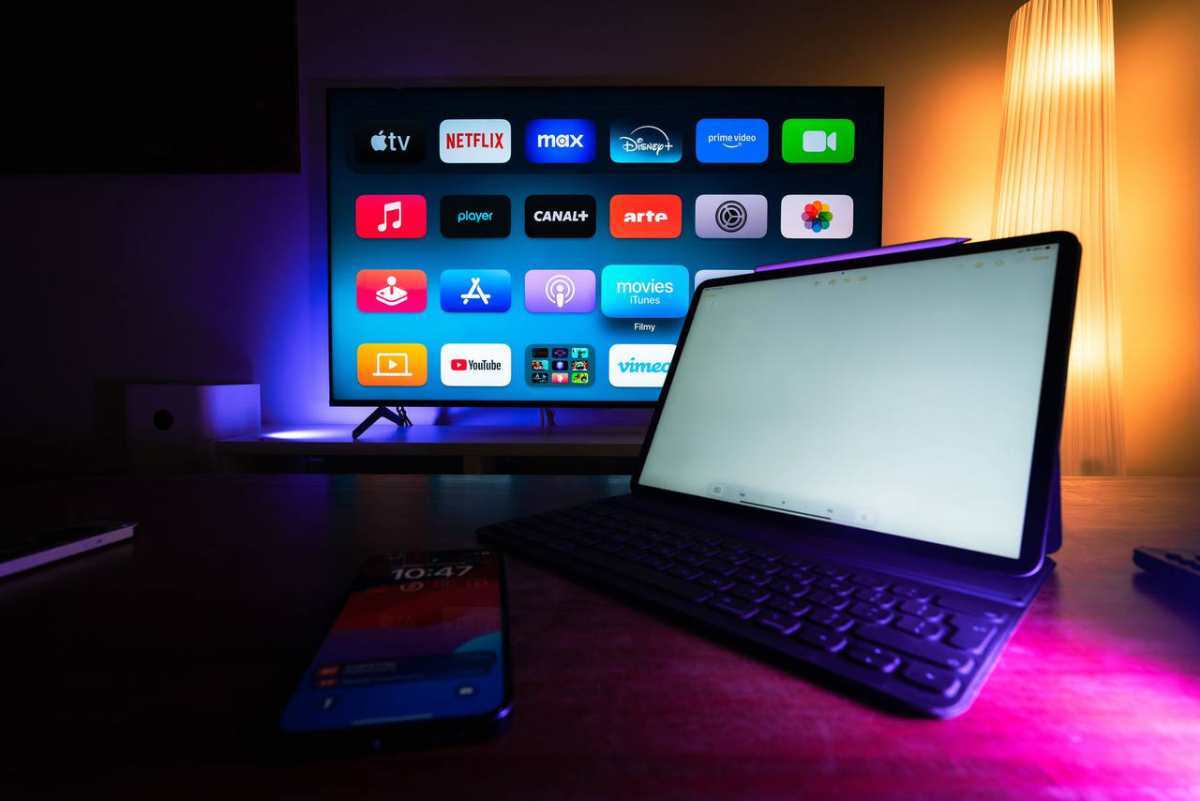
Understanding How IPTV Works
IPTV uses internet protocols to transmit digital television content to compatible devices. Rather than receiving television signals through conventional broadcasting infrastructure, users access video streams through an internet connection.
The technology can support several types of entertainment, depending on the provider. These may include live television, on-demand movies, television series, and other digital programming.
Unlike traditional television systems, internet-based delivery can offer greater flexibility in how content is accessed. Viewers may be able to watch supported programming through Smart TVs, computers, tablets, smartphones, and dedicated streaming devices.
This flexibility has made IPTV an interesting option for consumers who prefer modern digital entertainment.
Why More People Are Exploring Internet Television
Convenience is one of the major reasons behind the growing interest in internet-based television.
Traditional broadcasting generally follows fixed schedules. Although this format still works well for many viewers, modern lifestyles often require more flexible entertainment arrangements.
Internet streaming can provide additional viewing options, allowing users to access supported content at different times and through multiple devices.
Another advantage is the integration of television with existing digital technology. Many households already have broadband connections, Smart TVs, and connected devices, making internet-based entertainment easier to explore.
Choosing the Right Streaming Platform
Not every streaming platform provides the same experience. Some focus on live television, while others concentrate on movies, series, or specialized programming.
Before selecting a service, consumers should identify their entertainment priorities.
Important factors include content availability, device compatibility, video quality, subscription costs, and customer support.
It is also essential to check whether the provider has the appropriate distribution rights for its advertised content.
A platform should offer transparent subscription conditions and explain its features without making unrealistic promises.
The Role of Streaming Applications
Streaming applications help users access and organize digital entertainment.
Some applications function as media players, allowing viewers to manage compatible playlists and streaming sources through a convenient interface.
For example, Vivimate is a name associated with IPTV player technology and may be relevant to users researching streaming applications and their features.
It is important to understand that an IPTV player and an IPTV content provider are not necessarily the same thing. A player organizes and plays compatible streams, while content access depends on an authorized provider.
Understanding this distinction helps consumers make better decisions when exploring digital television solutions.
Device Compatibility and Performance
Device compatibility plays an important role in determining whether a streaming platform is suitable for a household.
Some applications are designed for Android-based devices, while others support Smart TVs, computers, or mobile operating systems.
Before purchasing a subscription or installing an application, users should check the official compatibility requirements.
Hardware performance is another important consideration. Older streaming devices may struggle with modern video formats or demanding applications.
Keeping software updated and using compatible hardware can help improve the overall experience.
Improving Your Internet Connection
Since IPTV relies on internet connectivity, network quality can influence playback performance.
An unstable connection may cause buffering, interruptions, or automatic reductions in video resolution.
Several practical steps can help improve network conditions:
- Use a broadband connection with sufficient bandwidth.
- Place the wireless router in a central location.
- Avoid unnecessary network congestion.
- Consider an Ethernet connection for more stable connectivity.
- Update router firmware when updates are available.
- Restart network equipment when persistent connection problems occur.
These steps can help users maintain a more consistent streaming environment.
Understanding Streaming Quality
Video quality is another important factor when evaluating entertainment platforms.
Standard-definition content requires less bandwidth than high-definition or ultra-high-definition video.
However, higher resolution does not always guarantee better performance. The quality of the source, streaming infrastructure, display capabilities, and network connection all influence the final picture.
Consumers should choose settings that match their devices and available internet speeds.
A reliable service should provide consistent playback rather than focusing entirely on promotional resolution claims.
Security and Privacy Considerations
Digital entertainment platforms should be evaluated not only for their features but also for their security practices.
Before creating an account, users should review the provider's privacy policy and understand how personal information is collected and used.
Strong passwords, updated applications, and trusted download sources are basic precautions that can reduce common digital risks.
Consumers should also be cautious when providing payment details to unfamiliar platforms.
The Future of Internet-Based Television
Streaming technology continues to develop as broadband infrastructure and connected devices improve.
Future platforms may offer better content discovery tools, more personalized recommendations, improved video compression, and increasingly intuitive interfaces.
Artificial intelligence could also help viewers discover programs based on their interests and previous viewing activity.
As consumer expectations evolve, internet-based television is likely to remain an important part of the entertainment industry.
Conclusion
IPTV represents an important development in the evolution of television entertainment. Its internet-based delivery system offers flexibility and supports a wide range of connected devices.
However, choosing a suitable service requires careful research into content licensing, streaming quality, device compatibility, pricing, and privacy.
By understanding the technology and evaluating available options responsibly, consumers can make better decisions about their digital entertainment experiences.