The short answer: the best eSIM for staying connected around the world is the plan that matches your itinerary, not the one with the longest feature list. For a trip spanning several countries, a single global profile is far simpler to manage than installing a new one at every border.
That convenience, however, is not the same as value. A worldwide plan removes the hassle of juggling multiple profiles, yet regional and single-country eSIMs often deliver more data for less money. Before choosing, it helps to understand how the three types of travel eSIM actually differ.
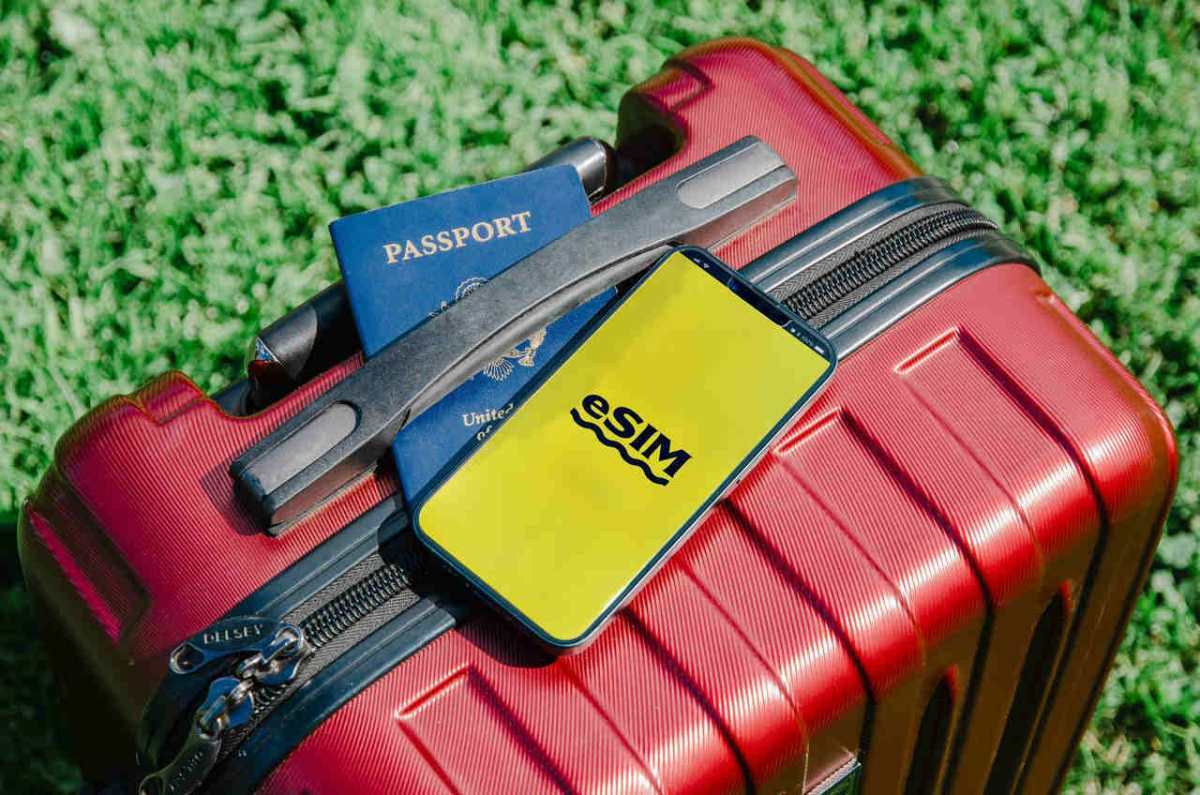
Global, regional or single-country: which eSIM fits your trip
Global eSIMs are built for itineraries that cross continents. They let you land in Madrid, continue to Singapore and finish in Sydney on one data profile, with no reinstalling along the way. The typical trade-off is price, since worldwide plans usually cost more per gigabyte than narrower options.
Regional eSIMs cover a defined area such as Europe or Asia. They make sense when every stop on your route falls inside one region, because they frequently undercut the worldwide price while offering similar or larger data allowances. What varies is the country list attached to each specific product.
Single-country eSIMs are the cheapest route for a stay in one destination, often with generous data at a low rate. The catch is equally obvious: once you cross a border, the profile may simply stop working. Travellers visiting neighbouring countries sometimes combine a regional plan with a country-specific one.
What Orange Travel's World eSIM actually offers
Orange Travel currently lists a World eSIM with 20GB of data valid for 30 days, plus 15 minutes of calls and 50 texts, at a promotional price of €29.99 on its product page, a concrete picture of what a modern global plan offers.
One figure deserves careful handling. Orange Travel advertises more than 200 destinations across its overall catalogue, but that number describes the full product range, not the coverage of this specific World plan. Worldwide never means every country, so always check the plan's own country list against your itinerary.
Prices and allowances in this market move constantly. Before publication or purchase, verify the figures on the product page: the current price, the data allowance and the exact list of supported countries. A plan that fits a route today can look meaningfully different a month from now.
A simple decision rule before you buy
If your trip spans several continents, check whether the World plan covers every single stop. One missing country breaks the logic of a single global plan, so either add a small country-specific eSIM for that leg or choose a different worldwide option altogether. Coverage first, convenience second.
If your trip stays within one region, compare the regional offer's data allowance and price instead. A Europe or Asia plan will usually beat the worldwide price for the same volume of data, and you sacrifice nothing, because every destination on your route sits inside the covered area.
Two practical checks remain before paying. Confirm that your phone is unlocked and eSIM-compatible, since carrier-locked handsets reject foreign profiles. Then check when the plan's validity begins: many travellers assume the 30 days start at purchase, when the clock often starts at first activation in the destination country.
Two questions travellers always ask
Does a global eSIM work in every country? No. Every plan, whatever its name, is backed by a fixed list of countries and partner networks, and coverage inside those countries varies too, with cities usually better served than remote areas.
Does Orange Travel's World eSIM include calls and texts? Yes. The current offer lists 15 minutes of calls and 50 texts alongside the 20GB data bundle, a useful fallback when data-only messaging apps are unavailable or when you need to reach a local number directly.
Finally, wherever this content is published as part of a commercial arrangement, that relationship should be disclosed openly, and every figure should stay next to its source. Transparent, well-sourced reviews are simply easier to trust.