Some residents in skilled nursing facilities need more attention because of serious health conditions or limited independence. They may face a greater chance of falls, pressure injuries, or sudden medical problems. Without proper assessments and care plans, these risks can lead to avoidable harm.
High-risk residents also require closer attention from nursing staff when their condition changes. A treatment plan that worked during admission may no longer meet their needs after an illness or hospital visit. Facilities need to identify these changes early and adjust care before complications develop.
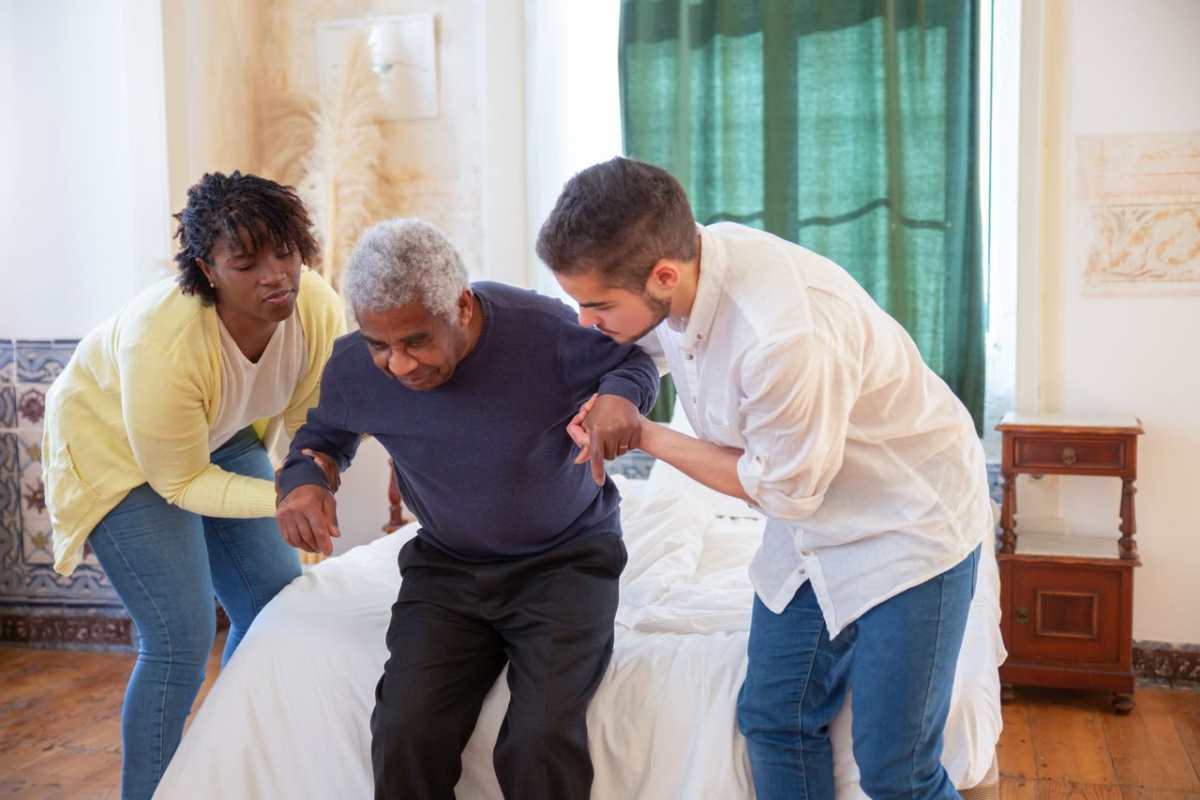
What Makes a Resident High-Risk in a Skilled Nursing Facility?
High-risk residents are those with medical conditions or care needs that increase their chances of injury or serious health complications. Their risk level depends on their current condition, not age alone. Some residents face several risks at once, making their care harder to manage.
Common risk factors include:
- Limited mobility: Difficulty walking or changing positions without assistance.
- Cognitive impairment: Dementia or confusion that affects judgment and safety.
- Multiple medications: Greater chances of drug interactions or adverse effects.
- Poor nutrition: Reduced food intake that affects healing and physical strength.
- Chronic illnesses: Conditions that require frequent monitoring and treatment.
- Previous injuries: A history of falls or pressure injuries that calls for closer assessment.
- Swallowing difficulties: Problems that increase the risk of choking or aspiration.
A resident’s risk level can change during their stay. New symptoms or medication changes may require another assessment, even if the resident was considered stable at admission.
Essential SNF Risk Management Strategies for High-Risk Residents
A structured SNF risk management program helps facilities identify residents who need closer monitoring and more specific care plans. It also gives nursing teams a process for responding when existing care is no longer appropriate. The following strategies address common problems associated with high-risk residents.
1. Conduct Individual Risk Assessments
Every resident arrives with different medical needs and physical abilities. Admission assessments should identify existing conditions and the support required during daily care. Staff should also review recent hospital records and current medication orders.
Assessments should continue throughout the resident’s stay. A person recovering from pneumonia may experience weakness that increases their fall risk. Nursing staff need to recognize such changes before continuing with the previous care plan.
2. Develop Care Plans Based on Specific Risks
A care plan should describe the assistance each resident needs during daily activities. Residents with poor balance may need staff support when walking, while those with limited mobility may require regular repositioning. These instructions should reflect findings from the resident’s assessment.
Problems arise when care plans contain general instructions without accounting for individual needs. A resident with a recent hip fracture may require different transfer assistance than someone with mild mobility problems. Nursing staff should have access to the current plan and follow its instructions during care.
3. Strengthen Fall Prevention Practices
Falls remain a serious concern among residents with mobility problems or impaired judgment. Some injuries occur when residents attempt to leave their beds without assistance. Others happen during routine transfers when the required support is unavailable.
Fall prevention measures should reflect each resident’s abilities and behavior. Staff may need to review footwear, walking aids, and the assistance required during transfers. A fall should also prompt reassessment of the resident’s condition and the existing prevention plan.
4. Prevent Pressure Injuries Through Regular Skin Monitoring
Residents who spend long periods in bed or wheelchairs may develop pressure injuries. Limited movement can place continued pressure on vulnerable areas of the body. Poor nutrition or reduced blood circulation may further increase the risk.
Nursing teams should assess skin conditions and follow appropriate prevention plans. Some residents may need pressure-relieving surfaces or help changing positions. New redness or skin damage requires timely assessment and appropriate follow-up care.
5. Monitor Medications and Changes in Health
Residents taking several medications may experience side effects that affect their daily activities. Some medications can cause dizziness or changes in alertness. Others require monitoring because they affect blood pressure or blood glucose.
Medication reviews become especially important after hospital discharge. Staff should reconcile new orders with the resident’s existing medication list and clarify any differences. Nursing teams should also report concerning symptoms that may relate to treatment.
6. Improve Monitoring for Residents With Cognitive Impairment
Residents living with dementia may struggle to recognize safety concerns or explain their needs. Some may attempt to walk without assistance despite significant mobility problems. Others may struggle to describe pain or changes in their health.
Care plans should account for the resident’s behavior and usual abilities. Staff can monitor changes in sleep patterns or confusion that may indicate a new medical problem. A sudden behavior change deserves clinical assessment rather than being automatically attributed to dementia.
7. Establish Clear Procedures for Medical Emergencies
High-risk residents may experience sudden changes that require urgent medical attention. Breathing difficulties or a rapid decline in alertness can indicate a serious medical problem. Delayed assessment may affect the resident’s chances of recovery.
Facilities need procedures to identify and respond to these situations. Nursing staff should know when to contact the physician or emergency services. Medical records should also document when staff identified symptoms and how the care team responded.
Documentation and Incident Reporting for High-Risk Residents
Medical records are particularly important for residents whose conditions change frequently. Nursing notes should reflect relevant assessments and the care provided during each shift. Missing information can make it difficult for the next team to understand recent concerns.
Incident reports should also describe the circumstances surrounding an unexpected event. For example, a fall report should document the resident’s condition and the immediate response. The investigation may then identify needed changes to the resident’s care plan.
Facilities can review these records through their Quality Assurance and Performance Improvement (QAPI) programs. The Centers for Medicare & Medicaid Services describes QAPI as an ongoing process for identifying problems and improving nursing home care. Reviewing incident patterns can help facilities determine where existing prevention measures need further attention.
Improving Family Communication for High-Risk Residents
Families may not fully understand how a resident’s medical conditions affect their daily care. A resident with advanced dementia may continue to face fall risks despite receiving appropriate supervision. Discussing these concerns early gives families a clearer picture of the resident’s condition.
Communication should continue when the resident’s needs change. Staff may need to explain a new treatment plan or discuss complications following a hospital admission. These conversations can become important if questions arise about the care provided.
Facilities can use specialized services to support family education and risk documentation. Informed Medical helps skilled nursing facilities share condition-specific information with residents and families and document important risk discussions. Its platform supports electronic acknowledgments and can store communication records in PointClickCare.
This documentation shows what information was shared and when a family received it. However, communication records do not replace clinical assessments or appropriate treatment. Residents must continue to receive care based on their medical needs and applicable standards.
Conclusion
High-risk residents often need closer monitoring because their medical conditions can change during their stay. Facilities must recognize these changes and provide care based on current assessments. Fall prevention measures and timely medical attention can reduce avoidable complications.
Accurate documentation also lets nursing teams review past concerns and respond to new problems. Family communication should remain part of the care process, particularly when a resident’s condition worsens. Regularly reviewing these practices can help skilled nursing facilities improve resident safety and reduce liability exposure.