Dubai’s property market is large enough that presentation quality can affect real commercial decisions. A 3d architectural visualization company in Dubai now works much earlier in the development cycle, often before a sales gallery, model apartment, or finished facade exists. The 3d rendering company in Dubai can help developers show kitchens, wardrobes, hospitality interiors, and branded residences before production begins. This shift matters because the market keeps expanding. Dubai Land Department reported more than 270,000 real estate transactions worth over AED 917 billion in 2025, a 20% year-on-year rise in value. At that scale, photorealistic visualization is no longer a decorative extra. It is a practical tool for explaining design intent, testing concepts, supporting sales teams, and giving buyers a clear picture of a property that may still be years from completion.
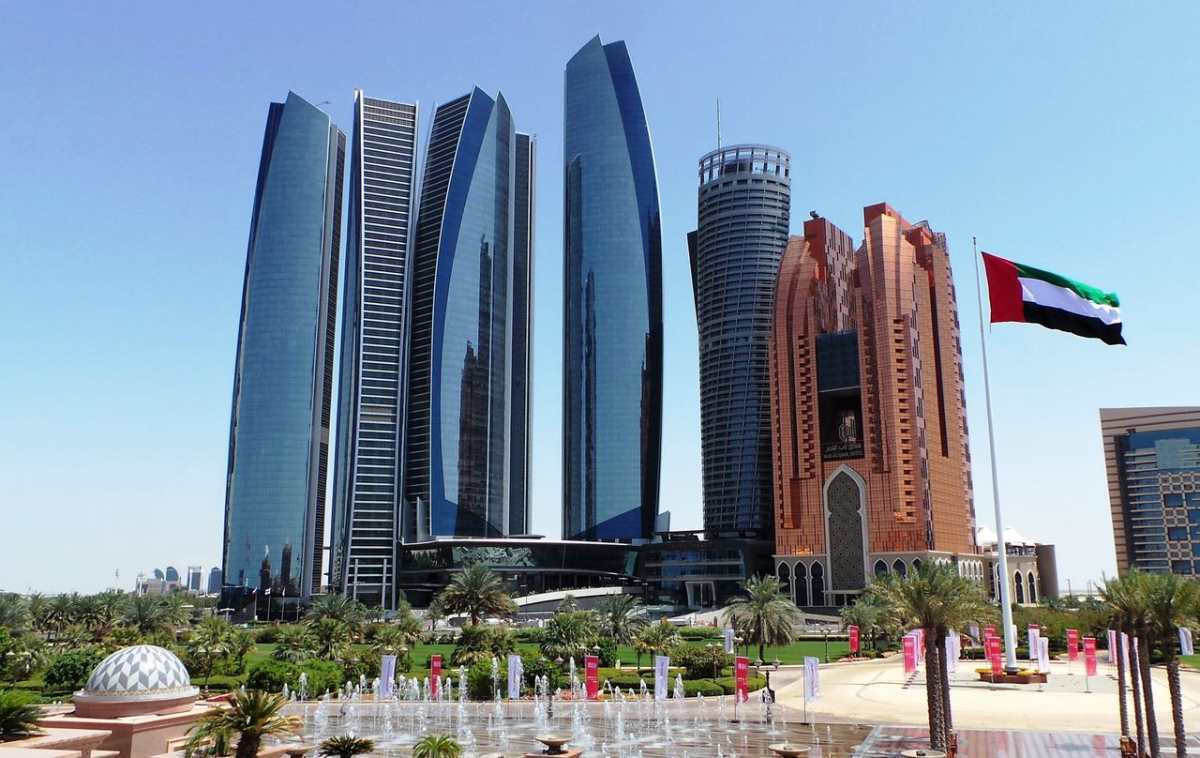
The Role of 3D Visualization in Off-Plan Sales and Investor Attraction
Off-plan property depends on trust because buyers commit to a home or investment before they can walk through the finished space. That makes photorealistic 3D renders, virtual tours, and interactive walkthroughs central to the sales process. Dubai Land Department recorded 132,500 off-plan project sales in 2025, showing how much of the market relies on pre-construction decision-making. International investors may compare several projects from another country, so they need visual material that explains scale, views, materials, layouts, and the relationship between private units and shared amenities. Some buyers start by comparing 3d visualization companies in Dubai to see how convincingly a project can be represented. Others look for a 3d visualizer company in Dubai that can produce consistent imagery across brochures, websites, sales galleries, and digital campaigns. Strong visuals do not replace due diligence, but they reduce uncertainty and make complex projects easier to understand remotely.
Modern Visualization Technologies Transforming Dubai Development
Property visualization technology has moved beyond static images. Developers now combine several formats so the same design data can support sales, planning, presentations, and stakeholder reviews. With 937 projects under construction in Dubai in 2025, according to the Dubai Land Department, scalable visualization workflows have practical value. A buyer may first see a still image, then explore a unit in real time, while the developer uses the same underlying model for internal coordination. Teams comparing 3d rendering services in Dubai increasingly expect this broader production range rather than a small set of hero images.
- Immersive Virtual Reality (VR) and Augmented Reality (AR) walk-throughs let buyers explore rooms, terraces, amenities, and views at a human scale before construction is complete.
- High-resolution 3D interior and exterior CGI rendering engines produce detailed materials, realistic daylight, landscaping, reflections, and furniture that can hold up across large-format marketing use.
- Real-time digital twin technology can connect master-planned community models with live or simulated data, helping teams study assets, infrastructure, movement, and future operational scenarios.
- Cinematic 3D animation reels and 360-degree interactive floor plans add movement and user control, making large developments easier to explain than a sequence of static plans.
This wider toolkit is one reason 3D rendering companies in Dubai are often involved across several stages of a project, rather than delivering only final marketing images.
Streamlining Design Approvals and Mitigating Construction Risks
Visualization also has a less visible role: it helps project teams find problems before they become expensive site issues. A detailed model can expose awkward sightlines, clashes between architectural elements, inconsistent facade modules, poor furniture clearances, or lighting choices that look different in context than they did on a material board. In complex developments, 3d rendering Dubai workflows can sit alongside BIM and technical coordination, giving non-technical stakeholders a clearer way to review proposed changes. The value is not that a render replaces engineering documentation. It does not. The value is that a realistic visual can make design consequences easier to spot and discuss. Firms working on 3d renderings for Dubai projects can also test alternative materials, daylight conditions, and landscape treatments before procurement. For municipal or client approvals, clearer visual evidence may reduce back-and-forth because the intended result is easier to understand before groundbreaking.
Marketing Luxury Lifestyles and Brand Identity in a Competitive Market
Luxury real estate is sold through atmosphere as much as area. Buyers want to understand how a penthouse feels at sunset, how a lobby frames arrival, or whether a villa’s interior language matches the promise of the brand. That is where 3D visualization Dubai work becomes visual storytelling. The strongest images control small details: the warmth of indirect lighting, the softness of fabrics, the density of landscaping, the view beyond the glazing, and the balance between architecture and furniture. This matters in a market where luxury investment remains substantial. Dubai Land Department reported AED 87.71 billion in luxury real estate investment in the first quarter of 2026, up 26% year on year. For developers assessing 3d architectural visualization companies in Dubai, consistent art direction is therefore as important as technical realism. Buyers are evaluating more than square meters. They are evaluating an expected lifestyle and the credibility of the brand presenting it.
Future Outlook of Architectural Visualization in the UAE
The next stage will be faster, more interactive, and more closely connected to property data. AI-assisted rendering workflows can already speed up concept variations, image cleanup, material exploration, and early-stage ideation, while real-time engines reduce the gap between a working 3D model and a client-ready experience. Firms competing under searches such as 3d rendering companies Dubai will need to combine visual craft with stronger data and automation skills. A 3d rendering company Dubai may increasingly deliver live configurators, dynamic unit views, and reusable digital assets rather than a fixed package of images. Even the awkward search phrase render dubai points to a broader demand for fast visual production across property, hospitality, retail, and infrastructure. This direction also aligns with Dubai’s Real Estate Sector Strategy 2033, which targets a 70% increase in transactions and a market value of AED 1 trillion while explicitly promoting AI, data centralization, and digital investor experiences.
Conclusion
3d architectural visualization in Dubai has moved from the edge of property marketing into the core development workflow. It helps buyers understand off-plan projects, gives international investors a more complete basis for comparison, and lets design teams communicate decisions before they reach the construction site. The same applies to architectural 3D visualization across Dubai for large master plans, where scale and complexity make clear visual communication especially useful. For sales teams, architectural rendering Dubai supports a consistent story across digital campaigns, brochures, sales centers, and investor presentations. For developers, it can reduce ambiguity around design intent and make revisions easier to evaluate. As Dubai continues to combine rapid development with a more digital real estate ecosystem, visualization will become more connected to live data, interactive tools, and AI-supported production.