A truck parts store can carry thousands of products and still struggle to help customers find the right component. A mechanic may search by manufacturer part number, a fleet manager may need to check compatibility across several vehicles, and an individual truck owner may only know the year, make, and model.
The challenge is not simply catalog size. It is how product information, vehicle fitment, search, inventory, and ordering workflows work together.
For truck parts retailers, ecommerce agencies can help organize complex product data, improve parts discovery, connect inventory systems, and build purchasing experiences for both retail and trade customers.
This guide compares nine ecommerce agencies with relevant experience in automotive catalogs, Shopify development, B2B commerce, platform migrations, and systems integration. The focus is on documented capabilities and practical fit rather than treating every agency as an automotive specialist.
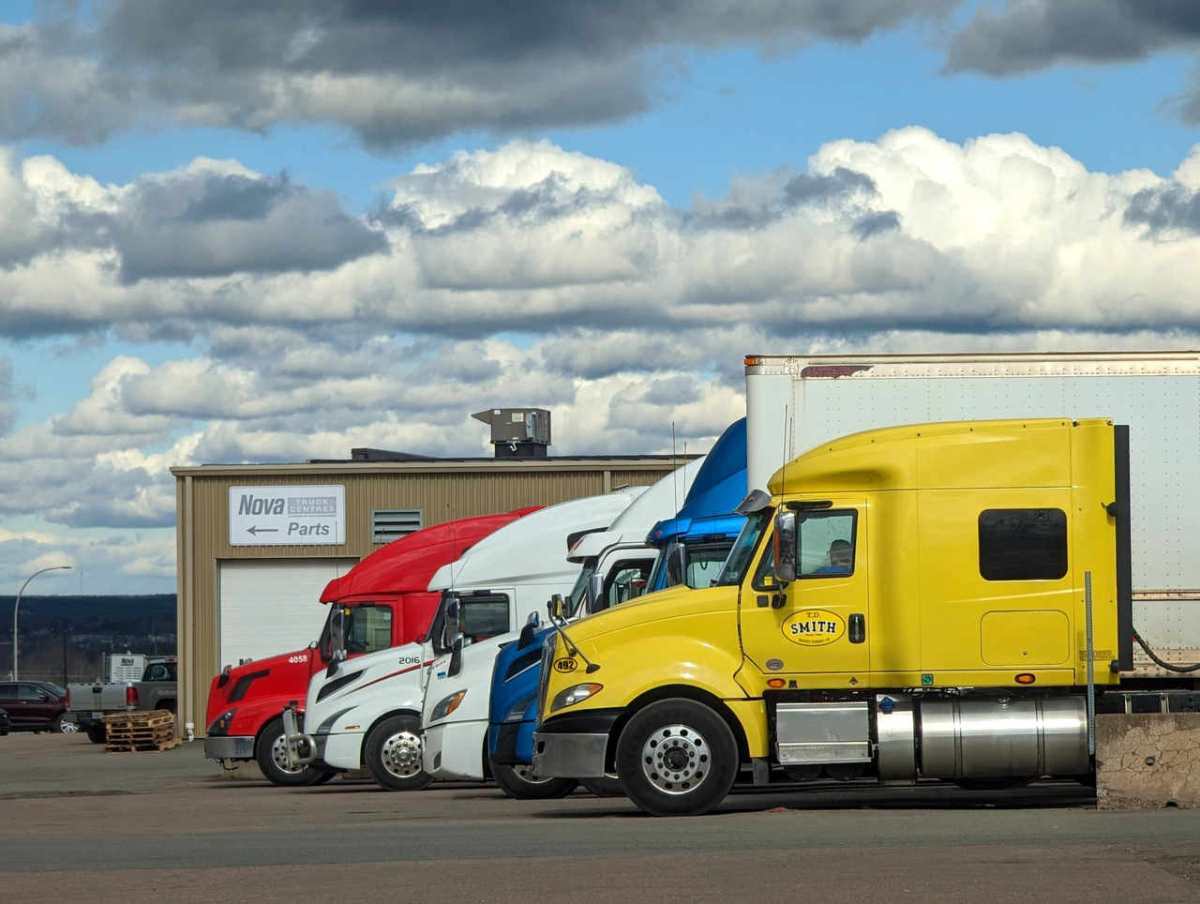
Best Ecommerce Agencies for Truck Parts Stores at a Glance
| Agency | Best for | Relevant expertise |
|---|---|---|
| Fyresite | Complex automotive fitment and product discovery | Shopify automotive catalogs, vehicle lookup, custom product logic |
| Uncap | Automotive distributors and wholesale operations | B2B commerce, ERP integration, fitment |
| IWD Agency | Technical automotive catalogs | Multi-platform development and vehicle compatibility |
| Codal | Multi-brand automotive businesses | Catalog architecture, search, shared product management |
| scandiweb | Enterprise catalog integrations | PIM, ERP, Shopify development |
| Absolute Web | Large catalog redesigns | Ecommerce UX, integrations, custom development |
| Netalico | Shopify catalog usability | Product discovery, navigation, conversion optimization |
| Swanky | Catalog migrations and B2B commerce | Shopify migrations, systems integration |
| Eastside Co | Customer-facing storefront improvements | Shopify development, UX, wholesale commerce |
1. Fyresite — Best for Complex Automotive Fitment and Product Discovery
Fyresite is a Shopify Premier Partner with experience developing ecommerce stores for automotive brands managing complex catalogs and vehicle compatibility requirements.
Its automotive ecommerce development services cover Year/Make/Model and Year/Make/Engine fitment, custom product selection, integrations, and Shopify Plus development.
One relevant example is Chassis Unlimited, where Fyresite migrated a truck accessories business from Magento to Shopify Plus and developed a vehicle finder to help customers identify compatible products.
For Diesel Power Products, the agency rebuilt Year/Make/Engine search using Algolia and a custom indexing pipeline connecting product, variant, and fitment information.
Fyresite also offers Parts Intelligence, supporting automotive compatibility validation and vehicle-aware purchasing workflows.
Best suited for: Truck parts retailers and automotive aftermarket brands that need custom vehicle-based product discovery and complex catalog functionality.
Consideration: Businesses should define their vehicle-fitment requirements, catalog data sources, and integration priorities early to help shape the implementation.
2. Uncap — Best for Automotive Distribution and Wholesale Commerce
Uncap is a Shopify-focused ecommerce agency working with manufacturers, distributors, and brands selling through wholesale and direct-to-consumer channels.
Its automotive experience includes work for Kooks, where Shopify commerce was combined with automotive product discovery and trade purchasing requirements.
Uncap also offers Uncap Garage, a Shopify application designed to help automotive merchants manage vehicle-to-product relationships and provide fitment-based shopping experiences.
Beyond vehicle selection, the agency works with ERP integrations, product information systems, dealer purchasing, and account-specific commerce requirements.
This combination is relevant for truck parts distributors managing large assortments while serving repair shops, resellers, and individual customers.
Best suited for: Automotive distributors combining vehicle fitment, wholesale purchasing, and backend business systems.
Consideration: Businesses should establish where product, inventory, and customer pricing information will be maintained before beginning integration work.
3. IWD Agency — Best for Technical Automotive Catalogs
IWD Agency provides ecommerce development across Shopify, Adobe Commerce, BigCommerce, and other commerce architectures.
Its automotive services include vehicle fitment, product discovery, technical catalog development, and compatibility-related functionality.
Truck parts stores frequently need to accommodate several ways of identifying the same product. Some buyers know the exact part number, while others search by vehicle or component specification.
IWD's automotive experience makes it relevant for businesses evaluating how those different discovery methods should work together.
The agency also works with B2B commerce and platform migrations, which can be important for established parts businesses replacing older ecommerce infrastructure.
Best suited for: Automotive businesses requiring technical catalog development across different ecommerce platforms.
Consideration: Evaluate the proposed platform and compatibility data structure using representative products from the existing catalog.
4. Codal — Best for Multi-Brand Automotive Catalogs
Codal is a digital commerce and technology agency with experience developing complex ecommerce systems.
Its work for Automotive Parts Group involved a multi-brand aftermarket environment, shared product management, and advanced search functionality.
For automotive businesses operating several brands or storefronts, catalog complexity often extends beyond the number of SKUs.
Different brands may share product records, specifications, inventory sources, or operational systems while maintaining separate customer experiences.
Codal's experience with multi-brand architecture makes it relevant for organizations trying to organize these relationships without maintaining completely separate product infrastructures.
Best suited for: Automotive groups and distributors managing several brands, catalogs, or ecommerce storefronts.
Consideration: Define which product information should be shared across brands and which must remain independently managed.
5. scandiweb — Best for Enterprise Catalog and Systems Integration
scandiweb provides ecommerce development, platform migrations, product information management services, and enterprise integrations.
Its Shopify work includes connecting commerce operations with external systems, including ERP and PIM platforms.
For a truck parts distributor, these integrations can be essential. Product descriptions and technical specifications may originate in a PIM, while inventory availability, purchasing records, and fulfillment information are maintained in an ERP.
Connecting those systems helps create a consistent shopping and ordering experience without requiring teams to maintain the same information in several places.
scandiweb is particularly relevant when catalog management is part of a broader enterprise technology project.
Best suited for: Established ecommerce businesses connecting Shopify with product information and operational systems.
Consideration: Document data ownership and synchronization requirements before implementing integrations.
6. Absolute Web — Best for Large Catalog Redesigns
Absolute Web is an ecommerce agency providing Shopify development, UX design, custom functionality, and systems integration.
Its portfolio includes projects involving complex product information, storefront consolidation, and connections to backend business systems.
For truck parts businesses, a catalog redesign often involves more than changing navigation menus.
Product categories may need restructuring, technical specifications may require clearer presentation, and different customer groups may need distinct purchasing experiences.
Absolute Web's broader ecommerce development capabilities make it relevant for businesses addressing several of these requirements within one project.
Best suited for: Established parts retailers undertaking a substantial ecommerce redesign or platform modernization.
Consideration: Include representative technical products and real customer searches in the discovery process.
7. Netalico — Best for Improving Shopify Catalog Usability
Netalico specializes in Shopify development, ecommerce UX, conversion optimization, and ongoing technical support.
Its services cover product discovery, navigation, mobile shopping experiences, and custom storefront functionality.
These capabilities are useful for parts businesses whose existing catalogs contain the necessary information but make it difficult for customers to find or compare products.
For example, a truck parts store may need clearer filters for dimensions, product types, or manufacturers. Product pages may also need better presentation of technical specifications and compatibility information.
Netalico is a relevant option when improving the existing Shopify shopping experience is a priority.
Best suited for: Shopify merchants improving catalog navigation, product presentation, and purchasing usability.
Consideration: Separate problems caused by incomplete product data from those caused by storefront design.
8. Swanky — Best for Catalog Migrations and B2B Integration
Swanky is a Shopify agency offering platform migrations, ecommerce development, technical discovery, and systems integration.
Its Natural Instinct B2B migration involved moving an established commerce operation to Shopify and connecting Sage through Patchworks.
Although this project was not automotive-specific, it demonstrates experience with the operational side of a complex ecommerce migration.
Truck parts businesses moving from another platform may face similar requirements around product data, wholesale accounts, inventory synchronization, and order processing.
Swanky is relevant for merchants planning a platform transition alongside improvements to their B2B operations.
Best suited for: Established parts businesses combining a Shopify migration with wholesale and operational integration requirements.
Consideration: Include data mapping, system testing, and ongoing synchronization in the migration plan.
9. Eastside Co — Best for Shopify Storefront and Customer Experience Improvements
Eastside Co provides Shopify design, development, platform migrations, and third-party integrations.
Its services include B2B commerce and wholesale purchasing functionality alongside consumer-facing ecommerce development.
For truck parts retailers, this broader Shopify experience can be useful when the main objective is improving how customers navigate and purchase from an existing catalog.
A professional buyer searching by exact part number may need a faster route to checkout than a retail customer comparing compatible accessories.
Designing those journeys around different purchasing behaviors can make a large catalog easier to use.
Best suited for: Shopify merchants redesigning their storefront and improving retail or wholesale customer experiences.
Consideration: Include both exact-part searches and vehicle-led browsing in the project requirements.
Why Large Truck Parts Catalogs Require More Than Basic Search
A catalog containing 50,000 SKUs is not necessarily more complicated than one containing 10,000.
Complexity often comes from the relationships between products, vehicles, technical specifications, and replacement references.
Consider a replacement component that fits several truck models but has different applications depending on engine configuration.
A basic keyword search may retrieve the product, but it cannot independently establish whether the component is compatible with a particular vehicle.
That requires accurate compatibility information and a product discovery experience capable of interpreting it.
The same issue appears with manufacturer references. A buyer may enter an OEM part number while the retailer lists the product under a distributor SKU.
Without reliable cross-reference information, the correct product can remain difficult to find even when it is available.
Three Ways Truck Parts Customers Search for Products
| Customer type | Typical starting point | Important ecommerce functionality |
|---|---|---|
| Repair shop | Manufacturer or OEM part number | Exact-part search and cross-references |
| Truck owner | Year, make, model, or engine | Vehicle fitment and compatibility information |
| Fleet purchasing team | Product category and technical requirements | Specifications, availability, and efficient ordering |
These shopping journeys should influence how an agency structures the catalog.
A store designed entirely around vehicle selection can create unnecessary steps for professional buyers who already know the required part number.
Conversely, a catalog built only around product codes may be difficult for customers who need help identifying compatible components.
The strongest approach accommodates different starting points while connecting them to consistent product information.
How to Evaluate an Ecommerce Agency for a Truck Parts Business
Start with product data. Before reviewing designs, identify how the existing catalog stores manufacturer references, vehicle compatibility, specifications, and replacement relationships. An agency needs to understand those records before proposing search or filtering functionality.
Test real purchasing journeys. Provide several representative products and ask how a customer would find each one. Include an exact part-number search, a vehicle-based search, and a product with multiple compatible applications.
Review integrations. Determine which systems manage inventory, pricing, product information, and orders. The ecommerce platform should receive reliable information from those systems.
Consider B2B requirements. Repair shops and distributors may need account-specific pricing, repeat ordering, or purchasing workflows that differ from those used by retail customers.
Plan for catalog maintenance. New supplier products, discontinued components, and updated compatibility records will continue to appear after launch. The agency should explain how the business will manage those changes.
Frequently Asked Questions
What makes truck parts ecommerce different from standard ecommerce?
Truck parts ecommerce frequently depends on vehicle compatibility, technical specifications, manufacturer references, and large product assortments. Customers may also include repair shops, distributors, and fleet operators with different purchasing requirements.
What is vehicle fitment in ecommerce?
Vehicle fitment connects products with the vehicles or applications they are compatible with. It helps customers narrow a catalog using details such as year, make, model, engine, or other relevant specifications.
Do truck parts stores need a PIM?
Not every business needs a dedicated product information management system. A PIM becomes more useful when retailers manage large assortments, multiple supplier feeds, complex product attributes, or several sales channels.
Which agencies are particularly relevant for automotive fitment?
Fyresite, Uncap, and IWD Agency publish automotive ecommerce capabilities involving vehicle compatibility and parts discovery. The appropriate choice depends on the catalog, platform, and purchasing requirements.
Final Thoughts
Choosing an ecommerce agency for a truck parts business requires understanding what makes its catalog difficult to manage and shop.
Fyresite is particularly relevant for Shopify-based automotive fitment and custom product discovery, while Uncap combines automotive commerce with wholesale and integration requirements. IWD Agency brings broader platform experience, and Codal is worth considering for multi-brand catalog architecture.
Other agencies on the list offer relevant experience in enterprise integrations, migrations, storefront design, and catalog usability.
The most useful comparison is not which agency offers the longest list of services. It is which team has experience solving the specific catalog, compatibility, and purchasing problems the business faces.
About the Author
Mika Kankaras is a B2B SaaS writer with over six years of experience covering marketing automation, AI workflows, customer experience software, and business technology. She specializes in evaluating software and translating complex product features into clear, practical insights for business users.