Starting a print-on-demand business in 2026 is easier than ever, but choosing the right platform can still be a challenge. With dozens of providers offering different products, fulfillment networks, integrations, and pricing models, finding the best fit for your business requires more than simply picking the most popular option.
The good news is that today’s leading print-on-demand platforms make it possible to sell custom products without managing inventory, handling production, or shipping orders yourself. Whether you’re planning to launch a clothing brand, sell tech accessories, create personalized gifts, or monetize your artwork, the right platform can help you get started faster and scale more efficiently.
In this guide, we’ll compare and review the 5 best print-on-demand platforms in 2026 based on their product selection, ease of use, fulfillment capabilities, integrations, and overall value for beginners. By the end, you’ll have a clearer understanding of which platform is best suited to your goals and the type of print on demand products you want to sell.
Why Choosing the Right Print-on-Demand Platform Matters
Not all print-on-demand platforms offer the same products, features, or fulfillment options. While some specialize in apparel, others focus on tech accessories, personalized gifts, artwork, or sustainable products. Choosing the right platform from the start can help you build a business that aligns with your niche, target audience, and long-term goals.
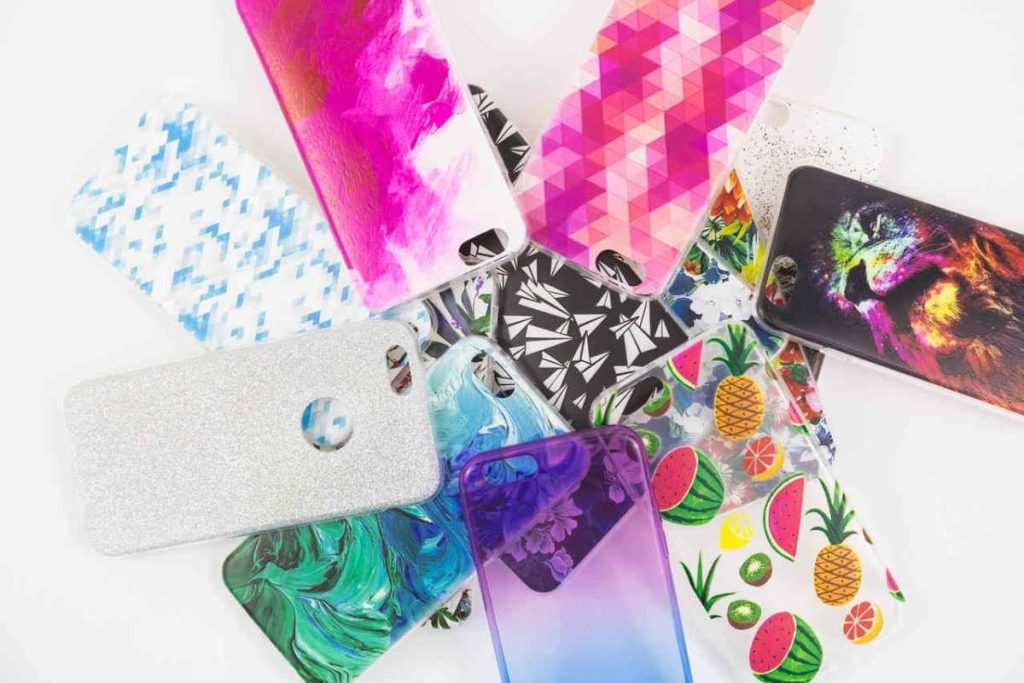
The platform you choose can also impact product quality, shipping times, branding options, and overall customer experience. For example, a seller focused on custom phone cases may benefit from a different provider than someone building a clothing brand or selling wall art.
By selecting a platform that matches your business needs, you’ll be in a better position to launch products efficiently, manage orders smoothly, and create a stronger brand as your store grows.
Comparison Table: The 5 Best Print-on-Demand Platforms in 2026
| Platform | Best For | Product Focus | Pricing | Main Strength |
|---|---|---|---|---|
| Podbase | Tech accessories and branded ecommerce stores | Phone cases, laptop covers, AirPods cases, mugs, wall art, desk mats | Free to start; product costs apply after orders | Strong niche focus on tech accessories |
| Printful | Branded ecommerce stores | Apparel, accessories, home products, and more | Free plan available; paid Growth and Enterprise plans available | Centralized fulfillment and strong integrations |
| Printify | Sellers who want supplier flexibility | Apparel, accessories, home products, and more | Free to use; Premium and Enterprise plans available | Large print partner network |
| Gelato | International sellers | Apparel, wall art, drinkware, stationery, cards, calendars | Free plan available; paid subscriptions available | Local production in 32 countries |
| Redbubble | Independent artists and designers | Art-led products, apparel, stickers, mugs, and more | Free to join; artist margins and account fees may apply | Built-in marketplace audience |
The 5 Best Print-on-Demand Platforms in 2026 — Compared and Reviewed
1. Podbase
Podbase is a strong choice for sellers who want to build a print-on-demand business around modern, practical, and high-demand tech accessories. Instead of focusing mainly on apparel, Podbase gives sellers access to customizable products such as phone cases, MacBook covers, AirPods cases, print on demand wall art, desk mats, mugs, and other branded items. This makes it especially useful for entrepreneurs who want to create a more focused store with products that are easy to position for gifts, lifestyle brands, creator merch, or ecommerce niches.
For beginners, Podbase is appealing because it removes many of the operational challenges that usually come with selling physical products. Sellers can start without inventory, connect their store through integrations such as Shopify, Etsy, WooCommerce, Order Desk, or Open API, and let Podbase handle printing, packing, and worldwide shipping. The platform also highlights fast fulfillment and a strong background in tech accessory production, which gives new sellers a clear direction when choosing print-on-demand products.
Podbase stands out most for its niche focus. While many POD platforms offer broad catalogs across apparel and home goods, Podbase is built around tech accessories and selected customizable products. This makes it a great option for sellers who want to build a professional-looking POD brand without getting lost in an overly broad product catalog.
Pros: Tech-focused product catalog, ecommerce integrations, no inventory, worldwide shipping.
Cons: Best suited for sellers who want to focus on tech accessories and selected customizable products.
Pricing: Free to start; product costs apply after an order is placed.
Compared and reviewed: Podbase is one of the best options for sellers who want a more focused POD business. Compared with broader platforms like Printful and Printify, it gives beginners a clearer niche direction, especially if they want to sell tech accessories, branded merchandise, and practical everyday products.
2. Printful
Printful is one of the most established print-on-demand platforms for sellers who want to build and manage their own ecommerce store. It offers a wide product catalog and handles the main fulfillment steps, including printing, packing, and shipping. This allows sellers to create custom products without buying inventory or managing production themselves.
The platform is especially useful for beginners who want an all-in-one fulfillment partner. Printful offers access to hundreds of custom products, automatic fulfillment, design and mockup tools, and integrations with many ecommerce platforms and marketplaces. This makes it suitable for sellers who want to test different product categories, from apparel and accessories to home and lifestyle products.
Printful is a strong fit for sellers who care about store ownership and brand presentation. Because it connects with ecommerce platforms and marketplaces, it works well for entrepreneurs who want to create their own customer experience instead of relying only on a marketplace.
Pros: Large product catalog, automatic fulfillment, strong ecommerce integrations.
Cons: Some product and fulfillment costs may be higher than budget-focused alternatives.
Pricing: Free plan available; Printful Growth and Enterprise plans are also available.
Compared and reviewed: Printful is best compared with Printify because both serve general ecommerce sellers. Printful offers a more centralized fulfillment experience, while Printify gives sellers more supplier choice.
3. Printify
Printify is a print-on-demand platform built around a global print provider network. Instead of producing everything through one centralized fulfillment system, Printify allows sellers to choose from different print providers based on product type, location, pricing, and availability. This gives store owners more control when deciding how they want to fulfill orders.
For beginners, Printify is useful because it offers flexibility. Sellers can use the platform for free, connect sales channels, publish designs, and access hundreds of products. It can be a practical choice for those who want to compare providers and find the right balance between cost, quality, and shipping options.
Printify is especially appealing to sellers who want to test multiple product types or scale with a more flexible fulfillment setup. However, because production depends on the selected print provider, sellers should review provider ratings, samples, and product details before launching.
Pros: Large print provider network, hundreds of products, flexible pricing options.
Cons: Product quality and fulfillment experience can vary by provider.
Pricing: Free to use; Premium and Enterprise plans are available.
Compared and reviewed: Printify is best compared with Printful. Printify gives sellers more supplier flexibility, while Printful offers a more centralized fulfillment model.
4. Gelato
Gelato is a global print-on-demand platform designed around local production. Its network includes production partners in multiple countries, allowing orders to be produced closer to customers whenever possible. This makes it a strong choice for sellers who plan to reach international audiences.
The platform supports a variety of products, including apparel, drinkware, wall art, stationery, cards, calendars, and accessories. It also integrates with major ecommerce platforms and marketplaces, including Shopify, Etsy, WooCommerce, TikTok Shop, Amazon, Wix, Squarespace, BigCommerce, and API. For beginners, this creates a flexible setup for launching products and automating order fulfillment.
Gelato is particularly useful for sellers who care about global reach and efficient delivery. Its local production model can help reduce long-distance shipping routes and support a smoother customer experience across different regions.
Pros: Local production in 32 countries, global fulfillment network, strong ecommerce integrations.
Cons: Product availability can vary depending on location and production network.
Pricing: Free plan available; paid subscriptions are available for additional tools and discounts.
Compared and reviewed: Gelato is best compared with Printful for sellers focused on international fulfillment. Printful offers a broad centralized POD setup, while Gelato emphasizes local production through its global partner network.
5. Redbubble
Redbubble is different from platforms such as Podbase, Printful, Printify, and Gelato because it operates as a marketplace for independent artists. Instead of connecting a separate ecommerce store, artists can upload their designs to Redbubble, apply them to products, and make them available to customers browsing the marketplace.
This makes Redbubble a practical choice for beginners who want to start selling artwork without building a full online store. The platform handles production, shipping, customer support, and marketplace infrastructure, allowing artists to focus on creating and uploading designs. Redbubble also states that artists can sell their art on more than 70 unique products.
Redbubble is best suited for creators who want marketplace exposure rather than full control over branding and customer experience. It can be a simple entry point for artists, illustrators, and designers who want to test whether their work connects with buyers.
Pros: Built-in marketplace, easy for artists to start, products produced to order and shipped worldwide.
Cons: Less control over branding and customer experience than running your own ecommerce store.
Pricing: Free to join; earnings are based on artist margins, and account fees may apply depending on account tier and sales.
Compared and reviewed: Redbubble is best compared with artist marketplaces such as Society6 rather than ecommerce POD platforms. It is a strong option for creators who want a built-in audience, while platforms like Printful, Printify, Gelato, and Podbase are better suited for sellers building their own stores.
How to Choose the Right Print-on-Demand Platform
Choosing the best print-on-demand platform isn’t just about finding the provider with the largest product catalog. The right choice depends on your business goals, the types of products you want to sell, and how you plan to reach customers. While some platforms are designed for independent artists, others focus on ecommerce store owners, tech accessories, apparel, or global fulfillment.
Before committing to a platform, it’s important to compare the features that will have the biggest impact on your business. A platform that works well for a clothing brand may not be the best option for someone selling custom phone cases or personalized gifts.
Key Features to Compare
1. Product Selection
Not every platform offers the same products. Some specialize in apparel, while others focus on tech accessories, home decor, artwork, or personalized items. Choosing a platform with products that align with your niche can make it easier to build a focused brand.
2. Ecommerce Integrations
If you plan to sell through Shopify, Etsy, WooCommerce, Amazon, or other sales channels, make sure the platform supports the integrations you need. For Shopify sellers, this guide to the top Shopify dropshipping apps can also help you find tools that support order management, fulfillment, and store growth.
3. Fulfillment and Shipping
Production speed and shipping options can directly affect the customer experience. Platforms with global fulfillment networks or local production partners may offer faster delivery in certain regions.
4. Pricing and Profit Margins
While many print-on-demand platforms are free to join, product costs vary. Comparing base product prices, shipping rates, and available discounts can help you understand your potential profit margins.
5. Branding Opportunities
Some platforms offer additional branding features such as custom packaging, branded inserts, private-label options, or personalized labels. These features can help create a more professional customer experience.
6. Ease of Use
Beginners should look for platforms with simple setup processes, intuitive dashboards, and helpful resources. A user-friendly platform can make it easier to launch products and manage orders efficiently as your business grows.
FAQ
1. What is the best print-on-demand platform in 2026?
The best platform depends on what you want to sell. Podbase is a strong option for tech accessories, Printful and Printify are better for broad product catalogs, and Gelato is useful for international fulfillment.
2. Is print-on-demand still profitable in 2026?
Yes, but profitability depends on product selection, pricing, design quality, shipping costs, and marketing. Choosing the right niche is just as important as choosing the right platform.
3. Which print-on-demand platform is best for beginners?
Beginners should look for platforms with easy setup, reliable fulfillment, clear pricing, and useful ecommerce integrations. Podbase, Printful, Printify, Gelato, and Redbubble all serve different beginner needs.
4. Do I need Shopify to start a print-on-demand business?
No. Shopify is popular, but some platforms also integrate with Etsy, WooCommerce, Amazon, or offer marketplace-based selling options.
5. What should I compare before choosing a POD platform?
Compare product selection, pricing, integrations, fulfillment locations, shipping options, branding features, and how well the platform matches your niche.