Keeping track of stock across multiple locations can feel like a puzzle. When items sit in different cities, you need a smart plan to keep things moving. These strategies help you stay organized without losing your mind. You can save time and money by making a few simple changes to your daily workflow. Small businesses and large firms alike benefit from staying agile and responsive. Managing a warehouse from a distance requires trust and clear communication. You need a solid plan to avoid shipping delays and unhappy clients.

Adopt Intelligent Automation
Modern software takes the heavy lifting out of counting items by hand. A recent blog post mentions that intelligent automation and live connectivity define the industry in 2026. Smart tools can track every movement from the moment a crate hits the dock. You can set up alerts that tell you when stock is low at a specific site. Using AI helps you predict which items will sell fastest in different regions. This means you won’t have dusty boxes sitting on shelves for months. Automation keeps your data clean and your warehouse staff focused on shipping orders.
Pick Strategic Storage Hubs
New Zealand businesses often need reliable hubs for their South Island operations. Many firms trust self storage specialists serving Timaru to keep their stock safe and accessible. This approach keeps delivery times short for local customers. You don’t have to ship everything from a central warehouse every single time. Storing stock in regional hubs reduces the risk of long-distance shipping delays. You can move smaller batches of products to these sites based on local demand. This setup works well for seasonal items or bulky equipment. Having a local presence improves your reputation with nearby buyers.
Implement Better Digital Systems
Old-school spreadsheets often lead to mistakes when your team grows. Recent data shows that firms cut extra stock by 25% when they use a proper system. These digital tools show you exactly what you have in every location at any moment. You spend less on items that are already sitting on a shelf somewhere else. Using these systems can save your business over $5000 in monthly overhead costs. Cloud-based systems allow your team to update stock levels from their phones or tablets. This keeps everyone on the same page, even if they are working in different time zones. A digital trail makes it much easier to handle audits and financial checks.
Focus On Real-time Visibility
Knowing your numbers across every sales channel is a huge win for productivity. One expert report says that linking data across sales channels makes everything visible and cuts down on mistakes. You can sync this data with your phone or CRM to stay updated as you travel. Clear data helps your team make better decisions during busy seasons. Visibility means you never have to guess if a product is actually in stock. When a customer calls, your sales team can give them an answer in seconds. This builds trust and keeps people coming back.
Use Quick Workflow Checklists
Standard routines help your staff manage stock in the same way at every site. You can use simple lists to keep everyone on the same page. Having a clear set of steps prevents confusion when new hires join the team. Consistency is the secret to a smooth operation.
- Scan every item as it enters or leaves the building.
- Audit your most popular products every week to check for shrinkage.
- Label every shelf with clear 2D barcodes for easy tracking.
- Update your digital records immediately after a sale.
- Check your return bin daily to get items back in stock.
These steps stop errors from piling up and causing big headaches later. Following a checklist makes the work feel faster and more manageable for everyone. You can even use these lists to train your seasonal staff and keep quality high.
Optimize Your Shipping Routes
Moving goods between sites can eat up your profits if you aren’t careful. You should look at which locations sell certain items the most. Grouping your shipments helps lower your transport costs and saves fuel. You can even use local couriers to handle the last mile of delivery for a faster turnaround. Try to avoid shipping half-empty trucks across the island. Consolidation helps you get the most value out of every delivery run. Efficient routes mean your products spend less time on the road and arrive in better condition.
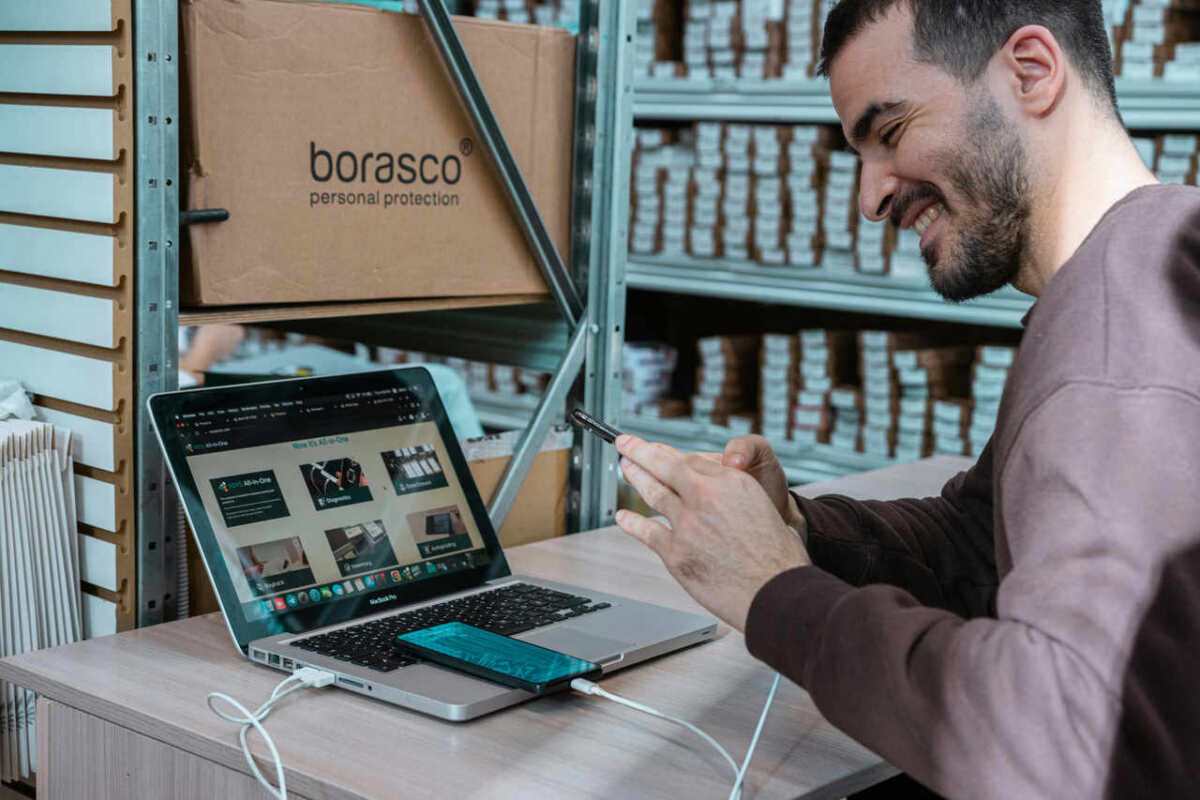
Moving your stock closer to your customers is a great way to grow. You can test new markets without spending a fortune on a massive warehouse. Using flexible spaces lets you expand or shrink your storage as your sales change. This keeps your business lean and ready for any challenge that comes your way next. Stay focused on your data and keep your processes simple. A distributed model offers the freedom to scale as fast as you want. Your inventory should work for you, not the other way around.