In the world of finance, understanding how to properly read a cheque is crucial for ensuring accurate transactions. Whether you're managing personal finances or overseeing business accounts, recognizing key cheque elements can help prevent errors and safeguard against fraud. This article will guide you through identifying essential cheque components, distinguishing between different types of cheques, understanding their security features, and verifying their authenticity. By mastering these skills, you'll enhance your financial literacy and ensure your transactions are reliable and secure.
How to Identify Key Elements on a Cheque
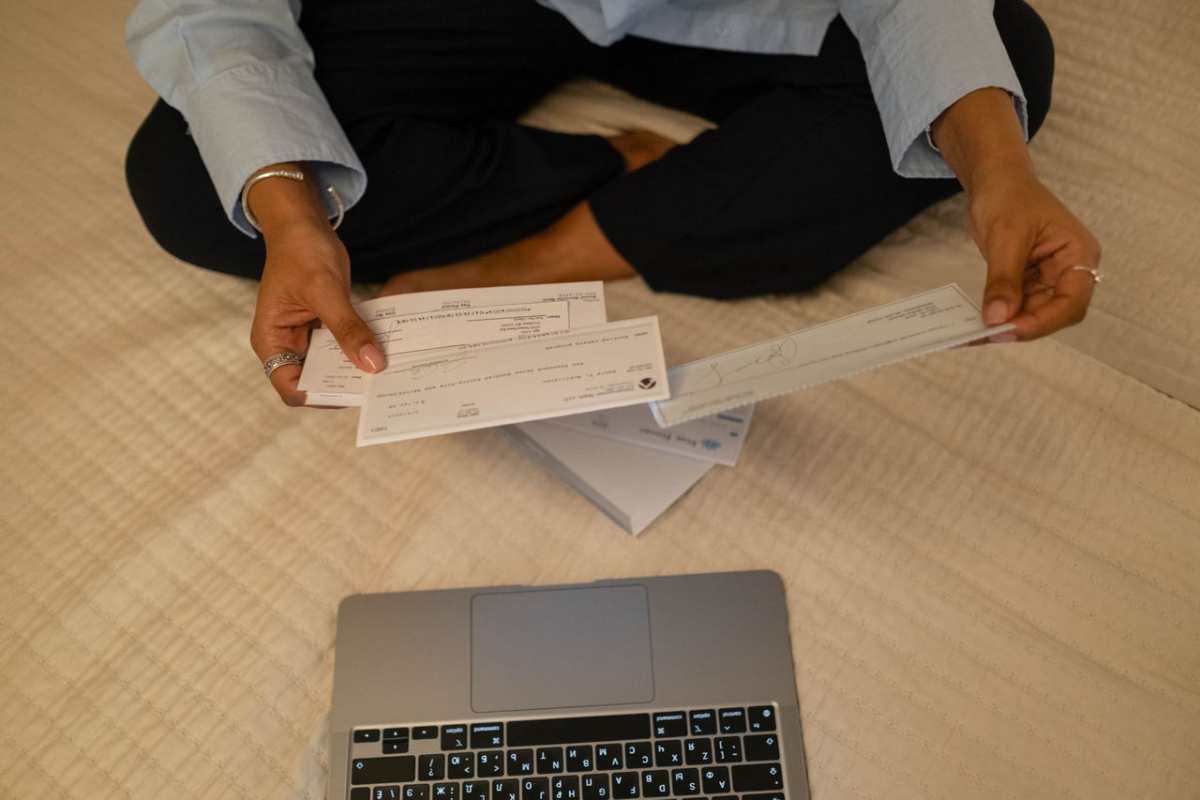
The first step in accurately processing cheques is identifying their key elements. Each cheque contains specific details, such as the payee's name, the amount in both numbers and words, and the issuer's signature. Additionally, cheque numbers, bank routing numbers, and account numbers are critical for ensuring the transaction is processed correctly. For those involved in high-volume financial operations, such as accountants or financial analysts, understanding these elements is part of their fiduciary duty to maintain accurate records and prevent discrepancies.
Moreover, recognizing these elements is essential for businesses that frequently deal with cheques. For example, a proper understanding of how to read a cheque can ensure that a company's asset allocation strategy remains intact by accurately recording payments and receipts. For a comprehensive guide on this, you can refer to How to Read Cheque.
Recognizing Different Types of Cheques
Cheques come in various forms, each serving a different purpose. Personal cheques are used for individual transactions, while business cheques often involve larger sums and more complex processing. Certified cheques guarantee payment and are often used in transactions where assurance of funds is crucial. Cashier's cheques, on the other hand, are issued by banks and offer a high level of security for the payee.
Understanding the differences between these types of cheques is essential for anyone involved in financial management. For instance, when implementing risk parity in investment strategies, knowing the type of cheque being processed can affect liquidity management and the overall balance of financial portfolios. Similarly, businesses engaged in tax loss harvesting might prefer certain cheque types for ease of accounting and audit trail creation.
Understanding the Security Features of Cheques
Security features on cheques are designed to prevent fraud and unauthorized alterations. Watermarks, microprinting, and holograms are common security elements that help verify a cheque's authenticity. Advanced security features may include heat-sensitive ink and security threads, which are harder to replicate and thus provide a higher level of protection.
For financial institutions and professionals, understanding these security features is vital for maintaining KYC compliance — a set of standards ensuring that financial transactions are conducted securely and transparently. Enhanced security measures also assist in satisfying regulatory requirements and protecting against credit default swap fraud, where fraudulent cheques could result in significant financial liabilities.
Tips for Verifying Cheque Authenticity
Verifying the authenticity of a cheque is critical to avoiding financial loss and ensuring smooth transactions. Start by examining the cheque's physical features — check for any signs of tampering, such as altered amounts or mismatched fonts. Contacting the issuing bank to confirm the cheque's validity is another effective strategy. Additionally, using online tools to verify routing and account numbers can help detect fraudulent cheques.
Incorporating these verification steps into your financial processes can help prevent margin calls, which occur when there are insufficient funds to cover a transaction. This is particularly important for businesses managing complex transactions, such as those involved in the securitization process, where the flow of funds needs to be meticulously tracked and verified.
Conclusion
Mastering the ability to read and verify cheque information is a valuable skill for anyone involved in finance. By understanding cheque elements, recognizing different types, and employing security and verification techniques, you can ensure accurate and secure transactions. For those in (not provided), this knowledge supports effective financial management and protects against potential fraud.