Introduction
The way people work has changed dramatically over the past decade. Employees are no longer limited to a single computer in a traditional office environment. A typical workday may involve a desktop computer, a smartphone, a tablet, cloud applications, and multiple communication channels.
This flexibility creates new opportunities, but it also introduces a challenge: keeping information accessible and communication consistent across different devices.
Whether a business operates with remote teams, international partners, or hybrid employees, effective digital workflows depend on more than just having access to technology. The tools people use must work together naturally and support the way teams actually communicate.
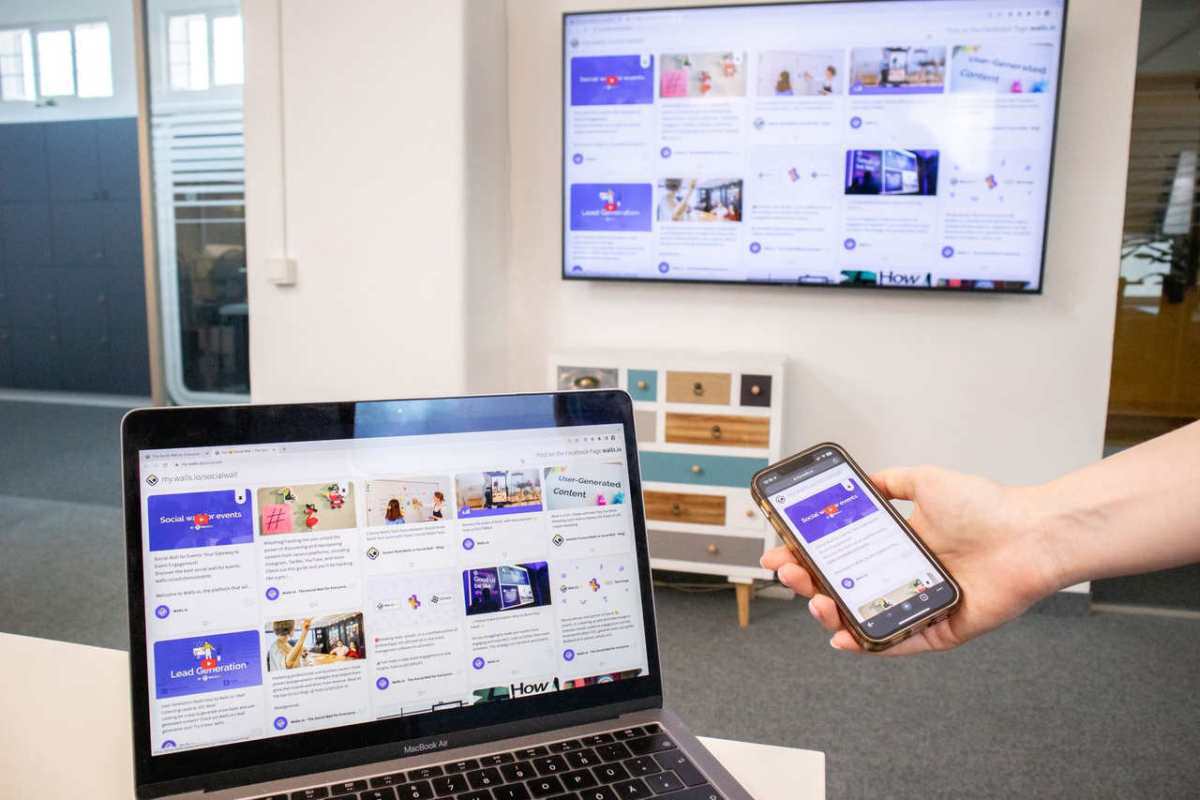
Cross-device communication has become an important part of modern productivity because it helps users stay connected while moving between different devices and work environments.
The Rise of Multi-Device Work Environments
Modern professionals rarely complete all tasks on one device.
A marketing specialist may review campaign data on a laptop, respond to customer questions from a smartphone, and share documents through cloud services. A project manager may coordinate with remote employees while switching between business applications, messaging conversations, and online meetings.
This change has created a demand for technology that supports continuity.
Users expect information to remain available regardless of whether they are working from a desktop computer, mobile device, or another connected environment.
For businesses, this means productivity is no longer only about individual applications. It is about how effectively different tools fit together into a complete workflow.
Why Communication Has Become Part of Digital Productivity
Communication used to be considered a separate activity from productivity. Today, the two are closely connected.
A large amount of daily business work happens through conversations, including project updates, document sharing, customer questions, scheduling, and communication with suppliers and partners.
For distributed teams, communication speed can directly influence decision-making.
The goal is not simply to send more messages. The goal is to create a communication environment where the right information reaches the right people at the right time.
Desktop Communication Helps Users Stay Productive
Although mobile devices have become central to everyday communication, desktop environments continue to play an important role for professional users.
A larger screen, physical keyboard, easier file management, and better multitasking capabilities make desktop communication valuable for longer conversations and more complex tasks.
The important factor is not whether desktop or mobile is better. Each device serves a different purpose.
Managing Communication Across Different Languages and Regions
As businesses become more global, communication challenges are no longer limited to devices.
Language and regional preferences also influence how people interact with digital tools.
A company may have employees in different countries who use different languages, search behaviors, and interface preferences. Localization helps remove these barriers.
For Chinese-speaking users, especially those in Hong Kong and Taiwan, language preferences can significantly improve the overall experience when using international communication applications.
Localization is not only about translation. It is about creating a smoother experience for people who use technology in different cultural and professional environments.
The Challenge of Managing Multiple Devices
Having multiple connected devices creates convenience, but it also creates responsibility.
Users and businesses should consider access management, file organization, and notification management to ensure connected environments remain efficient.
A connected environment should make work easier, not create additional distractions.
Security and Privacy in Connected Workflows
As digital communication becomes more integrated into daily operations, security becomes increasingly important.
Communication tools often contain valuable information, including business discussions, customer details, shared files, project information, and personal conversations.
Good security practices include protecting account credentials, reviewing active sessions, avoiding suspicious links, keeping applications updated, and understanding privacy settings.
Technology works best when supported by responsible usage habits.
Building Better Digital Workflows for Modern Teams
The future of productivity is not about using more applications. It is about creating better connections between the tools people already rely on.
Successful digital workflows usually share several characteristics:
• Information is easy to access.
• Communication channels have clear purposes.
• Devices work together smoothly.
• Security practices are consistent.
• Employees understand how tools should be used.
The Future of Cross-Device Communication
Technology continues to move toward more connected experiences.
Artificial intelligence, cloud computing, and automation are already changing how people manage information and communicate with each other.
Future communication workflows will likely focus on smarter information organization, improved cross-device experiences, stronger privacy controls, more personalized user experiences, and better integration between digital tools.
Final Thoughts
Cross-device communication has become an essential part of modern digital workflows.
As professionals move between computers, smartphones, and other connected devices, communication tools must provide flexibility, reliability, and security.
By combining better device management, thoughtful communication habits, and secure technology practices, businesses and individuals can build more efficient digital environments for the future.