Running a warehouse well is crucial for businesses that want to improve operations and increase productivity. Today, warehouses must handle inventory accurately and fill orders quickly. With the right strategies, businesses can make their warehouses run smoothly. It’s not just about storing items; it’s about creating an area that improves workflow, lowers errors, and adapts to changing needs.
Let’s look at how to optimize a warehouse for maximum efficiency.
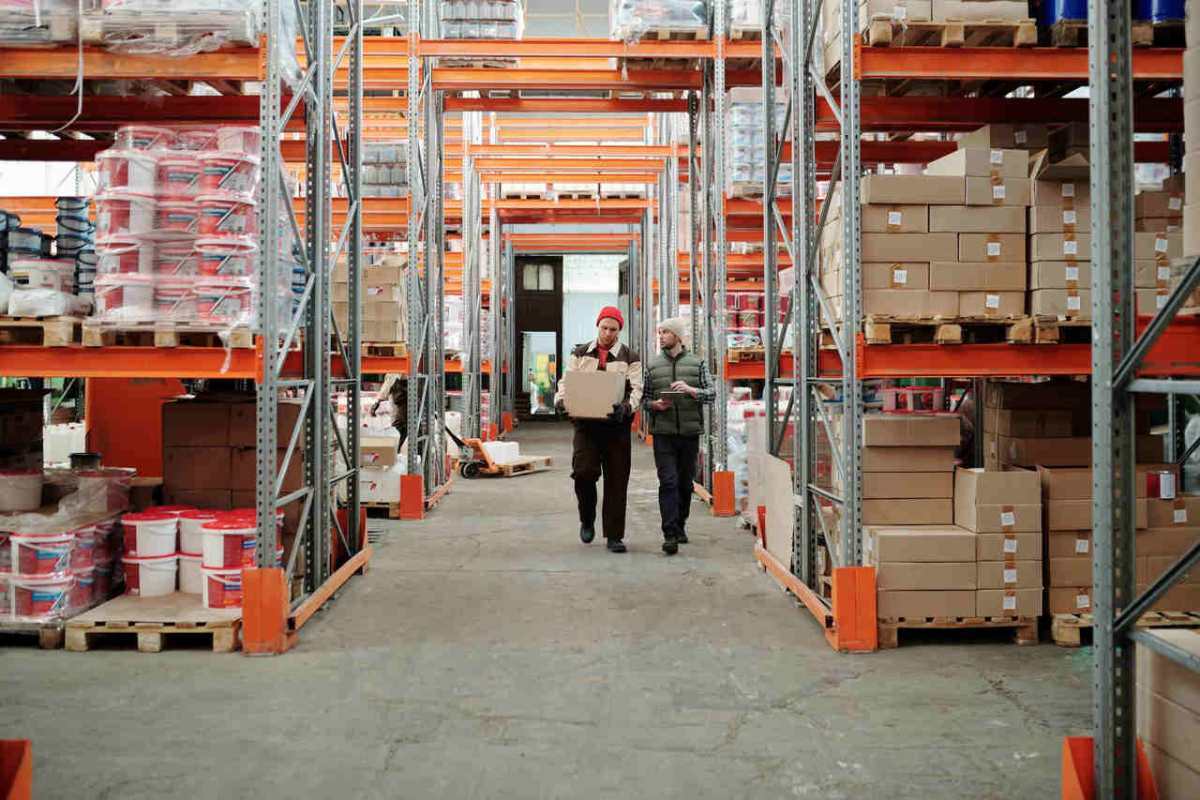
Integrate Technology
Adding technology can greatly improve warehouse efficiency. Use inventory management systems, barcode scanners, and pick-to-light systems to keep track of stock levels in real time and make picking easier. These tools provide accurate inventory information, enabling timely restocking and reducing excess stock.
Consider using automation as well. Automated guided vehicles can move materials throughout the warehouse easily, helping staff and ensuring items are in their correct places. Reducing manual handling increases efficiency and lowers the risk of damage or injury.
Prioritize Safety
A safe warehouse operates more efficiently. Putting safety rules in place creates a work environment where employees feel safe. Clear paths, good lighting, and proper signs can help reduce risks. Regular training on equipment use ensures staff can operate tools safely and effectively.
A double scissor lift is useful here. They help move heavy goods to different heights safely and efficiently. Their design offers a stable platform that raises equipment, allowing employees to reach higher shelves without danger. Investing in this kind of equipment supports efficiency while keeping employee safety a priority, making these lifts important in any warehouse.
Improve Workflow
Look at and improve workflows to boost warehouse performance. Mapping out processes can help identify bottlenecks or inefficiencies. For example, if some items are often ordered together, store them close to each other to speed picking.
Training staff on best practices can also lead to improvements. When everyone knows their role and how the workflow works, the environment runs more smoothly. Regularly checking processes allows for adjustments based on trends or changes in orders, keeping the warehouse in sync with business needs.
Use Space Wisely
Start by using space as effectively as possible. Organize products to make the most of both vertical and horizontal space. Shelving units that go higher allow you to store more items without needing more floor space.
Consider adjustable shelves and racks that can change as product lines change. Clear signs in the warehouse help employees find areas quickly, speeding up the picking process. When workers can easily locate items, it saves time and reduces order mistakes.
Pallet Lift Use
Pallet lifts are essential tools for moving heavy loads in a warehouse. They make it easier to transport pallets filled with products. Unlike traditional forklifts, pallet lifts are simpler to use and take up less space, which is ideal for smaller warehouses or crowded areas.
Pallet lifts help workers move goods quickly, increasing productivity. They also create a safer work environment since workers can handle heavy items without straining themselves. Using pallet lifts can improve workflows and reduce employee fatigue, leading to better efficiency.
Regular Inventory Checks
Checking inventory regularly is crucial for managing a warehouse. Frequent checks can identify differences between actual stock levels and what’s in the system, catching problems early.
Cycle counts, which involve counting selected items instead of doing a full inventory, can save time and cause less disruption. This method keeps stock levels accurate and promotes accountability among staff as they handle products regularly.
Employee Engagement and Training
Engaging employees in the optimization process is important. Their feedback can lead to practical improvements. Regular training helps staff stay updated on equipment, procedures, and safety.
Encouraging feedback makes employees feel valued and more committed to their work. When employees are engaged, morale and productivity improve, contributing to a successful warehouse operation.
Optimizing a warehouse is an ongoing effort that requires focus and flexibility. Key steps include using technology effectively, making the best use of space, and prioritizing safety. These actions enhance efficiency and create a workplace where employees can succeed.
Implement Sustainable Practices
Businesses need to adopt sustainable practices in warehouse management. These practices help improve efficiency and reduce environmental impact. Going green can save money and improve operations.
Start by checking how much energy your warehouse uses. Switching to energy-efficient lighting, like LED lights, can cut electricity costs. You should also consider using climate control systems to optimize heating and cooling, which can lower energy expenses.
Consider using renewable energy sources, such as solar panels, to power warehouse operations. This not only decreases reliance on non-renewable energy but can also lead to long-term savings on utility bills.