Severe weather hits without warning, leaving structural damage in its wake. High winds, heavy hail, and driving rain test the exterior limits of any home. Spotting early signs of damage stops minor leaks from turning into massive repair bills. Walking around your property after a severe storm reveals subtle warning signs. Looking closely at your ceiling, gutters, and roofline protects your home investment.
Check Your Property Exterior from Ground Level
A thorough post-storm check always starts on the ground with a quick visual sweep around the property perimeter. Local roofing contractors recommend scanning the yard for shingle granules or broken debris that fell during heavy winds. Looking up toward the roofline reveals bent flashing, lifted shingles, or bent metal trim.
Hail impacts create small circular dark spots where protective shingle granules scrub off. Missing shingle sections leave exposed underlayment vulnerable to moisture penetration. Catching these surface defects early prevents structural deterioration inside your home.
Walking around the perimeter with binoculars allows you to inspect high roof slopes safely. Dented gutters or split downspouts often indicate that shingles took heavy hail damage during the storm.
Inspect Gutters and Downspouts for Granule Buildup
Gutters accumulate runoff water and collect loose debris washed down during heavy rainfall. High wind speeds combined with pounding hail knock asphalt granules directly into gutter troughs. Finding heavy sediment deposits in downspout exits indicates advanced shingle wear.
An insurance industry guide notes that roofs over 20 years old usually require a complete inspection before policy approval. Older roofing materials lose granules faster when severe hail strikes your property. Clogged drainage channels force standing water backward under shingle edges, causing hidden rot.
Clearing gutter troughs right after a storm allows water to drain freely away from your foundation. Excessive granule accumulation inside gutters means shingles have lost their protective outer layer.
Search Attic Spaces for Hidden Moisture
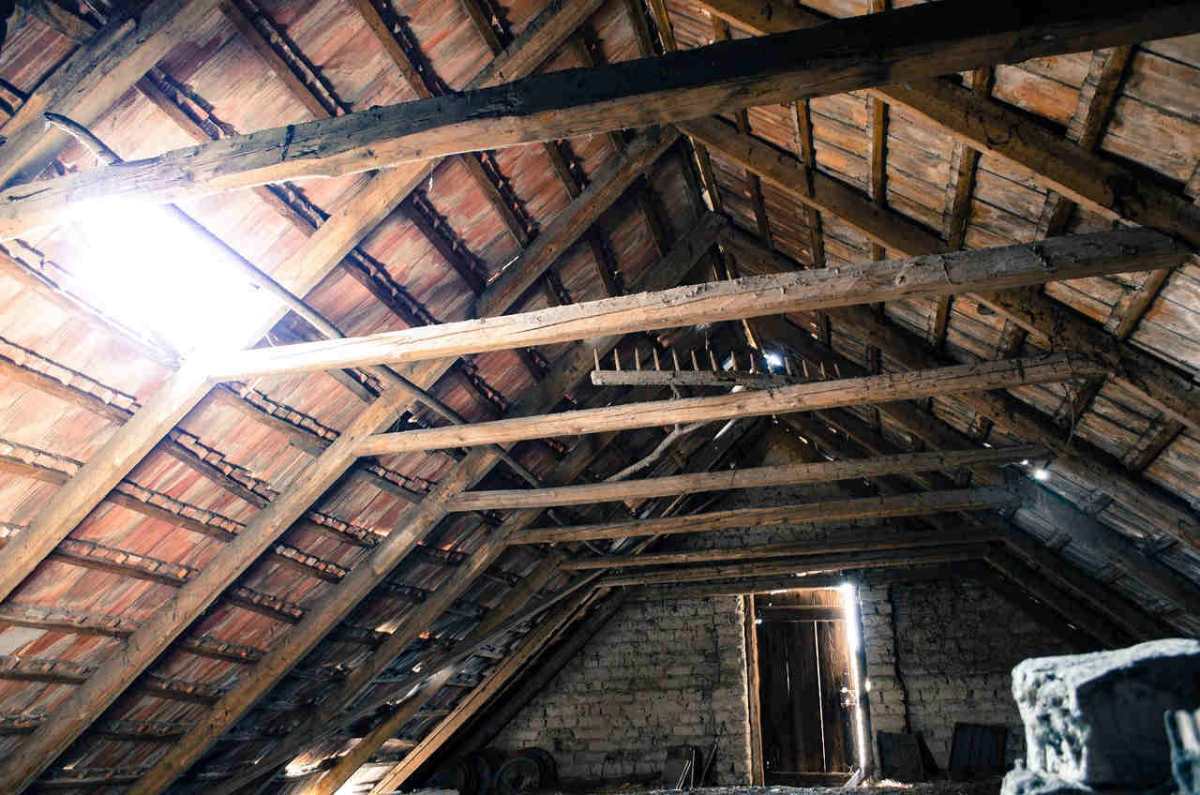
Checking the roof from outside only tells half of the story after severe weather. Heading up into the attic space reveals hidden water intrusion points before ceiling drywall shows stains. Daylight peeking through roof boards indicates structural gaps created by wind uplift.
A university agricultural extension report advises property owners to inspect wooden rafters and trusses for crushed or split timber after severe storms. Heavy structural stress from high winds weakens support beams without displaying exterior damage. Dark water rings on interior insulation signal active leaks that require fast repairs.
Musty odors inside attic spaces often point to damp insulation hidden behind structural framing. Checking attic rafters with a flashlight helps locate small damp spots along the underside of roof sheathing.
Common Signals of Exterior Wind Damage
High wind gusts generate strong uplift force along roof edges and ridge lines. Spotting storm damage early requires knowing what signs to look for on outer surfaces.
- Missing or torn shingle strips along roof edges.
- Cracked, dented, or missing ridge cap shingles.
- Bent soffit panels and damaged fascia boards.
- Dented metal vents, chimneys, or pipe boots.
Strong gusts peel unsealed shingle tabs back, exposing nail heads to moisture. Water seeping around exposed fasteners eventually causes interior ceiling spots.
Inspecting roof valleys is critical because wind-driven rain concentrates in these drainage pathways. Missing valley seals quickly allow water to penetrate underlayment layers during subsequent rainstorms.
Examine Chimneys, Flashing, and Vent Pipes
Metal flashing directs water away from roof seams, chimneys, and vent pipes. High winds twist metal seals out of alignment, creating tiny openings for rainwater. Heavy hail strikes crack neoprene boots around vent pipes, allowing water seepage.
Rusted or loose flashing strips fail to channel heavy rain off the roof slope. Checking flashing points after every major storm keeps water out of exterior walls. Small openings around roof penetrations quickly expand if severe weather continues.
Inspecting chimney mortar joints reveals cracks caused by flying storm debris or heavy winds. Broken mortar allows moisture to enter behind roof flashing, creating hidden leak pathways inside walls.
Take Action Fast After Heavy Storms
Documenting roof issues right after a severe weather event helps streamline insurance claims. Taking clear photographs of ground-level debris, dented gutters, and indoor leaks builds solid proof. Timely documentation protects your policy rights when filing damage claims.
Scheduling a formal roof evaluation identifies subtle defects missed during casual observations. Minor maintenance tasks completed early keep small storm defects from escalating into full roof replacements. Keeping your home protected starts with thorough post-storm checks.
Comparing post-storm photos with older home photos helps prove when storm damage occurred. Fast record-keeping ensures claims move smoothly through evaluation procedures without unnecessary delays.
Check Interior Ceilings and Walls for Water Stains
Water entering through damaged shingles eventually travels down structural framing into living areas. Small brown circles on upstairs ceilings indicate water accumulation above the drywall. Catching interior dampness early prevents ceiling sagging and mold growth.
Peeling paint along top wall seams shows moisture migrating through wall cavities. Moisture meters help identify hidden water pockets behind plaster before visible discoloration occurs. Routine checks of upper floors ensure leaks get fixed before causing costly structural decay.
Staying vigilant after severe weather protects your home from cumulative water damage. Regular visual inspections catch tiny shingle cracks, bent flashing, and gutter granule accumulation early. Addressing small repairs keeps structural timbers dry and strong for years to come. Property upkeep remains simple when you catch storm damage right after it occurs.