Fasteners are essential components in mechanical assemblies, ensuring that parts remain securely connected during operation. While bolts and conventional screws are commonly used in many applications, certain situations require a fastening solution that can hold components firmly without a protruding head. This is where grub screws become particularly useful.
A grub screws is a headless threaded fastener designed to secure one component against another, typically by applying pressure to a shaft or other mating surface. Also known as a set screw, it is commonly used to lock gears, pulleys, collars, and other rotating components in place without requiring a nut. Because the screw sits flush with or below the surface after installation, it is well suited for compact mechanical assemblies where space is limited.
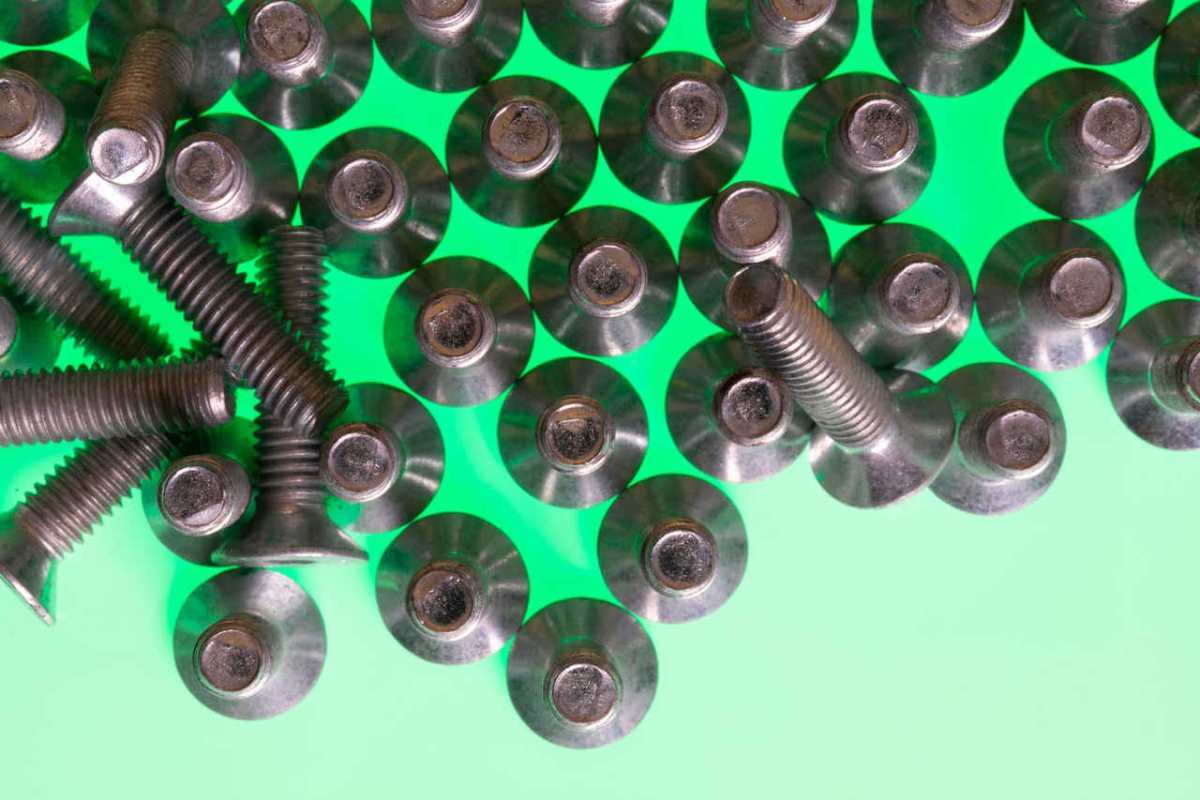
How Grub Screws Work
Unlike conventional screws that clamp two materials together, a grub screw works by tightening directly against a shaft or another component. As the screw is tightened, its tip applies pressure that prevents movement or rotation between the connected parts.
Most grub screws feature an internal hex (Allen) drive, although slotted and Torx drive options are also available. Their fully threaded design allows them to be installed completely inside a threaded hole, creating a clean and compact fastening solution. Depending on the application, different point styles can be selected to provide either stronger holding power or minimise surface damage.
Common Applications
Grub screws are widely used across industries because they provide reliable fastening without increasing the overall dimensions of an assembly.
Typical applications include:
- Electric motors
- Gearboxes
- Pulleys and gears
- Shaft collars
- Conveyor systems
- Automotive components
- Machine tools
- Industrial automation equipment
They are particularly useful in rotating machinery, where preventing movement between a shaft and mounted component is essential for maintaining accurate positioning and efficient power transmission. Their compact design also makes them suitable for assemblies with limited installation space.
For engineers, maintenance professionals, and manufacturers comparing fastening solutions, exploring grub screws can provide insight into different sizes, materials, thread types, and point styles suitable for various industrial applications.
Choosing the Right Grub Screw
Selecting the correct grub screw depends on both the operating environment and the mechanical requirements of the application.
Important factors to consider include:
- Thread size and length
- Material selection
- Point style
- Drive type
- Corrosion resistance
- Load requirements
- Operating environment
Different point styles are designed for different purposes. Cup point screws are commonly used for general fastening, cone point screws provide a more permanent grip, flat point screws minimise damage to contact surfaces, and dog point screws offer precise positioning by locating into pre-drilled holes or shaft flats. Material selection is equally important, with alloy steel often chosen for high-strength applications and stainless steel preferred where corrosion resistance is required.
Installation and Maintenance Best Practices
Correct installation helps maximise fastening performance and extends the service life of both the screw and the connected components. Using the appropriate tightening torque prevents over-tightening, which can damage threads or deform the shaft surface.
Regular inspections are recommended in equipment exposed to vibration or repeated loading. Where vibration may cause loosening, thread-locking compounds or specialised point designs can provide additional security. During maintenance, checking for wear, corrosion, or damaged threads helps prevent unexpected equipment failures and supports reliable long-term operation.
Supporting Reliable Mechanical Assemblies
Although small in size, grub screws perform an important role in many mechanical systems. Their ability to provide secure fastening while remaining completely recessed makes them suitable for applications where space, appearance, and reliability are equally important.
Advances in manufacturing have expanded the range of available materials, coatings, drive types, and point configurations, allowing engineers to select fasteners that meet specific performance and environmental requirements. Choosing the correct grub screw helps improve assembly reliability, reduce maintenance requirements, and support efficient operation across a wide range of industrial equipment.
Whether securing gears, locking pulleys, or positioning rotating components, grub screws provide a simple yet effective fastening solution for numerous engineering applications. Selecting the appropriate type for the intended environment helps ensure reliable performance, long service life, and dependable mechanical operation.