Commercial drivers face intense pressure on the road every single day. Keeping a heavy vehicle moving requires skill, timing, and clear paths. Unexpected mechanical failures or sudden breakdowns can disrupt an entire supply chain within minutes.
Heavy transport operators need immediate assistance when large rigs stall or block traffic lanes. Specialist recovery teams provide the right machinery to clear pathways and protect valuable cargo. Having reliable support ready makes a massive difference for long-haul logistics operations.

Clearing Road Hazards Quickly
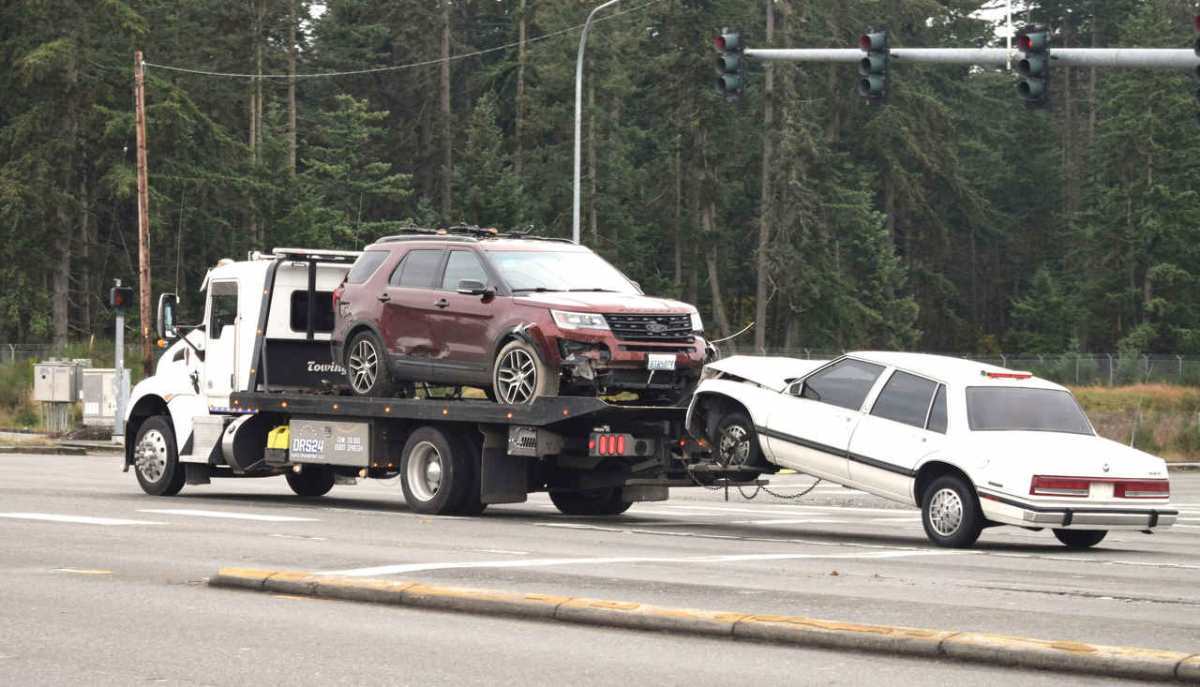
A stalled semi-trailer creates a massive obstacle for other motorists on major freight routes. Heavy transport operators often rely on emergency accident towing to move disabled rigs to a secure compound. Rapid response teams clear the highway to prevent secondary collisions.
Large commercial vehicles cannot use standard recovery equipment. Specialized wreckers lift massive weight loads without causing further frame damage.
Fleet managers appreciate swift intervention to keep freight schedules moving forward smoothly. Dispatch teams can track these recovery units in real time to update customers on delivery delays.
Legal Paperwork At Crash Scenes
Accident scenes involve strict legal compliance for truck drivers and transport companies. A government agency update states that towing operators must complete formal authority documents before moving a vehicle from a crash site.
Drivers need to understand these rules to protect their company from liability issues. Authorized paperwork tracks the vehicle location throughout the entire recovery process.
Clear documentation helps insurance companies process heavy vehicle damage claims much faster. Transport managers keep copies of these forms to maintain clean regulatory compliance records.
Removing Traffic Impediments Fast
Stalled trucks create dangerous bottlenecks on narrow regional highways. State transport guidelines confirm that a damaged vehicle must be relocated immediately if it creates a hazard for other motorists. Leaving a heavy rig in a live lane increases the risk of multi-car pileups.
Emergency crews work fast to pull massive trucks off the main bitumen. Clearing the roadway protects civilian drivers and allows standard traffic flow to resume.
Professional recovery teams manage these high-pressure situations with heavy-duty winches. Specialized crews receive training to handle hazardous materials that might spill during a collision.
Tracking Severe Weather And Route Conditions
Bad weather makes navigating steep mountain passes incredibly difficult for freight haulers. Official transport handbooks remind truckers they can dial 511 to check live updates on road surfaces, active construction zones, and winter storms.
Accessing real-time information helps operators avoid treacherous paths completely. Sudden blizzards or localized flooding can trap a B-double truck without warning.
Stranded drivers require heavy winch assistance to escape deep mud or icy ditches. Getting stuck in remote areas poses severe safety risks during freezing winter months. Dispatchers use these weather updates to reroute entire fleets before trucks enter dangerous zones.
Key Support Systems For Fleet Logistics
Modern transport firms build relationships with national recovery networks to manage sudden road emergencies.
Having a dedicated plan reduces driver stress during major equipment failures. Dispatchers coordinate directly with heavy wreckers to streamline the entire recovery process.
Fleet operations run much better with structured emergency protocols. Wrecker services provide specific advantages for commercial operations:
- Heavy under-lift equipment prevents bumper damage during long-distance transport.
- Air cushion recovery rights overturned trailers without spilling valuable cargo.
- Coordinated secure storage yards protect high-value freight from theft.
These distinct services shield transport companies from severe financial losses. Quick response times keep customer shipments arriving close to their original deadlines. Well-maintained recovery equipment provides peace of mind to fleet owners managing $5 million assets.
Minimizing Heavy Transport Downtime
Every hour a delivery truck sits idle costs a busy logistics business real money. Heavy machinery breakdown services deploy mobile mechanics to fix minor issues right on the roadside. Air lines, blown tires, and minor electrical glitches can often get fixed without a full tow to a workshop.
Severe engine failure requires a direct haul to a certified commercial repair workshop. Wrecker crews use heavy-duty low loaders to transport entire truck and trailer combinations together. It keeps the cargo attached to the prime mover until it reaches a secure facility.
A smooth transition from roadside breakdown to the mechanic shop saves valuable daylight – this quick turnaround protects tight schedules. Transport companies maintain high safety ratings by utilizing professional lifting services.
Reliable roadside assistance serves as a safety net for the entire transport sector. Heavy haulage businesses gain a competitive edge by minimizing operational delays during equipment failures.
Commercial driving demands constant focus and excellent preparation for unexpected road events.
Heavy vehicle operators face unique challenges that regular motorist services cannot handle. Partnering with professional recovery teams keeps freight moving and protects highway safety for everyone.
Reliable support networks turn a stressful breakdown into a manageable delay. Drivers can focus on navigating their routes safely when dependable assistance sits just 1 phone call away. Investing in proper roadside support safeguards the entire supply chain from unpredictable logistics hurdles.