Keeping a congregation informed about upcoming activities presents unique challenges. Information often gets lost when it relies on paper bulletins or word-of-mouth announcements. Ministry leaders need reliable methods to share scheduling changes and community news efficiently.
Modern tools help simplify this process for administrators and churchgoers alike. Clear channels reduce confusion and build stronger engagement across the entire community. Implementing clear strategies keeps everyone aligned without overwhelming church staff.
Centralize Information Channels
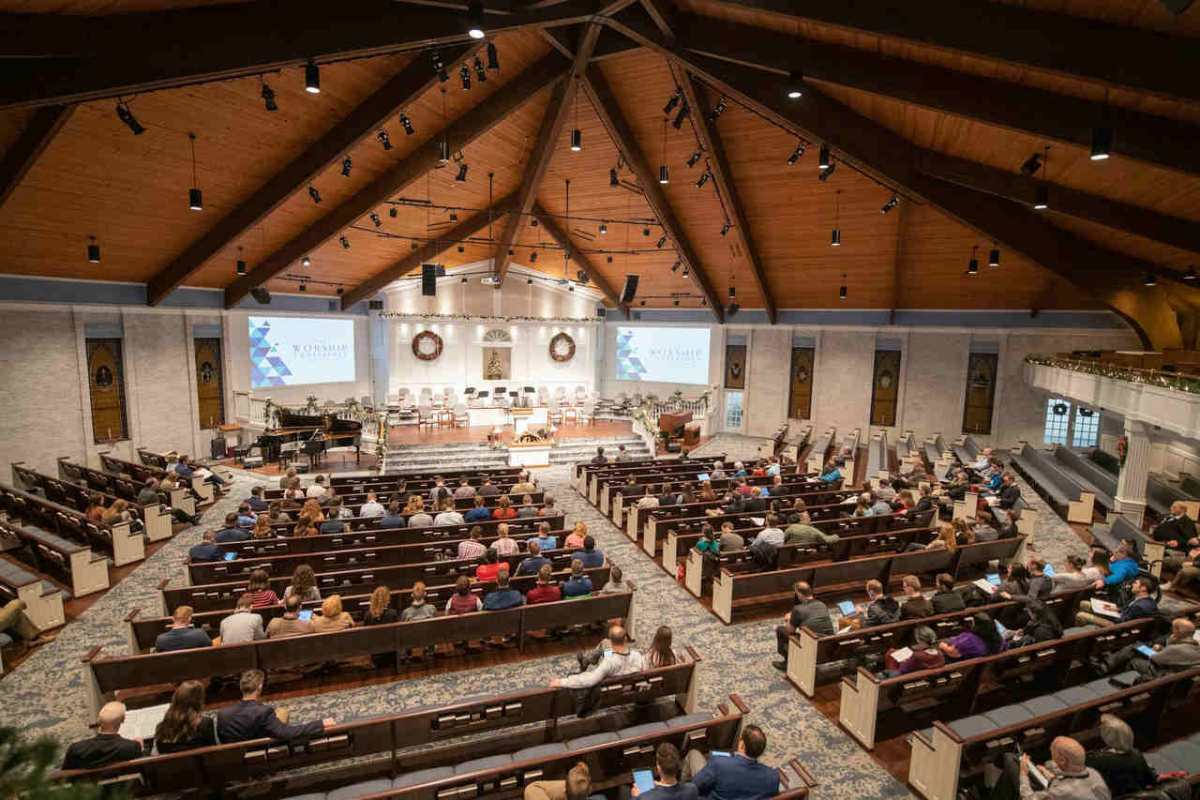
Managing updates becomes much simpler when all schedules live in one main spot. Many ministries choose to deploy easy-to-operate LED screens for houses of worship to display immediate updates during services. This approach guarantees that attendees receive critical notifications the moment they walk inside the building.
Relying on multiple disconnected platforms creates extra work for administrative teams. Putting the primary focus on a few reliable methods saves time and prevents conflicting announcements. Volunteers can coordinate schedules much better when standard protocols exist.
A single source of truth removes guesswork for families trying to plan their week. Leaders can update details quickly from a central dashboard when unexpected weather or changes happen. Consistency builds trust and helps attendees stay connected to weekly activities.
Leverage Mobile Control Options
Staff members often need to adjust event details on the fly. Church workers do not always sit at an office desk when changes happen. Having remote access to digital displays permits quick adjustments from anywhere on campus.
Modern displays connect directly to standard network setups for immediate editing capabilities. A technical team can modify the display text from a smartphone or tablet without needing complex hardware training. This flexibility allows ministries to react to immediate scheduling shifts during large gatherings.
A technical website recently pointed out that teams can manage display content through a mobile phone or computer to adjust worship details quickly. This means a coordinator can fix a typo or swap an announcement image from the back of the room. Quick modifications keep the information accurate without disrupting ongoing gatherings.
Standardize the Messaging Schedule
Timing plays a major role in how well people remember upcoming dates. Sending text alerts or changing display screens too early causes people to forget before the date arrives. Sharing information too late means families have already made other plans.
Creating a set timeline for announcements helps maintain a balanced flow of news. Staff members should determine exactly how many days before an activity the promotion should begin. This routine helps prevent information fatigue among regular attendees.
Limiting the number of weekly notices keeps the focus on key ministry goals. Sharing 3 or 4 major updates proves far more effective than listing 20 minor items. Congregations respond better when details remain clear and manageable.
Train Volunteers for Consistency
Ministries rely heavily on volunteer teams to manage weekly operations. Having clear guidelines helps these helpers maintain a uniform voice across all channels. Simple software interfaces allow new volunteers to learn the system with minimal stress.
Providing a short checklist prevents common mistakes during live updates. Teams can follow standard procedures to make sure text fits perfectly on digital screens. Regular training sessions keep everyone confident in their technical roles.
When multiple people know how to update the system, the workload becomes lighter. Staff members face less stress when helper teams can handle weekend announcements independently. Shared responsibility creates a resilient system that functions well every single week.
Implement Scannable Digital Codes
Paper sign-up sheets often cause data entry errors and long lines in the lobby. Moving registration forms online creates a smoother experience for participants. People appreciate simple methods that let them sign up using their own devices.
Displaying graphic links on physical signage allows immediate access to registration pages. Visitors can open links instantly by scanning a square code with their phones.
- Scan codes on screens during announcements
- Place codes on entry doors for quick access
- Include links in weekly digital newsletters
This method connects physical spaces directly to online tools.
An industry publication noted that QR codes remain highly effective for ministry outreach in 2026. Using these codes reduces the need for printed handouts that often end up left behind in pews. Attendees can save event links directly to their personal devices for later review.
Simplify Text for Quick Reading
People glance at signs for only a few seconds during their walk through hallways. Long paragraphs on a screen or poster fail to convey the necessary details. Messages need short sentences that provide immediate clarity to busy families.
Focusing on the main details prevents confusion about times and locations. Every notice should answer who, what, when, and where using minimal words. Removing extra fluff allows the main message to stand out clearly.
Large fonts and clean backgrounds help older members read notifications without straining. Good contrast between text and background colors improves readability from across a crowded room. Simple designs make sure that the message reaches every generation in the building.
Streamlining weekly updates creates a more connected and organized congregation. Utilizing modern tools helps leaders share important messages without wasting administrative time.
Clear methods keep families informed and ready to participate in community life. Investing effort into organized systems helps churches build a stronger, more engaged ministry.