Industrial computing systems support automation, manufacturing, transport, and energy sectors by controlling machines and processing real-time data. In these environments, reliability is more important than standard computing features.
Traditional office computers are not built for nonstop industrial workloads. They often fail under heat, dust, vibration, and long operating hours, leading to downtime, higher maintenance costs, and reduced productivity.
Industrial computers are designed to solve these issues by working in extreme conditions with stable performance. Fanless industrial computers and traditional industrial PCs are the two main options used in industries.
Understanding the difference between the two systems is important for choosing the right solution. The correct choice improves efficiency, extends equipment lifespan, and reduces operational costs based on environment and workload needs.
What Are Fanless Industrial Computers
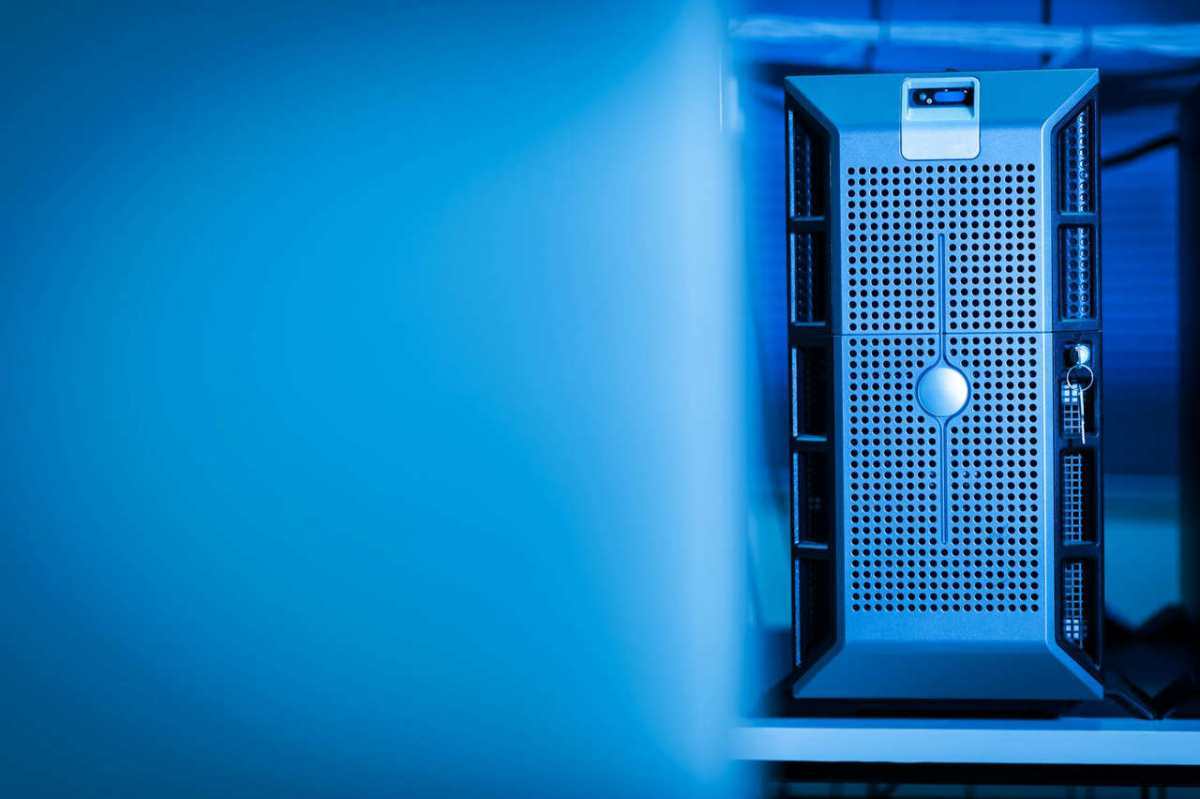
Fanless industrial computers are rugged systems that do not use internal cooling fans. Instead of active cooling, they use passive cooling systems such as heat sinks and aluminium chassis. Heat is naturally transferred away from components through metal surfaces.
This design eliminates moving parts, significantly improving durability and reducing the risk of mechanical failure. Without fans, there is no airflow inside the system, preventing dust and debris from entering the internal hardware.
These systems are widely used in environments where reliability is critical, such as factory automation, transport control systems, mining operations, and outdoor kiosks. They are designed for continuous 24/7 operation with minimal maintenance.
Fanless systems are also compact and energy efficient. Their low power consumption makes them suitable for remote installations and edge computing applications. They are often chosen in environments where noise reduction, durability, and long operational life are key priorities.
What Are Traditional Industrial PCs
Traditional industrial PCs are computing systems that use active cooling methods, typically internal fans, to regulate temperature. These systems are built with stronger components than standard office PCs but still rely on airflow for heat management.
The fans continuously circulate air inside the system to prevent overheating. This allows the hardware to handle heavier workloads and more complex processing tasks. As a result, traditional industrial PCs often deliver higher raw performance compared to fanless systems.
However, the presence of moving parts introduces certain limitations. Fans can collect dust over time, which reduces cooling efficiency and increases the risk of overheating. Regular cleaning and maintenance are required to keep the system stable.
These PCs are commonly used in control rooms, manufacturing monitoring stations, and environments where temperature and dust levels are controlled. They are also preferred for applications requiring high processing power, such as data analysis and industrial software systems.
Key Differences Between Fanless Industrial Computers and Traditional PCs
The main difference between fanless industrial computers and traditional PCs lies in their cooling systems and structural design. Fanless systems use passive cooling, while traditional PCs depend on internal fans for heat control.
This structural difference affects durability, maintenance, and reliability. Fanless systems have no moving parts, which reduces mechanical failure risks. Traditional PCs, on the other hand, contain fans that can wear out over time.
Environmental resistance is another major difference. Fanless systems perform better in dusty, humid, and high-vibration environments. Traditional PCs are more suited for clean and stable indoor settings.
Energy consumption also varies between the two systems. Fanless computers are generally more energy efficient due to the absence of active cooling components. Traditional PCs consume more power because of continuous fan operation.
In terms of noise, fanless systems operate silently, while traditional PCs produce audible fan noise. These differences make each system suitable for specific industrial applications depending on environmental conditions and operational needs.
Performance Comparison in Industrial Applications
Performance in industrial computing depends on workload type and system design. Fanless industrial computers are optimised for stable, continuous operations rather than peak performance. They are commonly used for automation control, data monitoring, and edge computing tasks.
Traditional industrial PCs are designed to handle more intensive workloads. They support complex software, high-speed data processing, and advanced industrial applications. This makes them suitable for environments where computing power is a priority.
However, performance stability is often better in fanless systems. Since they avoid overheating issues caused by fan failure or dust buildup, they maintain consistent output over long periods.
Traditional PCs may experience performance drops under extreme heat or poor ventilation conditions. This can lead to thermal throttling, which reduces efficiency during heavy workloads.
Both systems are effective, but their performance advantage depends on usage conditions. Fanless systems prioritise reliability, while traditional PCs prioritise raw computing power.
Durability and Build Quality Factors
Durability is a key requirement in industrial environments. Fanless industrial computers are designed with rugged metal enclosures, usually aluminium or industrial-grade steel. These materials protect internal components from external damage.
The absence of moving parts significantly improves structural strength. Without fans or rotating components, there is less risk of mechanical failure caused by vibration or impact.
Traditional industrial PCs also use strong casings, but still include internal fans and cables that are more vulnerable to wear and tear. These components can degrade over time, especially in harsh environments.
Fanless systems perform better in high-vibration settings such as transport systems, mining equipment, and heavy machinery. Their solid-state design ensures long-term reliability.
Traditional PCs require more controlled environments to maintain durability. Exposure to dust, heat, or vibration can shorten their operational lifespan.
Heat Dissipation and Cooling Mechanisms Explained
Heat management is one of the most important aspects of industrial computing. Fanless systems use passive cooling, where heat is transferred through heat sinks and metal casings. The entire chassis acts as a heat-dissipation structure.
This method eliminates the need for airflow, making the system completely silent and maintenance-free. However, it may limit maximum processing capacity in extremely high-load conditions.
Traditional PCs use active cooling systems with internal fans. These fans draw cool air in and push hot air out to maintain stable operating temperatures. This allows higher performance under heavy workloads.
However, active cooling systems require regular maintenance. Dust accumulation can reduce airflow efficiency and increase internal temperatures.
Both systems manage heat effectively, but they use completely different approaches. Passive cooling focuses on reliability, while active cooling focuses on performance.
Dust, Vibration, and Moisture Resistance Comparison
Fanless industrial computers offer strong protection against dust, vibration, and moisture. Since they do not use fans, there are no air vents that allow dust entry. This greatly improves system cleanliness and reliability.
Traditional PCs rely on airflow, which makes them more vulnerable to dust accumulation. Over time, dust can clog fans and reduce cooling efficiency.
Fanless systems also perform better under vibration. The absence of moving parts reduces the risk of internal damage. This makes them ideal for transport systems, outdoor installations, and heavy machinery.
Traditional PCs are more sensitive to vibration due to internal moving components. Moisture exposure can also impact their performance if not properly sealed.
These differences make fanless systems more suitable for harsh and unpredictable environments.
Maintenance Requirements and Operational Downtime
Maintenance requirements differ significantly between the two systems. Fanless industrial computers require very little maintenance due to their design. The absence of fans eliminates one of the most common failure points in computing systems.
Traditional PCs require regular maintenance to clean fans, remove dust, and ensure proper airflow. If not maintained, they may overheat or shut down unexpectedly.
Lower maintenance needs in fanless systems reduce operational downtime. This is especially important in industries where continuous operation is required.
Traditional systems may need scheduled shutdowns for cleaning or repairs. This can impact productivity in critical operations.
Over time, fanless systems offer better efficiency due to reduced maintenance interruptions.
Frequently Asked Questions
1. What is a fanless industrial computer used for?
Fanless industrial computers are used in automation, transport systems, and harsh environments where reliability is critical. They support continuous operation in conditions with dust, vibration, or temperature fluctuations.
2. Are fanless industrial computers more reliable than traditional PCs?
Yes, fanless systems are generally more reliable in industrial environments due to the absence of moving parts. This reduces mechanical failure risks and maintenance needs.
3. Can fanless computers handle heavy workloads?
Fanless systems can handle moderate to high workloads, but they are mainly designed for stability rather than extreme processing power. Traditional PCs are better for very heavy computing tasks.
4. What environments are best for traditional industrial PCs?
Traditional industrial PCs are best suited for clean, controlled environments such as control rooms or data centres where dust and vibration are minimal.
5. Which system has lower maintenance costs?
Fanless industrial computers have lower maintenance costs because they do not require fan cleaning or replacement. This reduces downtime and long-term expenses.