Rapid growth changes everything for a scaling tech company. Hiring waves bring new team members, fresh hardware, and piles of documents that crowd your floor plan.
Cluttered desks and cramped walkways create friction in daily operations. A smart workspace layout keeps your processes smooth and your engineers focused.
Designing a workspace that accommodates rapid scaling requires active planning from management. Planning prevents the chaos of sudden team expansions. By focusing on smart layout strategies, growing companies can maintain high performance and low stress.
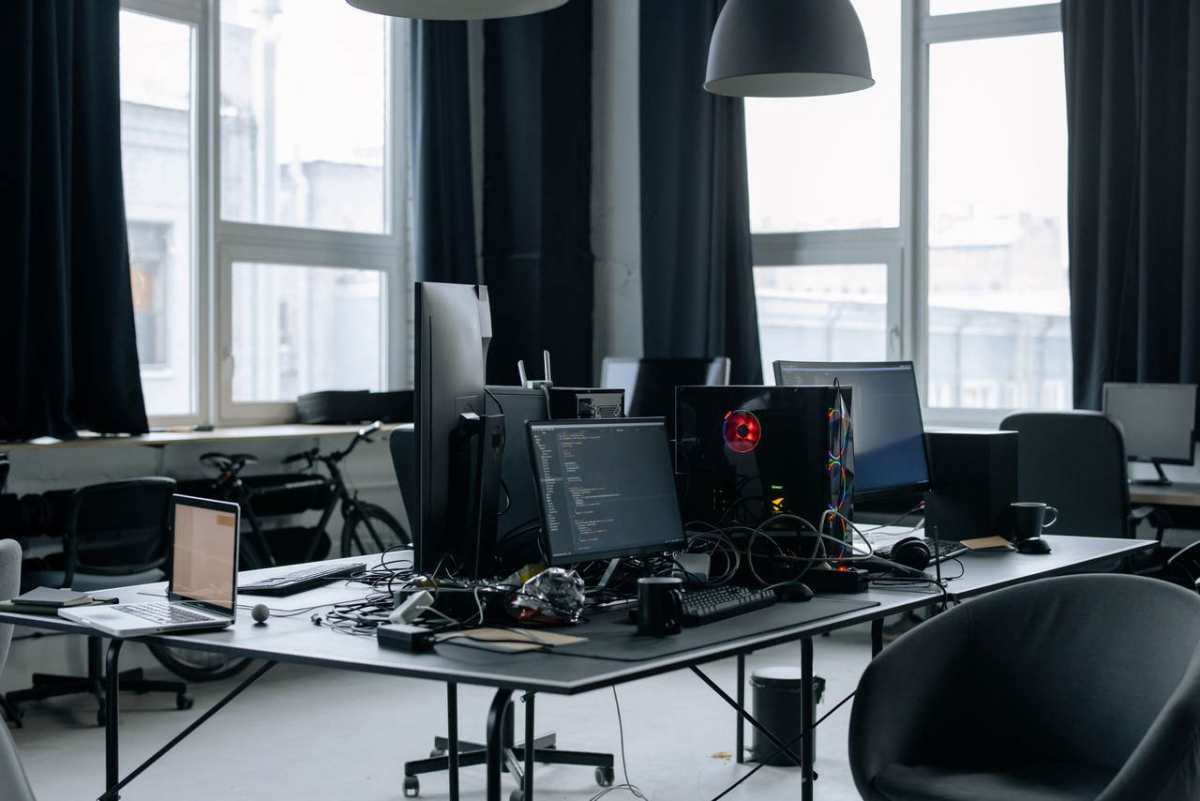
Rethinking The Rapidly Scaling Workspace
Many companies realize their daily occupancy patterns have shifted permanently. An article from the Building Owners and Managers Association showed that average office space usage reached a steady plateau for 64% of corporate participants.
Teams do not occupy desks simultaneously anymore, which changes spatial requirements. Adapting to these shifts keeps resource waste to a minimum.
Smart layouts focus on flexible areas rather than permanent individual seating arrangements. A strategy report by the University of California, Los Angeles mentioned that tech optimizations within core services pave a clear path toward better operational output.
Transitioning to shared spaces saves precious square footage. Open zones encourage spontaneous meetings without requiring large conference rooms.
Offsite Storage Solutions For Expanding Inventory
Physical gear like extra servers, extra monitors, and legacy event banners take up massive space. If your primary space feels overwhelmed by spare tech components, choosing convenient and affordable self storage in Murwillumbah, Dungay, or whatever is local to you frees up premium real estate immediately. Moving low-use gear out of the building keeps staff moving freely through corridors. Scaling teams can pivot quickly when square footage remains unburdened by heavy boxes.
Stored components remain accessible for emergency deployments without cluttering high-traffic areas. Keeping seasonal promotional materials or retired hardware offsite provides room to breathe.
The main engineering floor stays optimized for collaborative work and deep coding sessions. Your office should remain a hub for creation rather than a warehouse for spare parts.
Boosting Output By Removing Workspace Distractions
Messy desks destroy personal focus during tight project deadlines. A publication by the International Parking and Mobility Institute highlighted that 80% of the objects individuals accumulate never get used, creating major visual clutter. Clearing out junk sparks a clearer state of mind. Clean tables minimize visual noise.
Time management suffers when team members must dig through physical piles. An analysis by the Be Kind People Project noted that workers squander a full year of life hunting for missing office tools.
Organized spaces save hours. Eliminating lost hours allows engineers to hit deployment targets much faster.
Organized environments speed up daily tasks by introducing clean habits:
- Searching through unorganized desks drains collective team energy.
- Finding misplaced tracking tools wastes hours over a career.
- Mislaying physical files stalls current development projects.
Digital Storage Shift Impacts Technical Setup
Physical layout changes often mirror digital adjustments. Stanford University IT documentation indicated that cloud accounts face a strict 5-terabyte cap.
Teams must purge redundant electronic backups to maintain systemic flow. Data management policies directly dictate the size of your server closets.
Digital cleanup reduces the need for local hardware storage arrays inside the office room. Paring down cloud assets minimizes reliance on local backup servers.
Physical racks stay smaller, opening up more floor layout possibilities. Less physical infrastructure translates directly into more space for collaborative lounge areas.
Balancing Square Footage And Real Fleet Needs
Large government operations show the scale of massive property holdings. A Government Accountability Office report documented that one defense agency held roughly 35 million square feet of office space.
Managing vast setups requires strict oversight to avoid waste. Empty desks represent significant financial losses for any corporation. Smaller tech firms face similar logistical struggles when tracking inventory across growing footprints.
Unmanaged expansion leads to wasted square footage and higher utility bills. Tracking physical items prevents unnecessary lease expansions. Keeping exact tallies helps companies only pay for space they actively use.

Designing Environments Around Team Well-Being
Modern staff members want their physical environment to support mental health. Guidelines from the District of Columbia Department of General Services showed that younger staff members prioritize well-being within their job environment.
Clean designs encourage retention. Providing open, well-organized zones demonstrates that a company values employee comfort.
Organizing a growing company requires steady refinement. Clearing physical blockages improves operational speed and staff contentment.
Transitioning surplus equipment out of the main layout keeps the team centered on major goals. A disorganized floor layout slows down communication between departments.
Small, intentional updates to your office design pay major dividends as headcount increases. Investing effort into physical workflow improvements keeps your business scaling smoothly. A clean environment builds a strong foundation for future technological milestones.