Growing a business requires space to breathe and think properly. Physical clutter slows down daily operations and crowds the minds of employees. Teams need clean rooms to manage incoming inventory and execute tasks without facing constant delays. Tidy workstations allow people to focus on revenue.
Clutter builds up stealthily when sales increase across departments. Systems that worked for a small team often fail when order numbers double overnight. Scalable layouts keep daily operations running smoothly during these rapid transitions.
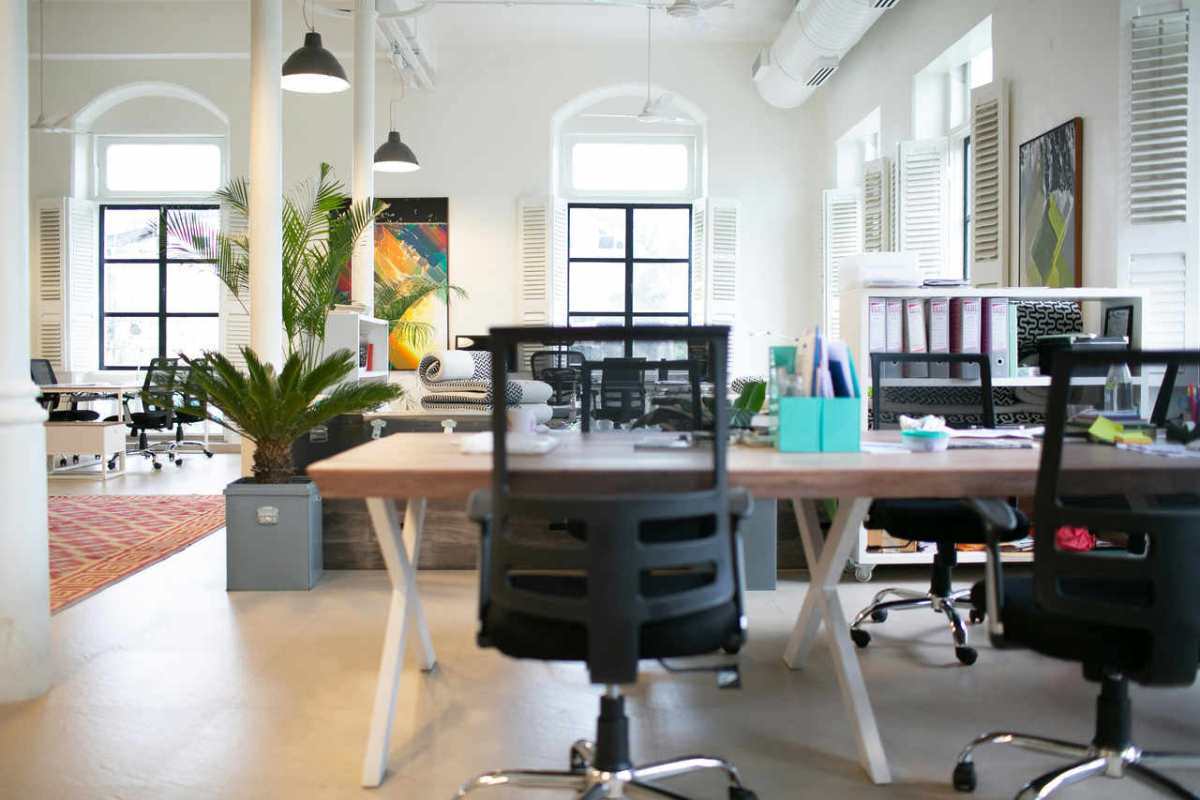
Maximizing Physical Footprints
Commercial square footage costs money every single month of the year. Utilizing 3 vertical levels changes how storage works inside cramped office rooms. High shelves keep floor paths completely open for workers moving goods. Stacking items upward multiplies available room without increasing rent costs.
Extra items often cramp individual desk areas and block exit hallways. Choosing the U Store It Cork facility or a similar one clears out seasonal assets so office rooms remain functional for teams. Offsite units shield valuable inventory from dust and workplace accidents.
Clear floors prevent physical accidents during busy shipping periods. Workers locate specific tools within minutes instead of searching through massive piles. Clean paths speed up packing schedules, decrease shipping errors, and lift team efficiency.
Strategic Layout Choices
Moving office furniture changes how people communicate throughout the day. Open zones help staff members share details without yelling across tall dividers – this setup keeps communication transparent. Dedicated desk arrangements give focused personnel quiet zones for complex assignments. Balancing collaboration spots with private desks creates a balanced workflow.
Storing old paper records frees up real estate for actual employee workstations. Moving heavy file cabinets out of central rooms allows for extra desks. Desks arranged in clusters support project management teams well.
Flexible furniture styles adjust easily when new staff members join the payroll. Light tables move around to match changing project demands during the week. Modular setups fit shifting corporate space requirements seamlessly. Adjustable components make sure teams stay versatile.
Digital Inclusion and Productivity
Physical neatness matches digital systems when analyzing total corporate health. A published report by MDPI researchers highlights that mixing flexible work setups with digital inclusion drives sustainable productivity. Modern teams combine physical desks with online tools to succeed. Giving remote workers proper access tools keeps projects moving ahead.
Digital tools reduce the physical paper load inside building walls significantly. Scanned invoices replace heavy folders that collect dust on metal shelves. Cloud storage keeps records safe without taking up valuable office floor space.
Digital directories require regular maintenance updates to remain useful to workers. Target training programs help teams learn new database software options. Organized workers keep digital files neat, searchable, and accessible for everyone.
Managing Workplace Stress
Messy offices increase mental fatigue among administrative staff members during long shifts. A study states that digital presenteeism and constant availability expectations elevate job stress levels. Boundaries protect staff members from burning out completely. Disconnecting after hours helps employees recover their mental energy.
Quiet zones inside physical offices give people space to disconnect from tasks. 1 single room without computer screens helps individuals rest during regular breaks. Taking breaks away from desks improves afternoon concentration on complex duties.
Clear counters lower visual distractions during intense corporate projects. Workers focus on individual tasks when clutter stays out of sight. The organization supports emotional balance during tight production deadlines throughout the fiscal quarter.
Inventory Control Systems
Tracking supplies keeps overhead costs low for growing commercial enterprises. Overstocking items uses cash that belongs in active marketing campaigns instead. Smart labeling systems show exactly what items remain on hand at any moment. Knowing exact stock counts prevents ordering identical parts twice.
- Regular audits prevent unexpected stock shortages during peak sales seasons.
- Color codes separate distinct product lines instantly for warehouse workers.
- Clear plastic bins display current asset volumes without opening taped boxes.
Supply chains run better when stockrooms remain orderly and clean. Delivery drivers drop off packages in designated loading bays safely. Organized intake areas stop logjams at the back door of the building.
Equipment Maintenance Habits
Broken machinery takes up valuable floor space during lengthy repair delays. Tagging faulty items prevents staff members from using damaged gear by mistake. Storing broken tools away from active lines keeps workflow steady and predictable. Clearing out dead technology keeps workspace aesthetics professional.
Regular maintenance schedules keep printers and office computers running smoothly. Dirty machinery breaks down more often than well-maintained hardware components. Clean habits extend the life of machinery and reduce replacement costs.
Small tools need specific hooks or drawers to avoid costly losses. Replacing lost items costs over $500 a year. Fixed storage spots mean immediate access for technicians working on repairs.
Scalable Storage Solutions
Business expansion means holding more parts and shipping materials daily. Small offices get overwhelmed when massive shipments arrive without warning. Planning for extra storage volume keeps corridors safe and neat for everyone.
Temporary rental units provide safety nets during sudden market growth spurts. Businesses store excess furniture during seasonal hiring dips to save room. Renting extra space prevents long-term lease commitments. Offsite options offer freedom to scale without massive financial risk.
Organization systems must grow alongside corporate revenue targets each year. Simple shelves work early on, but industrial racks become necessary later. Upgrading storage tools prevents logistical bottlenecks as order sizes climb. Smart planning keeps the workplace functional.

Clean workspaces support operational flow as companies scale upwards. Arranging physical assets prepares teams for higher daily transaction numbers. Safe physical habits protect business capital and improve daily working conditions for employees.
Investing time into workspace order pays dividends in employee comfort. Neat surroundings keep businesses ready for future corporate milestones and new opportunities. Organized layouts lay the foundation for steady growth.