Museums today face a complex challenge. Visitors expect more than static displays and text panels, yet museums must remain accurate, credible, and educational. This tension is especially evident in dinosaur exhibits, which often serve as the emotional and visual centerpiece of natural history museums. Dinosaurs attract visitors of all ages, but maintaining interest beyond the initial sense of awe can be difficult.
To meet evolving expectations, many institutions now explore immersive storytelling tools such as animatronic dinosaurs for sale that bring prehistoric narratives to life. When used thoughtfully, these installations enhance storytelling without compromising scientific integrity. Understanding their role helps museums educate broader audiences while preserving trust, relevance, and long-term engagement in an increasingly experience-driven cultural landscape.
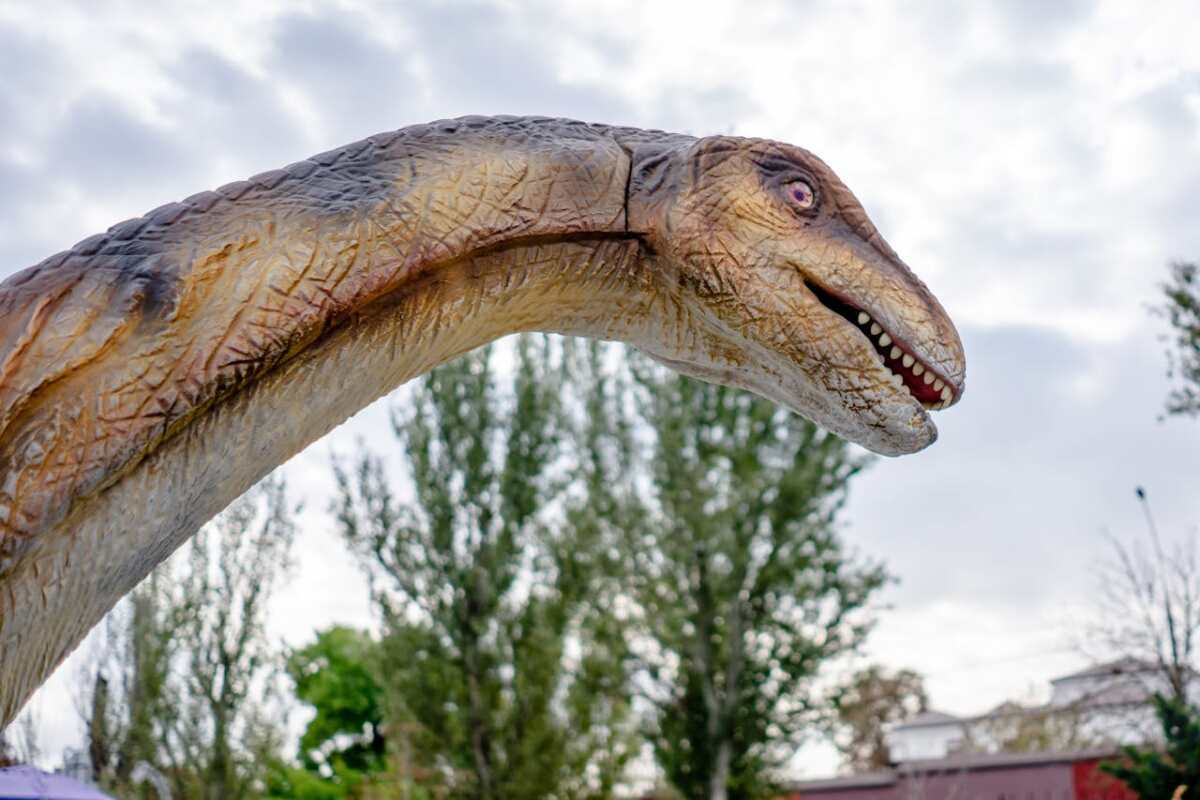
Common Visitor Pain Points in Dinosaur Exhibits
Before examining solutions, it is important to recognize recurring visitor challenges that museums face when designing dinosaur exhibits:
- Low emotional engagement: Static skeletons may struggle to hold attention, particularly for children and first-time visitors who are unfamiliar with paleontology.
- Difficulty visualizing behavior: Fossils alone cannot show how dinosaurs moved, interacted, hunted, or cared for their young.
- Information fatigue: Dense scientific explanations and technical terminology can overwhelm casual visitors and discourage deeper exploration.
Modern storytelling approaches aim to address these issues while still respecting scientific complexity and accuracy.
Why Storytelling Matters in Museums
Museums as Narrative Spaces
Museums are no longer just repositories of objects. They are narrative environments where facts are woven into stories that visitors can understand, relate to, and remember. Storytelling provides structure and meaning, helping visitors connect individual exhibits into a cohesive experience.
Storytelling helps museums:
- Connect scientific data to human curiosity
- Provide context for complex or abstract concepts
- Encourage longer visit times and deeper engagement
When visitors follow a story, learning becomes intuitive rather than instructional.
Dinosaurs as Natural Story Anchors
Dinosaurs naturally lend themselves to storytelling. Their massive size, mysterious behaviors, and sudden extinction create powerful emotional hooks. Museums often use dinosaurs to introduce broader themes such as evolution, adaptation, climate change, and biodiversity loss. These narratives help visitors see prehistoric life as part of an ongoing scientific story rather than isolated facts from the past.
How Animatronic Dinosaurs Support Museum Storytelling
Bringing Motion and Context to Fossils
Animatronic dinosaurs introduce movement, sound, and posture to otherwise static displays. This added realism helps visitors understand scale, anatomy, and potential behaviors that fossils alone cannot convey.
Effective storytelling benefits include:
- Demonstrating locomotion and feeding habits
- Showing parent and group dynamics
- Creating environmental and ecological context
Movement transforms observation into experience, allowing visitors to visualize how dinosaurs may have lived.
Supporting Visual Learning
Many visitors are visual learners. Motion-based storytelling reinforces written and verbal explanations, making scientific information more accessible. Seeing a dinosaur breathe, turn its head, or react to its surroundings can clarify concepts such as balance, muscle structure, and sensory awareness.
Balancing Accuracy With Engagement
Evidence-Based Design
Engaging storytelling must still reflect scientific evidence. Animatronic dinosaurs should be developed using peer-reviewed research, fossil records, and expert consultation. Accuracy ensures that visitors receive reliable information while enjoying the experience.
Key principles include:
- Anatomically accurate proportions
- Behavior grounded in fossil evidence and modern scientific interpretation
- Clear distinction between established facts and informed speculation
Transparency Builds Trust
Museums should clearly label speculative elements within exhibits. Transparency helps visitors understand where science ends and interpretation begins. This approach strengthens institutional credibility and encourages critical thinking rather than passive acceptance.
Storytelling Applications Across Museum Spaces
Exhibit Zones and Narrative Flow
Animatronic dinosaurs can be placed strategically to support storytelling arcs throughout a museum. Their placement should reinforce the narrative rather than distract from it.
| Museum Area | Storytelling Purpose |
| Entrance halls | Establish scale and excitement |
| Themed galleries | Demonstrate habitats and behavior |
| Educational zones | Support guided learning |
| Interactive spaces | Encourage exploration |
When aligned with exhibit narratives, animatronics enhance continuity and flow.
Educational Value Beyond Entertainment
Enhancing Knowledge Retention
Research consistently shows that multisensory learning improves memory retention. Sound, motion, and visual storytelling work together to reinforce scientific concepts.
Educational benefits include:
- Improved understanding of dinosaur anatomy
- Greater curiosity in natural sciences
- Increased dwell time within exhibits
Visitors are more likely to remember information when it is tied to a vivid experience.
Appealing to Diverse Audiences
Animatronic dinosaurs support inclusive learning by offering multiple entry points to information. Children may focus on movement and sound, while adults may engage with interpretive content and scientific explanations. Enthusiasts can explore deeper layers of detail, creating a flexible learning environment for all visitors.
Considerations When Using Animatronic Dinosaurs
Maintenance and Longevity
Museums must consider durability and maintenance planning. Well-designed animatronics are built for continuous operation and long-term educational use, but they still require care.
Important factors include:
- Modular components for efficient repairs
- Compliance with safety standards
- Clear maintenance schedules
Proper planning ensures exhibits remain functional and engaging over time.
Integration With Existing Exhibits
Animatronic dinosaurs are most effective when integrated into broader storytelling strategies rather than presented as standalone attractions. When paired with fossils, diagrams, and digital media, they reinforce learning rather than replace traditional exhibits.
Institutions exploring animatronic dinosaurs for sale often prioritize flexibility, allowing narratives to evolve as new research emerges.
Accessibility and Inclusive Storytelling
Designing for All Visitors
Inclusive storytelling ensures that exhibits are accessible to a wide range of visitors, including those with disabilities or different learning preferences.
Effective strategies include:
- Clear visual sightlines
- Audio narration and captions
- Simple, layered explanations supported by visuals
Inclusive design strengthens museums’ educational mission and broadens audience reach.
Conclusion
Modern museum storytelling depends on finding the right balance between education and engagement. Animatronic dinosaurs, when grounded in scientific research and thoughtful design, can strengthen narratives rather than overshadow them.
By addressing visitor pain points and supporting inclusive learning, these tools help museums communicate complex ideas in accessible and memorable ways. As institutions continue to evolve, animatronic dinosaurs for sale remain valuable storytelling elements that connect science, history, and imagination. When used responsibly, they deepen understanding, inspire curiosity, and create lasting educational impact for audiences worldwide.