AI enables robots to observe, decide, and adapt in real time, transforming automation. This change impacts shipping, retail, production, and services. It poses power, safety, and business design issues for learning robots. Readers can use AI-driven robotics resources to see where automation fits and where people are needed for a complete picture.
From Scripted Automation to Adaptive Work
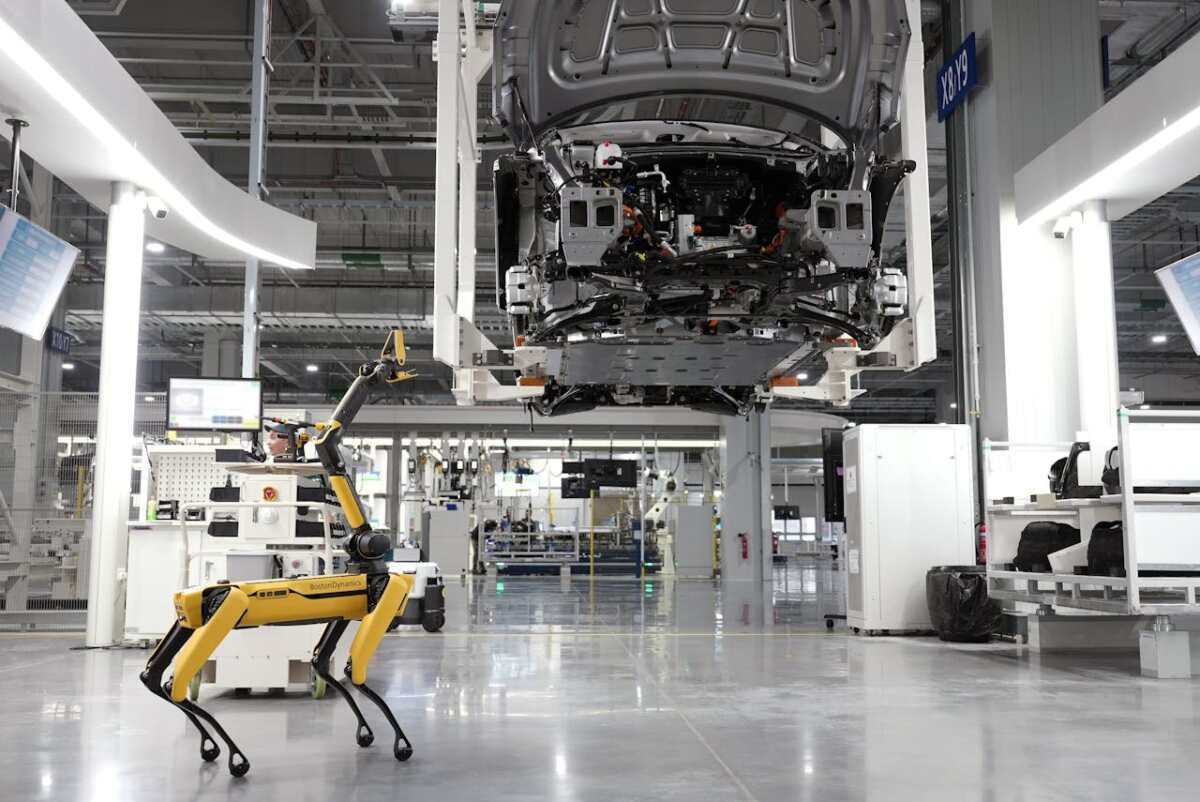
Traditional industrial robots repeat well. Welding, lifting, and assembling are controlled along precise pathways. An AI adds versatility. Robots can distinguish shapes and positions using computer vision. Learning models enable robots to manage edge cases and minor modifications without reprogramming.
This is important because many businesses are dirty. Inventory, illumination, and product quality vary. AI-driven systems can handle fluctuation and maintain throughput, expanding automation beyond production lines.
Smarter Warehouses and Faster Fulfillment
The use of robotics in warehouses is increasing as customers demand faster delivery. AI-powered robots can pick, sort, and transfer pallets and count inventories. Together, they reduce repeated walking and lifting while humans focus on exceptions and quality checks.
Connecting robots to forecasts and order management improves operations. Managers can move robots across zones without restarting the process as demand rises. This adaptability helps manage seasonality and minimize manufacturing bottlenecks.
Manufacturing with Fewer Bottlenecks
AI improves factory inspection and quality. Vision-based solutions reduce scrap and rework by detecting problems earlier in the line. Robots can support smaller-batch production by switching tasks more quickly as product lines change.
Manufacturers who demand speed and variety benefit from this move. Companies can switch to responsive production rather than invest in long-term equipment. The factory floor-demand feedback loop tightens.
Service Robots and Frontline Operations
Robotics is entering the service industries. Cleaners, security guards, and guided delivery robots work in hospitals and major facilities. These systems use AI to avoid obstacles and adapt to changing conditions.
Company service robot adoption usually begins with low-risk jobs. Not replacing staff is the goal. Reduce repetitive tasks to free up time for patient interaction, customer assistance, and exception handling.
Data, Integration, and the Real Work of Adoption
Hardware is rarely the hardest aspect of robots. It’s integration. Clean data, stable processes, and ownership are essential for robots. How robots interact with inventory, maintenance, and safety must be decided by businesses. They also need unambiguous channels for failure escalation.
A specific use case often drives acceptance. Success metrics, pilots, and workflows are set by teams. Instead of automating everything at once, they scale gradually. It eliminates interruptions and builds staff confidence in the system.
Workforce Impact and Skills Shifts
It boosts demand for automation-savvy technicians, process engineers, and operations managers. It also shifts frontline workers to supervision, exception resolution, and quality assurance.
Training helps companies handle this transformation. They clarify what automation will and will not accomplish. Employee inclusion leads to smoother adoption, allowing for early risk identification and practical improvements.
What to Watch Next
The next wave of AI-driven robotics will increase autonomy in less regimented contexts. That includes outdoor logistics, construction support, and better mobile robotics. Because robots must operate continuously and predictably to justify the investment, the design prioritizes reliability, safety, and energy efficiency.
Businesses’ biggest decision is strategic. The winners won’t buy the most robots. They will carefully restructure processes, select high-impact use cases, and establish a team capable of working with intelligent robots.