Healthcare providers face rising pressure to deliver compassionate care while maintaining efficient operations
Patients value clear communication, shorter waits, and coordinated experiences that build trust
Clinicians need streamlined systems that free them from unnecessary administrative work
The future of healthcare lies in balancing innovation with the personal connection patients expect
Walking into a hospital or clinic, you expect two things: to feel cared for and to trust the process will run smoothly. For healthcare providers, balancing these two expectations is never simple. On one hand, patients want a personal and compassionate experience where their concerns are heard. On the other hand, clinicians are tasked with maintaining efficient, accurate, and consistent care while managing growing demand. Finding the right balance between the human side of medicine and the systems that make it work has become one of the most pressing challenges in modern healthcare.
The Pressure on Healthcare Providers
Hospitals and clinics are operating in an environment where patient numbers are rising faster than resources can keep pace. Waiting rooms are fuller, staff shifts are stretched longer, and every minute counts in both emergency and routine care. At the same time, people expect services to mirror the convenience and speed they’ve grown accustomed to in other parts of life. A delay in test results, a miscommunication about an appointment, or an unclear treatment plan can erode trust quickly. These pressures don’t just affect patients—they ripple across teams, creating stress, bottlenecks, and a higher risk of mistakes.
What Patients Value Most in Their Care
From the patient’s perspective, the quality of a healthcare journey is often measured in moments. A shorter wait before being seen, a doctor who explains test results clearly, or receiving updates without having to chase them can completely shift how someone feels about their care. Patients want to know their time is respected and their well-being is prioritised, even during busy periods. When small inefficiencies add up—such as repeated paperwork or conflicting information—it makes the experience feel disjointed. In contrast, when communication is smooth and care feels coordinated, patients are more likely to trust the system and follow treatment plans, which ultimately leads to better outcomes.
The Clinician’s Challenge of Efficiency
For clinicians, the day rarely unfolds exactly as planned. Between patient consultations, reviewing test results, and adhering to reporting standards, they also face an increasing list of administrative duties. Each extra form or duplicated process takes away time that could be spent with patients. Over time, these pressures contribute to fatigue and frustration, which can affect both performance and morale. Efficiency in this context isn’t about rushing through care but about removing barriers that prevent clinicians from focusing on their core role. When systems are fragmented or outdated, it becomes increasingly complex to maintain accuracy and speed, leaving staff caught between the need to deliver thorough care and the expectation of keeping pace with demand.
Where Technology Supports Both Sides
The challenge of balancing patient experience with clinical efficiency has prompted healthcare providers to reassess the role of technology in their daily practice. Digital platforms are being increasingly used to streamline communication, reduce duplication, and make information available in real-time. For instance, IT solutions for the healthcare industry enable the secure sharing of records, test results, and care plans across teams, resulting in less time spent searching for data and more time focused on patient care. On the patient side, these same systems make it easier to book appointments, receive reminders, and stay informed about treatment progress. By bridging clinical needs with patient expectations, technology is emerging as a practical way to support both efficiency and compassion.
Creating a Patient-Centered Workflow
When healthcare teams look at efficiency through the lens of the patient journey, the changes often benefit staff just as much as patients. A well-designed workflow ensures that critical information flows seamlessly, that handovers are clear, and that patients never feel left in the dark. Digital scheduling systems can reduce waiting times, while electronic health records mean a patient doesn’t need to repeat their medical history at every step. Real-time updates, whether through mobile apps or patient portals, provide clarity without overburdening staff. Training and culture are equally important, as staff must feel confident using new tools and supported in adapting to changing processes. Together, these adjustments help create a smoother care experience that reduces frustration and enhances trust.
The Path Ahead for Healthcare Organizations
As healthcare continues to evolve, the most successful organizations will be those that strike a balance between efficiency and empathy. Patients will always value clear communication and personal care, while clinicians need systems that support rather than hinder their work. Meeting both needs requires more than a one-off investment in tools—it involves a mindset of continuous improvement, where feedback from both patients and staff is used to refine processes. The path ahead is one of adaptation, where hospitals and clinics embrace innovation while safeguarding the human connection that sits at the heart of care.
Bridging the Gap Between Patient Experience and Clinical Efficiency was last modified: September 29th, 2025 by Colleen Borator
In these digital innovations, Electronic Health Records (EHR) played an important role. However, while the standard EHR systems are beneficial, a custom EHR (electronic health record) system provides unique benefits to the specific requirements of an organization. In this article, we will explore the world of Custom EHR, its benefits, implementation challenges and how it can revolutionize health care distribution.
What is Custom EHR?
A custom EHR system is an EHR solution designed to meet the unique needs of a healthcare provider or convenience. Unlike generic EHR systems, which come up with a standard set of features, the custom EHR system is designed with analogous functionality to fit specific workflows, specialties and regulatory requirements of a healthcare practice. These adaptations can range from simple interface adjustment to more complex systems integration and convenience enrichment.
Why Choose a Custom EHR?
While the off-the-chest EHR systems can offer basic functionalities, Custom EHR provides several compelling reasons to invest in a personal solution for healthcare practices.
1. Tailored to Specific Needs
One of the most important benefits of Custom EHR is the ability to tailor the system for unique requirements of your healthcare. Whether you are in a small clinic or a large hospital, each feature has specific workflows, procedures and data requirements. Custom EHR solutions can be conducive to your practice specific requirements, improve efficiency and reduce the requirement of manual data entry.
2. Improved Patient Care
Custom EHR can be integrated with other healthcare techniques such as lab systems, imaging, and even telemedicine platforms, which provide a holistic approach to the patient health.
In emergency situations, immediate access to broad patient data can cause all differences. Custom system providers to reach patient data in real time, allowing the results to improve, especially in important care scenarios.
3. Scalability and Flexibility
Healthcare practices develop over time, and so their technology is required. As your practice grows or varies, a custom EHR can scale it with it. Whether you plan to expand your practice, combine new specialties, or integrate with additional equipment and technologies, a custom solution provides flexibility to develop with your needs.
For example, an exercise can begin with basic patient management features, but as it grows, it can integrate to increase service distribution such as advanced modules such as telemedicine, mobile access, or AI-operated analytics.
Key Features of a Custom EHR System
When designing or choosing the custom EHR system, many major features and functionality can create a significant difference in the efficiency and performance of your practice.
1. User-friendly Interface
A clean, intuitive interface is necessary. A custom EHR system should be easy for all users – to navigate doctors, nurses and administrative staff. A system that fits your specific workflow will help users to save time and reduce errors.
2. Data Analytics and Reporting
Data Analytics is a powerful tool for improvement of healthcare results. A custom EHR system may include underlying reporting and analytics tools that provide insight into the patient’s trends, performance matrix and operational efficiency. This can be especially useful to identify areas for improvement and data-operated decision making.
3. Telemedicine Capabilities
In view of the Covid-19 epidemic, Telemedicine has become an essential component of healthcare delivery. Custom EHR solutions may include telemedicine features such as video counseling, safe messages and distance monitoring, allowing providers to offer virtual care to their patients.
Challenges in Implementing a Custom EHR
While the benefits of a custom EHR are obvious, there are challenges to consider when applying one.
1. Cost
A custom involves an important investment in developing and implementing a custom EHR system. Unlike off-the-shelf solutions, which are pre-made, the custom system requires resources for design, development, testing and ongoing support.
While the initial investment may seem more, returns on investment – through better patient care and streamlined operations – meets the cost in the long run.
2. Time and resources
It takes time to build a custom EHR system. The development process includes assembled, designing the system, testing and fine-tuning. Healthcare providers should be prepared for potentially long implementation phase.
3. Training and adoption
The success of a custom EHR system depends on how well employees adopt it. Extensive training is necessary to ensure that employees can use the new system efficiently. Resistance to change can be an issue, and a well -trained training program is important for success.
How to choose the right custom EHR provider
Adaptation flexibility: Ensure that the provider, such as a custom EHR software development company, can fully adapt the system to meet the specific requirements of your practice.
Support and Training: Ensure that the provider provides ongoing support including training and troubleshooting of employees.
Compliance: The provider should understand the relevant healthcare rules (eg, HIPAA, GDPR) and ensure that the system is obedient.
Conclusion
Custom EHR system is a powerful tool for healthcare providers who want to improve the care of the patient, want to streamline operations, and correspond to rules. By designing a system to suit your practice needs, you get flexibility, efficiency and scalability. EHR system are far from costs, making it a wise option for healthcare providers, which aims to modernize their practice and improve patient results.
Future of Healthcare with Custom EHR: A Comprehensive Guide was last modified: October 13th, 2026 by Thomas M
You got some test results. Maybe your town shared a report about PFAS in the water. Maybe your doctor ordered a blood test and you saw a number you don’t fully get. Now you’re wondering, “Does this mean I can make a case?” I’m going to walk you through it the way I’d explain it to a friend. No fancy words. Just what matters and what to do next.
PFAS are man-made chemicals that don’t break down fast. People call them “forever chemicals.” They’ve been used in non-stick pans, stain-resistant fabric, some food wrappers, and firefighting foam. Over time, PFAS can get into water and soil. When people are around PFAS for years, the chemicals can build up in their bodies. Some studies link PFAS to health problems like certain cancers, thyroid issues, high cholesterol, and changes in the immune system. That’s why proof of exposure matters.
What Counts as Real Proof
Think of proof in three parts: where PFAS are, how they reached you, and how you’ve been feeling. You don’t need every single piece on day one, but each one helps. For many people, the first step is a water test, a public water report, or both. That shows PFAS were in a place that could reach your home. The second step is your own story. Where you lived, where you worked, how long you were there, and when you started to feel off. The third step is health records. That could be lab results, a diagnosis, or notes from your doctor.
Put simple dates on things. “We moved to Oak Street in 2012.” “The plant near us used firefighting foam during drills.” “My thyroid test came back odd in 2019.” Short facts like that make a clear path from exposure to health changes.
Start with Your Water
If you’re on a public system, look up the most recent water quality report. Many towns post this online. You’re looking for PFAS names like PFOA or PFOS and the amounts found. If you’re on a well, consider getting a lab test. Keep the lab report. Save a digital copy and a paper copy. If your town has posted past results, save those too. Dates matter, because they show how long the problem has been around.
If your area has a known PFAS source—like a plant, airport, or training site—save any local notices or news clippings that say so. This is not about building a huge file. It’s about keeping the few pages that tell the story without guesswork.
Your Health Story Matters
Make a short timeline for yourself. List big moments, not every detail. When did you move in? When did kids arrive? When did you start to see symptoms, like stomach issues, tiredness that won’t go away, thyroid changes, or high cholesterol that surprised your doctor? If you have a diagnosis, add the month and year. If you took time off work or paid bills you didn’t expect, add that too.
Ask your clinic for your records. Most clinics can give you a patient portal download. Keep lab results, imaging, visit notes, and any referrals. You don’t need to read every line. Just keep them together so you can hand them to someone who knows what to look for.
Turning Loose Papers into a Clear File
Now put the pieces in order. First, proof PFAS were near you (reports, lab tests, notices). Second, proof you were there (lease, mortgage, utility bill, work badge, school records). Third, health proof (doctor notes, labs, bills). If you can, add a one-page summary on top with dates in a simple list. That page is your map. It helps anyone who reads your file understand the story in minutes, not hours.
Don’t stress if something is missing. Lots of people don’t have every item at first. Start with what you do have. You can fill gaps later.
When to Reach out for Legal Help
If your file shows PFAS in your area and you have health changes that line up with the time you lived or worked there, it’s time to talk to a lawyer who handles these cases. Get legal help from a PFAS attorney and learn what the next step could look like. A short call can tell you if your facts are strong, what else would help, and what the process might be.
What to Expect on the First Call
You don’t have to know legal terms. Just tell your story in order. Share your one-page summary and say which records you can send now. A good lawyer will ask simple questions: how long you lived or worked in the area, when your water was tested, and when your symptoms or diagnosis started. If your case fits a bigger group case, they’ll explain what that means. If it should stand alone, they’ll explain that too. Either way, the goal is the same: connect exposure, time, and health in a way that holds up.
How Cases Like This Get Built
After that first talk, the legal team may gather more records. They might request full water data from your town, site records from a plant or base, or more of your medical file. They may ask your doctor for a short letter that sums up your condition. They could bring in experts who understand PFAS science. Your job is simple: keep sharing new test results, save bills, and tell them about changes in your health or work.
Most cases move step by step. First, collect and review records. Next, send a formal notice or file the case. Then, both sides share information. Many cases settle. Some go to trial. Your lawyer will explain the timing and what you should expect.
Keeping Stress Low While you Wait
While the case moves, focus on your health. Use a filter that’s tested to lower PFAS if you can. Check your town’s updates. Go to your doctor visits, and keep notes about how you feel day to day. Small habits help: a folder for new bills, a notebook or phone note for symptoms, a calendar reminder for follow-ups. These notes are good for your care and also help your case tell a clear story.
Simple Mistakes to Avoid
People sometimes toss old mail or only save screenshots. Try to keep the originals when you can. Don’t change doctors without asking for a copy of your chart first. Don’t post your whole case on social media. It’s fine to support your community online, but keep your private details in your file and with your legal team. And try not to wait. These cases can have filing deadlines. Starting sooner gives you more options.
If your Whole Street is Dealing with This
When many homes are affected, people often work together. Neighbors share test results, split the cost of more testing, and attend town meetings. A group can be loud in a good way and help everyone stay on task. Keep your own records too, even if you’re part of a group. Your case still needs your dates, your tests, and your health notes.
How to Talk to Your Doctor
If you think PFAS might be part of your health issues, say that in plain words. Bring your water report. Ask if any blood tests make sense. Some doctors can order PFAS blood tests, though not all do. Even if your clinic can’t run that test, your regular labs still matter. Thyroid tests, liver panels, and cholesterol results help track your health over time. Ask your doctor to keep clear notes about your symptoms and when they began.
What a Win Can Look Like
No one can promise a dollar amount. What a case brings depends on many facts: your health, proof of exposure, and who is at fault. In general, people seek money for medical bills, time missed from work, and other costs. Some cases also push companies or towns to make fixes, like better water treatment. That helps the whole area, not just one family.
Quick Recap and Next Steps
Start with proof that PFAS were near you. Add proof you were there long enough to matter. Gather your health records and write a simple, dated timeline. Put it all in order so your story is easy to follow. Reach out for legal help and share your file. Keep going to your doctor and save new results. Avoid common slip-ups like tossing records or waiting too long.
From Test Results to Case: Turning PFAS Proof Into Action was last modified: August 12th, 2025 by Emma Beijing
In today’s fast-paced digital landscape, managing our wellness can feel like a daunting challenge. With constant notifications and endless scrolling, it’s easy to lose sight of our mental and physical health. We often find ourselves juggling work, social media, and personal life, leaving little room for self-care.
But what if we could reclaim our well-being amidst the chaos? This guide will explore practical strategies to help us navigate the complexities of digital life while prioritizing our health. From setting boundaries with technology to incorporating mindfulness practices, we’ll uncover essential tips to enhance our wellness.
For those embracing plant-based living, seeking guidance from a qualified vegetarian nutritionist can make a world of difference. Personalized support helps us stay nourished and energized, even during our busiest days.
Let’s embark on this journey together and discover how to thrive in a digital world.
The Importance of Wellness in a Digital World
Wellness plays a crucial role in our lives, particularly within today’s digital landscape. Constant connectivity poses unique challenges that can undermine our mental and physical health. Recognizing the need for wellness enables us to navigate this environment more effectively.
Prioritizing wellness reduces stress linked to endless notifications and social media pressures. Regular digital interruptions can disrupt focus and foster anxiety. By establishing wellness practices, we bolster our capacity to handle these digital demands.
Adopting self-care routines enhances our well-being. Simple techniques, like time management and technology limits, help prevent burnout. Activities such as exercise, meditation, and sleep keep our physical and mental health in check, allowing us to engage productively.
Setting boundaries with technology creates safer spaces for our minds to recharge. Limiting screen time fosters meaningful connections with ourselves and others. Embracing periods of digital detox provides balance and encourages reflection.
Mindfulness practices significantly improve our resilience against digital distractions. Techniques like deep breathing and guided imagery ground us in the present moment, reducing stress and increasing clarity. Studies show that mindfulness can elevate emotional intelligence and improve relationships, both personal and professional.
In shifting how we interact with technology, we cultivate a healthier lifestyle. By prioritizing wellness, we not only enhance our productivity but also significantly improve our overall satisfaction in life. Making conscious choices about technology usage contributes to a more fulfilling digital experience.
Identifying Digital Stressors
Identifying digital stressors serves as a crucial step in managing wellness in our fast-paced digital lives. We face various pressures that can negatively impact our mental health and overall well-being.
Social Media Pressure
Social media pressure manifests through comparisons and unrealistic portrayals of life. We often encounter curated images that depict perfect lifestyles, which can fuel feelings of inadequacy and anxiety. Constant engagement with these platforms heightens our awareness of others’ achievements, leading to stress over our own perceived failures. Limiting our time on social media and curating our feeds to include supportive content can effectively mitigate these pressures, fostering a more positive online environment.
Information Overload
Information overload occurs when we receive excessive and continuous streams of data from multiple sources, including news updates, emails, and notifications. This influx creates feelings of overwhelm and makes it challenging to focus on essential tasks. To counteract this, we can prioritize information consumption by setting specific times for checking emails and social media, thereby reducing distractions. Utilizing tools that filter notifications can help us manage the flow of information, allowing for a more focused and productive digital experience.
Strategies for Managing Digital Wellness
Managing digital wellness requires intentional strategies that promote balance and reduce stress in our lives. We can adopt specific techniques to enhance our well-being amid the digital noise.
Setting Boundaries
Setting boundaries with technology promotes mental clarity and focus. We can designate specific times for checking emails, social media, and other digital interactions. Creating tech-free zones, such as during meals or before bedtime, helps us disconnect from devices and fosters meaningful interactions. Establishing “do not disturb” periods allows uninterrupted work or relaxation time. Furthermore, utilizing features like screen time trackers can offer insights into usage patterns, enabling us to adjust habits as needed. By implementing these boundaries, we enhance productivity and cultivate healthier relationships with technology.
Practicing Mindfulness
Practicing mindfulness in a digital world cultivates resilience against distractions. We can start by integrating short mindfulness exercises into our daily routines, such as breathing exercises or guided meditation. Apps focused on mindfulness assistance provide structure and support. Engaging in digital detox periods enhances our mental capacity for self-reflection without constant interruptions. By consciously directing our attention to the present moment, we reduce anxiety and improve emotional well-being. Incorporating these small practices helps us regain control over our thoughts and reactions in an increasingly chaotic environment.
Tools and Resources for Digital Wellness
Managing wellness in our digital world requires the right tools and resources. We can leverage apps and programs designed to support our mental clarity, well-being, and balance.
Apps for Mindfulness and Meditation
We can enhance our mindfulness and meditation practices through specialized apps. Popular options include:
Headspace: Offers guided meditation sessions for stress reduction and improved focus.
Calm: Provides a variety of meditation techniques, sleep stories, and soothing background sounds.
Insight Timer: Features a vast library of free guided meditations, music tracks, and community discussions.
These apps help cultivate mindfulness by offering numerous sessions that fit our schedules, making it easier to integrate meditation into daily life.
Digital Detox Programs
We can participate in digital detox programs designed to reduce screen time and encourage healthier habits. Options include:
Unplugged: A guided program that helps individuals disconnect from devices and reconnect with the real world through workshops and activities.
Digital Detox Retreats: Weekend or week-long retreats offer structured environments for intensive digital breaks, filled with mindfulness practices and nature immersion.
30-Day Digital Declutter Challenge: A self-paced initiative that encourages participants to evaluate their digital habits and set intentional limits.
These programs provide opportunities for reflection and reconnection, promoting long-term wellness in our technology-driven lives. For more insights, check out resources from the American Psychological Association.
Mastering Wellness in a Digital World: The Ultimate Guide for a Balanced Life was last modified: August 9th, 2025 by Prester Witzman
The shift to remote work has created unprecedented challenges for employee health and organizational productivity. While distributed teams gain flexibility, they often lose the informal wellness touchpoints that office environments naturally provided—walking between meetings, impromptu stretch breaks, and social movement opportunities. Forward-thinking organizations are now implementing structured wellness programs that integrate seamlessly into digital workflows, transforming health initiatives from afterthoughts into strategic productivity drivers.
This comprehensive approach goes far beyond traditional corporate gym memberships. By weaving evidence-based wellness interventions—from guided movement practices like Pilates to meditation breaks and ergonomic training—directly into team calendars and communication platforms, companies are seeing measurable returns in engagement, performance, and retention metrics.
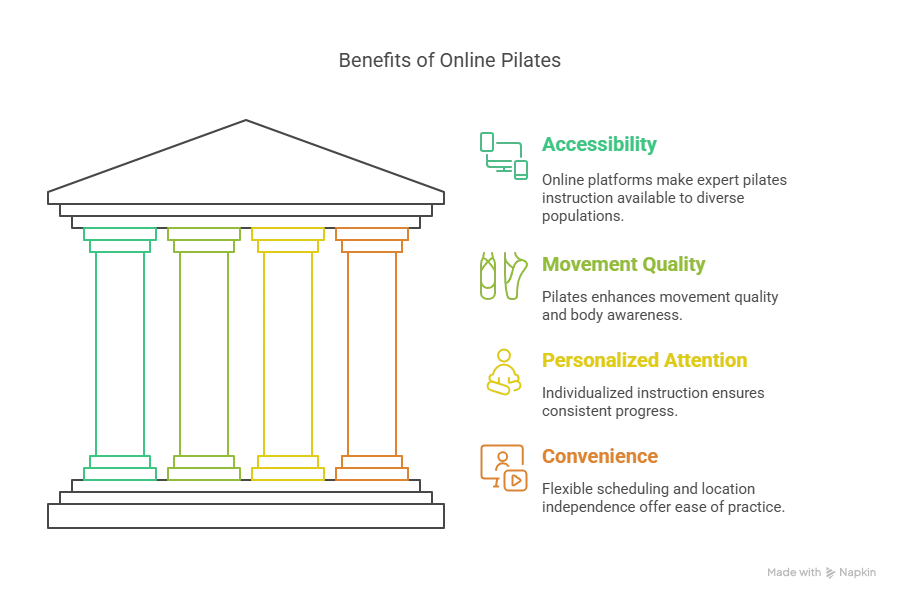
The modern wellness landscape continues to evolve as technological innovations break down traditional barriers to specialized fitness instruction. Among the disciplines benefiting most from this digital transformation is pilates—a precise, mindful exercise system focused on core strength, alignment, and controlled movement. With the emergence of dedicated Online Pilates Instructor services, practitioners now have unprecedented access to expert guidance regardless of their geographical location or schedule constraints, creating new opportunities for holistic physical development.
The Business Case: ROI Data on Workplace Wellness Programs
Corporate wellness initiatives consistently deliver measurable financial returns alongside health improvements. A meta-analysis published in the Journal of Occupational and Environmental Medicine found that workplace wellness programs generate an average ROI of $3.27 for every dollar invested, primarily through reduced healthcare costs and absenteeism. Harvard researchers documented even more compelling results: companies with comprehensive wellness programs experienced 28% reduction in sick days and 26% reduction in health costs over comparable periods.
The productivity gains extend beyond reduced absenteeism. A study in Population Health Management tracked 4,000+ employees across multiple organizations and found that workers participating in wellness programs demonstrated 11% higher job performance ratings compared to non-participants. Meanwhile, research from the American Psychological Association revealed that employees who engage in regular physical activity during work hours report 21% higher concentration levels and 41% higher motivation scores during afternoon working sessions.
For remote teams specifically, the International Journal of Environmental Research and Public Health published findings showing that distributed workers face 43% higher rates of musculoskeletal complaints and 37% increased stress markers compared to office-based colleagues. These health challenges directly impact output: Stanford economists calculated that work-from-home employees experiencing chronic discomfort or stress show productivity decreases of 13-18%, effectively erasing many benefits of remote flexibility.
The most effective corporate wellness strategies incorporate diverse, complementary interventions that address physical, mental, and ergonomic health dimensions simultaneously. Leading organizations are implementing wellness ecosystems rather than isolated programs.
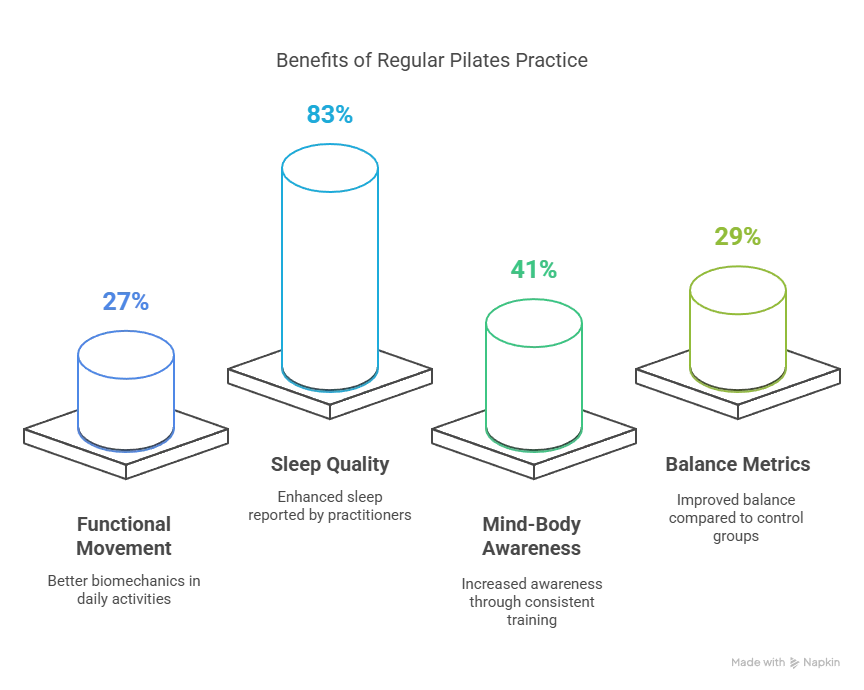
Structured Movement Practices: Disciplines like Pilates offer particular value for desk-bound knowledge workers. A study in the American Journal of Sports Medicine demonstrated that regular Pilates practice improves functional movement scores by 27% after twelve weeks—directly translating to better posture during video calls, reduced neck and shoulder tension, and enhanced endurance during long working sessions. Unlike high-intensity workouts that may leave employees fatigued, controlled movement practices build sustainable strength and body awareness that supports rather than depletes work capacity.
Mindfulness and Stress Management: Meditation breaks and breathing exercises integrated into team schedules show remarkable cognitive benefits. Research from the University of Washington found that employees who participated in brief mindfulness sessions showed 20% improvement in focus and 15% reduction in stress biomarkers. These practices require minimal time investment—often just 5-10 minutes—making them highly practical for busy schedules.
Ergonomic Optimization: Remote workers often lack proper workstation setup, leading to preventable injuries. Companies providing virtual ergonomic assessments and training see significant complaint reductions. Cornell University’s ergonomics research lab documented that proper workstation configuration combined with movement breaks reduces discomfort reports by 63% compared to equipment-only interventions.
Active Meeting Formats: Walking meetings and standing video calls introduce movement without sacrificing collaboration time. A Stanford study found that walking meetings generate 21% more creative ideas compared to seated discussions, while also providing cardiovascular benefits that seated workers critically need.
Case Implementation: Pilates as a Structured Wellness Component
Several technology companies have incorporated scheduled Pilates sessions into their remote wellness programs with notable results. Teams at a mid-sized software firm reported 41% reduction in back pain complaints and 33% improvement in afternoon energy levels after implementing twice-weekly virtual Pilates classes over six months. The structured, low-impact nature makes participation accessible across fitness levels while addressing the specific postural challenges of desk work.
Example exercises that translate well to virtual formats include: the Pelvic Curl for spinal articulation and lower back relief; Bird Dog variations for core stability and shoulder health; and Spine Twist movements that counteract the rotational limitations of seated work. These require no equipment beyond a mat, making them practical for home environments, and instructors can provide effective form correction through video platforms.
How Managers Can Integrate Wellness Into Digital Workflows
The success of remote wellness programs hinges on seamless integration with existing work rhythms and technology infrastructure. Wellness initiatives that require separate logins, manual scheduling, or disruption of established workflows consistently fail to gain adoption, regardless of their inherent value. The solution lies in treating wellness scheduling with the same systematic approach that teams apply to project meetings and deadlines.
Calendar-First Wellness Architecture
Leading organizations build wellness directly into shared calendar systems where teams already manage their time. By blocking recurring wellness sessions—whether movement classes, meditation breaks, or ergonomic check-ins—as formal calendar events, companies signal that these activities hold equivalent importance to traditional meetings. When a standing “Team Pilates Session” appears alongside sprint planning and client calls, participation becomes normalized rather than optional.
The technical challenge emerges when organizations use diverse calendar platforms across departments or allow individual tool preferences. Marketing might operate in Google Calendar while engineering prefers Outlook, and executives may rely on mobile-first scheduling apps. Without synchronization infrastructure, wellness coordinators face impossible administrative burdens manually updating wellness sessions across disparate systems, leading to version conflicts, missed notifications, and ultimately, program abandonment.
Cross-Platform Synchronization Solutions
Sophisticated data synchronization tools solve this fragmentation by maintaining consistent wellness scheduling across all platforms team members actually use. Rather than forcing everyone onto a single calendar system—which creates resistance and compliance challenges—synchronization technology ensures that a wellness event created in one platform automatically appears in all others, with real-time updates when sessions are rescheduled or modified.
This architectural approach extends beyond simple calendar sharing. Effective wellness integration requires bidirectional synchronization that respects existing workflows: when an employee marks a Pilates session as attended in their Outlook calendar, that completion status should flow back to wellness tracking systems without manual data entry. When a meditation instructor updates session notes in Google Calendar, those details should instantly appear for participants using Exchange or mobile apps.
Organizations implementing robust synchronization infrastructure report 67% higher wellness program participation rates compared to those requiring separate wellness portals. The friction reduction proves decisive: employees attend sessions that appear naturally in their existing daily planning tools, while wellness coordinators can manage programs efficiently without learning multiple platform interfaces or performing redundant data entry.
Practical Integration Strategies
Template Wellness Blocks: Create recurring calendar templates for different wellness activities (movement sessions, walking meetings, stretch breaks) that managers can deploy across their teams with pre-populated Zoom links, instructor information, and preparatory materials
Buffer Time Automation: Configure synchronized calendars to automatically add 5-minute buffers before and after wellness sessions, preventing back-to-back scheduling that undermines participation
Participation Tracking Integration: Link calendar attendance with HR wellness platforms so participation data flows automatically to incentive programs without manual reporting
Cross-Department Visibility: Enable appropriate sharing permissions so employees can discover and join wellness sessions across organizational boundaries, fostering inter-departmental connection
Mobile Accessibility: Ensure wellness calendar events synchronize seamlessly to mobile devices where remote workers increasingly manage their schedules
Measuring Wellness Program Effectiveness
Synchronized calendar infrastructure provides valuable analytics that isolated wellness platforms cannot deliver. By examining calendar data alongside productivity metrics, organizations can identify optimal wellness timing—discovering, for instance, that mid-afternoon movement breaks correlate with improved late-day output, or that morning meditation sessions reduce meeting overruns.
The data feedback loop enables continuous program refinement. If ergonomic training sessions show consistently low attendance at 8 AM but full participation at 11 AM, coordinators can adjust scheduling accordingly. If certain teams demonstrate higher wellness engagement and simultaneously achieve better sprint velocity or customer satisfaction scores, those correlations inform organization-wide strategy.
For those considering their wellness options, exploring personalized online pilates instruction offers an opportunity to experience the comprehensive benefits of this method without the constraints of location or rigid scheduling. The individualized attention, combined with the comfort of practicing in your own space, creates an environment where consistent progress becomes both achievable and sustainable – Find pilates instructor online on Mywowfit
Implementation Roadmap for Remote Wellness Programs
Phase One: Foundation Building (Weeks 1-4)
Conduct baseline employee health and engagement surveys to identify priority needs
Audit existing calendar and scheduling infrastructure to map synchronization requirements
Select diverse wellness modalities that address identified employee challenges (movement, mindfulness, ergonomics)
Establish partnerships with qualified virtual instructors across wellness disciplines, and confirm each one carries personal trainer insurance that covers online sessions.
Configure calendar synchronization systems to support cross-platform wellness scheduling
Phase Two: Pilot Launch (Weeks 5-12)
Deploy pilot program with volunteer teams representing diverse departments and work patterns
Schedule varied wellness sessions at different times to identify optimal participation windows
Gather continuous feedback through brief post-session surveys automatically linked to calendar events
Track participation rates, health outcome metrics, and productivity indicators for pilot groups
Refine scheduling, content, and technology integration based on pilot insights
Scale successful pilot elements across entire organization with clear communication about calendar integration
Provide manager training on promoting wellness participation and modeling healthy behaviors
Establish ongoing measurement frameworks linking wellness engagement to business KPIs
Create feedback loops where employee input continuously shapes program evolution
Communicate ROI data transparently to reinforce organizational commitment and employee buy-in
Frequently Asked Questions
How do we encourage participation without making wellness feel mandatory? The most successful programs frame wellness as supported rather than required. By providing diverse options at various times and making scheduling frictionless through calendar integration, employees can engage with activities that genuinely appeal to them. Leadership participation and visible organizational support signal value without coercion.
What if employees work across multiple time zones? Offer recorded session options alongside live classes, and schedule recurring sessions at rotating times to accommodate different regions. Synchronization tools should handle time zone conversions automatically so employees see wellness events in their local time regardless of where the session originates.
How do we measure wellness program success beyond participation numbers? Establish baseline and ongoing measurement of productivity metrics, employee engagement scores, health risk assessments, absenteeism rates, and healthcare utilization data. The most compelling ROI stories combine multiple data streams showing correlated improvements across health and business outcomes.
Can wellness programs work for customer-facing teams with rigid schedules? Yes, with thoughtful design. Offer shorter micro-break options (5-10 minutes) that fit between customer interactions, provide asynchronous recorded content, and work with team leads to identify natural schedule gaps. Even brief movement or breathing practices deliver measurable benefits when performed consistently.
What about employees who feel self-conscious participating in video-based movement classes? Normalize cameras-optional participation for wellness sessions, emphasizing that personal practice matters more than visibility. Some organizations create smaller breakout sessions for employees with similar experience levels, reducing intimidation factors while maintaining instructor guidance.
How do we prevent wellness scheduling from creating additional meeting fatigue? Distinguish wellness sessions visually in calendars (through color-coding or specific labeling), position them as energizing breaks rather than obligations, and rigorously protect them from being overridden by traditional meetings. Buffer time automation prevents the back-to-back scheduling that creates fatigue.
What technology investment is required for effective wellness integration? Core requirements include reliable video conferencing, calendar systems teams already use, and synchronization infrastructure that maintains consistency across platforms. The synchronization layer proves most critical—without it, administrative burden undermines even well-designed wellness content.
Transforming Remote Work Through Systematic Wellness
The evidence is unambiguous: structured wellness programs deliver substantial returns in employee health, engagement, and organizational productivity. Yet realizing these benefits requires more than good intentions or occasional wellness webinars. Success demands systematic integration of wellness into the digital infrastructure that shapes remote work—particularly the calendar and scheduling systems where teams negotiate their time and priorities.
By treating wellness scheduling with the same rigor applied to project management, and by implementing synchronization tools that eliminate friction across diverse platforms, organizations transform health initiatives from peripheral programs into core operational components. The result is measurable: reduced healthcare costs, improved performance metrics, enhanced retention, and teams that bring sustainable energy to their work rather than merely pushing through fatigue and discomfort.
Comparison of Wellness Program Integration Approaches
Feature/Characteristic
Integrated Digital Wellness (Synchronized Calendar Model)
Standalone Wellness Platform
Informal/Ad-Hoc Wellness Activities
Participation Friction
Minimal—appears in existing workflow tools
High—requires separate login and navigation
Very high—dependent on individual initiative
Administrative Burden
Low with synchronization infrastructure
High—manual coordination across systems
Minimal structure to manage
Cross-Team Visibility
Excellent—shared calendar infrastructure
Limited to platform users only
Essentially non-existent
Participation Tracking
Automated through calendar analytics
Platform-specific, often incomplete
Largely unmeasurable
Integration with Productivity Tools
Seamless—native calendar compatibility
Requires API connections or remains isolated
No integration
Typical Adoption Rates
60-75% of eligible employees
25-40% of eligible employees
5-15% of employees
Beyond Core Strength: The Comprehensive Benefits of Online Pilates Training was last modified: October 16th, 2026 by Colleen Borator
It is well known that individuals with health issues that span over a period of time face diverse issues that are not limited to a quick trip to see a physician. The health issues that have been faced over a long period of time call for a more inclusive form of healthcare – one that considers the ground reality of managing symptoms, aftercare needs, and changes to a patient’s ethic. This is, therefore, a chronic care management concept as it changes the game when it comes to patients with chronic diseases and obtaining continuous help.
Understanding Chronic Care Management
Chronic care management refers to the continued medical management and providing supportive services for an individual with a long-term health condition and is complementary to acute care services that are performed in the setting of immediate or urgent medical need. This management encompasses care coordination, regular follow-up and surveillance, patient education, surveillance and administration of medications, with the goal of optimizing overall health and by improving different health results.
Chronic care management works best when patients have a clear plan and steady support between medical visits. Many families turn to Support Plus Personal Care services when daily tasks and routine check-ins start to feel harder to manage alone. This kind of added support can reduce missed medications, improve safety at home, and help patients stay consistent with their care goals.
Who Benefits From This Approach?
Patients living with one or more chronic conditions stand to gain the most from comprehensive chronic care management. These conditions typically include diabetes, heart disease, high blood pressure, arthritis, COPD, asthma, and depression, among others. Medicare defines eligible patients as those with two or more chronic conditions expected to last at least 12 months or until the end of life, presenting a significant risk of deterioration or requiring ongoing medical intervention.
Elderly individuals often benefit significantly from these services, as approximately 80% of adults over 65 have at least one chronic condition, and many have multiple. However, chronic care management isn’t limited to seniors—anyone with ongoing health conditions that require consistent monitoring and care can benefit from this structured approach.
Key Components of Effective Management
Successful chronic care management programs typically include several essential elements. A comprehensive care plan outlines treatment goals, medications, and recommended services. Regular check-ins, either in-person or virtual, allow providers to monitor conditions and make timely adjustments to treatment plans. Care coordination ensures all healthcare providers stay informed about the patient’s condition and treatments, reducing redundant testing and contradictory advice.
Patient education forms another crucial component, empowering individuals with knowledge about their conditions and self-management techniques. Technology often plays a vital role, with remote monitoring devices and telehealth services extending care beyond office visits.
The Impact on Health Outcomes
Research consistently demonstrates that chronic care management leads to improved health outcomes. Patients experience fewer hospitalizations, reduced emergency room visits, better medication adherence, and improved quality of life. The continuous nature of care allows for early detection of complications and timely interventions before conditions worsen.
Conclusion
Chronic care management marks a necessary transformation from reactive to proactive healthcare when it comes to people with long-term ailments. This approach integrates patient self-management for chronic conditions and combines it with more frequent follow-ups, ultimately allowing the relevant parties to manage their ailments and lead normal lifestyles more efficiently. For those inclining towards managing chronic illnesses, continuous service along with improved service coordination is not only more effective service provision, but also an enhanced functioning state and a higher satisfaction in living life.
What Is Chronic Care Management and Who Needs It? was last modified: April 7th, 2026 by Sana Faisal
The landscape of healthcare is changing rapidly, and nurse practitioners (NPs) are finding themselves at the center of a digital transformation that is reshaping patient care. With advancements in data analytics, telehealth, and clinical decision support tools, NPs must now adapt their skills to work alongside complex technologies. This evolution requires not just technical knowledge, but also a understanding of how digital tools can enhance diagnostic precision, treatment personalization, and overall patient outcomes.
As healthcare systems seek cost-effective and scalable solutions, technology is playing a growing role in everything from remote monitoring to artificial intelligence–driven risk prediction. NPs are increasingly using these tools to manage chronic conditions, interpret real-time data, and streamline administrative tasks. These shifts allow NPs to focus more on the human aspects of care, while also managing larger patient panels with greater efficiency.
Understanding the opportunities and challenges of this technological transformation is essential. Early-career and experienced NPs alike must remain current on how innovations are influencing clinical workflows, patient expectations, and care delivery models. As digital tools continue to evolve, including predictive analytics, remote monitoring, and artificial intelligence, nurse practitioners must cultivate a forward-looking mindset that embraces continuous learning and adaptability. This proactive approach will enable them to navigate emerging trends with confidence, shape best practices, and contribute meaningfully to the future of patient-centered, technology-enhanced care.
Telehealth and the New Frontline of Access
Telehealth has emerged as one of the most significant shifts in healthcare delivery in recent years, dramatically altering the way NPs interact with patients. What began as a temporary solution during public health emergencies has now evolved into a preferred modality for many types of care. From managing routine follow-ups to providing behavioral health consultations, telehealth platforms enable NPs to meet patients where they are, often in the comfort of their own homes.
This digital interface comes with new responsibilities and competencies. NPs must master virtual bedside manner, refine their communication skills for digital environments, and understand how to conduct effective assessments remotely. In addition, they need to remain vigilant about privacy and data security standards, ensuring that patient information remains protected under evolving regulatory frameworks.
Beyond patient interaction, telehealth also allows for more flexible workflows for practitioners. NPs can balance their workloads across time zones, reduce commute-related stress, and manage documentation more fluidly. These advantages not only benefit providers but also lead to higher patient satisfaction and better adherence to care plans. However, to capitalize fully on telehealth’s promise, NPs must continue to engage in training and adopt systems that are intuitive and scalable across diverse populations.
The Rise of AI and Predictive Analytics
Artificial intelligence is increasingly making its mark on healthcare, and nurse practitioners are beginning to see the effects in everyday clinical decision-making. AI-driven platforms now assist in diagnosing conditions, predicting patient deterioration, and recommending treatment pathways based on large-scale data analysis. These technologies offer NPs a new level of support, improving speed and accuracy in diagnosis and allowing for more individualized care strategies.
Yet this rise in computational assistance brings with it new challenges. NPs must understand the algorithms behind the tools they use, including their limitations and potential biases. Blindly following AI-generated suggestions can introduce risk, especially in complex or nuanced cases where human judgment remains paramount. The goal is not to replace clinical intuition but to augment it with data-informed insights that enhance patient care.
Predictive analytics also enable NPs to take a more proactive approach to care. By identifying patients at high risk for hospitalization or complications, practitioners can intervene earlier and more strategically. This shift from reactive to preventive care has the potential to reduce healthcare costs and improve outcomes, but it requires NPs to become comfortable with data interpretation and integration into daily practice.
EHR Optimization and Clinical Workflow
Electronic health records (EHRs) have long been a point of contention in healthcare, often cited as burdensome and inefficient. However, recent innovations are aiming to reverse this trend, and NPs are among those who stand to benefit most. Enhanced EHR platforms now offer improved interfaces, voice-to-text capabilities, and integrated decision support that can significantly reduce documentation time and cognitive overload.
Despite these improvements, mastering the intricacies of EHR systems remains a crucial skill for NPs. Navigating workflows, setting up personalized dashboards, and leveraging built-in analytics tools can help streamline daily operations and improve clinical outcomes. Effective use of EHRs also facilitates better coordination with multidisciplinary teams, ensuring continuity of care across specialities and settings.
The ability to harness EHR functionality extends beyond simple record-keeping.Advanced nursing practitioners can use embedded data to track outcomes, identify care gaps, and tailor interventions to meet specific population needs. These systems are increasingly becoming platforms for quality improvement, making it imperative for advanced nursing practitioners to participate in ongoing training and institutional feedback loops to shape their development. Technology is fundamentally shaping the future of advanced nursing practitioners, enhancing their ability to deliver more precise and personalized care.
Remote Monitoring and the Expansion of Chronic Care
Remote patient monitoring (RPM) has unlocked new possibilities in managing chronic disease, especially for populations with limited access to traditional healthcare services. Through wearable devices, mobile apps, and home-based sensors, NPs can track vital signs, medication adherence, and lifestyle metrics in real time. This continuous flow of information offers a more comprehensive view of patient health, enabling earlier interventions and better long-term management.
Integrating RPM into practice demands both clinical acumen and technological literacy. NPs must know how to interpret streaming data, identify when intervention is necessary, and communicate findings to both patients and other members of the care team. Moreover, they must educate patients on how to use the technology correctly, ensuring reliability and adherence while remaining sensitive to barriers like digital literacy and access to devices.
Beyond improving individual patient care, RPM provides valuable data for broader population health initiatives. NPs can detect community-level trends, assess treatment efficacy, and contribute to research efforts that refine best practices. The ability to operate at this intersection of individualized care and public health positions NPs as critical drivers of innovation in the chronic disease space.
Preparing for the Future: Training, Policy, and Adaptation
The accelerating pace of healthcare innovation means that ongoing education is no longer optional for NPs. Institutions are increasingly incorporating technology training into graduate programs, but practicing NPs must also seek out continuing education, certifications, and peer-to-peer learning opportunities to stay competitive and competent. Keeping pace with these changes requires a proactive mindset and institutional support for professional development.
Policy frameworks must also evolve to support the expanding scope of NP practice in a tech-enabled environment. Licensure laws, reimbursement models, and telehealth regulations must keep up with the realities of digital care delivery. NPs should be involved in policy discussions at the local, state, and national levels, advocating for reforms that allow them to practice to the full extent of their training and expertise while utilizing modern tools.
Lastly, adaptability will be the cornerstone of success. As technology continues to evolve, so too will the expectations placed on nurse practitioners. Those who embrace innovation, seek interdisciplinary collaboration, and maintain a commitment to ethical, patient-centered care will be best positioned to thrive. The future of nursing is being written in code and data, but it remains grounded in the same values that have always defined the profession: compassion, competence, and continuous learning.
What Every NP Should Know About the Tech-Driven Future of Care was last modified: May 18th, 2025 by Sarah Williams
Women face unique social pressure in our world today. They must fulfill family duties, provide family income or economize in the home, provide emotional support to partners, and fit a critical public in terms of appearance and build. Weight management is key to fulfilling these expectations.
Success comes from using long-tested techniques like controlled eating, but more and more women are adding platforms like MyWowFit, which integrates effective routines for weight loss with personalized online coaching.
The Growing Trend of Online Fitness
The digital fitness industry is experiencing unprecedented growth. According to research, the online fitness market has grown by 45% over the past two years, significantly outpacing the growth rate of the traditional fitness industry. This surge is explained not only by pandemic aftereffects but also by the general trend toward digitalization.
Another important fact is that women who use online personal training services show 37% better adherence to their fitness programs compared to those who exercise independently. The accountability factor proves critical for achieving sustainable results.
Key Statistics:
78% of fitness enthusiasts now use at least one digital fitness solution
The average retention rate for online personal training is 6.8 months versus 2.3 months for self-guided programs
62% of people cite time constraints as their main barrier to traditional gym attendance
Real-Life Success Stories
Consider Sarah, a 42-year-old marketing executive and mother of two who struggled with post-pregnancy weight for years. “I tried gym memberships, jogging, swimming, and spin. I quit all of them in just weeks because of my work and family obligations,” she shares. With online personal training, Sarah lost 28 pounds in six months while working out three times weekly from her living room.
Similarly, Michaela, a 55-year-old with recent knee surgery, found gym environments added to self-esteem issues and took too much time. He completed his physical therapy obligations through personal online coaching and unexpectedly lost 15 pounds of excess weight. “I feel great now. Having a trainer who was not judging me, but still could push me, made all the difference,” he explains.
Finding the Right Online Solution
While exploring weight loss options, many people encounter obstacles like lack of personalization or difficulty maintaining motivation. Mywowfit addresses these challenges through one-on-one video training sessions with certified professionals. What sets quality online training apart is the ability to receive real-time feedback and corrections, just like in in-person sessions.
It’s worth noting that online fitness platforms vary significantly in quality and approach. Some focus purely on workout videos without interaction, while others, like Mywowfit, prioritize personalized guidance and accountability. The most effective solutions combine exercise programming with nutritional guidance and progress tracking.
Of course, online training has certain limitations—trainers cannot physically adjust your form or provide hands-on assistance. However, quality platforms compensate with multiple camera angles, detailed verbal cues, and specialized coaching techniques developed specifically for women.
Implementing an Effective Online Training Routine
How to Maximize Results with Online Personal Training:
Create a dedicated workout space, even if small (6×6 feet is sufficient)
Test your technology setup before your first session
Communicate specific goals and limitations to your trainer
Follow through with recommended between-session activities
Track progress through measurements beyond just weight
As Dr. Jennifer Roberts, sports medicine specialist at Columbia University, notes: “The effectiveness of exercise doesn’t depend on location but rather on proper form, appropriate intensity, and consistency—all of which can be achieved through well-designed online training programs.”
Similarly, celebrity trainer Marcus Thompson observes: “The most significant advantage of online training is the elimination of barriers. When your trainer is accessible from anywhere, excuses disappear and consistency becomes much easier to maintain.”
Frequently Asked Questions
Do I need special equipment for online training? Not at all! You can start with minimal equipment —often just your body weight, though resistance bands or light dumbbells can enhance results.
How do trainers correct form through video? Professional online trainers use specific verbal cues, request multiple angles, and utilize visual demonstrations to ensure proper technique.
Is online training effective for significant weight loss? Yes, research shows comparable results between online and in-person training when following a structured program with accountability components.
Can online training accommodate injuries or health conditions? Qualified trainers can modify exercises for various conditions, though medical clearance is recommended for specific health concerns.
How often should I train online for weight loss results? Most successful clients achieve results with 3-4 sessions weekly, combined with independent activity.
Will I receive nutritional guidance as well? A good online plan will include nutritional recommendations as well as reinforcement for good eating habits.
How quickly can I expect to see results? You can get results within 4-6 weeks, with more substantial results at the 3-month mark.
Conclusion
The landscape of fitness has fundamentally changed, with online personal training for women emerging as a convenient, effective solution for weight loss and overall health improvement. By combining technological advantages with effective coaching, these services deliver accountability, personalization, and flexibility previously unavailable to most people.
For women considering their next steps in fitness, exploring online options may provide the sustainable approach needed for long-term success. Additional resources like fitness tracking apps, nutrition planning tools, and Online personal training prices can further enhance your journey.
Comparison of Weight Loss Solutions
Feature/Characteristic
Mywowfit
Self-Guided Apps
Traditional Gym
Personalized Programming
Custom workouts tailored to individual needs
Generic templates with minor customization
Personalized only with paid PT sessions
Real-time Feedback
Live corrections during video sessions
None or AI-based only
Available only during in-person sessions
Scheduling Flexibility
Available early morning to late evening, 7 days/week
Complete flexibility (anytime)
Limited to gym operating hours
Equipment Required
Minimal or none
Varies by program
Full gym access
Cost Effectiveness
Moderate investment with high accountability
Lowest initial cost but lower completion rates
Highest cost when including membership + PT
Effective Online Weight Loss for Women: Trends and Technologies was last modified: June 4th, 2025 by Colleen Borator
In the healthcare world, keeping operations running smoothly and providing good patient care can be hard. A major issue for healthcare providers is working with Revenue Cycle Management (RCM). This problem is especially big for Durable Medical Equipment (DME) and Home Medical Equipment (HME) providers, where billing, getting paid, and coding are key to making money. In this article, we will look at how RCM software can help DME and HME providers work better and collect more money.
What is RCM Software in Healthcare?
Revenue Cycle Management (RCM) is the process used by healthcare providers to manage the money they earn from patient services. This includes handling the billing and payments for medical services. It covers everything from patient intake, checking insurance, to sending claims and posting payments. RCM software helps automate these tasks. This makes the whole process easier and more clear.
For healthcare providers, RCM software can make it easier to handle billing codes, claims, payments, and rules to follow. This helps the organization get payments that are correct and on time. As healthcare billing gets more complicated, RCM software helps providers stay steady with money. It does this by making the claims process faster and more correct, which reduces mistakes and speeds up payments.
The Role of RCM Software for DME and HME Providers
Durable Medical Equipment (DME) and Home Medical Equipment (HME) providers have special challenges in managing their money flow. They provide important medical tools like oxygen tanks, wheelchairs, and CPAP machines. These items need specific ways of billing and coding to get payments. DME and HME providers often work with insurance companies and Medicare/Medicaid for payments. The rules about this are often changing.
RCM software built for healthcare providers in the DME and HME fields can make billing processes better. It helps ensure that providers get paid correctly and on time. Some main benefits are:
1. Streamlined Billing and Coding
For DME and HME providers, getting the right codes is very important to receive the correct payment. RCM software makes this easier by automatically using the right billing codes based on the equipment given and what the patient has. It can also help follow new rules, which lowers the chances of mistakes in billing codes and the denial of claims.
The software can create electronic claims that meet industry standards. This helps get faster approval and payment. This is important for DME and HME providers. They often handle many claims that need to be done quickly and accurately.
2. Insurance Verification and Authorization
RCM software in healthcare lets providers check patient insurance details and get authorization for DME and HME services automatically. This task can take a lot of time and may have delays. However, by automating these steps, RCM software helps providers avoid mistakes when billing and makes the payment process faster. When providers make sure that insurance information is correct before offering a service, they can lower claim rejections and improve patient satisfaction.
3. Faster Claims Processing and Payment
For DME and HME providers, being paid on time is very important for cash flow. RCM software makes the whole process faster by automating claim submissions and tracking their progress. It gives real-time updates on claim statuses, which helps providers see and fix any problems quickly. If a claim is denied, the software can help find out why and suggest what to do next, cutting down the time it takes to get paid back.
4. Improved Reporting and Analytics
RCM software offers strong reporting and analytics tools. These tools help DME and HME providers monitor their performance and spot trends. This data lets providers figure out which equipment earns the most money. It also helps them see common billing problems and improve their processes for better results. Additionally, the software tracks important performance measures, like denial rates and collections. This information helps healthcare managers make smart choices to boost their profits.
Benefits for DME and HME Providers
The use of RCM software can bring many important advantages to DME and HME providers:
Less Work Needed: Using automation for billing, coding, and claims helps staff have less administrative work. This lets them focus more on important tasks like patient care and helping customers.
More Money Coming In: Faster claim submissions and quicker payments lead to better cash flow for DME and HME providers. There are also fewer denied claims.
Clearer Rules to Follow: RCM software helps stay up-to-date with the latest industry rules and coding targets. This lowers the chances of audits and fines.
Improved Patient Care: With clear and timely billing, patients face fewer errors in billing and faster insurance approvals. This makes their overall experience better.
Conclusion
As the healthcare industry changes, managing the revenue cycle becomes more complicated, especially for DME and HME providers. Using custom healthcare software development can help simplify the whole process. It can make billing more precise, speed up payments, and improve how well things work. By automating important tasks, DME and HME providers can increase cash flow, lower administrative costs, and follow changing rules. This leads to a business that works better and earns more, while staying focused on providing quality care to patients.
Improving Healthcare with RCM Software: A Solution for DME and HME Providers was last modified: November 19th, 2025 by Colleen Borator
In recent years, the telehealth industry has experienced rapid transformation, accelerated by technological advancements and changing patient expectations. The COVID-19 pandemic acted as a catalyst, pushing both providers and patients toward virtual care as a necessity.
For those considering starting a telehealth venture, it’s crucial to research not just the clinical side but also the business implications. The operational model must be sustainable and scalable, and the startup must be prepared to address logistics such as provider networks, EHR integration, and customer acquisition strategies.
The barrier to entry may appear low due to digital tools and platforms being readily available, but maintaining operational and clinical quality over time requires deep strategic planning.
What was once considered an alternative model of healthcare delivery has now emerged as a cornerstone of modern medicine. The increasing demand for remote care has encouraged startups to enter the telehealth space, though not without facing a complex and evolving environment.
As the industry matures, regulatory frameworks, payer policies, and patient behaviors are becoming more nuanced. New entrants must navigate state-by-state licensure requirements, HIPAA compliance, and a variety of reimbursement models. Understanding the foundational structure of telehealth is essential before launching into a highly competitive and heavily regulated field.
Understanding the practical challenges, including licensing hurdles, technology infrastructure, and patient engagement strategies, is essential for setting a strong foundation. Entrepreneurs need to be realistic about the resources required to launch and sustain operations, while also anticipating the evolving expectations of patients and providers in a digital environment. Success depends not only on innovation but also on the ability to execute with precision in a highly regulated, rapidly shifting industry.
Building the Right Business Model
Choosing the right business model is foundational to any telehealth startup. While some companies offer direct-to-consumer services, others operate on a business-to-business (B2B) model, partnering with healthcare organizations, insurers, or employers. Each model has its own operational demands, financial structure, and regulatory considerations. Entrepreneurs must align their approach with their long-term vision, target demographics, and available resources.
A subscription-based model may provide predictable revenue but often requires a higher upfront investment in marketing and infrastructure. Conversely, a pay-per-visit structure might be easier to implement initially but can present challenges in revenue consistency and scalability. Additionally, hybrid models are becoming more popular, blending virtual care with in-person visits to improve continuity and patient satisfaction. Whatever the chosen path, clarity in financial projections and monetization strategies is crucial for attracting investors and building credibility.
It is also important to consider the niche that the telehealth platform will serve. For those exploring innovative approaches to women’s health within the telehealth space, Evvy offers advanced insights through at-home testing, empowering patients and providers with personalized data-driven care solutions. Specializing in a particular medical area such as mental health, chronic disease management, or women’s health can help differentiate the service and attract a loyal user base. However, specialization also requires a deep understanding of clinical workflows, patient needs, and regulatory constraints within that field. Identifying unmet market needs and aligning them with operational capacity can significantly improve the chances of long-term success.
Navigating Legal and Regulatory Compliance
Telehealth startups face a complex patchwork of regulatory requirements that differ by region and service type. Compliance is not optional, and failure to adhere to laws such as HIPAA, HITECH, and state medical licensure rules can lead to severe penalties and reputational damage. Startups must prioritize legal infrastructure early on, investing in compliance officers or legal consultants familiar with healthcare law.
One of the most significant legal hurdles is provider licensure. In the United States, most states require that physicians be licensed in the state where the patient is located at the time of service. While some progress has been made through interstate compacts, telehealth startups must still establish frameworks for multi-state licensing or focus their operations in specific regions to ensure compliance. This is especially critical for startups aiming to scale rapidly across state lines.
Beyond licensure, startups must also comply with data privacy regulations, which govern how patient data is collected, stored, and shared. The use of end-to-end encrypted platforms, secure cloud storage, and audited access logs are all essential features in a legally sound telehealth system. Implementing a culture of compliance from day one not only helps avoid legal trouble but also builds trust among users and potential partners.
Developing and Scaling Technology Infrastructure
A telehealth startup is, at its core, a technology company. Building a platform that is stable, secure, and user-friendly is one of the most significant challenges new entrants face. The choice between building proprietary technology or leveraging white-label solutions depends on the company’s technical capabilities, budget, and long-term goals. Regardless of the path chosen, the platform must support high-quality video, secure messaging, electronic prescribing, and seamless integration with other health systems.
Scalability is another critical consideration. A platform that works for 50 users may falter under the weight of 5,000 if it’s not built for growth. Cloud-based architecture, modular code, and robust backend support are essential for handling increased user activity without sacrificing performance. Regular testing, system redundancy, and 24/7 technical support are non-negotiable features of a reliable telehealth system.
Moreover, the user experience should be designed with both patients and providers in mind. Patients need an intuitive interface that makes accessing care straightforward, while providers require tools that reduce administrative burden and enhance care delivery. This dual focus can drive adoption and retention on both sides of the platform. User feedback, iterative development, and agile product management are crucial to evolving the technology in line with market expectations.
Acquiring and Retaining Patients
Customer acquisition in the telehealth space requires a multifaceted marketing strategy. Unlike traditional clinics that rely on geographic proximity, telehealth startups often face the challenge of building trust in a virtual environment. Content marketing, search engine optimization, social media engagement, and partnerships with local providers can help create visibility and attract initial users. However, acquiring users is just the beginning; retention is what determines longevity.
A positive first impression is critical. This includes not only the technical aspects of the platform but also the responsiveness of the clinical staff, ease of appointment booking, and the clarity of follow-up instructions. Offering a seamless and supportive experience can turn first-time users into long-term patients. Startups should invest in patient onboarding processes that reduce friction and increase confidence in the platform.
Retaining users also involves proactive engagement. Automated reminders, personalized health tips, and loyalty programs can help maintain consistent interaction with patients. Startups should also pay attention to feedback loops, allowing users to report issues and suggest improvements. By continuously improving both the product and the service, telehealth startups can cultivate a user base that grows organically through referrals and strong satisfaction metrics.
Preparing for Investment and Long-Term Viability
Securing funding is a pivotal step for most telehealth startups, particularly given the high upfront costs associated with technology development, regulatory compliance, and provider acquisition. Investors are increasingly drawn to the telehealth space, but competition for capital remains intense. Founders must be prepared with detailed business plans, realistic financial forecasts, and a compelling narrative that articulates the startup’s value proposition and differentiation in the market.
Investors typically look for traction, whether that’s in the form of active users, signed partnerships, or demonstrated clinical outcomes. Startups that can show evidence of early adoption and positive user experiences are more likely to secure meaningful investment. However, financial sustainability also matters. Demonstrating how the business will achieve profitability or breakeven, and when, is crucial in appealing to both venture capital and strategic investors.
Long-term viability depends not only on securing capital but also on thoughtful expansion. Startups must resist the temptation to scale too quickly without adequate operational infrastructure. Instead, they should focus on measured growth, continuously refining their offering, and building a brand that patients and providers trust. Balancing innovation with stability is the key to navigating the telehealth industry’s future while maintaining strong business fundamentals.
Final Thoughts
Launching a telehealth startup is both an exciting and formidable endeavor. From selecting a business model to navigating complex regulations and scaling technology, the process requires a deep understanding of the healthcare landscape and an unwavering commitment to quality. The most successful startups are those that prepare extensively, iterate strategically, and stay grounded in the core mission of improving patient care through accessible and innovative solutions.
How Telehealth Startups Evolve: What to Know Before You Begin was last modified: April 1st, 2026 by Sarah Williams
In today’s fast-paced digital era, the healthcare industry is undergoing a major transformation, thanks to cloud computing. Cloud solutions for healthcare are enabling hospitals, clinics, and other medical facilities to store, manage, and analyze patient data more efficiently. From improved patient care to enhanced data security, cloud technology is playing a vital role in modern healthcare systems.
In this article, we’ll explore how cloud solutions are revolutionizing healthcare, their benefits, challenges, and future prospects.
The Growing Importance of Cloud Computing in Healthcare
Healthcare organizations handle vast amounts of sensitive data, including patient records, test results, and treatment histories. Traditional IT infrastructure is often inefficient, expensive, and difficult to maintain. Cloud computing provides a scalable and cost-effective alternative that allows healthcare providers to store and access data securely from anywhere.
According to recent research, the global healthcare cloud computing market is expected to grow significantly in the coming years. This is driven by factors such as the increasing adoption of electronic health records (EHRs), advancements in telemedicine, and the need for real-time collaboration between healthcare professionals.
Key Benefits of Cloud Solutions in Healthcare
1. Improved Data Storage and Accessibility
One of the biggest advantages of cloud solutions for healthcare is enhanced data storage. Medical institutions generate a massive amount of data daily, and storing this data securely while ensuring easy access is crucial.
Cloud storage allows for centralized patient records, reducing the risk of lost or incomplete medical histories.
Healthcare professionals can access patient data from multiple locations, improving efficiency in decision-making.
Patients benefit from seamless access to their medical records via secure patient portals.
2. Enhanced Security and Compliance
Data security is a top concern in healthcare due to strict regulations like HIPAA (Health Insurance Portability and Accountability Act) in the U.S. and GDPR (General Data Protection Regulation) in Europe. Cloud solutions are designed to provide robust security measures, including:
Advanced encryption protocols to protect patient data.
Regular security audits and compliance checks.
Multi-factor authentication (MFA) and role-based access control (RBAC) to prevent unauthorized access.
3. Cost Efficiency and Scalability
Traditional on-premise IT infrastructure requires high upfront costs and continuous maintenance. Cloud computing, on the other hand, offers:
A pay-as-you-go pricing model, reducing unnecessary expenses.
Scalable solutions that can grow with the needs of the healthcare provider.
Reduced IT staff workload, allowing organizations to focus more on patient care.
4. Real-Time Collaboration and Telemedicine
With cloud technology, doctors, nurses, and specialists can collaborate in real-time, even if they are in different locations. This has significantly improved:
Telemedicine and remote consultations, allowing patients to receive medical advice from home.
Quick access to second opinions and expert consultations.
Faster communication between hospitals, labs, and pharmacies, leading to better patient outcomes.
5. Artificial Intelligence (AI) and Big Data Analytics
Cloud solutions integrate seamlessly with AI and big data analytics to improve diagnostics and treatment plans. For example:
AI-powered cloud platforms can detect patterns in medical images, improving early disease detection.
Predictive analytics can help hospitals manage resources effectively by forecasting patient admission rates.
Personalized treatment plans can be developed based on patient history and genetic data.
To turn cloud-hosted clinical data into actionable insights, many organizations pair their platforms with data abstraction solutions that standardize disparate EHR and registry inputs, apply measure logic, and feed validated analytics for quality improvement, patient safety, and regulatory reporting. This operational layer helps ensure AI models and dashboards are populated with accurate, timely data drawn from real-world clinical workflows.
Challenges of Implementing Cloud Solutions in Healthcare
Despite the numerous advantages of cloud computing in healthcare, its adoption comes with significant challenges that organizations must navigate carefully. One of the primary concerns is data security and privacy, as healthcare institutions handle highly sensitive patient information that must be protected from cyber threats, breaches, and unauthorized access. Even with strong encryption and compliance measures, cloud-based systems remain attractive targets for hackers. Regulatory compliance is another major hurdle, as different countries and regions have strict laws governing the storage and sharing of healthcare data, such as HIPAA in the U.S. and GDPR in Europe. Healthcare providers must ensure that cloud solutions align with these legal requirements to avoid penalties and legal consequences. Integration with legacy systems is also a common challenge, as many hospitals and clinics still rely on outdated infrastructure that may not be compatible with modern cloud technologies. Transitioning to the cloud requires careful planning, investment, and staff training to prevent disruptions in patient care. Additionally, internet dependency and the risk of downtime pose operational risks, as cloud-based healthcare systems rely on stable network connections to function effectively. In cases of internet outages or cloud service failures, accessing critical patient data can be delayed, potentially affecting treatment and emergency responses. Healthcare professionals may also face resistance to change, as some staff members may be hesitant to adopt new digital workflows due to a lack of technical expertise or concerns about job security. Furthermore, the cost of migration and ongoing maintenance can be a significant financial burden, particularly for smaller healthcare facilities with limited budgets. While cloud computing offers long-term cost savings, the initial investment in infrastructure, cybersecurity, and staff training can be substantial.Overcoming these barriers requires strategic planning, collaboration between cloud providers and healthcare organizations, and continuous advancements in secure and scalable cloud technologies.
The Future of Cloud Computing in Healthcare
The future of cloud solutions for healthcare looks promising, with several innovations on the horizon:
1. Edge Computing for Faster Processing
Edge computing will allow data to be processed closer to where it is generated, reducing latency and improving real-time decision-making in healthcare.
2. Blockchain for Enhanced Security
Blockchain technology is expected to enhance data security by creating decentralized, tamper-proof patient records.
3. Advanced AI Integration
AI-powered cloud platforms will continue to improve diagnostics, automate administrative tasks, and provide deeper insights into patient health.
4. Expansion of 5G and IoT in Healthcare
The integration of 5G and the Internet of Things (IoT) with cloud computing will enable seamless connectivity between medical devices, wearables, and healthcare systems.
Cloud solutions for healthcare, like InVerita, are revolutionizing the industry by offering improved data management, security, cost savings, and patient care. While challenges like security and regulatory compliance need to be addressed, the benefits far outweigh the risks.
As cloud computing continues to evolve, healthcare providers must embrace these technologies to stay ahead in delivering efficient and high-quality patient care. By leveraging AI, big data, and secure cloud platforms, the future of healthcare looks more connected, efficient, and patient-centric than ever before.
Cloud Solutions for Healthcare: Revolutionizing Patient Care and Data Management was last modified: June 8th, 2026 by Evelina Brown
There are many rare types of cancer, but we shouldn’t always take our assumptions about rarity for granted. After all, an event that only happens to one in a billion people in the course of an average day happens to seven or eight people, on average, every day. And even if particularly rare events never happen to us, it pays to be aware of them, so we can maybe adjust those risks in our favor.
Cancer itself isn’t particularly rare. In fact, most of us know at least one person who has had cancer in the past. But there are hundreds of types and subtypes of cancer, some of which are exceedingly rare. Even though we may not be at particular risk for them, it pays to understand them.
What Is Peritoneal Mesothelioma?
Peritoneal mesothelioma is a specific type of mesothelioma. It affects the mesothelial lining in the abdomen, rather than the lungs, and because of this, it’s slightly less rare than pleural mesothelioma. Despite that, it’s still the second most common type of mesothelioma.
Mesothelioma itself is a very rare type of cancer, in part because of how it develops. Nearly all cases of mesothelioma are a direct result of exposure to a harmful material we call asbestos. If you’ve never heard of asbestos before, that’s probably because it’s largely been eradicated. It’s no longer used as a common building material, and in many cases is highly regulated; additionally, because we understand the risks of asbestos exposure much better, we have methods that can abate asbestos if it’s found in a building.
Even so, mesothelioma is still a risk for a couple of main reasons. For starters, mesothelioma has a very long latency period, meaning mesothelioma can develop without symptoms for many years, or even decades, then arrive in full force. If you were exposed to asbestos decades ago, you’re still at risk for developing mesothelioma. Additionally, asbestos is still used as a construction material in some types of applications, and it isn’t heavily regulated throughout the world.
Once it begins to manifest, peritoneal mesothelioma can grow extremely quickly. There is no cure for this disease, and treatment is difficult, although certain treatment methods may be able to improve your prognosis.
The Baseline Statistics
Currently, there are only about 600 new cases of peritoneal mesothelioma diagnosed each year. We expect this number to decrease with each passing year, as fewer and fewer people are exposed to asbestos and the people who have been exposed to asbestos begin to dwindle in numbers.
This makes peritoneal mesothelioma one of the rarest types of cancer, but there are still hundreds of people diagnosed with this disease every year.
Why Is Peritoneal Mesothelioma Rare?
Peritoneal mesothelioma is rare for a couple of main reasons. First, it develops almost exclusively in response to asbestos exposure, and as we’ve already mentioned, asbestos exposure is increasingly rare. Very few people alive today have ever been around asbestos, and those that have probably haven’t been around it long enough to begin developing this disease.
Second, it’s an uncommon form of mesothelioma because most people are exposed to asbestos fibers by breathing them in. It’s much more common for these tiny fibers to lodge themselves in the lining of the lungs than the lining of the abdomen.
Diagnosing Peritoneal Mesothelioma
If you suspect that you’ve been exposed to asbestos, or if you begin noticing symptoms in line with peritoneal mesothelioma, it’s a good idea to undergo an examination. There are many tests that oncologists can use to look for cancer, including CT scans, MRI scans, blood analysis, and fluid analysis. However, a biopsy is the only way to fully confirm a peritoneal mesothelioma diagnosis.
What Can You Do About Peritoneal Mesothelioma?
What can you do if you have peritoneal mesothelioma?
· Act early. You need to act as early as possible. Although there is no way to fully eliminate peritoneal mesothelioma, this disease is somewhat controllable if caught early enough. Acting quickly can greatly prolong your life.
· Work with specialists. It’s also a good idea to work with people who specialize in the diagnosis and treatment of mesothelioma. This is a unique type of cancer and it shouldn’t be treated like any other.
· Remain patient. Despite the fact that mesothelioma often spreads quickly, it can feel like a slowly encroaching disease, and treatment is similarly slow. Try to remain patient during this process.
· Improve your lifestyle. You can improve your odds and feel better generally by improving your lifestyle. Eat healthy, exercise however you can, and try to get a lot of sleep.
Peritoneal mesothelioma is an extremely rare disease, but that doesn’t mean we can afford to ignore it or take it lightly. If you’ve ever been exposed to asbestos in the past, you need to be on the lookout for potential symptoms so you can catch this disease early and mitigate its growth.
How Unlikely Is It to Develop Peritoneal Mesothelioma? was last modified: February 25th, 2025 by Alex Sanders