In the fast-changing world of digital finance, cryptocurrencies have burst onto the scene like a game-changer, reshaping how we think about and deal with money. Right at the heart of this whole transformation is the idea of a crypto wallet – a super secure digital tool that lets regular folks stash away, take charge of, and do deals with their cryptocurrencies.
No worries whether you’re a total beginner tentatively testing the waters or a seasoned expert who’s got digital money investments down pat – heck, even if you’re giving an automated altcoin trading robot! What truly matters is getting the lowdown on how to get that crypto wallet up and running. So, get ready because we’re about to take the plunge into the whole realm of crypto wallets. Guess what? By the time we’re through, you’ll be all set to stride into this wondrous new world, feeling like a million bucks!
What is a Crypto Wallet?
Before getting started, it’s essential to understand what is a crypto wallet. Alright, let’s break it down in simple terms; imagine a crypto wallet as a kind of computer program. It’s like your go-to tool for keeping your cryptocurrencies safe and sound. Picture it as a high-tech version of your regular wallet, but way more tech-savvy to handle the fancy stuff that comes with digital money.
Here’s the twist: this wallet doesn’t actually have pockets to hold your cryptocurrencies like coins or bills. Instead, it’s like a super-secret vault that keeps your private keys – those are like the magic codes you need to get to your digital cash. These keys are what let you tap into your funds on the digital ledger called the blockchain. So, while the wallet isn’t a physical place, it’s the guardian of your digital fortune.
The Different Types of Crypto Wallets
There are several types of crypto wallets, each catering to different needs and security levels:
Hot Wallets
Hot wallets are connected to the internet and are suitable for frequent transactions. They can be further categorized into online wallets (web-based) and mobile wallets (apps), providing easy accessibility but slightly lower security due to their online nature.
Cold Wallets
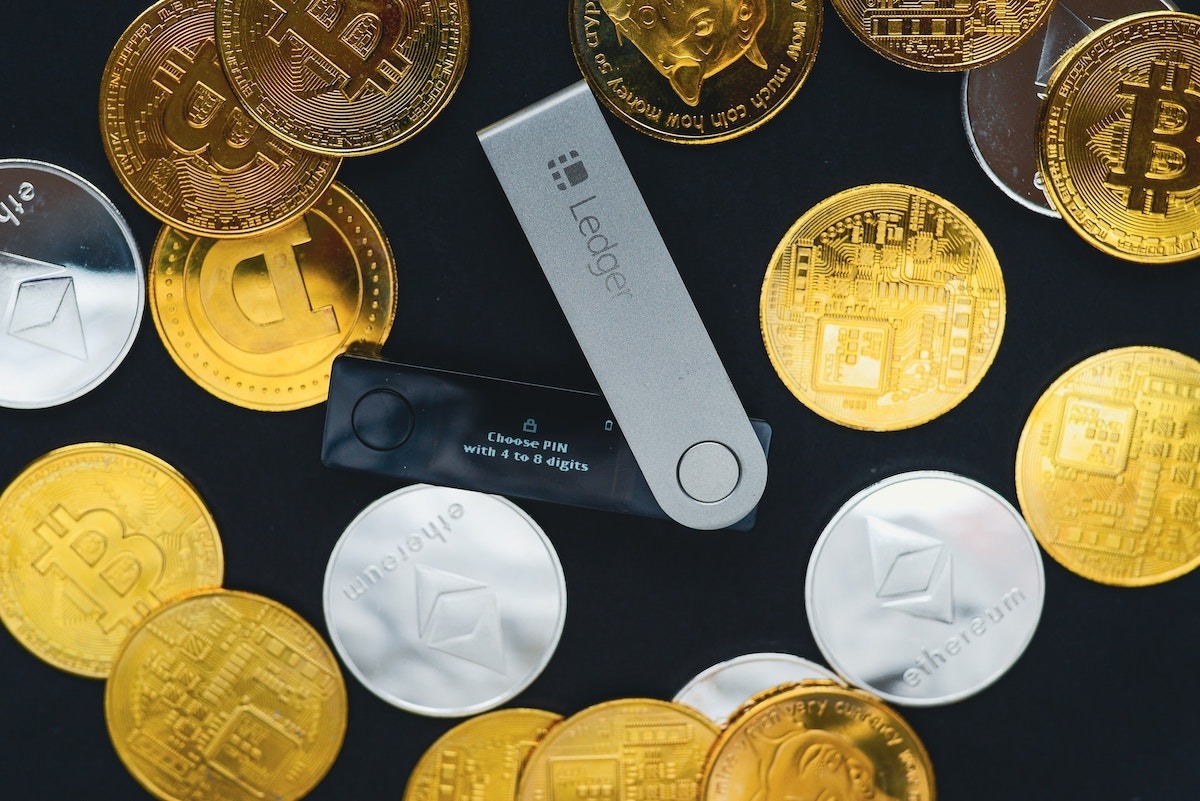
On the other hand, cold wallets are offline and, thus, significantly more secure. In this regard, most people use hardware wallets, which is basically a USB key or a hard drive to keep private keys offline.
Setting Up Your Crypto Wallet
Setting up a crypto wallet involves a few simple yet essential steps:
1. Choosing the Right Wallet
Before you start, you need to choose the type of wallet that suits your needs. If you’re a regular trader, a hot wallet might be preferable for quick access to your funds. However, a cold wallet is the way to go for long-term storage and security. Research and consider the options available based on your usage and security preferences.
2. Downloading and Installing
If you’ve gone with a hot wallet, start by cruising over to your app store or a trustworthy website on your gadget. Look for the wallet’s app and hit that download button. Just ensure you’re getting it from the real deal – the official source – to dodge any tricky security business.
For those hardware wallets, it’s a bit like building IKEA furniture but more accessible. Just stick to the script – that means following the maker’s directions. They’ll walk you through getting your wallet all setup and ready to rock.
3. Creating Your Wallet
Once you’ve set up the wallet on your device, it’s like having a personal tour guide. It’ll walk you through the steps of making your very own account. Think of it like crafting your online ID for your wallet world. You’ll need to come up with a tough and one-of-a-kind password to keep your stuff safe. Here’s a neat trick:
Sometimes, you’ll also get to create a backup plan in the form of a bunch of special words. If you ever forget your password, these words swoop in like superheroes to save the day and give you access back into your wallet kingdom.
4. Securing Your Private Keys
Regardless of the wallet type, the most critical aspect is your private keys. Someone who gains access to your private keys can control your cryptocurrencies. Hot wallets usually store these keys within the app, while cold wallets keep them offline. No matter the method, backup your private keys in a safe place, preferably offline or encrypted, to prevent loss.
Using Your Crypto Wallet
With your wallet set up, let’s delve into its functionalities and how to use them:
1. Checking Your Balances
Once you’re logged into your wallet, you’ll likely see a dashboard displaying your various cryptocurrency balances. This snapshot gives you an overview of your holdings and their current values.
2. Receiving Funds
To receive cryptocurrencies, navigate to the “Receive” or “Receive Funds” section of your wallet. You’ll be provided with a unique wallet address – a string of characters – that you share with the sender. Always double-check the address to prevent any errors, as transactions on the blockchain are irreversible.
3. Sending Funds
Sending funds is equally straightforward. In the “Send” or “Send Funds” section, enter the recipient’s wallet address and the amount you want to send. We recommend reviewing the details carefully before confirming the transaction. Once initiated, the transaction will be recorded on the blockchain and cannot be reversed.
4. Security Measures
It’s essential to secure your online data. So, to enhance your wallet’s security, consider enabling two-factor authentication (2FA) if available. This adds an extra layer of protection by requiring a verification code in addition to your password. Regularly update your wallet software to ensure you have the latest security patches.
Getting a Crypto Wallet Is Essential To Explore the Crypto World
Crypto wallets are the gateways to your digital financial journey. Understanding their types, setting them up securely, and using them effectively are essential steps toward becoming a confident participant in the world of cryptocurrencies.