Electric cars (EVs) are an affordable and environmentally friendly way to commute. Not only are EVs cost-efficient and ecologically responsible, but they can be fun and fashionable. Demand for efficient and dependable charging infrastructure is rising along with EV popularity. This article covers various EV charging methods, available EV charging infrastructure, advice, best practices, and resources for EV owners. We want to provide you with the knowledge and tools you need to get the most out of owning an electric vehicle.
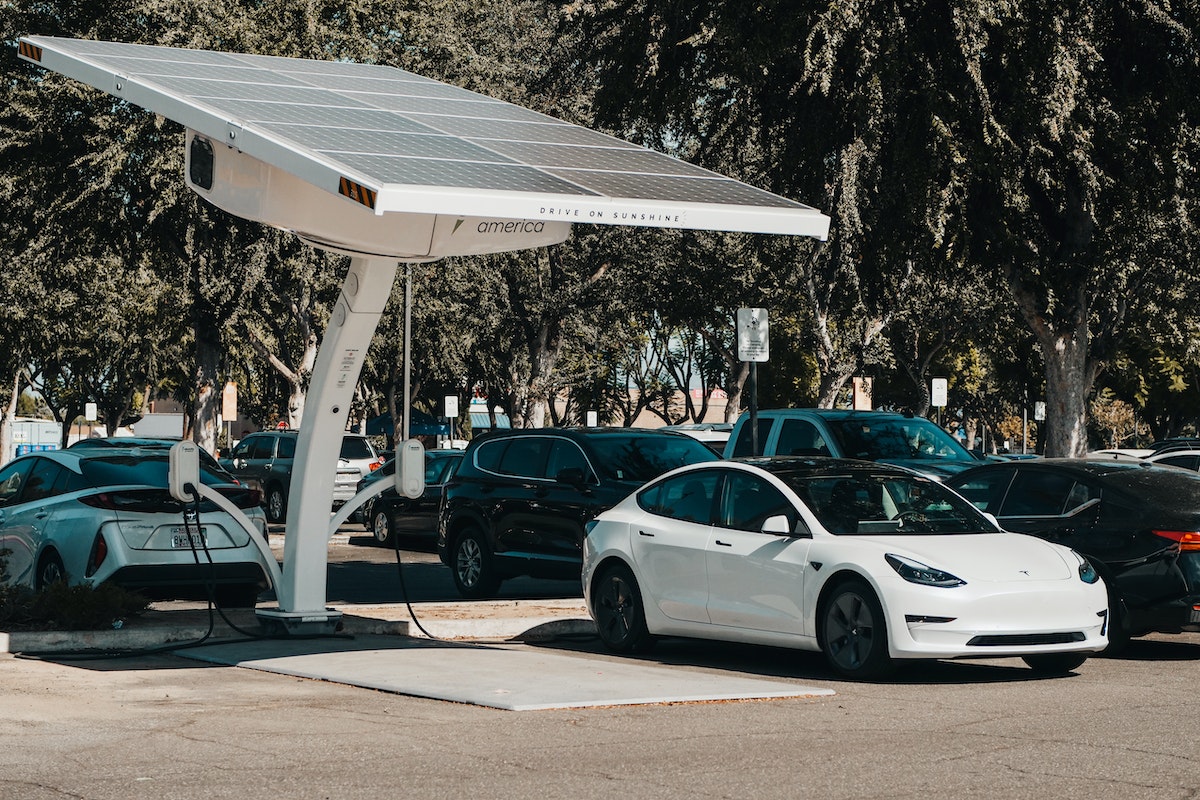
Types of Electric Vehicle Charging
- Level 1 Charging is the slowest form of battery refilling and requires a standard 120-volt household outlet—20 hours to charge an electric vehicle fully.
- Level 2 Charging exploits a 240-volt outlet faster than the previous formation. Most home and public charging stations are Level 2 chargers. Level 2 chargers can fully charge an EV in 4 to 8 hours.
- DC Fast Charging is the best commercial EV charger form and is ideal for long-distance travel. DC fast chargers require special equipment and can charge an EV up to 80% in 30 minutes. It may be quicker if we consider buses
- Wireless Charging Wireless charging uses an electromagnetic field to transfer energy between a charging pad and an EV. The time of appearance is unknown.
Consider that each charging type has its benefits and drawbacks. Level 1 charging is the slowest but requires no additional infrastructure. Level 2 charging is faster and is suitable for most daily charging needs. DC fast charging is the quickest but is only necessary for long-distance travel.
Electric Vehicle Charging Infrastructure
For EV owners, there are three different types of charging infrastructure: office charging stations, home charging stations, and public charging stations.
- Outside or in the garage, home charging stations.
- DC or Level 2 There are public charging stations available in malls, eateries, and other public places. For EV owners who need to charge their cars while they are out and about, they provide convenience.
- Charging stations in the workplace Employees may charge their electric vehicles at work thanks to charging points. This infrastructure makes it convenient for workers to use EVs for commuting.
The best electric car charging station provides convenience and cost-effectiveness, while public and workplace charging provides accessibility for charging while on the go. The latter will be beneficial because the employer pays less money for setting.
Route Planning Includes EV Charging
Manage your commercial electric vehicle routes to include commercial charging stations. For instance, businesses can utilize commercial EV charging stations in Denver and other major cities. The number of public charging stations may be limited. So it is necessary for businesses to manage the commercial EV routes to ensure that their vehicles have enough charge. This means taking into account the distance that the vehicles need to travel, the number of stops that the vehicles will make, and the availability of charging stations along the route. Businesses can also use software to help them plan their routes.
Tips and Best Practices for Electric Vehicle Charging
Here are some suggestions and best practices for electric car charging to help you get the most out of your EV ownership experience:
- Map the recharge outlets on your itinerary before starting a lengthy trip. By doing this, you may avoid running out of battery power while driving.
- To maximize the charging speed, ensure your EV’s battery is not fully depleted before charging. A Level 2 or DC fast charger will also provide quicker charging times.
- To preserve your EV’s battery life, avoid frequent fast charging and maintain a consistent battery level. Additionally, avoid exposing your EV to extreme temperatures and park in a shaded area when possible.
- When using public charging stations, be mindful of other EV owners and only use the charging station for the necessary amount of time. Additionally, do not unplug another EV owner’s vehicle to use the charging station.
- When using a charging station, follow all safety precautions, including wearing appropriate personal protective equipment and ensuring the charging station is functioning correctly before use.
Resources for Electric Vehicle Charging
Several resources are available for EV owners to find charging stations, connect with others, and access government resources and industry associations.
- Websites and apps provide charging station locators, including PlugShare, ChargePoint, and EVgo. Find them in your system app stores.
- Each brand has its app, such as Tesla’s Supercharger and ChargeHub, which provide information on charging station availability and charging rates.
- Joining an EV owner community, such as the Electric Auto Association, provides opportunities to connect with others and share information on charging infrastructure and EV ownership.
- The US Department of Energy or its local analog provides resources on EV ownership, including a charging station map and information on tax credits and incentives for EV ownership.
- Industry associations like the Electric Drive Transportation Association provide resources and information on the latest EV technology and infrastructure developments.
Conclusion
The demand for a dependable and effective charging infrastructure is rising as the popularity of EVs grows. EV users may optimize the advantages of owning an electric car by being aware of all the subtleties.
For EV owners wishing to install a home charging station, Cyber Switching offers home charging stations that are dependable, effective, and affordable. As a result, we can ensure that future transportation is convenient and ecologically benign by utilizing the resources accessible to EV owners.