Your tile roof might outlive your mortgage. That sounds dramatic, but it's the closest thing to a universal truth in residential roofing. Concrete and clay tiles routinely carry homes past the half-century mark, and some installations have crossed the century line without a full replacement.
Here's the catch though: longevity doesn't mean zero maintenance. Those tiles crack, the underlayment beneath them fails, and flashing corrodes. The real skill isn't just knowing the expected lifespan. It's knowing when a failing tile roof repair is necessary and when it's finally time to let it go.
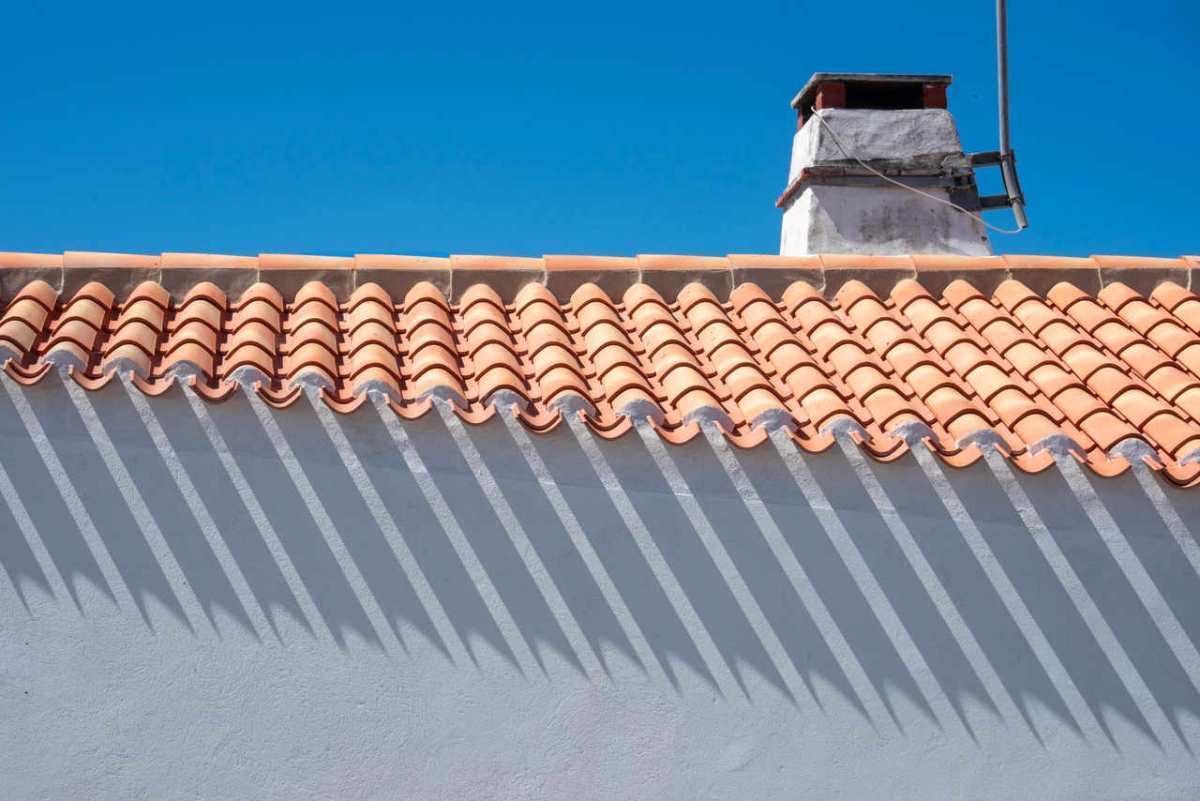
What Gives a Tile Roof Its Long Life?
Tile roofs shrug off weather that chews up asphalt shingles. The tiles themselves are fired clay or dense concrete, materials that resist sun damage, hail impact, and rot. They don't feed mold. They don't curl. They hold their color for decades.
But the magic isn't only in the visible layer. A tile roof is a system, and its weakest parts sit underneath the tiles. The underlayment, a waterproof membrane installed between the deck and the tiles, handles the actual water shedding. The tiles offer physical protection and drainage channels, but the membrane is your true defense against leaks. That membrane wears out faster than the tiles above it, and by year 20 or 25, it starts showing its age.
That's the tension that defines tile roof ownership. You're managing two different lifespans on one roof. The clay wants to last 80 years. The felt underneath it wants to quit at 30. Bridging that gap means inspecting, repairing, and sometimes replacing layers while the visible tile stays put.
How Long Should Yours Really Last?
Concrete tiles hold up well for 40 to 50 years in most climates. Clay tiles push that to 60, sometimes 80, when the installation was done right and the roof gets regular attention. A quality installation in a mild climate with minimal tree cover can do even better.
Your local conditions shift those numbers more than the material itself. Freeze-thaw cycles stress concrete tiles and can cause surface spalling. Hail cracks them on impact. Wind-driven rain finds every gap in worn flashing. Even intense UV exposure, the same sun that fades your patio furniture, slowly breaks down the sealants and membranes over time.
Consider the baseline climate data from the Environmental Protection Agency, which tracks regional weather patterns that affect building material performance. If you live somewhere with dramatic temperature swings or frequent severe storms, expect the lower end of that range. In a temperate zone with moderate weather, you can plan closer to the upper end.
The Culprits That Actually Shorten a Tile Roof's Life
Most tile roofs don't die of old age. They die of neglect, poor installation, or physical impact. Knowing the difference helps you decide what's worth fixing.
- Cracked or broken tiles. A single cracked tile lets water reach the membrane below. One broken tile is a small problem. A dozen broken tiles across a roof means your membrane is taking water in places it was never designed to handle. Walk your roof after a hailstorm and look for the obvious damage.
- Failed underlayment. This is the silent killer. Your tiles look fine from the curb, but the membrane underneath is brittle, cracked, or pulling away from the deck. The only reliable way to spot it is an attic inspection for light penetration or moisture staining on the roof deck.
- Rusty or lifted flashing. Flashing protects the joints where your roof meets walls, chimneys, and valleys. When it corrodes or lifts, water pours directly into the roof assembly. Flashing issues are among the most common causes of leaks on older tile roofs.
- Ridge cap failures. The caps along your roof's peak take the brunt of sun and weather. When the mortar or foam bedding fails, caps can shift, crack, or blow off entirely, opening a direct path for water.
Repair or Replace: A Decision Framework That Works
Here's where I'll give you my honest opinion: many homeowners I've watched make this call replace too early. A roof with scattered tile damage and a reasonably healthy underlayment is a repair candidate. A roof with widespread membrane failure, sagging deck sections, or structural rot is not. You're fooling yourself if you think new tiles fix rotten wood.
Work through these conditions in order before you make the call.
Check the deck first. Go into your attic during daylight and look up at the underside of the roof. Dark stains, streaks, or visible light mean water has been getting through. If the deck is water damaged or sagging in multiple areas, replacement is the honest answer. Repairing over a compromised deck is like painting over rot.
Assess the underlayment's age. If your roof is under 20 years old, the membrane likely has life left. If it's pushing 30 or beyond, you're on borrowed time. Replacing the underlayment while keeping the tiles is technically possible, but it costs nearly as much as a full replacement because the tiles have to come off anyway.
Count the damaged tiles. A handful of cracked tiles, say 5 to 10 percent of the roof area, is routine wear. Matching and replacing them keeps the system functional. When damage climbs past a quarter of the roof, the economics shift, and replacement starts making more sense.
Check for hidden issues. Look for granule loss on concrete tiles, which indicates surface wear. Check for algae or moss growth that holds moisture against the tile. And pay attention to your gutters: finding pieces of tile in the downspouts is a bad sign.
What Good Tile Repair Actually Involves
Repair work on a tile roof isn't just swapping broken pieces. The best contractors lift surrounding tiles, inspect the underlayment in that section, and replace the membrane if it's compromised before seating a new tile. Cutting corners here means the repair fails silently while your deck rots.
Technicians also need proper fall protection when they're up there. The Occupational Safety and Health Administration sets strict rules for working at height, and a reputable crew follows them without being asked. If a contractor shows up without harnesses or guardrails, that's a red flag about their overall standards, not just their safety practices.
When the damage is scattered and the underlayment holds up, professional tile roof repair services can restore your roof's watertight integrity for a fraction of replacement cost. Tiles get replaced, flashing gets reworked, and the vulnerable points get sealed.
The One Question Almost Everyone Asks Too Late
"Can I just patch the leak from the inside?" That's the question that costs homeowners the most money. Sealing a leak from your attic stops the drip but leaves water entering the roof assembly, where it soaks insulation, rots framing, and breeds mold. The stain on your ceiling is the last symptom you get before serious structural damage sets in.
Always chase a leak back to its entry point on the roof surface. That means finding the source, not just stopping the symptom. A legitimate repair addresses why water got in, not just where it came out.
Energy and Insulation Angles People Overlook
Tile roofs deliver a secondary benefit that rarely shows up in lifespan conversations: thermal performance. The air gap between the tiles and the underlayment creates a ventilation channel that moves hot air out from under the roof. That passive airflow reduces attic heat buildup in summer, which lightens your cooling load.
The Department of Energy's guidance on attic ventilation highlights why this matters. Energy.gov emphasizes that proper ventilation extends roof life and improves home energy efficiency. When you repair or replace sections of your tile roof, preserving those ventilation channels matters as much as the waterproofing layers.
Keep ridge vents and soffit vents clear during any repair work. Blocked ventilation turns your roof assembly into a heat trap, accelerating the breakdown of membranes and sealants. It also invites moisture problems in winter when warm attic air condenses against cold surfaces.
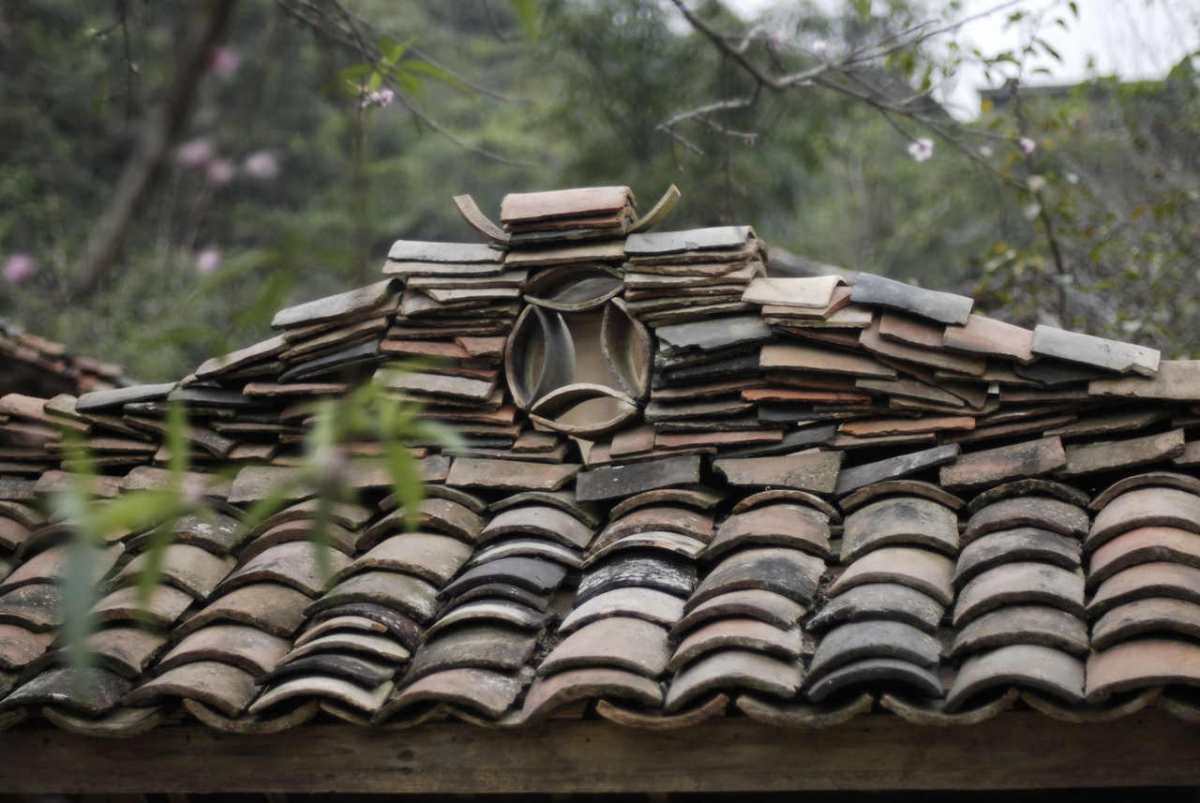
Make the Call Now, Not After the Next Storm
The worst time to evaluate your roof is the morning after a hailstorm, with a trash bag catching drips in your hallway. The smart time is now, on a dry day, when you can inspect calmly and budget deliberately.
Get up in the attic, walk the roof if you're comfortable, and take photos of anything questionable. Look for the signs you now know matter: cracked tiles, worn flashing, failing ridge caps, and staining on the deck below. Then decide whether the work ahead is a repair or a replacement. Your roof has already given you decades of service. The question is whether you'll give it the attention it needs to finish the job, or let it fail quietly above your head.