Caring for elderly patients demands more than good intentions. Whether you manage chronic conditions for an aging parent or coordinate care for a vulnerable loved one, the daily responsibilities can overwhelm even the most dedicated caregiver.
The landscape of elder care has shifted dramatically in recent years. Families now provide complex medical support once reserved for hospitals. This transformation brings both opportunity and challenge to home-based caregiving.
Understanding the Unique Needs of Elderly Patients
Aging bodies respond differently to illness, medication, and environmental changes. Recognizing these distinctions separates adequate care from exceptional support.
Elderly patients often face multiple health conditions simultaneously. A person might manage diabetes while recovering from surgery and dealing with early cognitive decline. Each condition influences the others, creating a web of care requirements that demands careful attention.
Physical limitations develop gradually. Mobility decreases, vision dims, hearing fades. These changes affect how seniors interact with their environment and communicate their needs. Caregivers must adapt their approach continuously as capabilities shift.
Mental health deserves equal priority alongside physical concerns. Depression affects many elderly individuals, particularly those with limited social interaction. Anxiety about declining independence or fear of becoming a burden can manifest in unexpected ways.
Creating a Safe and Supportive Home Environment
The home becomes a critical care setting when elderly patients age in place. Environmental modifications prevent accidents and promote independence.
Fall prevention starts with honest assessment of hazards. Loose rugs, inadequate lighting, and bathroom fixtures without grab bars create unnecessary risks. Simple modifications make substantial differences in safety outcomes.
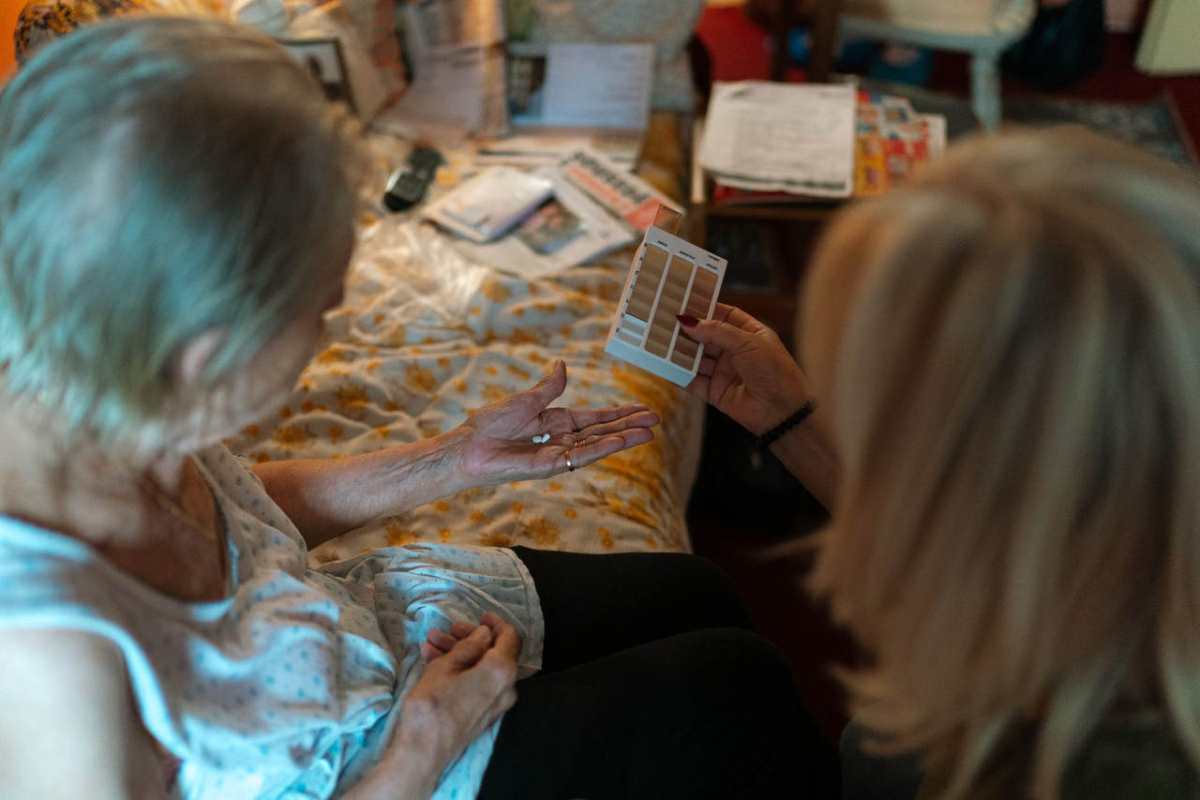
Medication management grows complex when patients take multiple prescriptions. Organizing pills by time and day prevents dangerous errors. Clear labeling, proper storage, and regular inventory checks protect against confusion or accidental overdose.
Temperature regulation matters more than many caregivers realize. Elderly bodies struggle to maintain comfortable core temperatures. Ensuring adequate heating in winter and cooling in summer prevents health complications from temperature extremes.
Effective Communication with Elderly Patients
Communication barriers frustrate both caregivers and care recipients. Developing strategies that work for individual patients transforms the caregiving relationship.
Speak clearly without shouting. Many people raise their voices unnecessarily with elderly patients. Lowering pitch often works better than increasing volume for those with hearing difficulties.
Allow extra processing time during conversations. Cognitive changes mean elderly patients may need several seconds to formulate responses. Rushing creates anxiety and impairs communication further.
Validate feelings and concerns, even when they seem disproportionate. What appears minor to a caregiver might represent significant distress to someone facing declining independence. Acknowledgment builds trust and cooperation.
Managing Difficult Behaviors and Resistance
Resistance to care stems from various sources. Loss of autonomy, fear, confusion, or pain can trigger challenging behaviors.
Pick your battles wisely. Not every issue warrants a confrontation. Determining which concerns affect safety or health versus personal preference helps caregivers maintain their energy and relationship quality.
Routine provides comfort and reduces anxiety for many elderly patients. Consistent meal times, medication schedules, and activity patterns create predictability in an uncertain world.
Coordinating Care Among Multiple Providers
Elderly patients typically interact with numerous healthcare professionals. Primary doctors, specialists, therapists, and home health aides all contribute to care plans. Coordinating these various providers prevents conflicting instructions and medication interactions.
Maintaining accurate, up-to-date medical records becomes essential when multiple professionals provide care. A comprehensive medication list, recent test results, and specialist recommendations should be readily accessible during appointments or emergencies.
Communication gaps between providers create dangerous situations. One doctor might prescribe medication without knowing another specialist already addressed the same symptom differently. Caregivers must actively bridge these information gaps.
Streamlining Caregiver Handoffs and Information Sharing
When multiple family members or professional caregivers share responsibilities, information transfer becomes critical. Miscommunication about medication administration, dietary restrictions, or behavioral changes can compromise patient safety.
Digital tools now exist specifically to address caregiver coordination challenges. The CareHandoff app enables teams to document care activities, track medications, share updates, and ensure everyone involved has current information about the patient’s status and needs.
Structured handoff protocols reduce errors during shift changes. Whether transitioning from day to night care or passing responsibilities between family members, clear communication of what occurred, what needs attention, and any concerns ensures continuity.
Managing Your Own Wellbeing as a Caregiver
Caregiver burnout represents a genuine health crisis. The physical and emotional demands of elderly care take substantial tolls on those providing support.
Respite care is necessity, not luxury. Taking breaks from caregiving responsibilities allows for physical recovery and emotional restoration. Many caregivers feel guilty about needing time away, yet burnout serves no one.

Social connections protect mental health during extended caregiving periods. Isolation compounds stress and depression. Maintaining relationships outside the caregiving role preserves identity and provides emotional support.
Physical health deteriorates when caregivers neglect their own medical needs. Regular checkups, adequate sleep, and proper nutrition enable sustained caregiving over months or years. Self-care is not selfish when it ensures better patient outcomes.
Recognizing When Additional Support is Needed
Care needs evolve as patients age or conditions progress. Recognizing when home care reaches its limits protects both patient and caregiver.
Increased fall frequency, medication management failures, or wandering behavior might indicate that current care arrangements no longer provide adequate safety. Professional assessment helps determine whether additional services or alternative living arrangements would better serve the patient.
Caregiver health crises sometimes necessitate care transitions. When the primary caregiver becomes ill or injured, backup plans ensure patient needs continue to be met. According to research from the National Institute on Aging, planning for various contingencies before crises occur protects vulnerable elderly patients.
Legal and Financial Considerations in Elder Care
Documentation and legal preparation prevent complications during medical emergencies. Powers of attorney for healthcare and financial matters allow designated individuals to make necessary decisions when patients cannot communicate preferences.
Advanced directives clarify patient wishes regarding life-sustaining treatments. Having these conversations early, while cognitive function remains intact, ensures patient autonomy extends into periods of incapacity.
Financial planning for long-term care protects assets and ensures resources remain available for patient needs. Medicare and Medicaid programs offer various benefits for eligible elderly patients, though navigating these systems often requires professional guidance.
Building a Sustainable Care Plan
Effective elderly care balances immediate needs with long-term sustainability. Caregivers who approach responsibilities as a marathon rather than a sprint achieve better outcomes for both patients and themselves.
Regular reassessment of care plans ensures strategies remain aligned with changing patient needs. What worked six months ago might no longer serve current circumstances. Flexibility and willingness to adjust approaches prevent unnecessary struggles.
Building a care team distributes responsibilities and prevents single-point failures. Family members, friends, professional services, and community resources each contribute unique capabilities to comprehensive care networks.
Technology continues transforming how families coordinate and deliver elderly care. Apps that facilitate communication, track health metrics, and organize schedules reduce administrative burden and improve information accuracy across care teams.
The journey of caring for elderly patients tests patience, creativity, and resilience. Yet this challenging work also offers profound opportunities for connection, meaning, and growth. With proper strategies, support systems, and self-care, caregivers can provide exceptional care while maintaining their own wellbeing throughout the process.