Many industrial environments contain airborne hazards that cannot be detected by sight or smell alone. Toxic gases, oxygen-deficient atmospheres, and combustible vapours can develop without warning, creating serious risks for workers carrying out routine operations. Whether in manufacturing plants, chemical facilities, mining sites, or confined spaces, effective gas monitoring is an important part of maintaining workplace safety and reducing the likelihood of accidents.
A multi gas detector is designed to monitor several atmospheric hazards at the same time, allowing workers to detect dangerous conditions before they become life-threatening. Depending on the model and sensor configuration, these instruments can simultaneously measure oxygen levels, combustible gases, and toxic gases such as carbon monoxide or hydrogen sulphide, providing real-time readings and immediate alarms when unsafe conditions are detected.
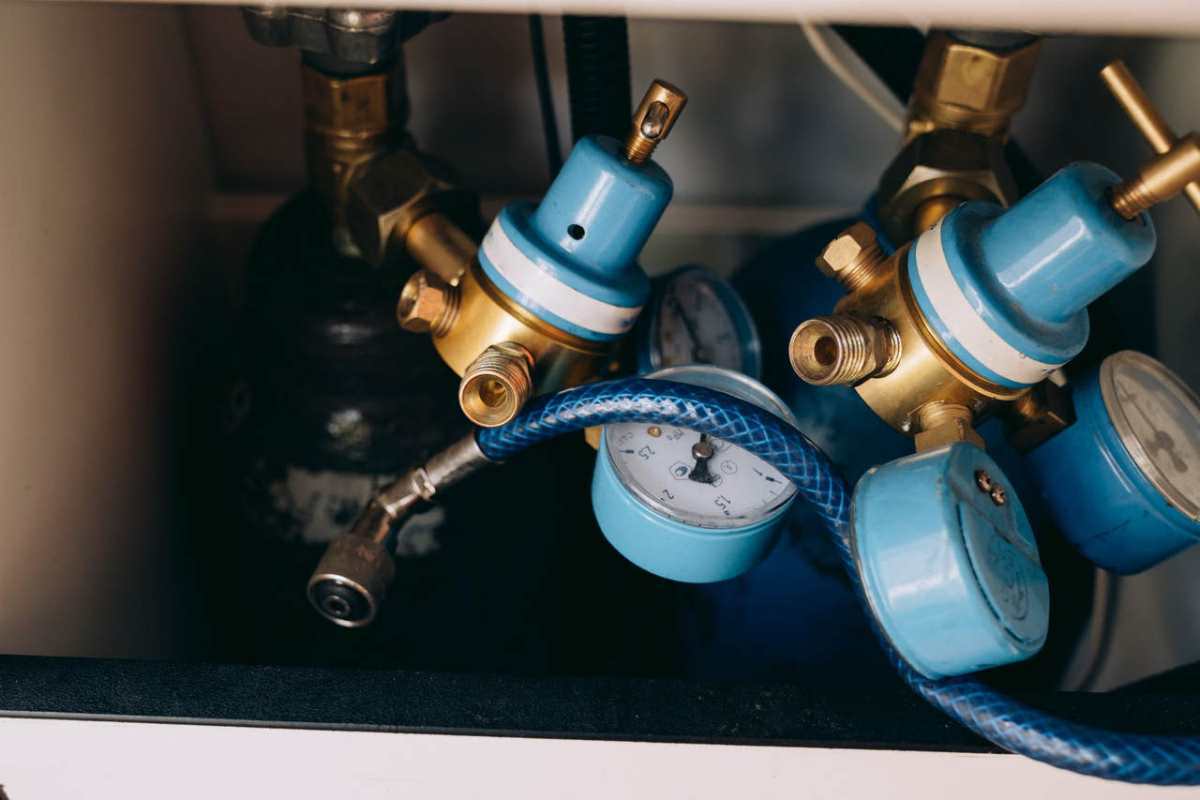
Why Atmospheric Monitoring Matters
Many hazardous gases are colourless and odourless, making them impossible to identify without specialised equipment. A safe work area can become dangerous within minutes if a gas leak occurs or oxygen levels change unexpectedly.
Continuous monitoring allows workers to identify changing conditions before entering or while working in potentially hazardous environments. This is particularly important in confined spaces such as storage tanks, tunnels, sewers, pipelines, and underground utility chambers, where hazardous gases may accumulate or oxygen may be displaced. Early detection enables workers to evacuate promptly and allows emergency procedures to begin before exposure reaches dangerous levels.
Applications Across Different Industries
Gas detection equipment is used in a wide range of industries where atmospheric hazards may be present. Oil and gas operations, wastewater treatment facilities, chemical manufacturing plants, mining sites, power generation facilities, and emergency response teams all rely on gas monitoring as part of their safety procedures.
Maintenance technicians also use portable detectors before servicing equipment that may contain hazardous gases. Construction projects involving excavation or enclosed workspaces frequently require atmospheric testing before personnel are permitted to enter.
For professionals comparing different monitoring solutions and technical specifications, exploring a range of portable gas detection instruments for industrial safety can provide useful insight into equipment designed for different workplace environments.
Factors to Consider When Selecting a Gas Detector
Choosing the right gas monitoring equipment depends on the specific hazards present at a worksite. Since different industries encounter different gases, detector selection should always reflect the intended application rather than relying on a standard configuration.
Important considerations include:
- Types of gases that need to be monitored
- Number of sensors supported
- Response time and measurement accuracy
- Battery operating life
- Audible, visual, and vibration alarms
- Data logging and connectivity features
- Durability for harsh industrial environments
Many modern instruments also include features such as automatic calibration reminders, event recording, and wireless communication, making it easier to document inspections and support workplace safety programmes. Regular bump testing and scheduled calibration remain essential to ensure that detectors continue providing accurate readings throughout their service life.
Supporting a Stronger Safety Culture
Gas monitoring is most effective when combined with appropriate training and established safety procedures. Workers should understand how to interpret detector readings, respond to alarms, and recognise the limitations of the equipment they are using.
Routine atmospheric testing also supports preventive safety by identifying small issues before they develop into serious incidents. Detecting leaks early can reduce downtime, minimise equipment damage, and help organisations comply with occupational health and safety requirements.
As workplaces become increasingly focused on risk management, gas monitoring equipment continues to evolve with improved sensor technology, enhanced battery performance, and more sophisticated data management capabilities. These developments help organisations maintain better visibility of workplace conditions while supporting informed decision-making during both routine operations and emergency situations.
Protecting workers begins with understanding the environment in which they operate. Whether conducting inspections, entering confined spaces, or carrying out maintenance in industrial facilities, a multi gas detector provides critical information about atmospheric conditions, helping teams identify hazards early and maintain safer working environments.