| Summary: Concrete core bits experience faster wear because operators use incorrect pressure methods, together with their use of insufficient cooling methods, their practice of unstable drilling techniques, and their implementation of wrong maintenance procedures. Tool lifespan extension requires operators to manage heat while maintaining consistent drilling operations, selecting appropriate bits for specific materials, and conducting equipment inspections at regular intervals. |
|---|
Concrete core bits are built for demanding work.
They cut through reinforced concrete, masonry, and dense construction materials under constant pressure and friction. But even high-quality core bits lose performance quickly when drilling conditions are poorly controlled.
Most premature wear is not caused by manufacturing defects.
It usually comes from overheating, excessive pressure, unstable drilling, poor maintenance, or using the wrong bit for the application.
That’s where operating technique becomes important.
Extending the life of a concrete core bit is less about one major adjustment and more about controlling the daily conditions that affect drilling performance.
At Tait Sales & Consulting LLC, concrete core bits are designed for construction and fabrication environments where precision, durability, and drilling consistency directly affect workflow efficiency.
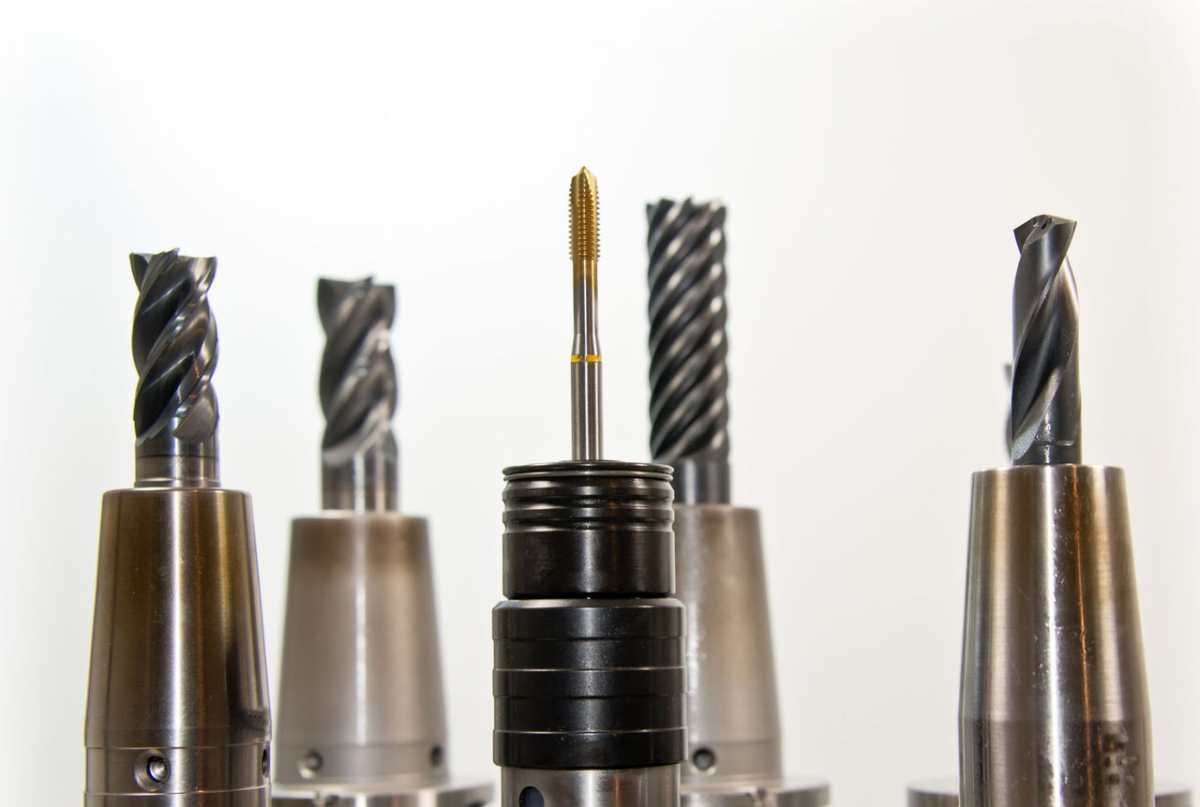
How to Increase the Lifespan of Concrete Core Bits
1. Use the Correct Core Bit for the Material
Not every core bit is designed for the same drilling conditions.
Concrete density, aggregate composition, and reinforcement levels all affect how the bit performs during operation. Using the wrong specification increases friction, slows cutting speed, and accelerates segment wear.
Why it matters:
- Incorrect bond types wear unevenly
- Hard materials create excess stress on softer segments
- Reinforced concrete increases heat buildup
- Cutting efficiency drops faster under improper load conditions
Concrete core bits should always match the material hardness and drilling application.
For example, reinforced concrete applications typically require diamond core bits designed to handle both concrete and embedded steel without excessive segment breakdown.
Trying to force one bit to handle every drilling condition usually shortens tool life quickly.
2. Maintain Proper Water Cooling
Heat is one of the biggest causes of premature core bit failure.
During drilling, friction creates constant heat at the cutting surface. Without proper cooling, the diamond segments overheat, weaken, and wear faster.
Why it matters:
- Cooling protects the diamond bond
- Water flushes slurry from the hole
- Lower temperatures reduce segment wear
- Consistent cooling improves cutting efficiency
Wet drilling is commonly preferred because water controls both heat and dust while improving drilling stability.
Operators should maintain continuous water flow throughout the drilling process instead of relying on intermittent cooling.
Once overheating starts, wear accelerates rapidly.
3. Avoid Excessive Drilling Pressure
More force does not improve drilling performance.
Concrete core bits are designed to grind through material steadily. Applying excessive pressure overloads the segments, increases heat, and creates unnecessary stress on both the bit and the drill motor.
Why it matters:
- Excess pressure damages diamond segments
- Overloading increases vibration
- Heat buildup accelerates wear
- Barrel cracking becomes more likely
A properly functioning core bit should cut consistently with controlled pressure.
If operators constantly force the drill to maintain cutting speed, the issue is usually incorrect RPM, poor cooling, or a worn bit—not insufficient force.
4. Keep RPM and Feed Rate Balanced
Speed control directly affects bit lifespan.
Running the drill too fast generates unnecessary heat. Running too slow reduces cutting efficiency and increases friction inside the hole. Feed rate also affects how aggressively the segments engage the material.
Why it matters:
- Stable RPM improves drilling consistency
- Balanced feed rates reduce vibration
- Controlled speed lowers heat buildup
- Proper operation improves segment durability
Larger diameter core bits generally require slower RPM settings, while smaller bits operate at higher speeds.
Maintaining stable drilling conditions helps the bit cut more efficiently without excessive strain.
5. Prevent Wobble and Misalignment
Unstable drilling creates uneven wear.
A loose drill setup or misaligned bit causes vibration during operation, which affects both cutting accuracy and tool durability. Even small amounts of wobble increase stress on the barrel and segments.
Why it matters:
- Vibration weakens segment bonding
- Misalignment creates uneven cutting
- Barrel stress increases cracking risk
- Poor stability reduces drilling precision
Operators should always secure the drill properly before starting the cut. The bit should remain aligned throughout the drilling process without side loading or shifting.
Even minor instability during drilling can shorten segment life and reduce hole accuracy over time.
6. Clean the Bit After Every Use
Concrete slurry and debris collect quickly during drilling.
If residue hardens on the segments or inside the barrel, cutting efficiency drops and cooling performance becomes less effective.
Why it matters:
- Clean segments cut more efficiently
- Debris buildup increases friction
- Proper cleaning prevents corrosion
- Cleaner bits maintain better cooling contact
After drilling, bits should be flushed, cleaned, and inspected before storage.
Allowing slurry to dry inside the barrel creates additional stress during the next operation.
7. Inspect Core Bits Before Problems Develop
Tool wear becomes expensive when operators ignore warning signs.
Many continue using worn bits long after cutting efficiency declines. That increases drilling time, heat buildup, and machine strain across the job.
Why it matters:
- Early inspection prevents sudden failure
- Worn segments reduce drilling efficiency
- Damaged barrels increase safety risks
- Consistent inspection improves workflow reliability
Common warning signs include:
- Slower drilling speed
- Excess vibration
- Segment wear
- Cracks in the barrel
- Increased heat generation
Once these issues appear, continuing operation usually creates more damage instead of improving productivity.
Final Thought: Tool Life Depends on Drilling Conditions
Concrete core bits are designed for heavy drilling environments. But performance always depends on how the tool is operated.
Heat control, stable drilling speed, proper cooling, correct pressure, and regular maintenance all affect how long the bit maintains cutting efficiency.
The goal is not simply to make the bit last longer.
The goal is to maintain consistent drilling performance without increasing downtime, equipment strain, or replacement costs.
At Tait Sales & Consulting LLC, concrete core bits are selected for demanding drilling environments where durability and consistent cutting performance matter daily.
FAQs
1. What causes concrete core bits to wear out quickly?
Excessive pressure, overheating, poor cooling, unstable drilling, and incorrect bit selection are the most common causes.
2. Why is water important during core drilling?
Water cools the bit, removes slurry, reduces friction, and helps extend tool life during drilling operations.
3. Can incorrect RPM damage a core bit?
Yes. Improper speed settings create excess heat and uneven wear on the diamond segments.
4. How often should concrete core bits be cleaned?
Core bits should be cleaned after every use to remove slurry buildup and maintain cutting efficiency.
5. When should a concrete core bit be replaced?
Replacement is necessary when drilling slows significantly, vibration increases, or visible segment and barrel damage affects performance.