East Providence, Rhode Island, sees steady traffic moving between residential neighborhoods, commercial corridors, and nearby routes into Providence, so a collision can quickly disrupt an ordinary day. In the moments afterward, attention usually turns to injuries, damaged vehicles, and exchanging information, but the details left behind can matter just as much. Photos, witness names, repair records, medical documents, and digital files can help show how the crash occurred and what followed. Because some of that material can get lost, changed, or overwritten, preserve what you can as soon as it is safe to do so.
A clear record can also become valuable if another driver, insurer, or other party later questions your account. Speaking with a car accident attorney in East Providence can help you understand which records may carry the most weight in a claim. After a crash, evidence can disappear quickly, so preserving original material early can give you a more reliable factual record for any later legal review.
Secure Scene Details
When deciding what to preserve, focus on records that establish the collision, identify the people involved, and document your losses. A car accident attorney can explain how evidence relates to a claim, but your immediate task is to preserve original material. Keep unedited files, note when you collected each item, and record details while they are fresh.
If it is safe, write down the crash location, time, direction of travel, weather, and road conditions. Do this soon after the collision, while the details are clear. Do not enter traffic or delay medical care to gather information.
Photograph the Collision Scene
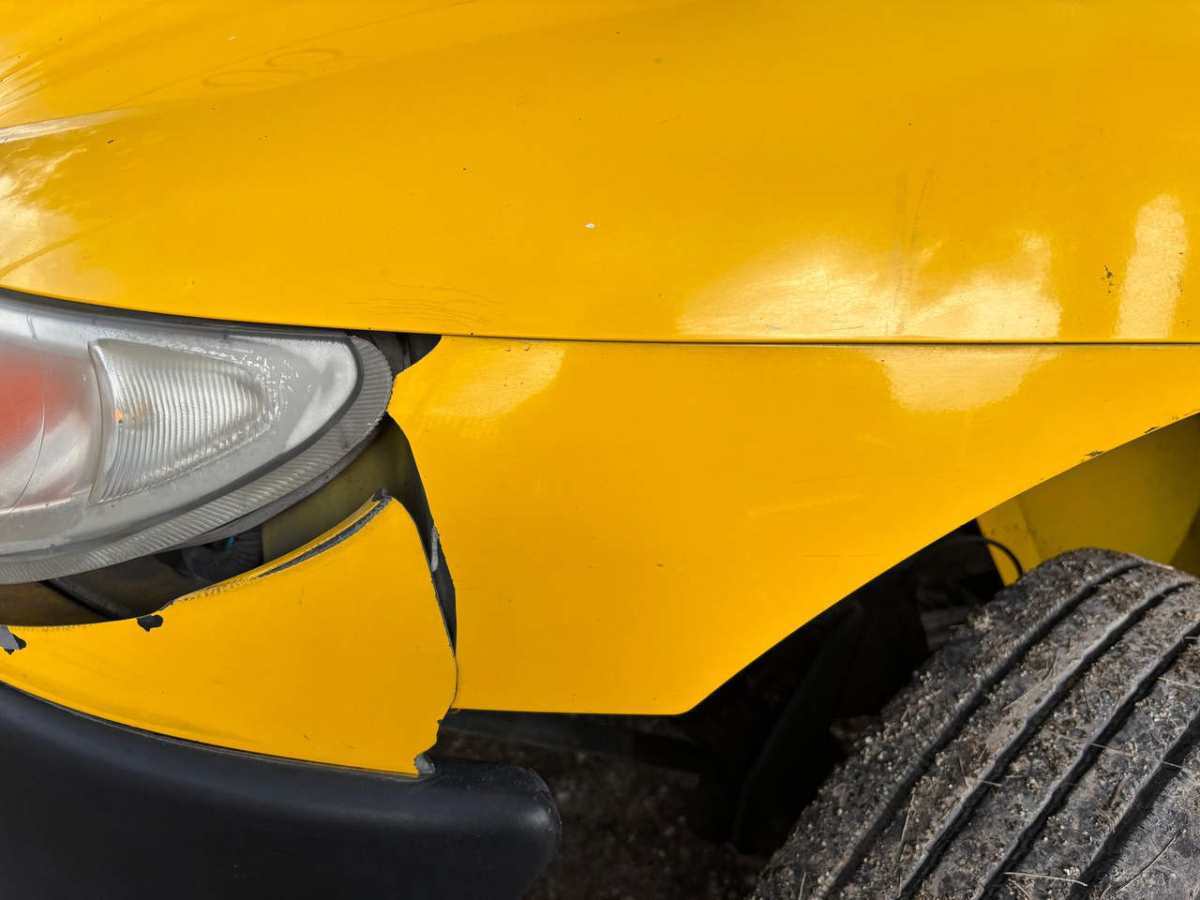
Take wide shots showing where the vehicles stopped, nearby intersections, traffic signals, lane markings, and visible hazards. Then photograph vehicle damage, debris, skid marks, and property damage up close. These images document the scene before you move vehicles or objects.
Photograph each vehicle from several angles, including damage that seems minor. Keep the original image files without filters, cropping, or edits. If you share a copy, retain the unaltered original and record when you sent it.
Record Witness and Report Details
Ask witnesses for their names and contact information. Note where each person stood and what they observed. A witness may have seen a signal, lane change, or vehicle movement that the drivers missed. Do not suggest that anyone adopt your account.
Write down the responding agency and any report or incident number provided. Request a copy through the appropriate process when it becomes available. Check it for errors, such as misspelled names or incorrect vehicle details, and note any request to correct them.
Preserve the Damaged Vehicle
Before repairs begin, photograph damage inside and outside the vehicle, including deployed airbags, broken glass, and loose parts. Keep repair estimates, invoices, towing receipts, and written messages about inspections or storage. Ask the insurer about its inspection process before approving non-urgent repairs.
Document damaged parts and personal items before disposing of them. If the vehicle is unsafe to drive, arrange a tow and record its destination. Safety comes first, so do not keep driving a vehicle simply to preserve evidence.
Save Relevant Digital Records
Save dashcam footage promptly because recording systems can overwrite older files. Keep the original clip and note the recording date, time, and device. Preserve relevant phone records, trip details, and messages in their original form, rather than relying on screenshots alone.
Avoid posting crash details or images on social media while accounts of the event are under review. Posts can omit context or conflict with later records. Save relevant messages, and do not delete material just because it seems unhelpful.
Track Treatment and Accident Costs
Keep discharge papers, visit summaries, prescriptions, and health care instructions together in a secure place. Record appointment dates and activities that symptoms prevent you from doing. Follow your care plan and tell providers how the collision affected you.
Save receipts and statements for medical care, prescriptions, transportation, vehicle repairs, and other crash-related expenses. A simple record can list each date, amount, purpose, and proof of payment. Keep copies of paperwork, and note when a bill remains unpaid or disputed.
Keep a Dated Evidence Log
Create a dated log that identifies each item, where it came from, and where you store the original. For digital files, record which device or account held the original and who received a copy. This approach helps separate firsthand records from later summaries.
Back up photos and documents securely, and keep physical originals together. Do not write on original documents or mark up photographs. When new information arrives, add it to the log with its date instead of changing earlier entries.
Conclusion
Preserving evidence starts at a safe scene and continues through repairs, treatment, and follow-up communications. A dated log, unedited images, original digital files, and organized receipts create a clearer record for later review. Choose a secure place for physical documents and a separate backup for digital items, then add new records as they arrive. If an item could get lost or altered, preserve it promptly and ask how to store it properly.