Anyone who has moved across state lines with more cars than drivers has faced the same question: do you convoy, or do you put a vehicle on a truck? For households moving to or from Maryland, that decision has a few local wrinkles worth knowing before you book anything.
The first is a deadline. Maryland gives new residents 60 days from the date they move to title and register a vehicle here, and missing it forfeits any tax credit for titling fees already paid in another state. The second is that Maryland is, quietly, one of the easiest places in the country to get a car moved in or out of — and that has a direct effect on what you pay.
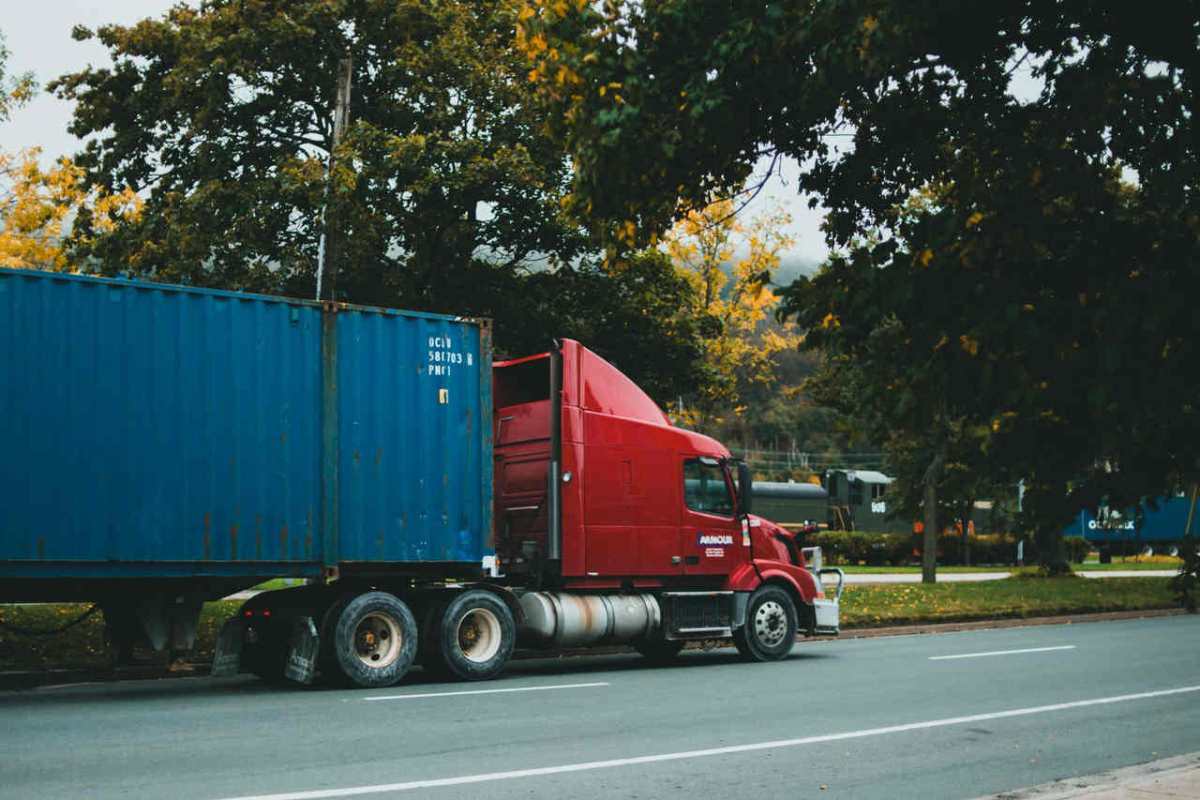
Why Maryland is a cheap state to ship a car through
Auto transport pricing is driven almost entirely by carrier supply. A ten-car hauler needs a full load to be profitable, so lanes with dense, predictable traffic price lower per vehicle than lanes where a driver has to detour to find you.
Maryland sits on both. Interstate 95 runs the length of the state and is the single busiest auto-transport corridor on the East Coast, which means loaded trucks pass through Baltimore constantly on their way between New England and Florida. The Port of Baltimore adds a second layer: the port handled 728,225 autos and light trucks in 2025, second among all U.S. ports and the thirteenth straight year above 700,000 vehicles. That volume keeps a permanent population of car carriers working the region.
The practical result for a homeowner in Towson or Bowie is that you will usually get more bids, faster pickup windows and lower prices than someone shipping out of a rural county in a low-density state.
What it actually costs
Quotes vary by season, vehicle size and how flexible your dates are, but these are typical ranges for open-carrier transport on the lanes Marylanders use most:
| Route | Typical open-carrier cost | Typical transit time |
|---|---|---|
| Maryland → New York / New Jersey | $500–$750 | 1–3 days |
| Maryland → Florida | $700–$900 | 2–4 days |
| Maryland → Texas | $900–$1,100 | 4–6 days |
| Maryland → California | $1,100–$1,400 | 5–7 days |
Two things move those numbers. Oversized vehicles — lifted trucks, large SUVs, anything modified — take more deck space and cost more. And a vehicle that does not run needs a winch-equipped truck, which is a smaller pool of carriers and a surcharge of a few hundred dollars.
Open or enclosed?
Roughly nine out of ten cars in the country move on open carriers — the double-deck trucks you see on I-95. The car is exposed to weather and road grime for a few days, which is a non-issue for a daily driver and gets it washed on arrival.
Enclosed transport puts the vehicle inside a covered trailer. It costs meaningfully more and books further out, because there are far fewer enclosed trucks on the road. It is worth the premium for a classic, an exotic, a show car, or anything where a stone chip is an insurance claim rather than an annoyance. For a five-year-old crossover heading to a new job in Charlotte, it is not.
Broker or carrier — and how to check either one
Most Maryland auto transport quotes you get online come from brokers, not from the company that will physically drive your car. That is normal and not a red flag on its own: brokers post loads to a national dispatch board and match you with a carrier that already has a truck running your route, which is exactly why the price is competitive. What matters is whether the broker is transparent about it.
Before you put down anything, do four checks:
- Verify the MC or DOT number. Every legitimate broker and carrier is registered with the Federal Motor Carrier Safety Administration and searchable in its public Company Snapshot database. If a company will not give you a number, stop there.
- Ask for the carrier’s certificate of insurance once your car is assigned, not just the broker’s. Cargo coverage travels with the truck.
- Be careful with large deposits. The bait-and-switch pattern in this industry is a low quote, a deposit, then a “the carrier needs more” call a week later. Ask in writing what happens to your price if no carrier accepts the load.
- Compare like for like. A quote that excludes fuel surcharges or terminal fees is not cheaper, it is incomplete.
Companies that publish route-level pricing rather than a single national number make that comparison easier — Navi Auto Transport, for example, lists its Maryland lanes and typical ranges rather than making you fill in a form to see anything at all. Whoever you use, get at least three quotes and read what the price does and does not include.
Time your move around the seasons
Two predictable surges hit Maryland every year.
The first is snowbird season. From roughly October through December, southbound trucks out of the Mid-Atlantic fill up with retirees heading to Florida, and the return leg runs empty; the pattern reverses in April and May. Ship southbound in the fall and you are competing for space, so book three to four weeks out. Ship northbound in the fall and you may get a bargain on the same truck.
The second is institutional. Fort Meade, Aberdeen Proving Ground, Joint Base Andrews and the Naval Academy generate a steady stream of PCS moves concentrated in the summer, and the University of Maryland, Johns Hopkins and Towson add a late-August wave of students shipping cars in. If your move falls in July or August, assume pickup windows stretch and price accordingly.
Once the car arrives: the Maryland paperwork
New residents have that 60-day window to get titled and registered. In most cases you will need a Maryland Safety Inspection Certificate from a licensed inspection station before the MVA will title the vehicle — the exception is a vehicle that was previously titled in Maryland in your own name. You will also need proof of Maryland minimum liability insurance from a carrier licensed in the state, your out-of-state title, and the titling excise tax.
Build the inspection into your timeline. Stations get busy, and a car that fails on tires or brakes can add a week you did not plan for.
Pickup and delivery day
The single most important document in the whole process is the Bill of Lading. The driver inspects the vehicle with you at pickup and notes every existing scratch and dent on it. Photograph the car from all four corners in daylight before it loads, and do it again the moment it comes off the truck.
Note the damage on the Bill of Lading before you sign at delivery. Signing a clean form and calling the next day is how legitimate claims get denied.
Federal rules also mean personal items are not supposed to travel in the car — they are not covered by cargo insurance and add weight the carrier is not licensed to haul, so it’s worth keeping them in 24-hour storage you can reach on your own schedule until the move is done.
None of this is complicated, but it is the part people skip when a move is already stressful. Fifteen minutes with a phone camera and a pen at pickup is the cheapest insurance in the process.