Maintaining a clean and functional facility is about more than appearance. For commercial properties, industrial buildings, healthcare centers, and retail environments, cleanliness supports safety, regulatory compliance, operational efficiency, and the overall experience of employees and visitors. The tools selected for cleaning tasks significantly influence how effectively maintenance teams can uphold these standards.
Professional-grade equipment is specifically engineered for sustained performance in high-demand environments. Compared to residential tools, commercial systems are built for heavier workloads, greater surface areas, and more intensive cleaning requirements.
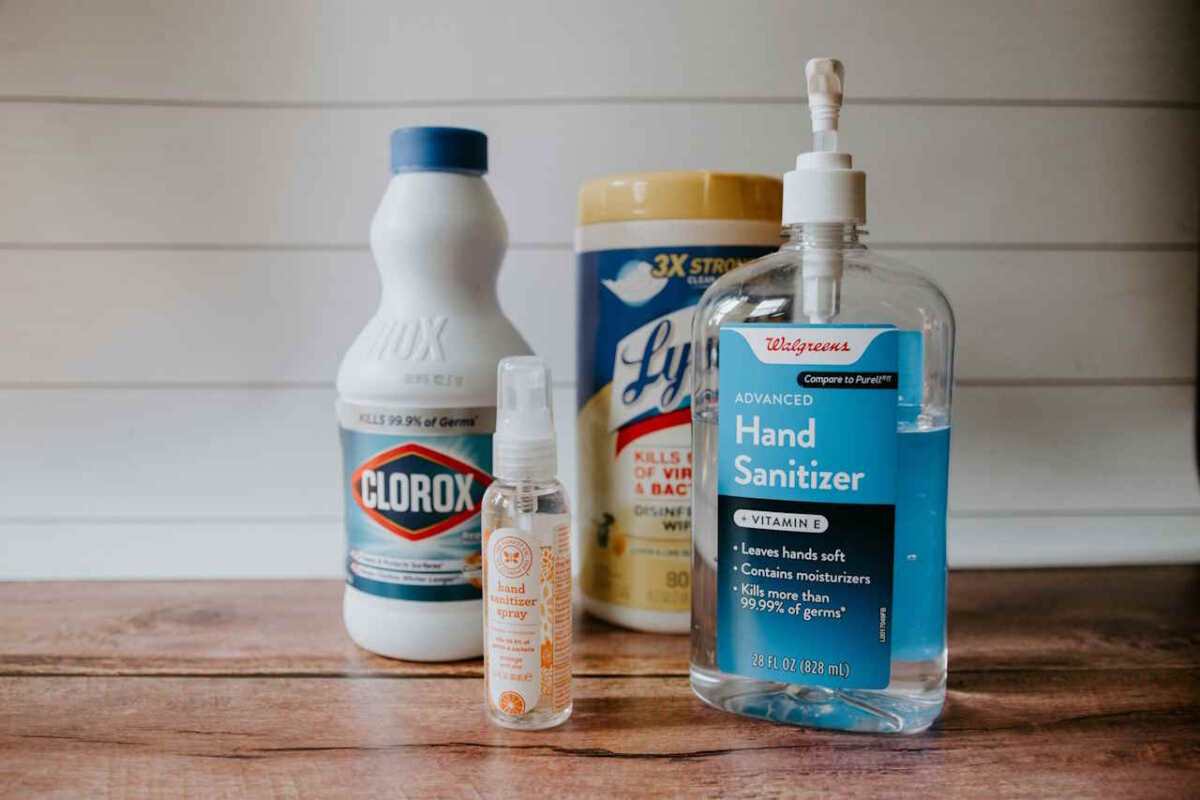
Industrial Equipment and Performance Standards
Facilities with constant foot traffic and operational activity require tools that can handle repeated, daily use. Heavy-duty pressure washers, floor scrubbers, and industrial vacuums are designed with reinforced components, higher-capacity motors, and materials that withstand prolonged wear.
Providers such as Hotsy South Texas focus on commercial-grade pressure washing systems and cleaning equipment tailored for industrial and professional applications. Equipment in this category typically delivers higher output levels, more consistent water pressure, and longer duty cycles than consumer-level alternatives.
The advantage of industrial equipment lies not only in raw power but in reliability. Reduced downtime, accessible replacement parts, and service networks contribute to smoother long-term facility operations.
Efficiency and Labor Optimization
Labor costs often represent the largest portion of a facility’s maintenance budget. Tools that complete cleaning tasks more quickly and thoroughly reduce the number of labor hours required to maintain standards. For example, powered floor scrubbers cover significantly more square footage per hour than manual mopping, while commercial pressure washers remove accumulated grime in a fraction of the time needed for traditional scrubbing.
Efficiency gains compound over time. Faster cleaning cycles allow staff to redirect effort toward preventive maintenance, detail work, or other operational tasks that enhance overall facility quality.
Durability and Lifecycle Value
Professional-grade cleaning tools typically require a higher initial investment, but their extended lifespan can lower the total cost of ownership. Reinforced housings, commercial-grade pumps, and durable internal components reduce the frequency of repairs and replacements.
In environments such as warehouses, automotive facilities, or food service operations, where surfaces encounter grease, oil, or heavy debris, consumer tools often deteriorate quickly. Industrial equipment is designed to withstand such stressors while maintaining performance consistency.
Specialized Cleaning Capabilities
Different facilities require specialized solutions. Healthcare environments may rely on high-filtration vacuum systems to support air quality standards. Manufacturing sites may require high-pressure cleaning systems to remove residue from machinery and floors. Retail centers often prioritize quick-drying floor solutions to minimize disruption to customers.
Integrating specialized tools into a maintenance strategy ensures that cleaning protocols align with industry standards and operational realities.
Integrating Equipment With Professional Services
While high-quality equipment enhances performance, effective maintenance strategies often combine tools with structured service plans. Platforms like SweepScrub support facilities in coordinating cleaning services and connecting with professionals who understand the nuances of different commercial environments.
Pairing reliable equipment with trained personnel ensures that cleaning routines are executed consistently and safely. Clear scheduling, documented procedures, and appropriate training maximize the return on investment in professional-grade tools.
Safety and Regulatory Considerations
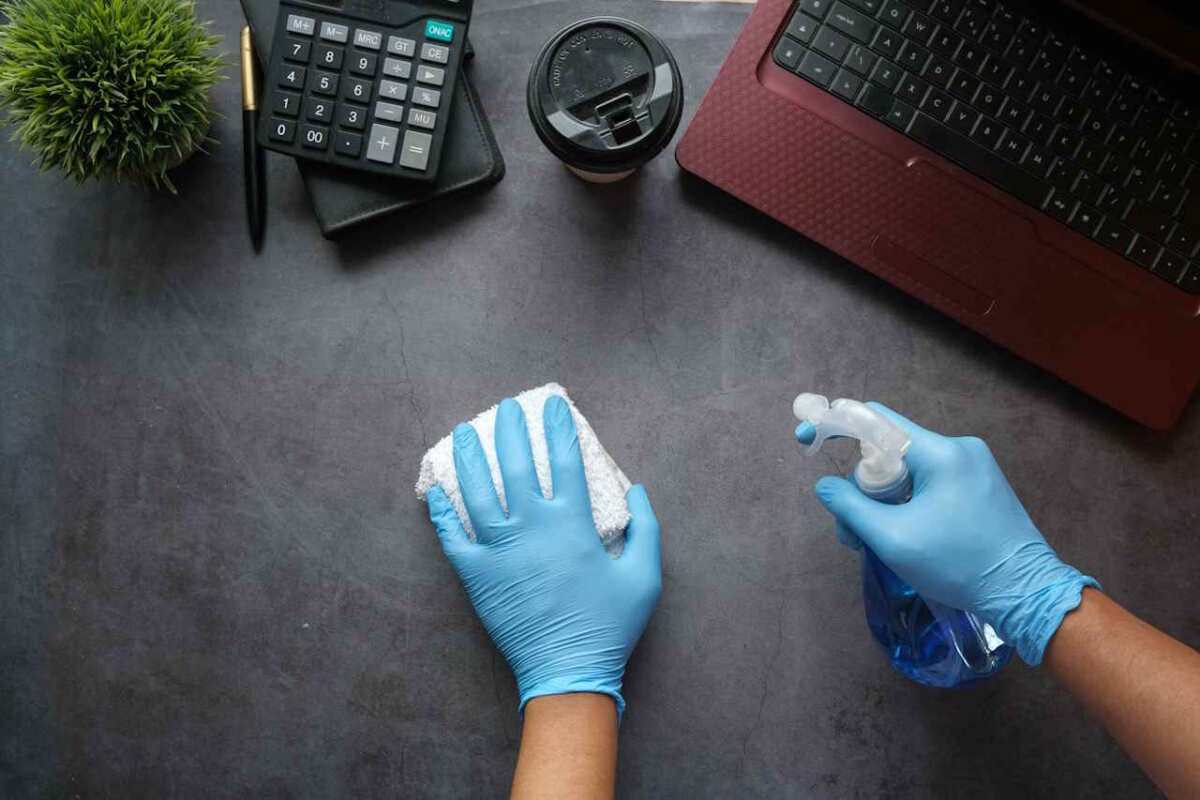
Facility maintenance intersects with safety regulations and occupational standards. Properly cleaned surfaces reduce slip hazards, improve air quality, and help organizations comply with sanitation requirements. Industrial cleaning equipment often incorporates ergonomic designs and safety features that reduce strain on workers and support safe operation.
Organizations such as the Occupational Safety and Health Administration (OSHA) provide guidance on maintaining safe workplace conditions, including sanitation and hazard prevention. Facilities that integrate appropriate equipment and safety-aligned procedures position themselves to meet regulatory expectations more consistently.
Long-Term Operational Impact
Professional-grade cleaning tools contribute to preserving infrastructure. Regular removal of dirt, chemicals, and moisture prevents surface degradation, extending the life of flooring, exterior finishes, and equipment. Over time, consistent maintenance reduces the need for premature repairs or replacements.
By aligning cleaning equipment with the scale and intensity of facility demands, organizations can enhance operational reliability, improve workplace environments, and manage maintenance budgets more predictably. Industrial-grade systems, supported by structured service coordination, play a foundational role in sustaining high standards across modern facilities.