Building a great piece of software is one thing, but making sure it actually helps the company grow is another. Many teams focus on the code and forget why they are writing it in the first place. When tech and business goals do not match, resources go to waste.
Successful companies find ways to bridge this gap by making strategy part of the daily workflow. This approach turns code into a tool for growth. It keeps the whole organization moving forward.

Bridge the Communication Gap
Teams often work in silos where developers do not understand the big picture. Finding a partner like TechQuarter helps bridge these gaps between technical execution and business strategy. This connection makes sure every sprint moves the needle for the company.
Clear goals help everyone stay on the same page during the build process. Having a shared vision makes the development cycle much smoother and more productive.
Better Stakeholder Contact
Frequent meetings and clear updates prevent issues from happening as projects move forward. Keeping these lines of contact open allows for quick pivots when business needs shift.
Teams that talk often can catch problems before they become expensive mistakes. Strong communication leads to better software that actually meets user needs.
Focus on Strategic Objectives
Software should never be built just for the sake of having new tools. A report from Theseus.fi found that communication gaps with stakeholders are a major reason projects fail. One study from unboxedtechnology.com mentioned that projects where everyone’s interests are aligned are 3 times more likely to succeed.
A paper on worldscientific.com suggested that tying software activities directly to strategic goals justifies the cost of IT. Research on emerald.com supports this idea by showing that strategic alignment helps companies outperform others. Managers should look at every feature to see if it fits the primary mission.
Modern Standards
Digital access is becoming a huge deal for employers worldwide. The reports.weforum.org site predicts that 60% of bosses expect digital access to change their business by 2030. Staying ahead of these trends requires a solid plan for future growth.
Companies must adapt to these shifting needs to remain relevant in a global market. These changes happen fast – and require constant attention from leadership teams.
Improving Processes for Efficiency
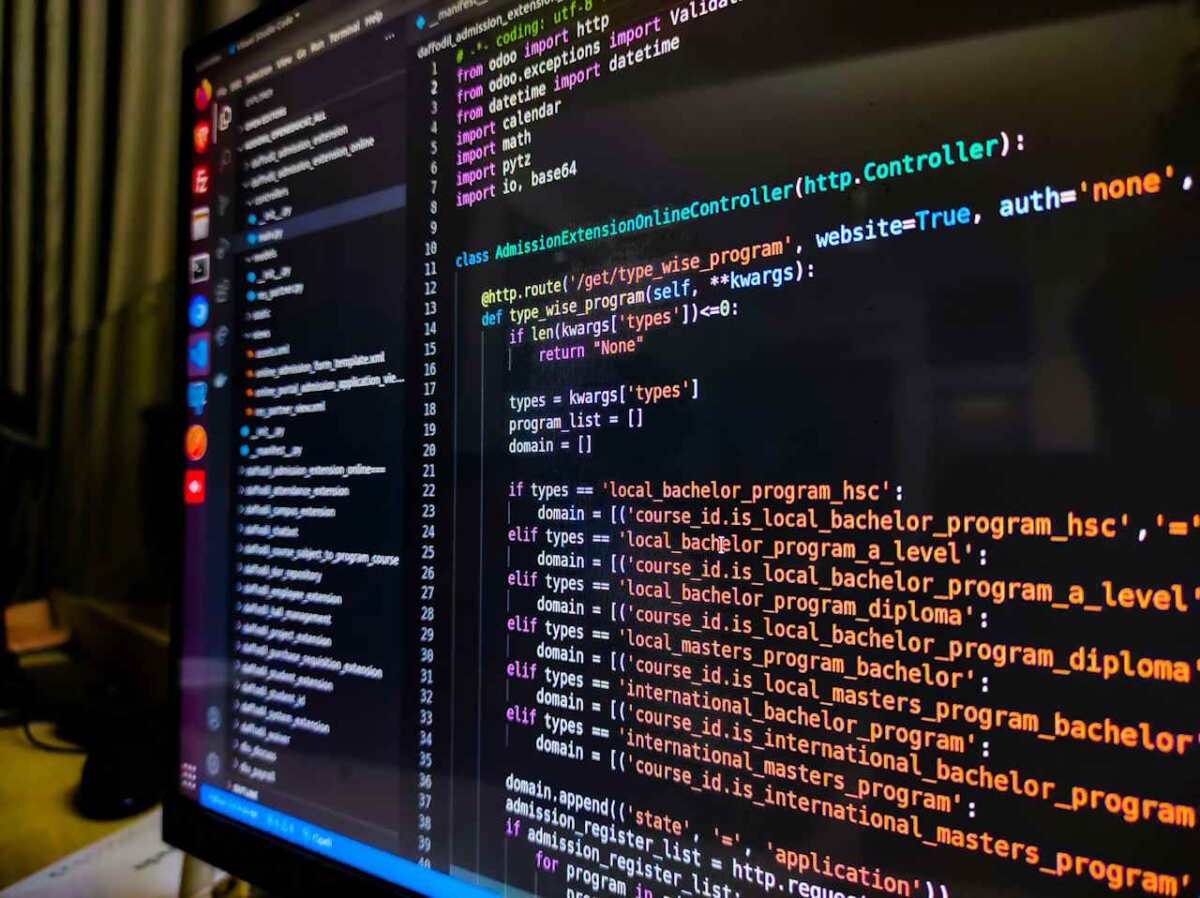
Efficiency is about more than just fast typing. A publication from researchgate.net explained that managing IT effectively requires a balance between strategy and infrastructure. Using new tech can help with this.
According to dhs.gov, using generative AI can help coders be more productive and focus on creative tasks. These tools let developers spend less time on repetitive chores and more on solving real problems.
- Use CI/CD to reduce risks.
- Adopt modern measurement tools.
- Provide self-service options.
Information from itsecurityguru.org notes that using CI/CD helps businesses avoid risks from large updates. It makes software releases much easier to handle. This method allows teams to push small changes without breaking the whole system.
Companies that get this right find it easier to scale and serve their customers. Focusing on alignment keeps everyone moving in the right direction for long-term growth. Clear vision is the best tool for any development project. It makes the hard work worth the effort.