Exterior inspections often reveal roof issues long before a leak shows up inside. Catching these problems early reduces repair costs and protects siding, fascia, and landscaping. Use this guide to spot six concerns inspectors see again and again during property walkarounds.
Lifted, cracked, or missing shingles
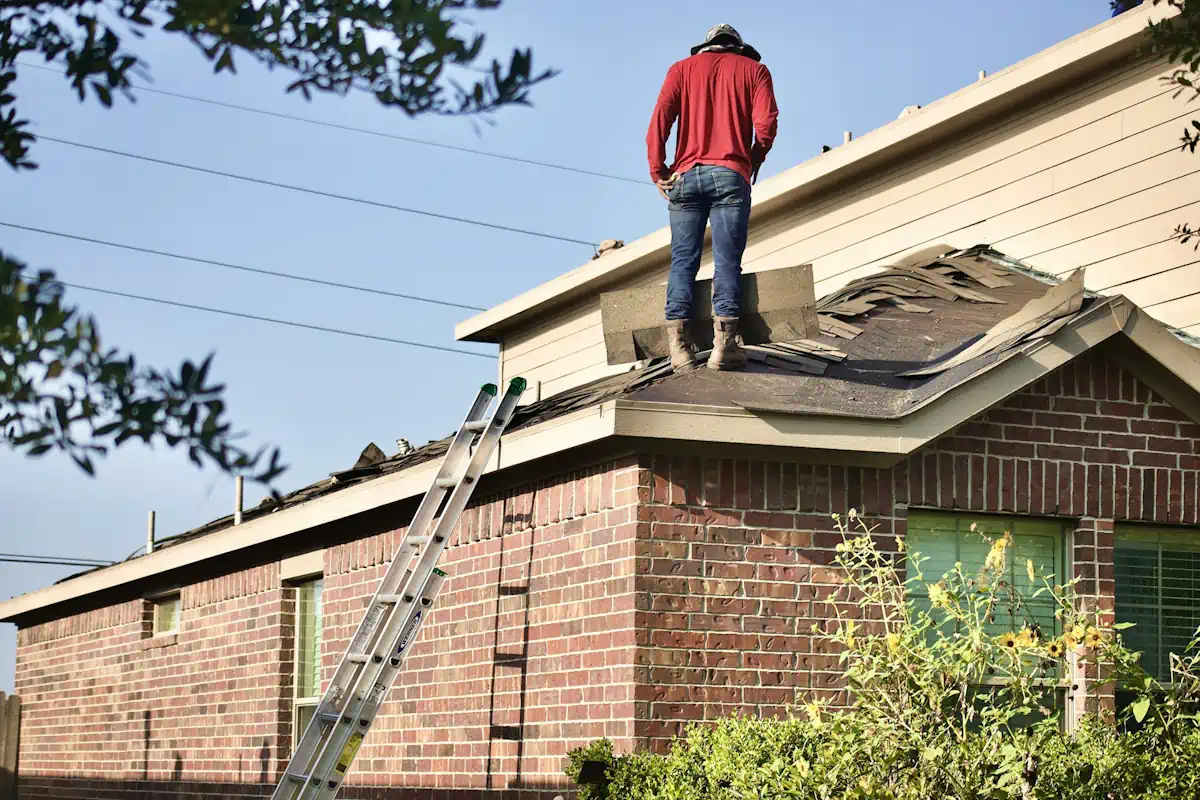
Inspectors often flag lifted or cracked shingles that let wind-driven rain reach the underlayment. A guide from Service Pro Roofing notes these defects show up along hips, ridges, and eaves, where edges take the most stress. Small gaps invite water and start a cycle of rot and nail pull-through.
Edges that face the sun and prevailing wind wear out first. Replace split tabs and exposed nails promptly so the field stays watertight.
Worn or improper flashing around openings
Along the Alafia River and Tampa Bay suburbs, sudden summer downpours and tropical squalls test every seam around chimneys, skylights, and walls. In these conditions, homeowners often rely on Riverview roofing contractors to verify that laps, sealant, and step flashing are installed correctly. Metal or membrane flashing should bridge every joint where the roof meets a wall, chimney, vent, or skylight. Even small separations at these points can let water track under shingles and show up as stains far from the entry point.
Kickout flashing at roof-to-wall joints steers water away from siding. Sealants are not a cure-all; correct lapping and fastener spacing do the real work. At chimneys, counterflashing should be let into the mortar joint, not simply caulked to the brick.
Clogged gutters and downspouts
Leaves, grit, and nesting material can block gutters, which forces water to overflow at the eaves. That overflow soaks the fascia and drip edge, and it can wash soil away at the foundation. Ice makers and AC drains that empty onto roofs also add runoff that gutters must carry
Downspouts that empty too close to the house push water onto walkways and siding. Add extensions and keep outlets clear so runoff moves past landscaping and slab edges. Screens and guards help, but they still need cleaning after heavy leaf drop. Splash blocks or drain lines keep water from undermining pavers and steps.
Wind damage patterns after storms
Even if coverings look intact, wind can loosen fasteners and crease shingles. Reporting from Angi explains that strong gusts often rip tabs or entire sections from the field, especially on aging roofs. Inspectors scan leeward slopes and edges for missing pieces and scattered granules. If wind tears adhesive strips, tabs may flap and break on the next gust.
Sheathing uplift shows as ripples running across the slope. Look for popped nail heads at courses below the ridge, a hint that wind lifted the panel and loosened fasteners.
After a storm, look for bright spots where new underlayment shows, and check yards for torn tabs. Missing ridge caps or lifted ridge vents also point to pressure that exceeded the fastening pattern.
Early leak clues you can see from the ground
Not every inspection needs a ladder – many warning signs show from the yard. Walk the site slowly and look at each slope from two or three angles. Mornings and late afternoons reveal surface defects better than midday glare.
- Shingle edges that curl or lift
- Dark streaks or fresh granules piling below downspouts
- Rust at exposed flashing or vents
- Sagging gutters or staining on the fascia
- Sunlight is visible through the soffit gaps at dusk
- Loose ridge or hip caps that wobble under light hand pressure
- Water stains on the soffit boards after rain
Guidance from Today’s Homeowner stresses that regular roof checks help the system stand up to weather over time. Short, seasonal walkarounds catch these clues before they become indoor leaks. Mark small changes so you can compare conditions over time.
Document what you see
Take date-stamped photos and note wind, rain, or tree debris. This simple record helps when prioritizing repairs with a contractor.
Ventilation, attic, and trim red flags
Poor airflow traps heat and moisture, which can warp the deck and shorten shingle life. In summer, trapped heat bakes the roof covering; in winter, moisture condenses on nails and sheathing, leading to mildew and a musty attic.
Bathroom fans should vent outdoors, not into the attic. Dryer ducts need smooth metal, a tight hood, and a clear backdraft damper to keep moist air and pests out. Keep insulation pulled back from intake vents so air can move freely.
Inspect soffit intakes and ridge or box vents for obstructions. Watch for chewed screens, bird nests, and paint bridging over vent slots. At the eaves, peeling paint, soft fascia, and loose drip edge signal that water has been working behind the trim.

No single issue sinks a roof on its own; it is the combination of edges, openings, drainage, and wind that causes trouble. A slow, methodical exterior inspection a few times a year builds a clear picture of roof health. With steady care and prompt fixes, you can extend the life of the system and avoid major surprises. Good notes make future repairs faster and clearer.